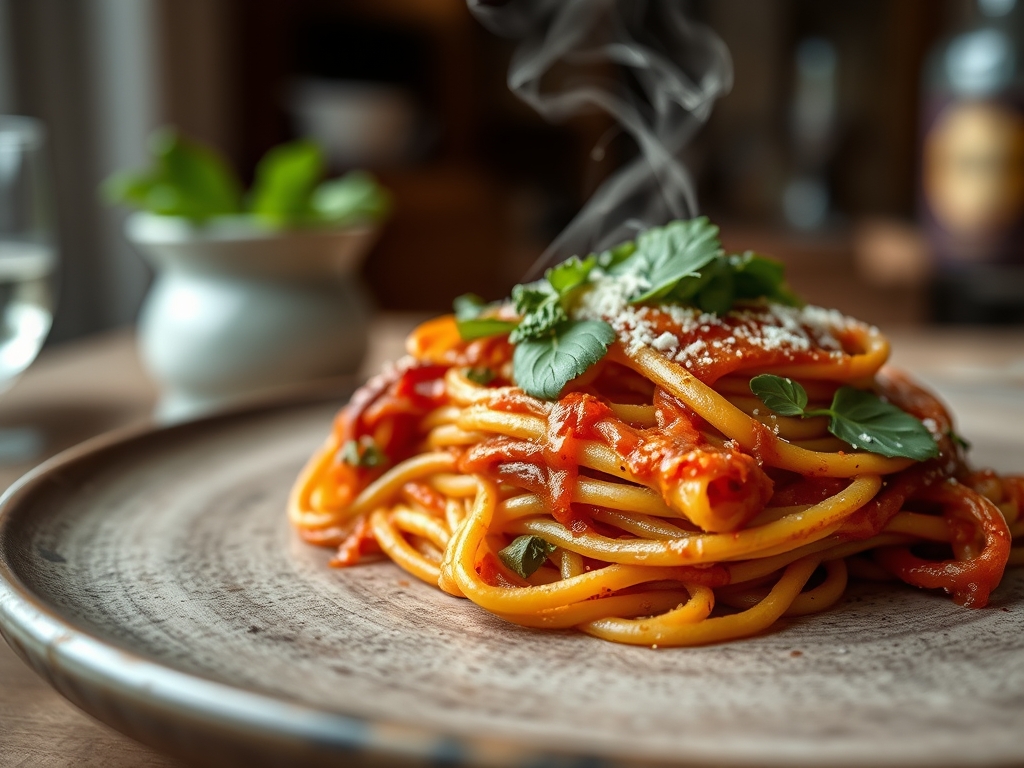
Forget the sagging, structural failure of the traditional horizontal stack. We are here to talk about architectural integrity and the pursuit of the perfect bite. Traditional lasagna is a game of gravity where the middle layers often dissolve into a mushy, indistinct paste. By pivoting ninety degrees, we enter the realm of the Spiralized Lasagna. This is not just a meal; it is a vertical engineering feat that maximizes surface area for the Maillard reaction. Imagine every single noodle edge standing at attention, crisping under the broiler while the interior remains a viscous, molten core of cheese and ragu. The vertical orientation ensures that the sauce does not merely sit; it infuses every millimeter of the pasta through capillary action. We are auditing the very foundation of Italian comfort food and rebuilding it for maximum structural efficiency and flavor density. If you are still layering flat, you are living in the past. It is time to roll, tension-wrap, and ignite the senses with a dish that looks as sharp as it tastes.
THE DATA MATRIX
| Metric | Specification |
|---|---|
| Prep Time | 45 Minutes |
| Execution Time | 50 Minutes |
| Yield | 8 Servings |
| Complexity (1-10) | 7 |
| Estimated Cost per Serving | $4.25 |
THE GATHERS
Ingredient Protocol:
- 800g / 28oz Whole Milk Ricotta Cheese
- 500g / 1.1lb Lasagna Sheets (Par-boiled or fresh)
- 750ml / 3 cups Marinara or Bolognese Sauce
- 450g / 1lb Low-moisture Mozzarella, shredded
- 120g / 1 cup Parmigiano-Reggiano, finely grated
- 1 large Egg (approx. 50g)
- 15g / 1 tbsp Fresh Basil, chiffonade
- 5g / 1 tsp Kosher Salt
- 2g / 0.5 tsp Freshly cracked Black Pepper
Section A: Ingredient Quality Audit:
The most common failure point in Spiralized Lasagna is excess moisture. If your ricotta is weeping whey, your vertical structure will collapse into a puddle. Technical Fix: Strain your ricotta through a fine-mesh sieve lined with cheesecloth for at least two hours before assembly. If using store-bought sauce that is too watery, you must render the liquid down in a saucier until it achieves a thick, paste-like consistency. For the pasta, avoid "no-boil" sheets unless you plan to soak them; they lack the elasticity required for a tight tension-wrap. If the pasta is brittle, a quick thirty-second dip in boiling water will infuse the starch with enough hydration to make it pliable without losing its structural "bite."
THE MASTERCLASS
1. The Ricotta Emulsion
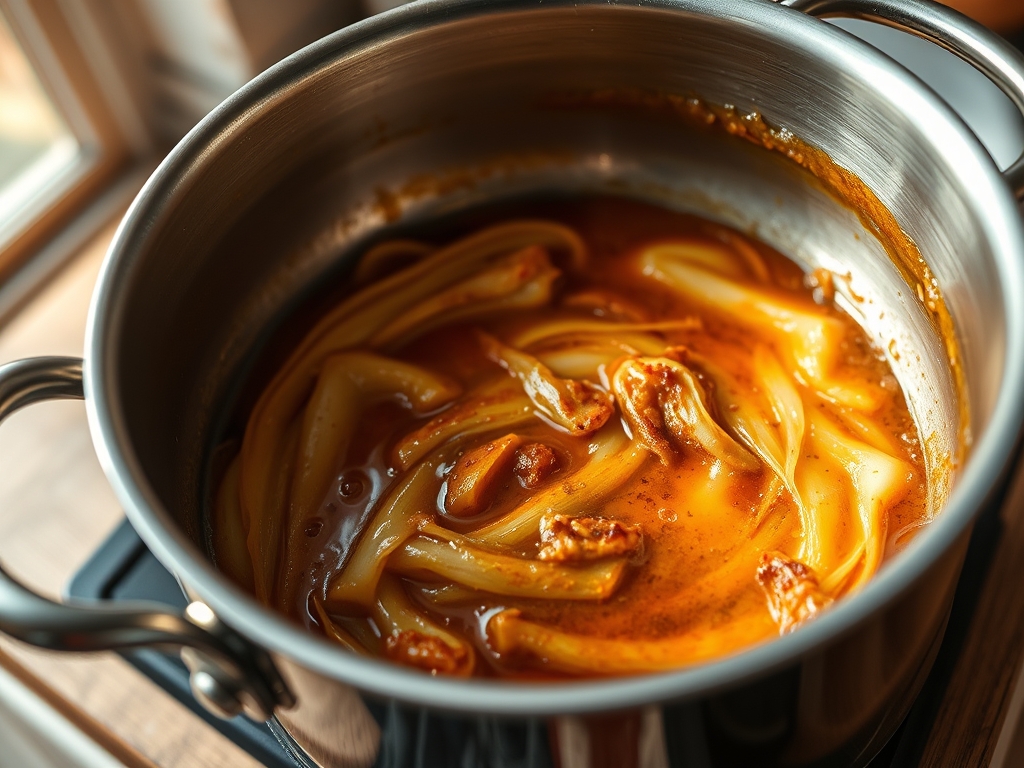
In a large stainless steel mixing bowl, combine the strained ricotta, egg, salt, pepper, and half of the Parmigiano-Reggiano. Use a whisk to aerate the mixture slightly. This creates a lighter, soufflé-like texture once baked.
Pro Tip: Use a digital scale to ensure your cheese-to-egg ratio is precise. The egg acts as a protein binder that prevents the cheese from liquefying and escaping the spiral during the thermal expansion of baking.
2. Sheet Preparation and Tensioning
Lay your par-boiled lasagna sheets on a clean work surface. Use a bench scraper to trim any ragged edges for a uniform height. Spread a thin, even layer of the ricotta emulsion across the entire surface of the noodle, leaving a 1cm margin at the top.
Pro Tip: Uniformity is king. If the cheese layer is uneven, the spiral will lean. The bench scraper is the best tool here to ensure a flat, level plane of filling before the roll begins.
3. The Vertical Alignment
Roll each sheet tightly, maintaining constant tension. Do not squeeze, or you will displace the filling. Place a layer of sauce in the bottom of a circular baking dish. Stand each roll upright, packed tightly against its neighbor.
Pro Tip: Packing the rolls tightly creates lateral pressure. This pressure ensures that as the pasta swells, it expands upward rather than outward, preserving the "honeycomb" aesthetic seen in professional culinary audits.
4. The Final Saturation
Top the vertical rolls with the remaining sauce, ensuring some falls into the gaps. Cover generously with the shredded mozzarella. The sauce should be piquant and acidic to cut through the heavy fats of the cheese.
Pro Tip: Use an offset spatula to tuck sauce into the crevices. This prevents the internal pasta walls from drying out while the exposed top edges achieve a crispy, fried texture.
5. Thermal Execution
Bake at 190C / 375F for 30 minutes covered with foil, then 15 minutes uncovered to achieve the final crust.
Pro Tip: Use an infrared thermometer to check the center of the dish. You are looking for an internal temperature of 74C / 165F to ensure the egg binder has fully set the ricotta matrix.
Section B: Prep & Timing Fault-Lines:
Timing is the silent killer of the Spiralized Lasagna. If you boil your pasta too early and let it sit, the starches will undergo retrogradation, making the sheets sticky and prone to tearing. Technical Fix: Keep boiled sheets in a single layer on parchment paper lightly brushed with olive oil. If the oven temperature is too low, the cheese will melt and run out before the pasta has a chance to bond with the sauce. Always preheat your oven for at least 20 minutes to ensure the ceramic or glass dish hits the thermal floor immediately upon entry.
THE VISUAL SPECTRUM
Section C: Thermal & Visual Troubleshooting:
Look closely at the reference image. You should see distinct, individual spirals with "burnt" or highly browned top edges. If your dish looks like a flat sea of white cheese, you have failed to achieve the necessary verticality. Uneven Browning: This usually indicates a hot spot in the oven. Rotate the dish 180 degrees halfway through the uncovered phase. Dull Colors: If the sauce looks brown rather than vibrant red, it has over-oxidized. Add a splash of balsamic vinegar or a pinch of sugar to the sauce before assembly to brighten the hue. Incorrect Texture: If the center is mushy, you likely used too much sauce between the rolls. The sauce should act as a lubricant and flavor agent, not a bath. The goal is a "crunch-to-cream" ratio that is balanced in every vertical forkful.
THE DEEP DIVE
Macro Nutrition Profile
Per serving, expect approximately 450 calories, 22g of protein, 35g of carbohydrates, and 24g of fat. The high protein content comes from the dense ricotta and egg matrix, while the fats are primarily saturated from the dairy components.
Dietary Swaps
- Vegan: Replace ricotta with a cashew-based cream infused with nutritional yeast and lemon juice. Use a flax-egg as the binder.
- Keto: Substitute pasta sheets with thinly sliced zucchini or eggplant planks. Salt the vegetables first to render out excess water to avoid a soggy base.
- Gluten-Free: Use high-quality GF lasagna sheets, but increase the sauce volume by 10% as GF pasta tends to be more hydro-absorbent.
Meal Prep & Reheating Science
To maintain the molecular structure during reheating, avoid the microwave. The microwave agitates water molecules unevenly, leading to "rubberized" pasta. Instead, use a toaster oven at 160C / 325F. Cover with foil to retain moisture, then remove for the last two minutes to re-crisp the edges. This preserves the vertical integrity and prevents the fats from separating into an oily mess.
THE KITCHEN TABLE
Why is my lasagna falling over?
The rolls are likely too loose or the baking dish is too large. The rolls must support each other. If there is a gap, fill it with extra sauce or a rolled-up piece of foil to maintain the tension.
Can I use fresh pasta?
Absolutely. Fresh pasta is superior for rolling as it is naturally more elastic. However, skip the par-boiling step and add 50ml of water to your sauce to provide the necessary hydration for the pasta to cook in the oven.
What is the best cheese for the crust?
A mix of low-moisture mozzarella for the stretch and Parmigiano-Reggiano for the salt and browning. High-moisture fresh mozzarella (fior di latte) will release too much water and ruin the crisp vertical edges of the pasta.
How do I get those crispy edges?
Position the oven rack in the top third of the oven during the final 15 minutes of baking. The proximity to the heating element accelerates the Maillard reaction on the exposed pasta tips without overcooking the base.