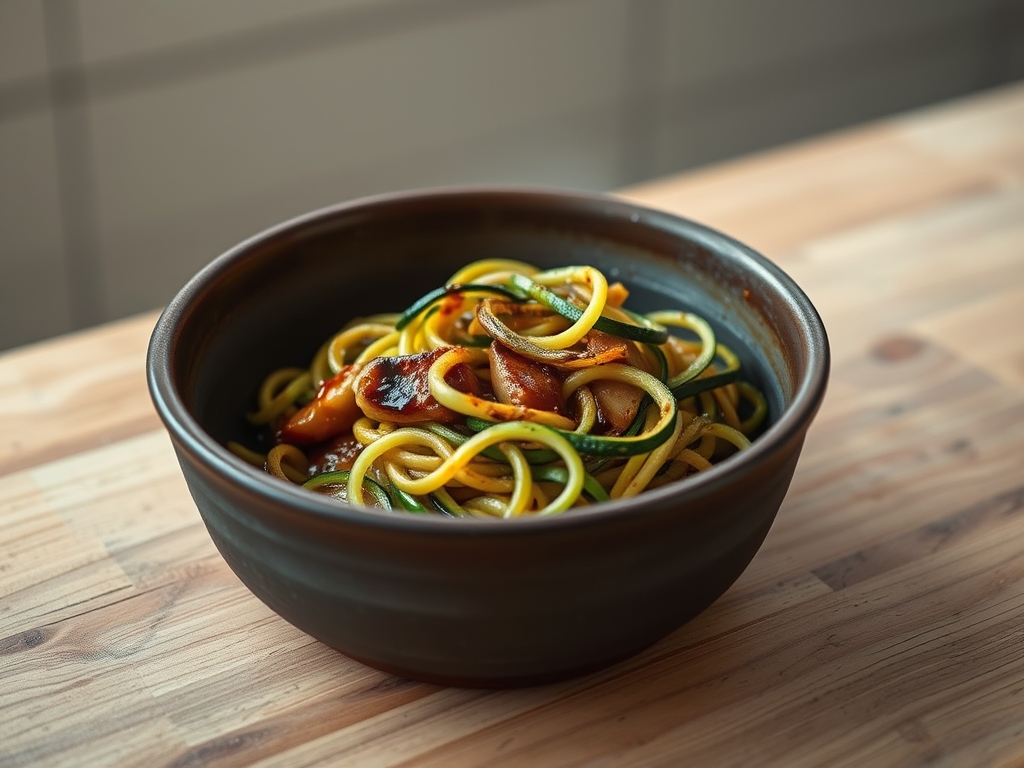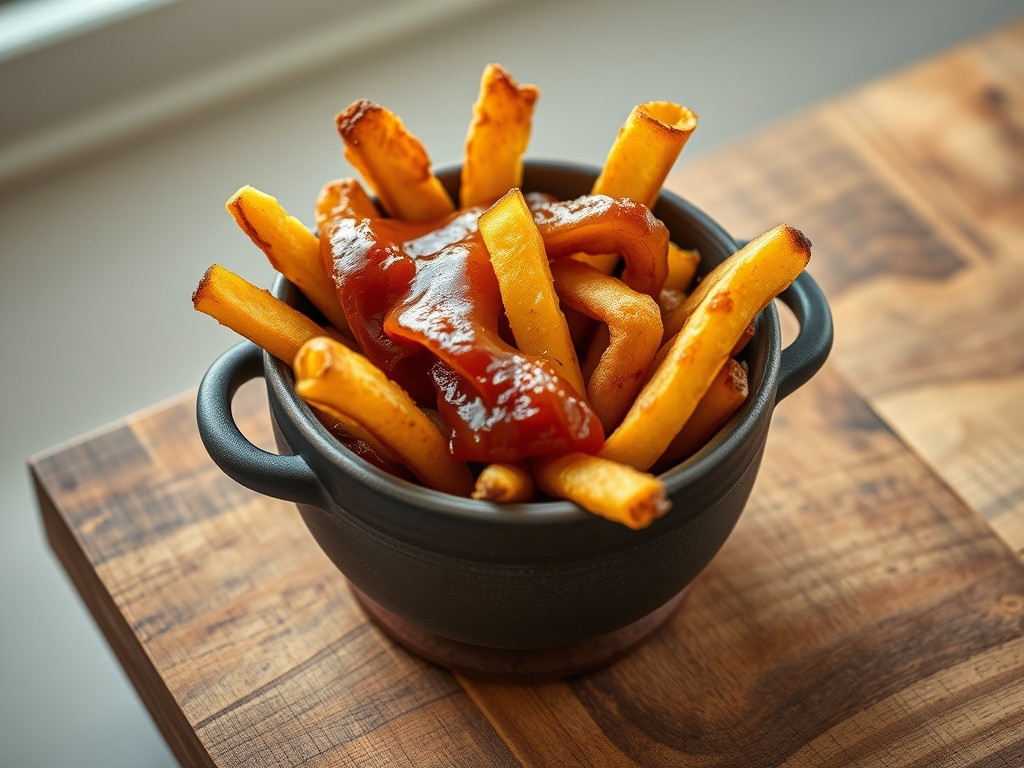
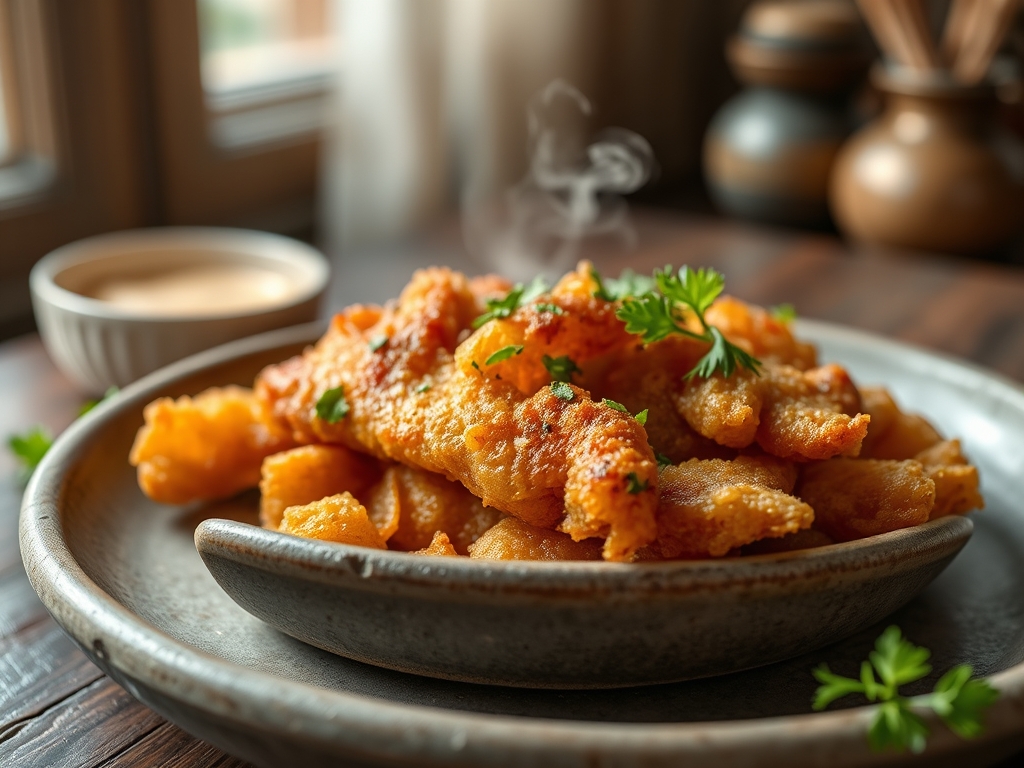
Listen up, kitchen architects. We are not just cooking; we are engineering a structural masterpiece of golden, spiraled protein. When you approach the concept of Curly Fried Fish, you must abandon the notion of a soggy, limp fillet. We are hunting for high-tensile strength in our batter and a geometric profile that maximizes surface area for the ultimate crunch. Imagine the sound of a perfectly tempered glass pane shattering; that is the auditory benchmark for the first bite of this spiral-cut whitefish. The fish is sliced into delicate, elongated ribbons that curl into tight coils when they hit the roaring heat of the oil. This is not mere aesthetics. The spiral shape creates a vortex for the batter to cling to, ensuring that every millimeter of the flesh is shielded by a viscous, carbonated shroud. We are looking for a structural integrity that defies gravity. If your batter slides off like a cheap suit, you have failed the audit. Prepare to revolutionize your deep-fryer protocol with a focus on molecular adhesion and thermal momentum.
THE DATA MATRIX
| Metric | Specification |
|---|---|
| Prep Time | 25 minutes |
| Execution Time | 15 minutes |
| Yield | 4 Servings |
| Complexity | 7/10 |
| Estimated Cost per Serving | $4.50 |
THE GATHERS
Ingredient Protocol:
- 500g / 1.1 lbs Firm Whitefish Fillets (Cod, Haddock, or Pollock)
- 125g / 1 cup All-Purpose Flour
- 60g / 0.5 cup Cornstarch (for amylopectin structure)
- 5g / 1 tsp Baking Powder (to aerate the coating)
- 250ml / 1 cup Ice-Cold Sparkling Water or Pale Ale
- 15ml / 1 tbsp Fresh Lemon Juice (to infuse acidity)
- 10g / 2 tsp Smoked Paprika (for a piquant finish)
- 5g / 1 tsp Fine Sea Salt
- 1 Liter / 4 cups High-Smoke Point Oil (Peanut or Grapeseed)
Section A: Ingredient Quality Audit:
If your fish feels "slimy" or smells excessively like the pier at low tide, your protein integrity is compromised. Freshness is the primary variable in the adhesion equation. Moisture is the enemy of the Maillard reaction. If your fillets are weeping water, the steam will push the batter away from the flesh, creating a hollow, greasy shell. Fix this by salt-curing the fish for ten minutes and then patting it bone-dry with lint-free towels. If your flour is clumped, it has absorbed ambient humidity. Sift it twice to ensure maximum oxygenation. If your sparkling water is flat, your batter will be a leaden weight rather than a light, crisp veil. Check the carbonation; if it does not sting your tongue, discard it and open a fresh bottle.
THE MASTERCLASS
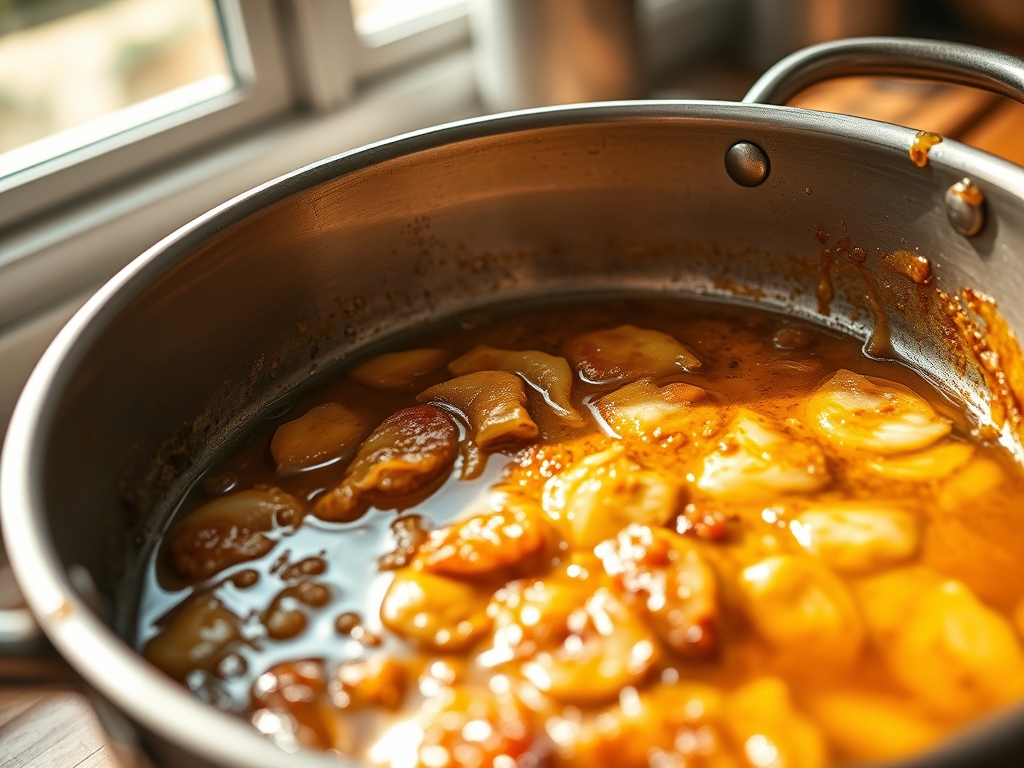
Step-by-Step Execution:
1. The Spiral Geometry Cut
Using a razor-sharp fillet knife or a specialized saucier knife, slice the whitefish into strips approximately one inch wide and six inches long. Cut on a bias to encourage the natural muscle fibers to contract.
Pro Tip: Use a bench scraper to move the delicate strips without tearing. The science here is simple; thinner strips have a higher surface-to-volume ratio, allowing the heat to render any internal moisture into steam almost instantly, which creates the "curl" effect.
2. The Dry-Dredge Foundation
Whisk together half of your flour and all the spices in a shallow tray. Toss the fish strips until they are ghost-white. Shake off every milligram of excess.
Pro Tip: A digital scale is essential here to ensure your flour-to-cornstarch ratio is exact. This dry layer acts as a molecular primer, allowing the wet batter to "grip" the protein surface through hydrogen bonding.
3. The Aerated Batter Synthesis
In a stainless steel mixing bowl, combine the remaining flour, cornstarch, and baking powder. Slowly pour in the ice-cold liquid while whisking gently. Do not overmix. Lumps are your friends.
Pro Tip: Over-whisking develops gluten, which turns your Curly Fried Fish into a rubbery tire. Keeping the liquid ice-cold slows down gluten formation and ensures that the temperature differential in the fryer causes an immediate, explosive expansion of gas.
4. The Thermal Initiation
Heat your oil in a heavy-bottomed Dutch oven until it reaches 180C / 350F. Dip the floured fish into the wet batter and immediately drop it into the oil using a "swimming" motion.
Pro Tip: Use an infrared thermometer to monitor the oil. When the batter hits the oil, the water evaporates instantly, creating a protective steam barrier that prevents the oil from soaking into the fish. This is the physics of "flash-frying."
5. The Recovery and Rest
Fry for 3 to 4 minutes until the spirals are golden and rigid. Remove with a wire spider and place on a cooling rack.
Pro Tip: Never rest fried food on paper towels. It creates a localized steam environment that softens the bottom of the fish. A cooling rack allows air to circulate, maintaining the structural integrity of the batter.
Section B: Prep & Timing Fault-Lines:
The most common human error is "crowding the pot." If you drop ten pieces of cold fish into the oil at once, the temperature will plummet. This leads to oil absorption and a greasy, failed audit. Fry in small batches. Another timing error is letting the battered fish sit on the counter. The batter will begin to hydrate the flour, losing its crisp potential. It must go from batter to oil in under five seconds. If your oil is too hot, the outside will burn before the spiral center is cooked. If it is too cold, you are essentially poaching the fish in grease.
THE VISUAL SPECTRUM
Section C: Thermal & Visual Troubleshooting:
Referencing our Masterclass photo, your Curly Fried Fish should exhibit a "craggy" topography. If the surface is smooth like a pancake, your batter was too thin; add a tablespoon of flour to increase the viscous nature of the mix. If the color is pale and anemic, your oil temperature was too low, or you lacked enough reducing sugars (paprika/flour) for the Maillard reaction. The "curls" should be tight. If they are straight, your strips were cut too thick or against the grain. Look for the tiny bubbles trapped in the crust; these are the remnants of the carbonation, indicating a light, airy texture.
THE DEEP DIVE
Macro Nutrition Profile:
A standard serving contains approximately 350 calories, 18g of fat, 22g of carbohydrates, and 28g of protein. The high protein content comes from the whitefish, while the fat is primarily from the frying medium.
Dietary Swaps:
- Vegan: Use firm tofu or banana blossoms sliced into ribbons. Replace the egg-wash (if used) with a flax-slurry.
- Keto: Swap flour for almond flour and crushed pork rinds. Use unflavored sparkling water.
- GF: Utilize a 1:1 gluten-free flour blend with extra cornstarch or rice flour for maximum crunch.
Meal Prep & Reheating Science:
Fried fish is notoriously difficult to meal prep. To maintain molecular structure, do not microwave. Reheat in an air fryer or oven at 200C / 400F for 5 minutes. This re-activates the fats and drives out any absorbed atmospheric moisture, returning the batter to its original tensile strength.
THE KITCHEN TABLE
Why is my fish soggy after five minutes?
Steam is escaping from the fish and hitting the crust. Ensure your fish is bone-dry before dredging and use a cooling rack to allow that steam to dissipate into the air instead of the batter.
Can I use frozen fish for this?
Yes, but the audit requires a full thaw. Frozen fish contains excess ice crystals that will rupture the cell walls, leading to a "watery" interior that will compromise your batter adhesion.
What is the best oil for curly frying?
Peanut oil is the gold standard due to its high smoke point and neutral flavor. It allows the piquant spices in the batter to shine without adding a heavy, greasy aftertaste.
Why did my batter fall off in the fryer?
You skipped the dry-dredge primer or your oil wasn't hot enough. The dry flour layer is the "glue" that binds the wet batter to the protein during the initial thermal shock.