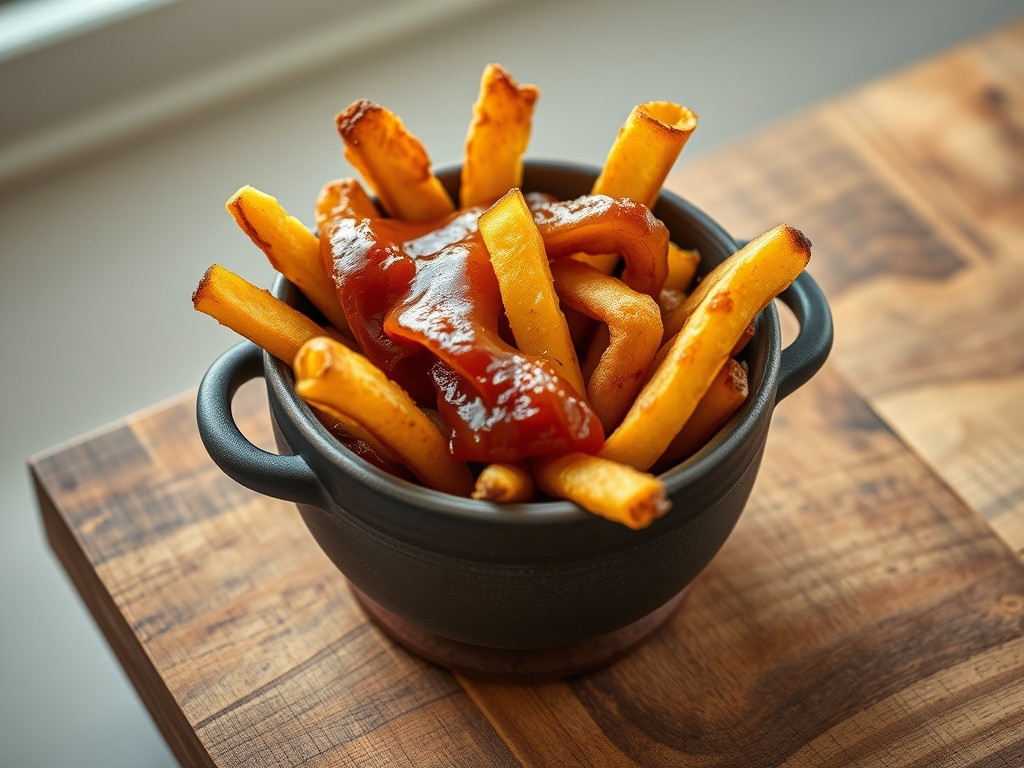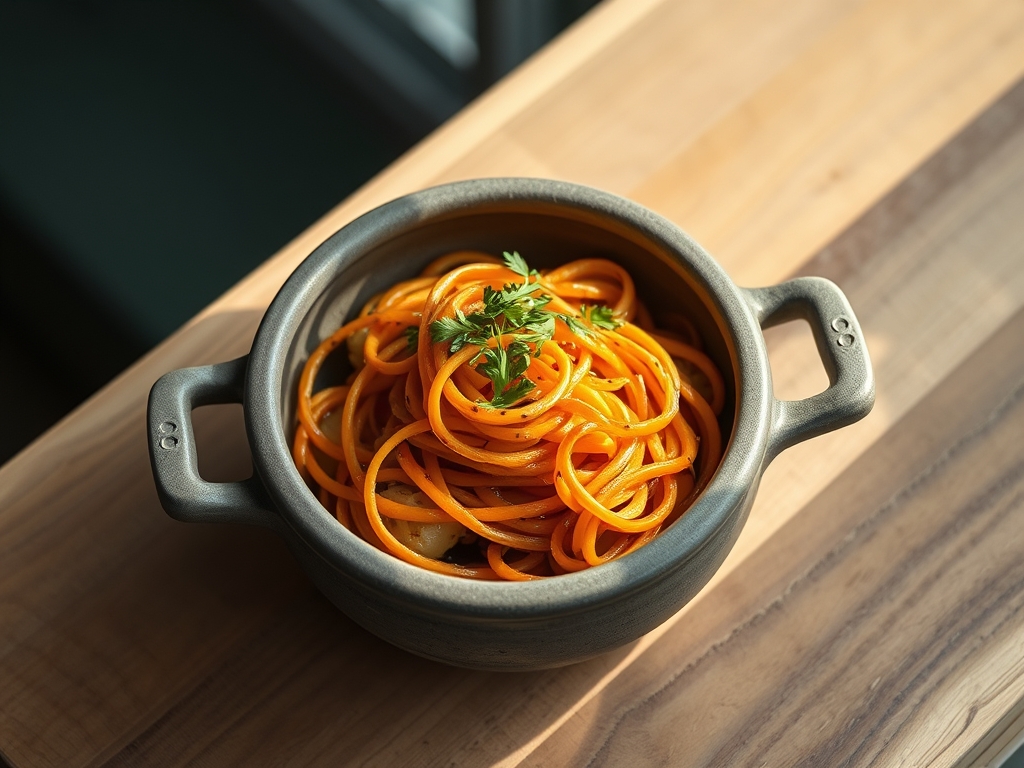
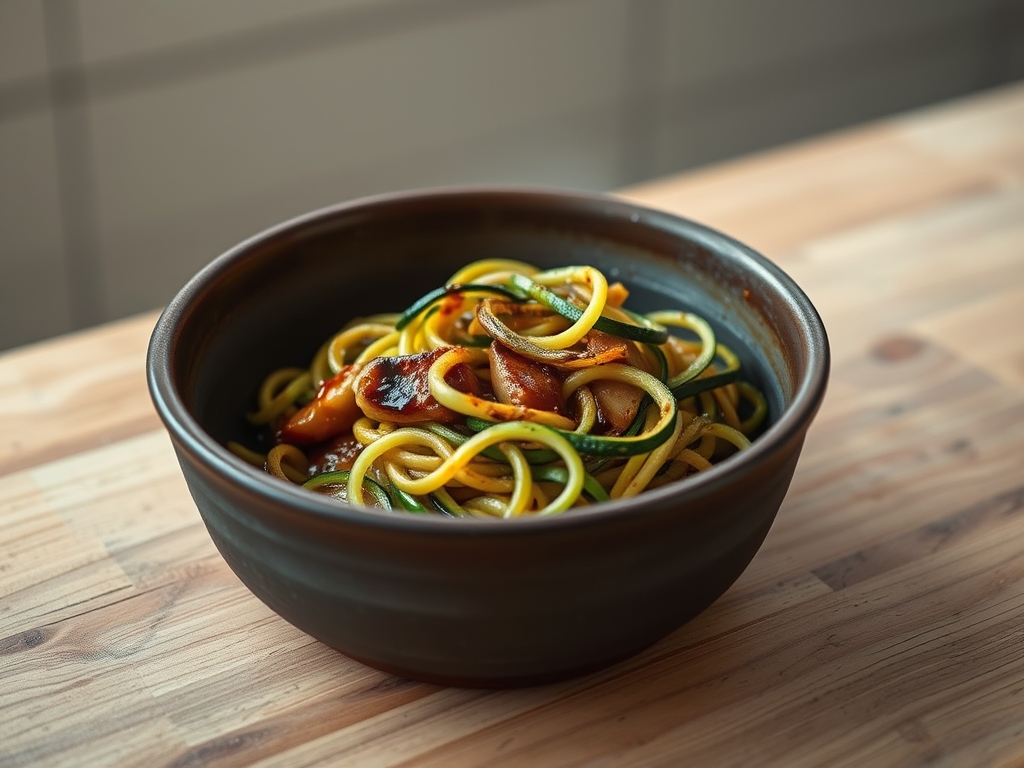
Listen to the sound of structural collapse. It is the wet, pathetic thud of an over-boiled vegetable hitting a ceramic plate. We are here to prevent that tragedy. When we discuss Zucchini Zoodles, we are not merely talking about a pasta substitute; we are engineering a masterpiece of structural cellulose curving. The goal is a perfect balance between crunch and tenderness, a feat achieved only through meticulous moisture management and precise thermal application. Most home cooks fail because they treat the zucchini like a grain. It is not a grain. It is a high-moisture botanical vessel waiting to dump its cellular contents into your sauce, turning a vibrant meal into a swampy mess. We demand better. We demand a noodle that maintains its integrity under the weight of a piquant pomodoro or a viscous pesto. This audit will strip away the myths of the "soggy squash" and replace them with the cold, hard science of culinary infrastructure. Prepare your workstations. We are about to render the mundane extraordinary through the power of mechanical spiralization and osmotic pressure.
THE DATA MATRIX
| Metric | Specification |
|---|---|
| Prep Time | 15 Minutes |
| Execution Time | 5 Minutes |
| Yield | 2 Servings |
| Complexity (1-10) | 3 |
| Estimated Cost per Serving | $2.45 USD |
THE GATHERS
Ingredient Protocol:
- 500g / 2 Large Firm Zucchini (Cucurbita pepo)
- 15ml / 1 tbsp Extra Virgin Olive Oil
- 10g / 2 tsp Kosher Salt (for moisture extraction)
- 3g / 1 tsp Freshly Cracked Black Pepper
- 20g / 3 cloves Garlic, microplaned
- 30ml / 2 tbsp Fresh Lemon Juice
- 5g / 1/4 cup Fresh Basil, chiffonade
- 45g / 0.5 cup Freshly Grated Parmigiano-Reggiano
Section A: Ingredient Quality Audit:
The primary failure point in this protocol is the selection of the raw material. If your zucchini feels soft or exhibits a dull, matte skin, it has already lost its turgor pressure. This results in a "mushy" noodle regardless of your cooking technique. To fix this, always select specimens that are heavy for their size and possess a vibrant, glossy exterior. If you are forced to use sub-par, older squash, soak them in an ice bath for 20 minutes before processing. This rehydrates the cellular walls through osmosis, providing a temporary boost to the vegetable's structural integrity. Furthermore, avoid "jumbo" zucchini. These oversized variants contain massive seed pockets that lack the density required for a clean spiralized cut. Stick to medium-sized fruits for the highest yield of usable "noodles."
THE MASTERCLASS
1. Mechanical Spiralization and Calibration
Secure your spiralizer to a flat, non-porous surface. Trim the ends of the zucchini to create flat surfaces for the spindle to grip. Using consistent, moderate pressure, rotate the handle to produce long, continuous strands. Use a bench scraper to move the finished noodles to a large mixing bowl.
Pro Tip: The science of "mouthfeel" depends on uniformity. If your strands vary in thickness, they will cook unevenly. Use a digital scale to ensure you have exactly 500g of processed material, which allows for predictable seasoning ratios.
2. The Osmotic Draw-Down
Spread the Zucchini Zoodles across a baking sheet lined with triple-layered paper towels. Sprinkle the kosher salt evenly over the strands. Let the mixture sit for 10 minutes. You will observe beads of water forming on the surface as the salt draws out excess moisture from the vacuoles.
Pro Tip: This is the most critical step. By removing excess water before the squash hits the pan, you prevent the "steaming" effect that leads to limp noodles. This ensures the oil can properly coat and sear the exterior.
3. Thermal Integration
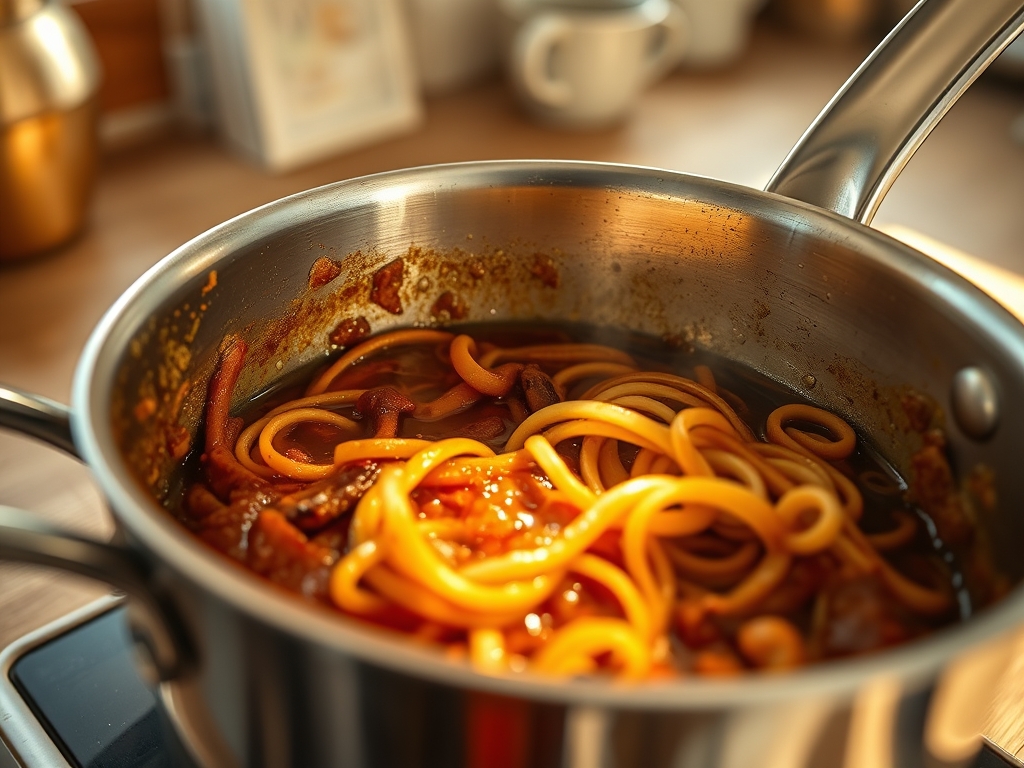
Heat a stainless steel saucier or wide skillet over medium-high heat. Add the olive oil. Once the oil begins to shimmer, add the garlic and sauté for 30 seconds until fragrant but not browned. Pat the zoodles dry one last time and drop them into the pan.
Pro Tip: High heat is your ally. You want to flash-cook the noodles to infuse them with flavor without breaking down the cellulose. A wide pan provides more surface area, allowing steam to escape rapidly rather than condensing back onto the food.
4. Emulsification and Finishing
Toss the noodles constantly using silicone-tipped tongs for no more than 2 to 3 minutes. Add the lemon juice to deglaze any garlic sugars sticking to the pan. Remove from heat immediately. Fold in the basil and Parmigiano-Reggiano, allowing the residual heat to create a viscous coating.
Pro Tip: Overcooking by even 60 seconds will result in a total structural failure. The cheese acts as a stabilizer; its proteins and fats bind with the remaining vegetable juices to create a light, emulsified sauce that clings to the spiralized curves.
Section B: Prep & Timing Fault-Lines:
The most common human error is the "Wait Time Trap." If you leave salted zoodles for more than 20 minutes, they will become overly dehydrated and tough. Conversely, if you skip the salting entirely, the pan temperature will plummet as soon as the water-heavy squash hits the oil, resulting in a boiled texture. Another fault-line is the "Crowded Pan Syndrome." If you attempt to cook more than 500g of noodles in a standard skillet, the bottom layer will turn to mush before the top layer even warms. Work in batches to maintain a high-energy thermal environment.
THE VISUAL SPECTRUM
Section C: Thermal & Visual Troubleshooting:
Review the Masterclass photo. Note the vibrant, neon-green hue and the distinct separation of the strands. If your dish looks dull or olive-drab, you have over-acidified the pan too early or cooked it too long, causing the chlorophyll to degrade. If the noodles appear translucent rather than opaque, the cellular walls have collapsed. To fix a "wet" look, increase your heat and decrease your cook time. If you see uneven browning on the garlic, it means your heat distribution was inconsistent; ensure your pan is fully preheated before adding the oil. The goal is a glistening, aerated pile of noodles that holds its shape vertically on the plate.
THE DEEP DIVE
Macro Nutrition Profile:
A standard serving of these Zucchini Zoodles contains approximately 95 calories, 7g of healthy fats, 5g of net carbohydrates, and 4g of protein. It is a micronutrient powerhouse, offering significant doses of Vitamin C, Vitamin A, and Potassium without the glycemic load of traditional pasta.
Dietary Swaps:
For a Vegan profile, substitute the Parmigiano-Reggiano with nutritional yeast or a cashew-based "parmesan." The dish is naturally Keto and Gluten-Free. To add bulk for a non-vegan version, render some pancetta in the pan before adding the garlic to infuse the noodles with animal fats.
Meal Prep & Reheating Science:
Zucchini Zoodles do not tolerate traditional reheating well because the microwave further ruptures the cell membranes. If you must meal prep, store the spiralized squash raw and salted in a perforated container. When ready to eat, flash-sauté them fresh. If reheating cooked zoodles, use a dry pan over high heat for 60 seconds to re-evaporate any moisture that seeped out during refrigeration.
THE KITCHEN TABLE
Why are my zoodles always watery?
You likely skipped the osmotic salt treatment. Salting the raw strands for 10 minutes and patting them dry is the only way to prevent the squash from releasing its internal reservoir into your sauce during the heating phase.
Can I use a vegetable peeler instead?
Yes, but you will produce "ribbons" rather than "noodles." This increases the surface area significantly, meaning they will cook even faster. Reduce your sauté time by 50 percent to avoid creating a pile of vegetable mush.
What is the best sauce for this structure?
Light, oil-based or cream-based sauces work best. Heavy, water-based tomato sauces can overwhelm the delicate noodles. Aim for a viscous consistency that coats the strands rather than a thin liquid that pools at the bottom of the bowl.
Should I peel the zucchini first?
Absolutely not. The skin provides the structural "skeleton" for the noodle. Removing the skin removes the fiber that keeps the strand from disintegrating. Plus, the skin contains the majority of the vegetable's fat-soluble vitamins and vibrant color.