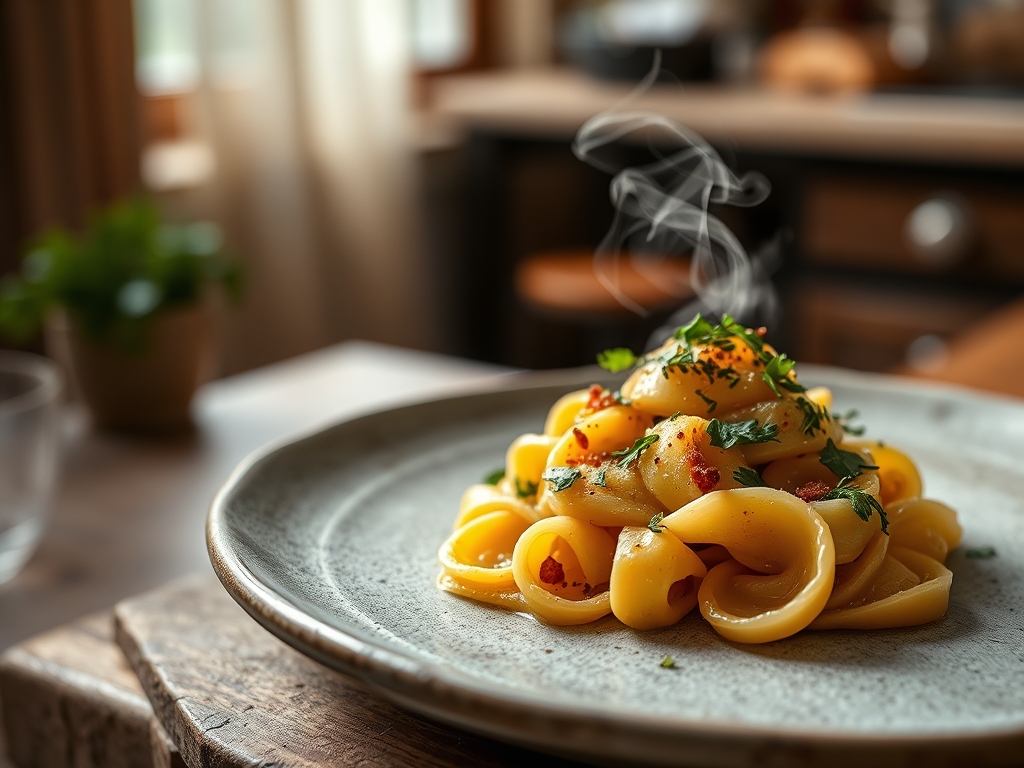
Listen up, culinary architects. We are not just boiling water; we are engineering a masterpiece of fluid dynamics and structural integrity. Imagine the scene: a gleaming copper pot surging with salted water while the air thickens with the scent of toasted garlic and emulsified fats. This is the realm of Curly Campanelle. These are not mere noodles; they are cone-shaped helical conduits designed to capture, hold, and deliver sauce with the efficiency of a high-pressure hydraulic system. Each ruffle is a calculated ridge intended to maximize surface area, ensuring that every bite is a perfect ratio of starch to silk. We are looking for that specific, viscous cling that only a fluted edge can provide. When you toss Curly Campanelle into a hot saucier, you are witnessing the intersection of geometry and gastronomy. The goal is a dish so vibrant it vibrates on the plate; a golden, shimmering testament to the power of the Maillard reaction and the magic of starchy pasta water. Strap in, because we are about to audit your kitchen infrastructure from the ground up.
THE DATA MATRIX
| Metric | Specification |
|---|---|
| Prep Time | 15 Minutes |
| Execution Time | 20 Minutes |
| Yield | 4 Servings |
| Complexity | 4 / 10 |
| Estimated Cost per Serving | $3.50 |
THE GATHERS
Ingredient Protocol:
- 500g / 1.1 lbs Curly Campanelle (Bronze-die extruded for maximum texture)
- 60ml / 4 tbsp Extra Virgin Olive Oil (High polyphenol count)
- 4 cloves / 20g Fresh Garlic (Slivered into translucent sheets)
- 5g / 1 tsp Red Chili Flakes (To infuse the lipid base)
- 200ml / 0.85 cups Heavy Cream (Minimum 36 percent milkfat)
- 100g / 1 cup Parmigiano Reggiano (Aged 24 months, finely grated)
- 50g / 2 oz Unsalted Butter (Cold, cubed for mounting)
- 10g / 0.5 cups Fresh Italian Parsley (Chiffonade)
- 5g / 1 tsp Maldon Sea Salt (For finishing)
Section A: Ingredient Quality Audit:
If your garlic is sprouting green embryos, discard them immediately. These "germs" introduce a bitter, acrid profile that will sabotage your aromatic base. If your Parmigiano smells like a locker room rather than toasted nuts, the fat has likely oxidized; replace it with a fresh wedge. For those stuck with low-quality, "slick" pasta that lacks a dusty, floury exterior, you must compensate by reducing your sauce further. Smooth pasta lacks the micro-ridges necessary for mechanical adhesion, so you will need to increase the viscosity of your liquid phase to ensure the sauce does not simply slide off the Curly Campanelle and pool at the bottom of the bowl.
THE MASTERCLASS
Step-by-Step Execution:
1. The Hydration Phase
Bring 4 liters of water to a rolling boil in a heavy-bottomed stockpot. Season with 30g of kosher salt until it tastes like the Mediterranean. Drop the Curly Campanelle and set your digital timer for two minutes less than the package instructions.
Pro Tip: Use a digital scale to weigh your salt. The salinity of the water is the only chance you have to season the interior of the pasta helix. This is the foundation of your flavor profile.
2. The Aromatic Infusion
While the pasta hydrates, place a stainless steel saucier over medium-low heat. Add the olive oil and slivered garlic. You are not looking to brown the garlic; you want to render the aromatic oils into the lipid base until the garlic is translucent and fragrant. Add the chili flakes to infuse the oil with a piquant heat.
Pro Tip: A saucier with rounded bottom edges is superior to a straight-sided skillet because it prevents garlic from getting trapped and burning in the corners.
3. The Emulsion Bridge
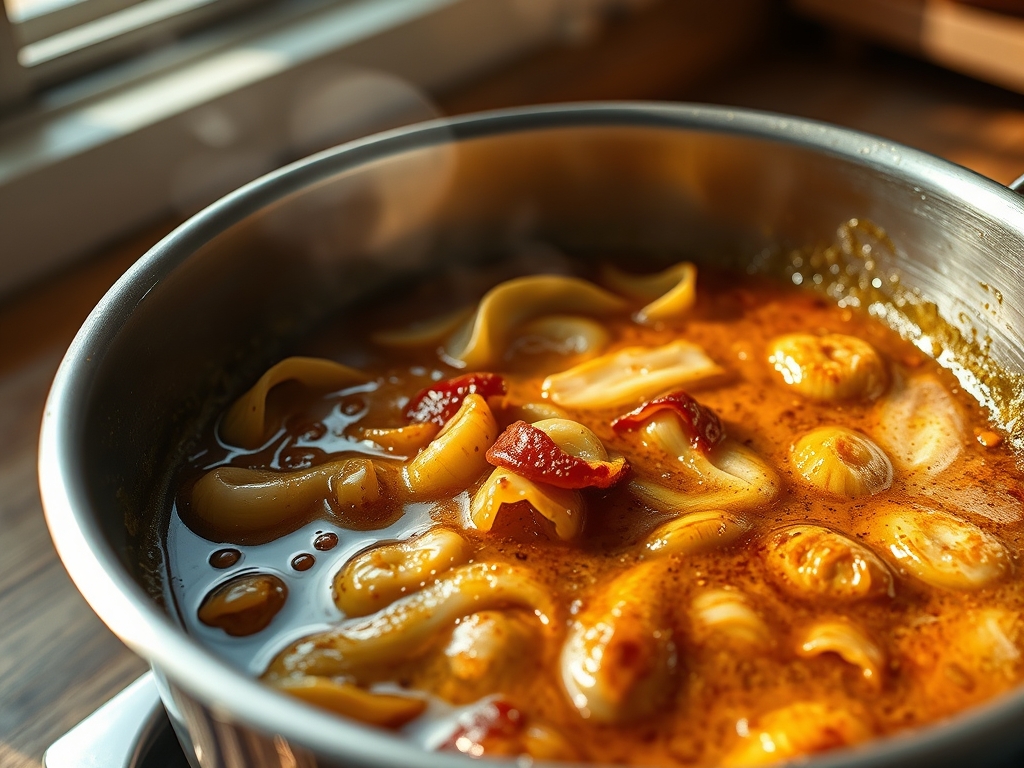
Ladle 120ml of the starchy pasta water into the saucier. Increase the heat to medium-high and whisk vigorously. The starch acts as a surfactant, allowing the oil and water to marry into a cloudy, stable emulsion. Add the heavy cream and bring to a simmer to slightly aerate and thicken the mixture.
Pro Tip: This is the "Pasta Water Insurance Policy." The starch molecules are essential for creating a viscous coating that clings to the Curly Campanelle.
4. The Marriage of Elements
Using a spider or slotted spoon, transfer the pasta directly from the water to the saucier. Do not drain it in a colander; you want that residual moisture. Toss the pasta aggressively to coat every ruffle. Add the cold butter cubes and the grated cheese.
Pro Tip: Use a bench scraper to clean your board of any leftover cheese or herbs to ensure zero waste. The cold butter creates a "montee au beurre," resulting in a glossy, professional finish.
5. The Final Calibration
If the sauce looks too thick, add another splash of pasta water. If it is too thin, keep tossing over the heat. The Curly Campanelle will continue to absorb liquid as it sits. Finish with the fresh parsley and a final drizzle of premium oil.
Pro Tip: Professional chefs use a "mantecare" technique, which is a vigorous tossing motion that incorporates air and helps the cheese fuse with the sauce without clumping.
Section B: Prep & Timing Fault-Lines:
The most common failure in this workflow is the "Starch Gap." If you drain your pasta and let it sit in a colander, the surface starches will cool and set, turning your Curly Campanelle into a gummy mass. You must move directly from the pot to the pan. Furthermore, if your heat is too high when adding the cheese, the proteins will denature and clump, leaving you with "stringy" grease instead of a smooth sauce. Control your thermal energy; turn the flame off before the final cheese incorporation.
THE VISUAL SPECTRUM
Section C: Thermal & Visual Troubleshooting:
Look at the Masterclass photo above. Notice the "Golden Hour" glow of the sauce? If your dish looks dull or grey, you likely under-seasoned the water or failed to properly deglaze the pan with the pasta water. If the Curly Campanelle appears "naked" with sauce pooling at the bottom, your emulsion broke. This happens when the ratio of fat to water is skewed. To fix this, add a tablespoon of hot pasta water and whisk like your reputation depends on it. The visual cue for success is a "tight" sauce that fills the hollow centers of the pasta cones without dripping excessively.
THE DEEP DIVE
Macro Nutrition Profile:
A standard serving of this Curly Campanelle infrastructure provides approximately 650 calories. You are looking at 85g of carbohydrates for glycogen replenishment, 22g of protein from the durum wheat and Parmigiano, and 28g of fats. It is a high-octane fuel source designed for performance.
Dietary Swaps:
- Vegan: Swap the cream for full-fat oat milk and the butter for a high-quality cashew-based fermented "butter." Use nutritional yeast and miso paste to replicate the umami of the Parmigiano.
- Keto/GF: While the helical flow of Curly Campanelle is hard to replicate, a cauliflower-based gnocchi or a high-protein chickpea pasta can serve as a substitute, though the starch content will be lower, requiring a touch of xanthan gum for thickening.
Meal Prep & Reheating Science:
To maintain molecular structure when reheating, avoid the microwave. The localized agitation of water molecules will turn the pasta to mush. Instead, use a small skillet with two tablespoons of water or milk. Cover and heat gently; this re-steams the pasta and re-emulsifies the fats without breaking the delicate ruffles of the Curly Campanelle.
THE KITCHEN TABLE
Why use Curly Campanelle instead of Penne?
The architecture of the campanelle cone creates a "sauce trap" that holds liquid internally. Penne is a simple cylinder; campanelle is a complex helical scoop. It provides a superior flavor-to-starch ratio in every single bite.
My sauce is oily and separating. What happened?
The emulsion broke because the heat was too high or there was not enough starchy water. Remove from heat, add a splash of cold water, and whisk aggressively to re-bind the fats to the starch molecules.
Can I use pre-grated cheese from a green can?
Absolutely not. Pre-grated cheeses are coated in cellulose to prevent clumping. This anti-caking agent will prevent the cheese from melting into the sauce, resulting in a gritty, sandy texture that ruins the mouthfeel.
How do I get that "glossy" restaurant look?
The secret is the "montee au beurre." Adding cold, cubed butter at the very end of the process creates a stable, shimmering emulsion that coats the Curly Campanelle in a professional, light-reflecting sheen.