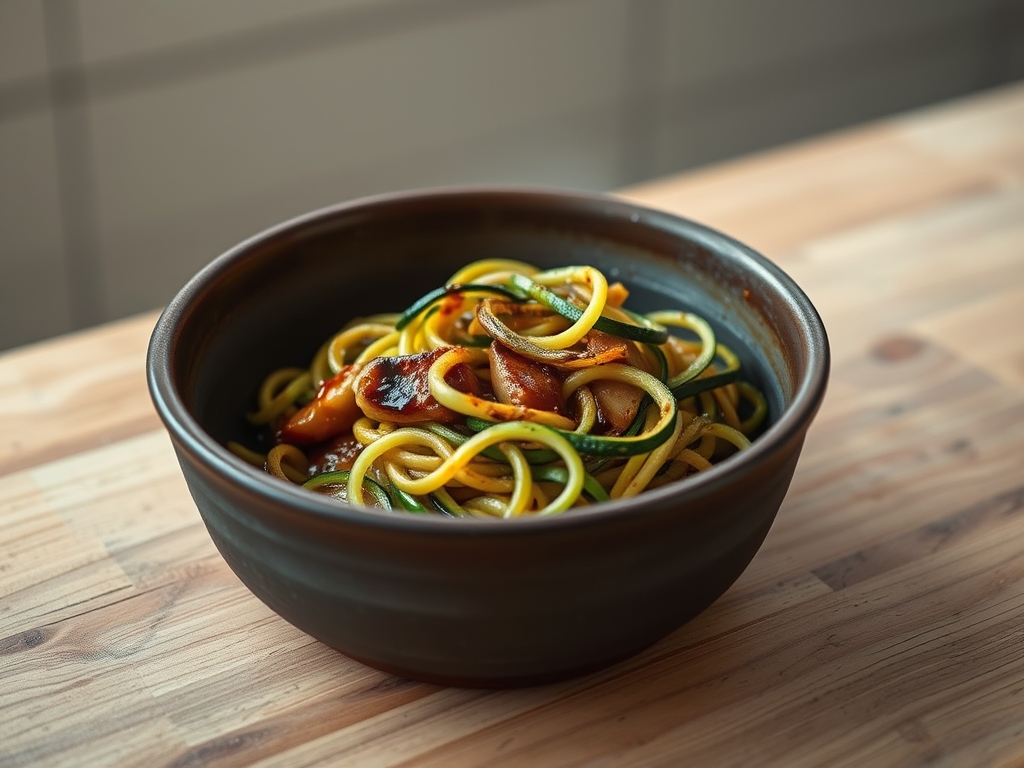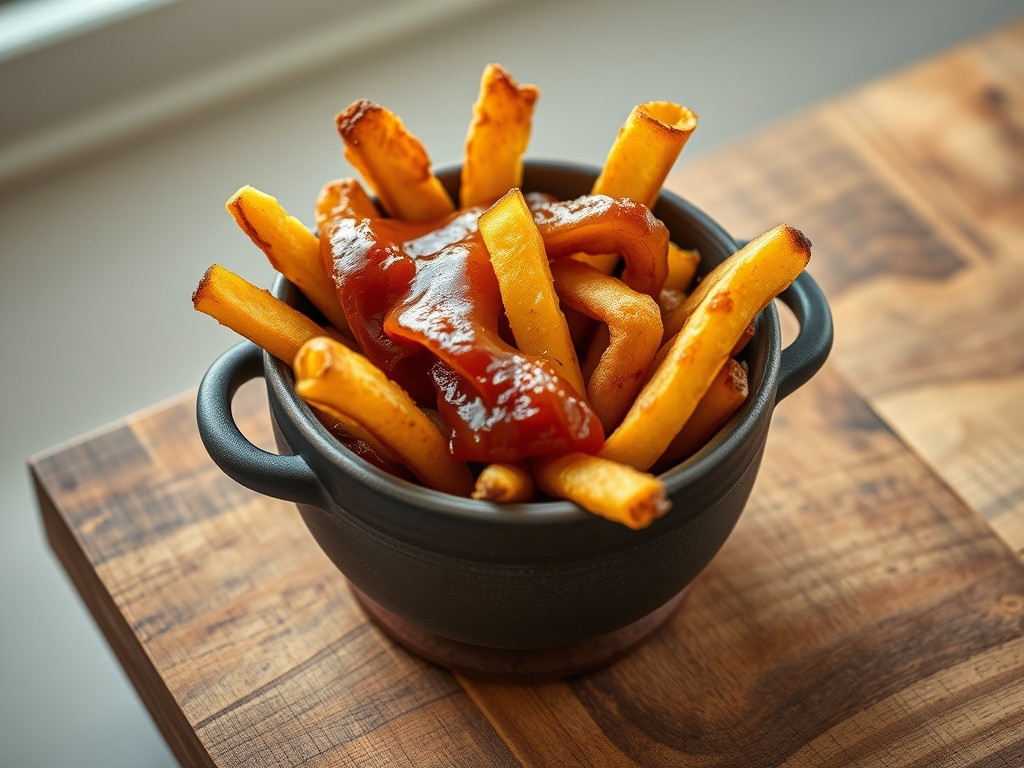
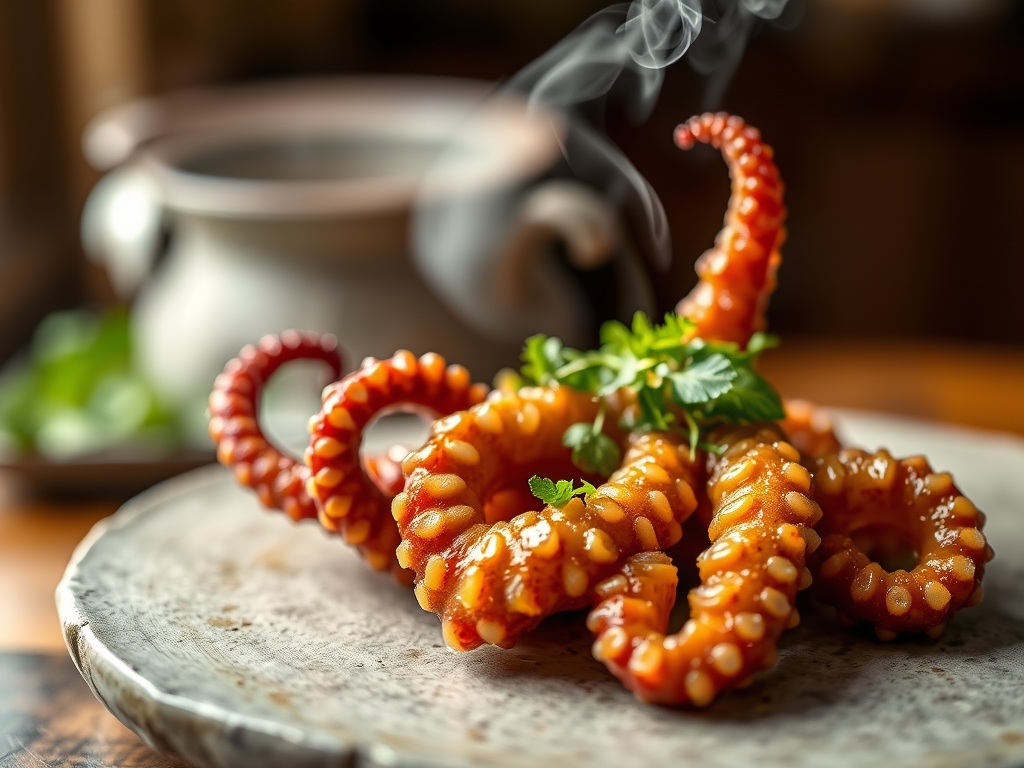
Listen up; the kitchen is not a playground. It is a high-stakes laboratory where heat is the primary catalyst for structural transformation. Today, we are auditing the most temperamental protein in the oceanic inventory. We are talking about the chaotic, coiled majesty of Curly Octopus Tentacles. When raw, these cephalopod limbs are a gelatinous mess of loose collagen and water. They lack discipline. However, when subjected to the correct thermal infrastructure, they undergo a radical cellular migration. The muscle fibers shrink, the skin renders into a viscous lacquer, and the suckers crisp into architectural masterpieces. This is not just cooking; it is the engineering of texture. We are aiming for that precise moment where the interior reaches a butter-soft tenderness while the exterior achieves a charred, smoky armor. If you miss the mark, you end up with rubber bands. If you hit it, you have achieved culinary transcendence. Strap in and calibrate your sensors. We are about to turn these cephalopod coils into a gold-standard protein delivery system.
THE DATA MATRIX
| Metric | Specification |
|---|---|
| Prep Time | 20 Minutes |
| Execution Time | 90 Minutes |
| Yield | 4 Servings |
| Complexity (1-10) | 8 |
| Estimated Cost per Serving | $14.50 USD |
THE GATHERS
Ingredient Protocol:
- 1.5 kg / 3.3 lbs Fresh or Flash-Frozen Octopus (Large Tentacles)
- 500 ml / 2 cups Dry White Wine (Acidic Profile)
- 30 ml / 2 tbsp Extra Virgin Olive Oil (High Phenolic Content)
- 15 g / 1 tbsp Smoked Paprika (Pimenton de la Vera)
- 4 Large Cloves Garlic (Crushed)
- 10 g / 2 tsp Sea Salt (Flaky Texture)
- 5 g / 1 tsp Black Peppercorns (Whole)
- 2 Large Lemons (Zested and Juiced)
Section A: Ingredient Quality Audit:
If your raw material arrives smelling like a stagnant pier, your audit has failed before it began. Freshness is binary. If the octopus is slimy or emits a pungent ammonia scent, reject the shipment. For those using frozen stock, ensure it was flash-frozen at the source; this actually aids the process by breaking down tough connective tissues via ice crystal formation. If the tentacles appear "bleached" or pale, they may have been treated with phosphates to retain water weight. This will result in a soapy aftertaste and poor browning. To fix a slightly tough specimen, you can utilize a mechanical tenderizer or a brief soak in milk to let the lactic acid begin the breakdown of the collagen sheath.
THE MASTERCLASS
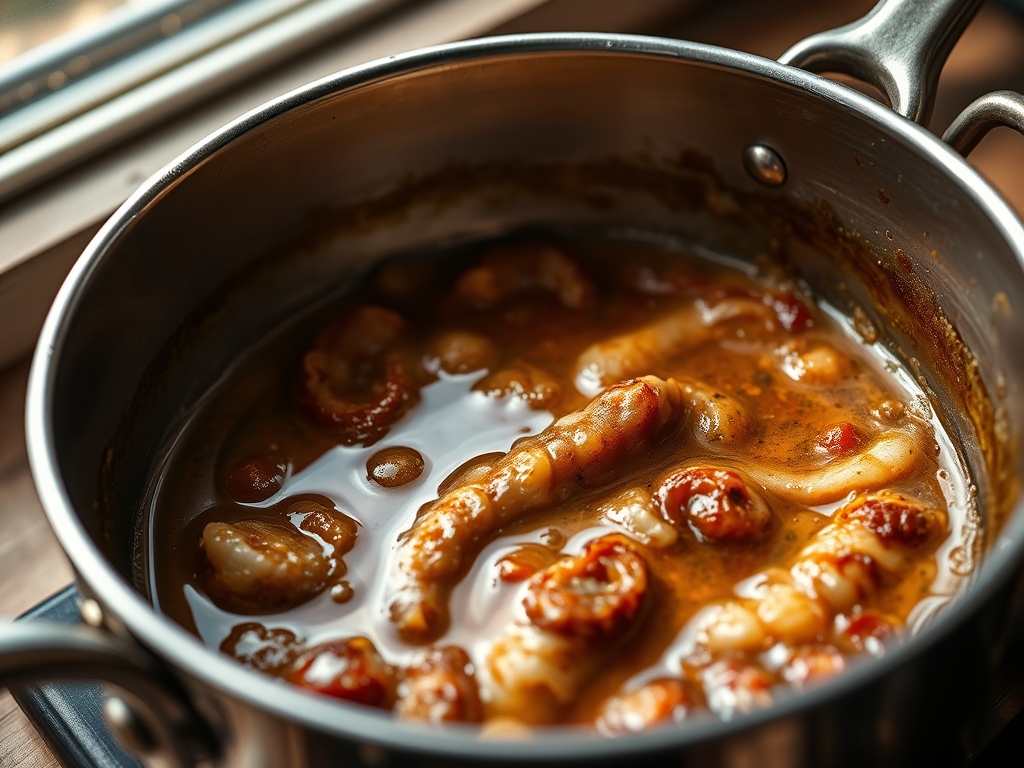
1. The Low-Moisture Braise
Place the tentacles into a heavy-bottomed saucier or Dutch oven. Do not add water. Octopus is roughly 80 percent liquid; as it heats, it will release its own liquor to create a concentrated poaching environment. Add the wine, garlic, and peppercorns. Cover tightly and simmer at a low frequency for 60 to 75 minutes.
Pro Tip: The science here involves the slow conversion of collagen into gelatin. Using a digital thermometer, ensure the liquid stays between 180F and 190F. Boiling will cause the muscle fibers to seize and toughen permanently.
2. The Cooling Phase and Texture Set
Once a paring knife slides into the thickest part of the tentacle with zero resistance, remove from heat. Let the octopus cool completely in its own liquid. This allows the protein to reabsorb the viscous juices and prevents the skin from peeling off during the final sear.
Pro Tip: Use a bench scraper to clean your workstation while you wait. Cooling is a critical infrastructure step; if you sear a hot octopus, the skin will slough off like wet tissue paper.
3. The High-Heat Char Execution
Pat the tentacles bone-dry with lint-free towels. Toss them in a bowl with olive oil and smoked paprika. Fire up a cast-iron skillet or a heavy-duty grill until it reaches a state of shimmering heat. Sear the tentacles for 2 to 3 minutes per side until the edges are blackened and the suckers are crispy.
Pro Tip: This is the Maillard reaction in its purest form. Use a digital scale to weigh down the tentacles with a second heavy pan to ensure maximum surface contact with the heat source.
4. The Acidic Finish and Emulsification
Remove the tentacles from the heat and immediately douse them with fresh lemon juice and a final drizzle of olive oil. The residual heat will help the oil and juice emulsify into a light, piquant dressing that clings to the charred coils.
Pro Tip: Use a microplane to grate fresh zest over the dish at the very last second. The volatile oils in the lemon zest provide a high-frequency aromatic lift that cuts through the rich, smoky fats.
Section B: Prep & Timing Fault-Lines:
The most common human error is the "Anxious Peek." Every time you lift the lid during the braising phase, you lose steam and drop the internal temperature, extending your timeline and risking a rubbery result. Another critical failure is the "Wet Sear." If the octopus is even slightly damp when it hits the pan, it will steam rather than char. This results in a grey, unappealing texture. Use a hair dryer on a cool setting if you must; moisture is the enemy of the crust.
THE VISUAL SPECTRUM
Section C: Thermal & Visual Troubleshooting:
Referencing the Masterclass photo above, observe the deep mahogany hue of the skin. If your tentacles look pale or pink, you have not achieved sufficient caramelization. This usually stems from a pan that wasn't hot enough or a lack of oil. If the suckers are falling off, you overcooked the braise; the collagen "glue" has completely dissolved. To fix a dull appearance, infuse your finishing oil with a pinch of paprika to add a vibrant, sunset-orange glow. If the coils are unevenly browned, it means the tentacle's natural curve prevented contact with the pan; use a weight or press down firmly with a spatula to force the geometry into compliance.
THE DEEP DIVE
Macro Nutrition Profile:
Octopus is a lean, high-density protein source. A standard 150g serving provides approximately 25g of protein, 2g of fat, and 0g of carbohydrates. It is exceptionally high in Vitamin B12, selenium, and iron, making it a functional powerhouse for muscle recovery and neurological health.
Dietary Swaps:
- Vegan: Replace octopus with King Oyster Mushroom stalks, scored and braised in seaweed-infused broth to mimic the oceanic salinity.
- Keto/GF: This recipe is natively compliant. Ensure the smoked paprika is pure and contains no anti-caking starches.
Meal Prep & Reheating Science:
To maintain molecular structure, do not microwave. Reheating in a microwave causes the protein to contract violently, turning your tender octopus into a bouncy ball. Instead, deglaze a pan with a splash of water, add the tentacles, and cover for 2 minutes over medium heat to gently steam them back to life.
THE KITCHEN TABLE
Why is my octopus still chewy after an hour?
You likely have a "large-grade" specimen with dense connective tissue. Continue the low-simmer braise in 15-minute increments. Patience is a technical requirement.
Can I use a pressure cooker to save time?
Yes, but use caution. 15 to 20 minutes under high pressure will tenderize the meat, but you risk the skin disintegrating. Natural release is mandatory.
What is the best way to store leftovers?
Store in an airtight container submerged in the leftover braising liquid. This prevents the protein from oxidizing and drying out in the refrigerator.
Why did the skin peel off during searing?
The octopus was either too wet or you moved it too early. Let the crust form completely before attempting to flip the tentacle.
Is it necessary to remove the beak?
Absolutely. The beak is a hard, chitinous structure located at the center of the head. It is inedible and must be removed before cooking.