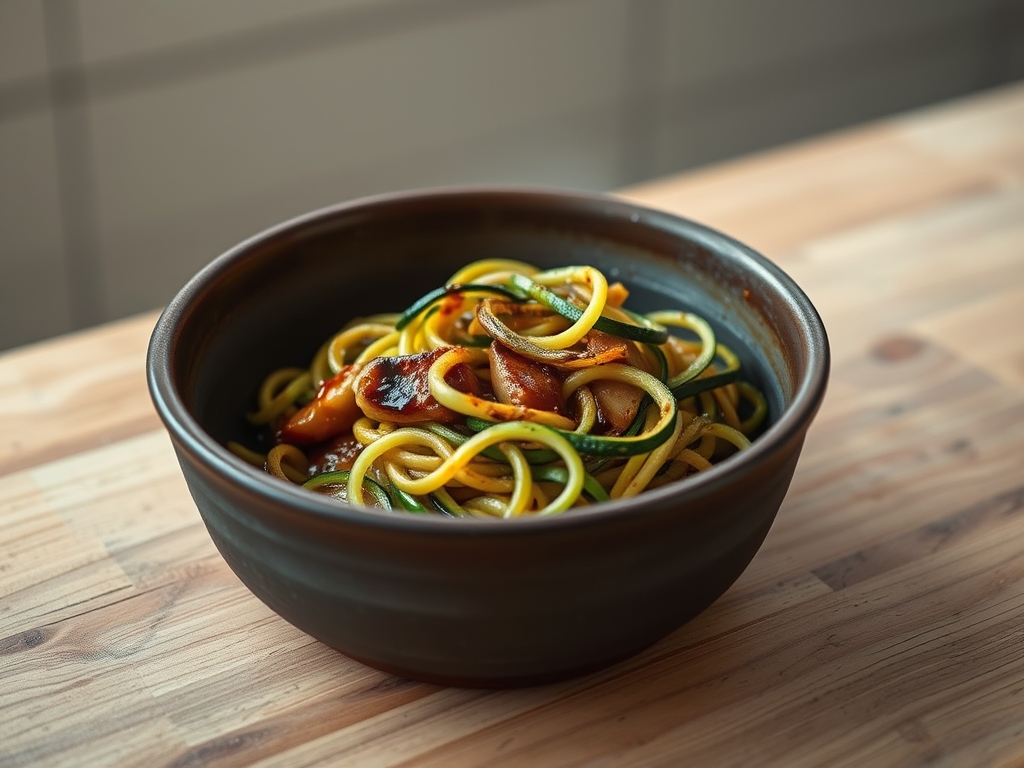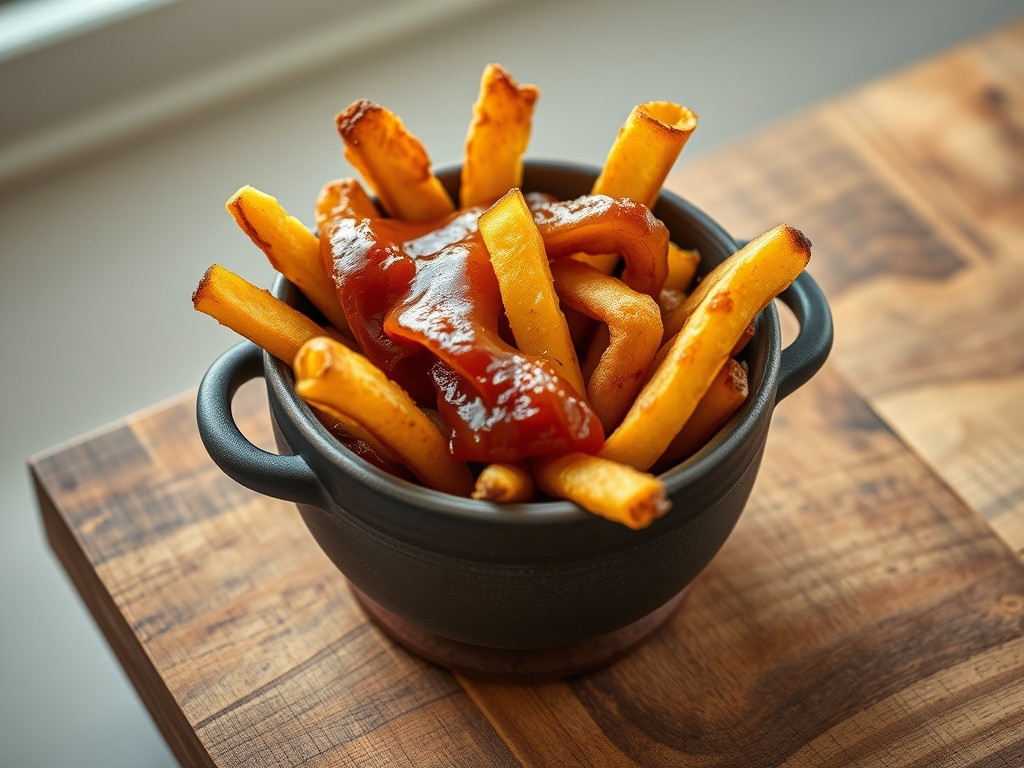
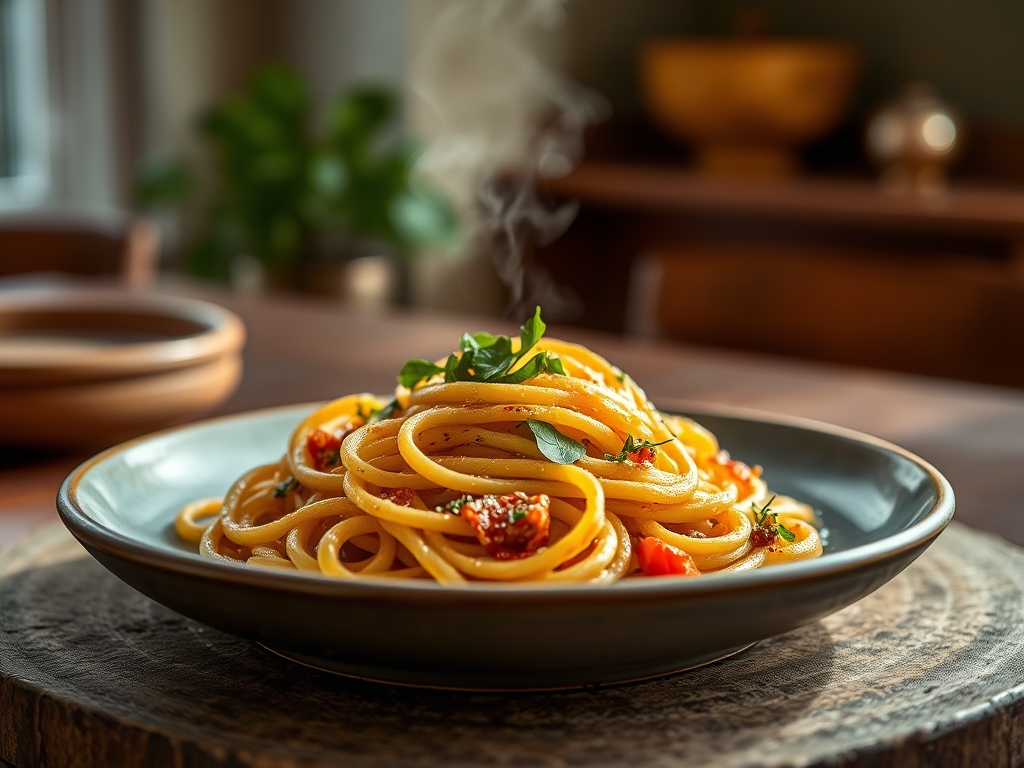
Stop treating your dinner like a passive hobby and start treating it like the high-stakes structural engineering project it actually is. We are moving beyond the soft, pillowy blobs of grandmother's kitchen and entering the era of the Spiralized Gnocchi. This is not just a meal; it is a masterclass in surface area optimization. By transforming the traditional potato dumpling into a twisted, high-tension coil, we are effectively doubling the real estate available for the Maillard reaction. Every ridge becomes a canyon for sauce; every twist becomes a structural pillar that resists the dreaded mushiness of over-boiled starch. The scent of nutty brown butter hitting toasted potato skin is the siren song of a successful build. We are looking for a texture that is crisp on the exterior yet impossibly light within. This is the intersection of Italian tradition and modern geometric efficiency. If you are still boiling smooth lumps of dough, you are leaving flavor on the table. It is time to audit your starch protocol and embrace the spiral.
THE DATA MATRIX
| Metric | Specification |
|---|---|
| Prep Time | 45 Minutes |
| Execution Time | 15 Minutes |
| Yield | 4 Servings |
| Complexity | 7/10 |
| Estimated Cost per Serving | $2.15 |
THE GATHERS
Ingredient Protocol:
- 500g / 1.1 lbs Russet Potatoes (High starch content is non-negotiable)
- 150g / 1.25 cups Type 00 Flour (Plus extra for the bench)
- 1 Large Egg (Approximately 50ml / 3.5 tbsp)
- 5g / 1 tsp Fine Sea Salt
- 115g / 0.5 cup Unsalted European Butter
- 30g / 2 tbsp Fresh Sage Leaves
- 50g / 0.5 cup Freshly Grated Parmigiano-Reggiano
- 2g / 0.5 tsp Freshly Cracked Black Pepper
Section A: Ingredient Quality Audit:
If your potatoes feel soft or sprout-heavy, your starch-to-sugar ratio is compromised. This results in a gummy, viscous dough that refuses to hold a coil. The fix is a dry-roast method rather than boiling; this forces excess moisture to evaporate, concentrating the solids. If your flour is too high in protein (like bread flour), the Spiralized Gnocchi will become rubbery. If you find yourself with high-protein flour, cut it with 20 percent cornstarch to weaken the gluten network. Finally, if your butter is "American style" with high water content, it will sputter and steam rather than render into a nutty brown solids profile. Always opt for 82 percent butterfat minimum to ensure a stable emulsion.
THE MASTERCLASS
1. Thermal Potato Extraction
Peel and cube your Russets, then steam them until they are tender but not waterlogged. Pass them through a potato ricer immediately while they are screaming hot.
Pro Tip: Use a digital scale to weigh your potato flesh after ricing. The science here is "vapor management." By ricing the potatoes while hot, you allow steam to escape, preventing the dough from becoming a gluey mess.
2. The Molecular Bind
Spread the riced potato on a cool surface to aerate. Sift the flour over the potatoes, add the beaten egg and salt, and use a bench scraper to fold the mixture. Do not knead it like bread; you are looking for a gentle "shingling" technique.
Pro Tip: Over-working the dough develops gluten, which is the enemy of a light gnocchi. Use the bench scraper to cut the flour into the potato until a cohesive mass forms with minimal agitation.
3. The Spiral Architecture
Roll the dough into long ropes. Instead of cutting simple pillows, use a specialized spiralizing tool or a gnocchi board held at a 45-degree angle. Press and roll the dough with high thumb-tension to create a deep, hollow spiral.
Pro Tip: The "hollow" center of the spiral is a heat-conduction chamber. It allows the boiling water to cook the dough from the inside out simultaneously, ensuring the center is never raw.
4. The Saucier Infusion
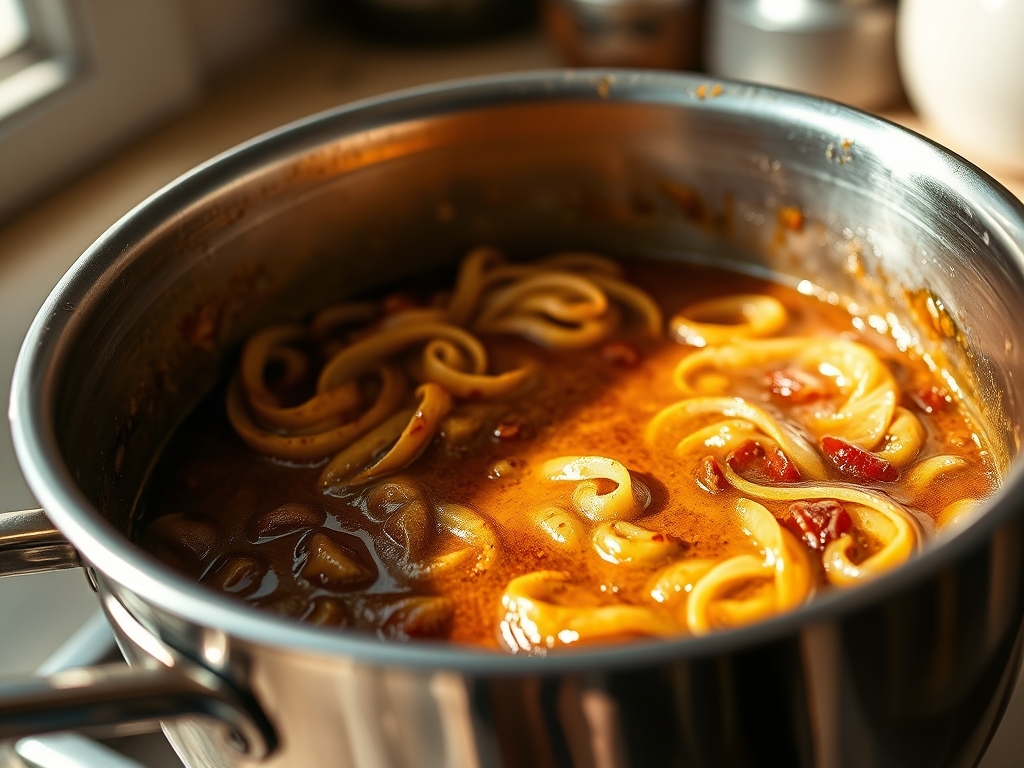
Drop the spirals into boiling salted water. In a wide saucier, melt your butter over medium heat until the milk solids begin to toast and smell like hazelnuts. Add sage leaves to infuse the fat.
Pro Tip: Use a saucier with rounded bottom edges to prevent the butter solids from scorching in the corners. This geometry promotes even thermal distribution during the browning phase.
5. The Emulsion Finish
As the gnocchi float, transfer them directly into the brown butter with a slotted spoon. Add a splash of pasta water and toss violently to deglaze the pan and create a piquant, creamy sauce.
Pro Tip: The starch-heavy pasta water acts as a bridge between the fat and the liquid. This creates a stable emulsion that coats the spirals rather than pooling at the bottom of the plate.
Section B: Prep & Timing Fault-Lines:
The most common failure is the "Cold Potato Collapse." If you let the riced potatoes cool completely before adding flour, the starch granules crystallize. This requires more egg to bind, leading to a heavy, dense product. Conversely, if you add the egg while the potatoes are too hot, you will scramble the proteins. Aim for a "warm to the touch" window. Another timing error is the "Soggy Spiral." If you do not move the gnocchi from the water to the pan within five seconds of floating, the structural tension fails and the spiral collapses into a flat ribbon.
THE VISUAL SPECTRUM
Section C: Thermal & Visual Troubleshooting:
Referencing the Masterclass photo above, you should see distinct, sharp ridges with golden-brown "burnished" edges. If your gnocchi look pale and translucent, you skipped the pan-sear or your butter temperature was too low. If the spirals have lost their definition and look like "slugs," your dough was too wet; next time, add 10g more flour. If the sauce looks broken or greasy rather than creamy, you failed to agitate the pan during the emulsion phase. The final dish should have a vibrant green pop from the sage and a matte finish from the cheese, not a shiny, oily coating.
THE DEEP DIVE
Macro Nutrition Profile:
A standard serving provides approximately 450 calories, 55g of carbohydrates, 8g of protein, and 22g of fat. The high fat content is primarily from the butter emulsion, which carries the fat-soluble vitamins from the sage.
Dietary Swaps:
For a Vegan iteration, replace the egg with 15g of potato starch and use a high-quality olive oil or vegan butter alternative. For Gluten-Free builds, utilize a 1:1 cassava flour blend, though you must increase the egg count to two to compensate for the lack of gluten-binding. Keto versions are difficult given the potato base, but cauliflower-based doughs can be spiralized if bound with xanthan gum.
Meal Prep & Reheating Science:
To maintain molecular structure, do not store cooked gnocchi in sauce. Freeze the raw spirals on a parchment-lined tray before bagging. To reheat, boil directly from frozen. If reheating cooked gnocchi, use a dry pan to re-crisp the exterior; microwaves will turn the delicate spirals into rubbery rings.
THE KITCHEN TABLE
Why are my gnocchi floating but still chewy?
Floating indicates the density has dropped due to steam expansion, but it does not mean the flour is fully hydrated. Give them an extra 30 seconds after they rise to ensure the starch is fully gelatinized.
Can I use a food processor for the dough?
Absolutely not. The high-speed blades will shear the potato starch molecules, releasing a massive amount of amylopectin. This results in a sticky, wallpaper-paste consistency that is impossible to spiralize or shape.
What is the best potato for this?
Russets or Yukon Golds are the only acceptable candidates. Red potatoes or "new" potatoes have too much moisture and too little starch, which will cause your spirals to dissolve into the boiling water.
How do I get that perfect brown butter?
Watch the foam. Once the butter stops foaming, the water has evaporated and the solids will brown rapidly. Remove from heat the moment you smell toasted nuts; the residual heat of the pan will finish the job.