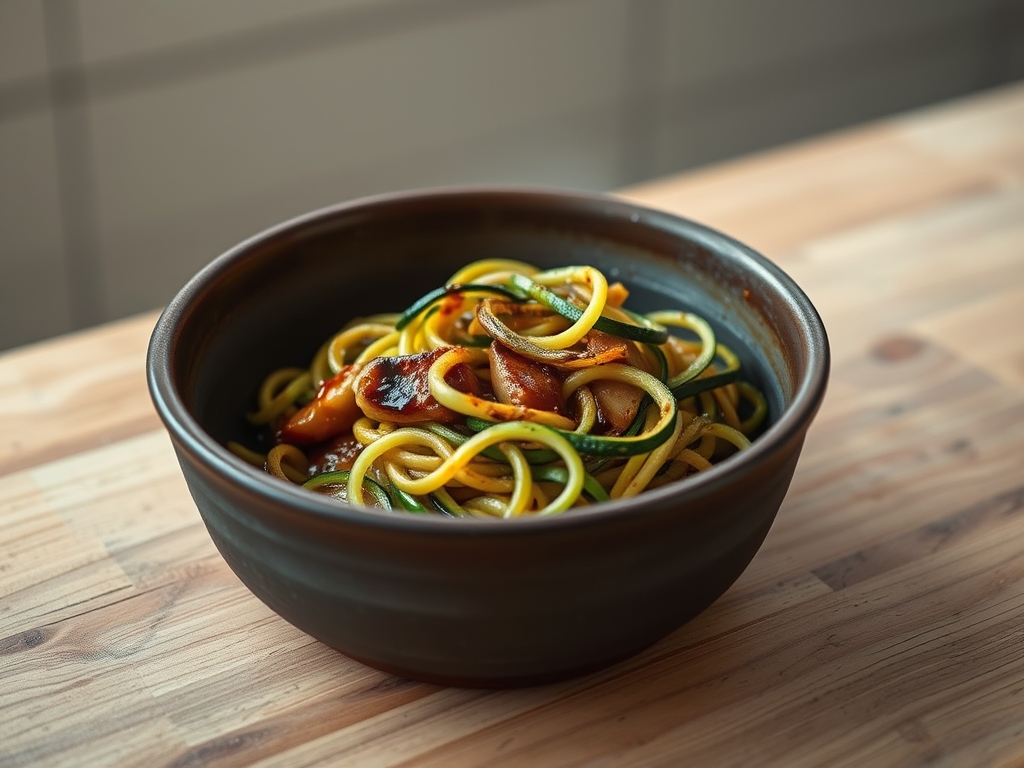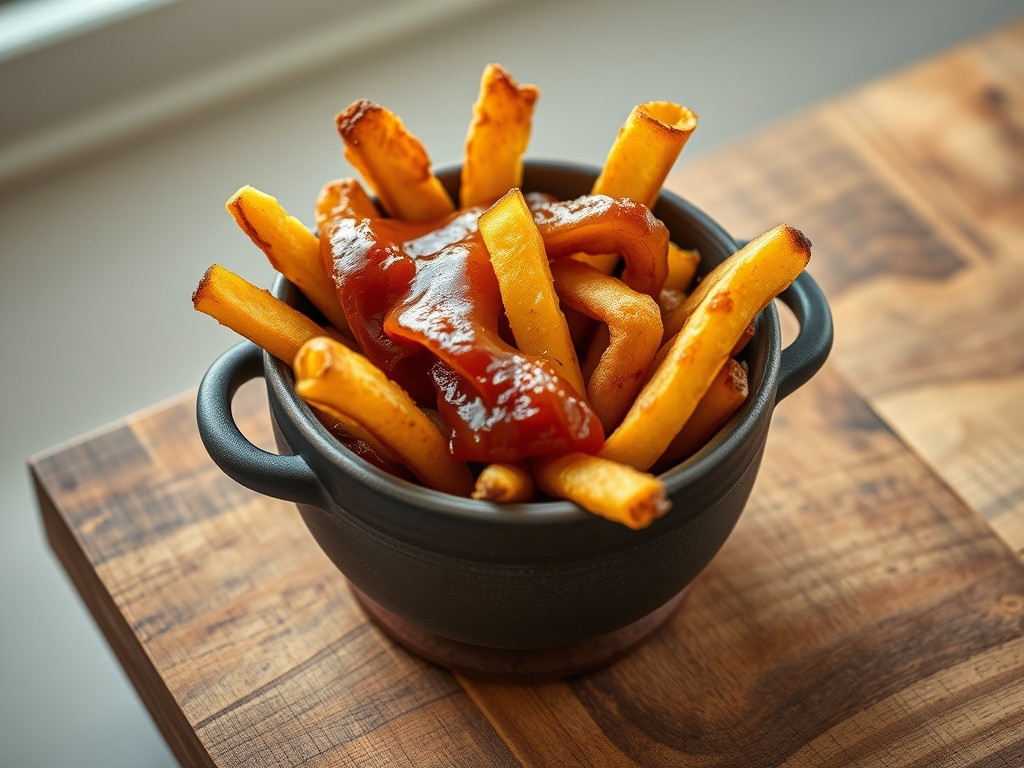
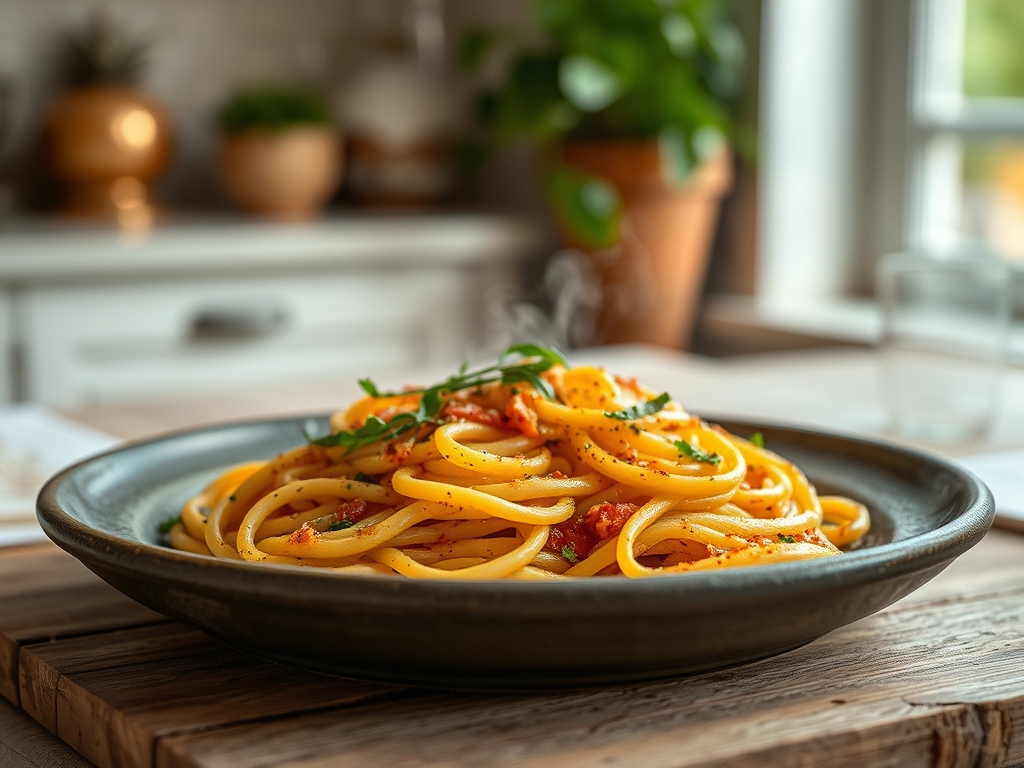
Listen to the sound of a kitchen operating at peak efficiency. It is the rhythmic slap of semolina dough hitting a marble slab and the hiss of a copper saucier hitting a high-output burner. We are not just cooking dinner; we are engineering an experience. Today, we focus our analytical lens on the architectural marvel known as Curly Strozzapreti. This is the "priest strangler" pasta, a hand-rolled helix designed with a specific torsion to trap viscous sauces within its tight, elongated curves. Legend suggests the shape was so delicious that gluttonous priests would choke on them in their haste. Our goal is to replicate that level of irresistible texture through precise mechanical tension and hydration control. We are looking for a bite that offers a defiant resistance, a structural integrity that refuses to yield to the sauce until the final mastication. If your pasta lacks the characteristic torque, you are simply eating wet flour. We are here to ensure every twist is a calculated victory of culinary physics.
THE DATA MATRIX
| Metric | Specification |
|---|---|
| Prep Time | 45 Minutes |
| Execution Time | 15 Minutes |
| Yield | 4 Servings |
| Complexity | 7/10 |
| Estimated Cost per Serving | $3.50 |
THE GATHERS
Ingredient Protocol:
- 400g / 3.25 cups Double Zero (00) Flour
- 100g / 0.75 cup Semolina Flour (plus extra for dusting)
- 250ml / 1 cup Lukewarm Filtered Water
- 10g / 2 tsp Fine Sea Salt
- 15ml / 1 tbsp Extra Virgin Olive Oil
- 500ml / 2 cups High-Viscosity Ragù or Pesto
- 50g / 0.5 cup Aged Parmigiano-Reggiano (finely grated)
Section A: Ingredient Quality Audit:
The primary failure point in Curly Strozzapreti is improper protein content. If your flour is too low in gluten, the helix will unravel during the boil. Use a digital scale to ensure the 4:1 ratio of 00 flour to semolina. If the dough feels brittle or "shaggy," your hydration is insufficient; the flour has not fully encapsulated the water molecules. To fix this, do not pour more water. Instead, use a spray bottle to aerate a fine mist over the dough while kneading. If your olive oil lacks a piquant finish, it will fail to infuse the dough with the necessary lipid barrier that prevents sticking. Always audit your semolina for a sandy, sharp texture; if it feels like powder, it is stale and will lack the structural "grit" required for a perfect al dente finish.
THE MASTERCLASS
1. The Hydration Phase
Mound your flours on a clean work surface and create a wide well. Pour the water, salt, and oil into the center. Use a fork to gradually incorporate the flour from the inner walls. Once a thick paste forms, use a bench scraper to fold the remaining flour over the center.
Pro Tip: The science here is about controlled autolysis. By using lukewarm water, you accelerate the breakdown of proteins into gluten, making the dough more elastic and easier to roll into the tight Curly Strozzapreti shape.
2. The Mechanical Knead
Knead the dough for exactly ten minutes. You are looking for a smooth, matte finish that springs back when poked. Wrap tightly in plastic and let it rest at room temperature for 30 minutes.
Pro Tip: Resting allows the gluten network to relax. If you skip this, the dough will exhibit "memory," snapping back to its original shape and resisting the torque required for the helix.
3. The Torsion Technique
Roll the dough into 1/4 inch thick sheets. Cut into strips roughly 1 inch wide and 3 inches long. Place a strip between your palms and rub them together in opposite directions to create a twisted, hollow rope.
Pro Tip: Use a digital scale to weigh individual portions of dough to ensure uniform cooking times. The friction between your palms creates the surface tension necessary for the sauce to cling to the pasta.
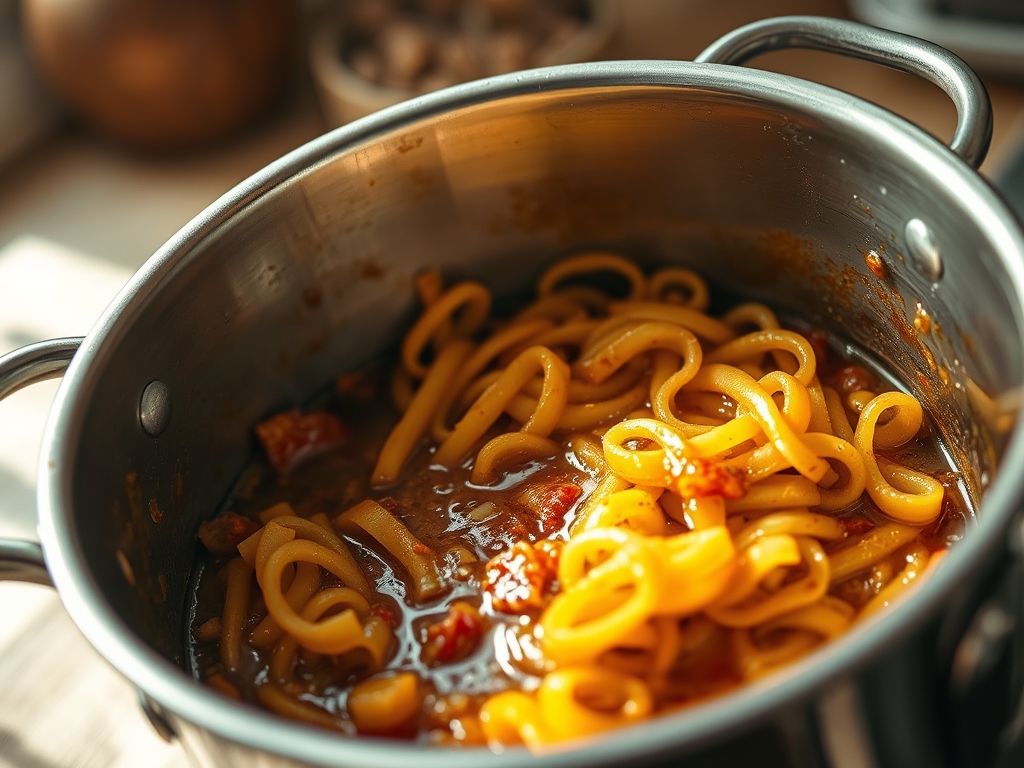
4. The Emulsion Boil
Drop the pasta into a large pot of aggressively salted boiling water. Cook for 3 to 4 minutes until they float. Reserve 100ml of the starchy pasta water before draining.
Pro Tip: This water is liquid gold. The starch released by the semolina acts as a natural bridge between the fats in your sauce and the water, allowing you to render a perfect, glossy emulsion in the pan.
5. The Final Fusion
Transfer the pasta to a saucier containing your warmed sauce. Add the reserved pasta water and a handful of cheese. Toss vigorously over medium heat to deglaze the pan and coat every helix.
Pro Tip: The mechanical action of tossing introduces air, which helps to aerate the sauce and create a creamy, viscous coating that won't slide off the Curly Strozzapreti.
Section B: Prep & Timing Fault-Lines:
Timing is the silent killer of pasta. If your sauce is not ready the moment the pasta hits al dente, the residual heat will continue to cook the starch, turning your masterpiece into mush. Always maintain a "sauce-first" workflow. Temperature control is equally vital; if your dough is too cold, the lipids in the olive oil will solidify, making the dough snap instead of stretch. Ensure your kitchen environment is at least 68 degrees Fahrenheit to maintain dough pliability.
THE VISUAL SPECTRUM
Section C: Thermal & Visual Troubleshooting:
Referencing the Masterclass photo, your Curly Strozzapreti should exhibit a distinct "dual-tone" appearance. The edges should be slightly translucent while the core remains opaque. If your pasta looks uniformly white, it is undercooked. If it looks grey or limp, you have over-hydrated the dough. Uneven browning in the final toss usually indicates that your saucier was not hot enough to trigger a mild Maillard reaction with the cheese. Dull colors can be corrected by adding a splash of fresh olive oil at the very end to increase light refraction. The texture should look "rugged" rather than smooth; those tiny ridges are the structural anchors for your sauce.
THE DEEP DIVE
Macro Nutrition Profile:
A standard serving of this infrastructure provides approximately 450 calories, 15g of protein, 70g of carbohydrates, and 12g of fat. The high protein content from the semolina ensures a lower glycemic index compared to standard white pasta.
Dietary Swaps:
- Vegan: This recipe is naturally vegan if you omit the cheese at the end. Substitute with nutritional yeast or toasted breadcrumbs for texture.
- Keto/GF: Use a blend of almond flour and xantham gum. Note that the "torque" will be harder to achieve without gluten elasticity; you may need to use a pasta press.
Meal Prep & Reheating Science:
To maintain molecular structure, undercook the pasta by 60 seconds if prepping for later. Store the sauce and pasta separately. When reheating, use a splash of water to re-hydrate the starches. Avoid the microwave; a quick toss in a hot pan is the only way to preserve the helix tension.
THE KITCHEN TABLE
Why is my pasta falling apart in the water?
Your gluten development was insufficient. You likely under-kneaded the dough or used flour with a low protein percentage. Ensure you knead for the full ten minutes to build a strong structural matrix.
Can I use a food processor for the dough?
Yes, but be careful. The blades can heat the dough too quickly, prematurely denaturing the proteins. Pulse until it looks like wet sand, then finish the kneading process by hand on a board.
How do I store fresh Strozzapreti?
Dust them heavily with semolina and arrange them in a single layer on a baking sheet. Freeze them solid before transferring to a bag. This prevents the helixes from fusing together into a single mass.
My sauce is watery and won't stick. Help!
You missed the emulsion step. High-heat tossing with starchy pasta water and fat (cheese or butter) is mandatory. The starch acts as a stabilizer to bind the sauce to the Curly Strozzapreti.