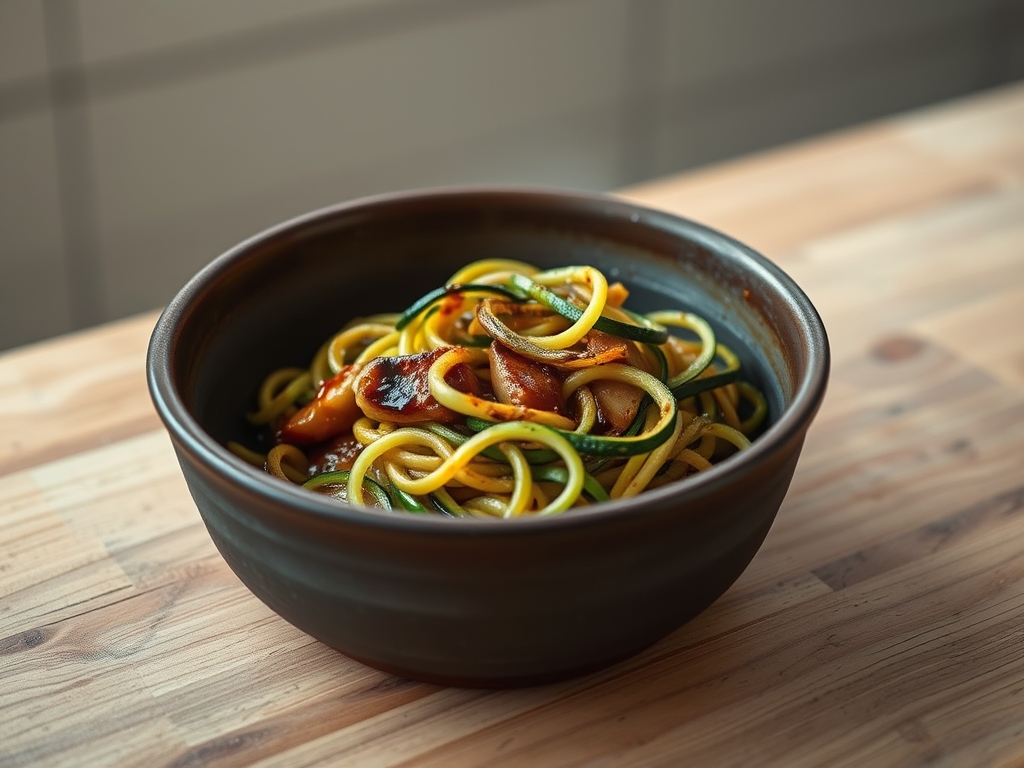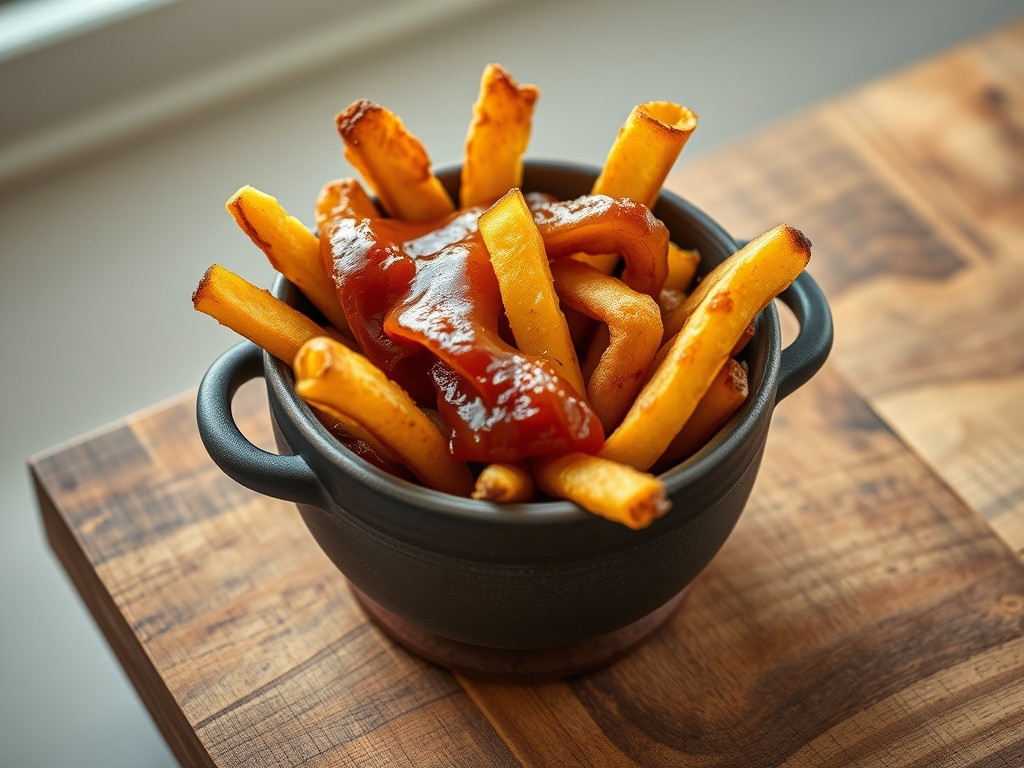
The scent of carbonized soy and toasted sesame oil hits the back of your throat before the steam even clears the wok. We are not here for the limp, soggy starch of amateur hour; we are here to master the structural integrity of the Curly Rice Noodles. These spiralized wonders are a feat of carbohydrate engineering. When executed correctly, they possess a springy, elastic snap that captures sauce in every helical curve. When failed, they collapse into a gummy, gelatinous mass that offends the very concept of culinary architecture. We are auditing the Maillard reaction against the delicate tensile strength of rice flour. This is a high stakes operation where temperature control is your primary weapon and a split second determines the difference between a pristine, translucent bite and a total system failure. Grab your digital scale and calibrate your sensors. We are diving into the molecular mechanics of the perfect stir fry, ensuring every strand is coated in a viscous, piquant glaze that clings to the starch like a second skin.
THE DATA MATRIX
| Metric | Specification |
|---|---|
| Prep Time | 20 Minutes |
| Execution Time | 8 Minutes |
| Yield | 4 Servings |
| Complexity (1-10) | 7 |
| Estimated Cost per Serving | $3.25 USD |
THE GATHERS
Ingredient Protocol:
- 450g / 1 lb Dry Curly Rice Noodles (XL gauge)
- 30ml / 2 tbsp Neutral oil (High smoke point)
- 45ml / 3 tbsp Dark soy sauce (For pigmentation)
- 15ml / 1 tbsp Toasted sesame oil
- 200g / 7 oz Sliced protein (Chicken thigh or firm tofu)
- 100g / 3.5 oz Mung bean sprouts (For structural crunch)
- 3 cloves / 15g Garlic (Microplaned)
- 10g / 1 tbsp Fresh ginger (Grated)
- 2 Large eggs (Grade A)
Section A: Ingredient Quality Audit:
Sub-par raw materials are the silent killers of the noodle world. If your Curly Rice Noodles feel brittle or "dusty" straight out of the package, they have likely suffered from improper humidity control during storage. To fix this, increase your soaking time by 15 percent and add a teaspoon of rice vinegar to the water to help stabilize the starch. If your soy sauce lacks the necessary viscosity to coat the spirals, whisk in a half-teaspoon of cornstarch before it hits the heat. Never use "light" olive oil here; the flavor profile will clash with the ginger and garlic. Stick to grapeseed or peanut oil to ensure a clean thermal transfer without premature smoking.
THE MASTERCLASS
1. Hydration Calibration
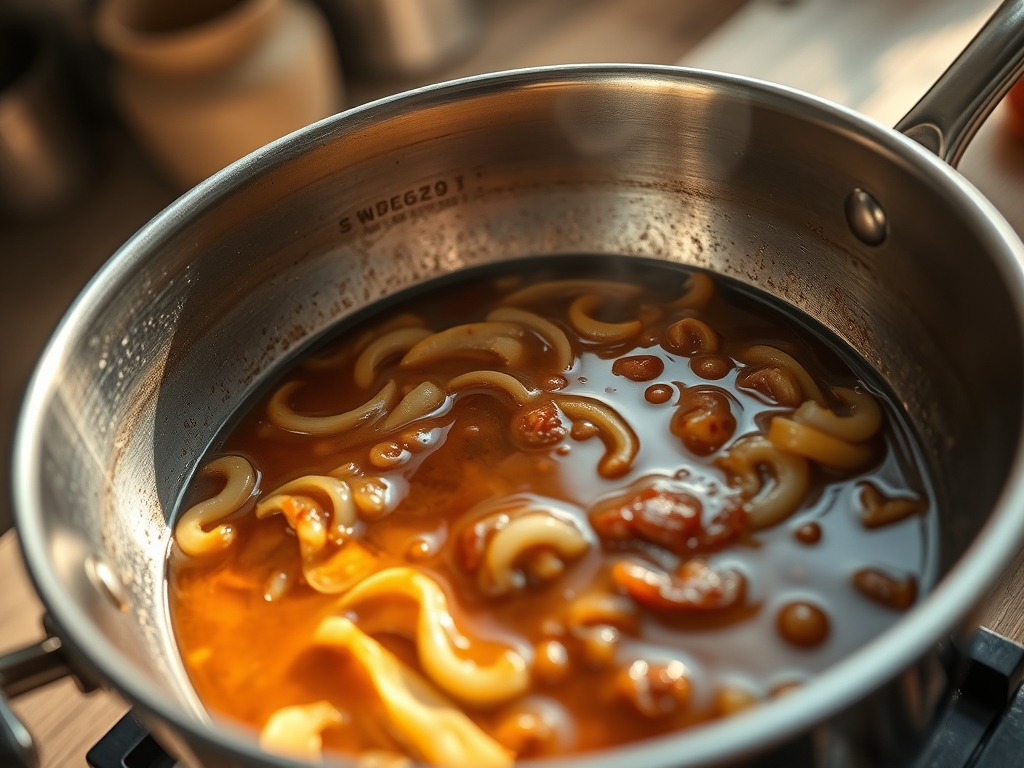
Place your dry noodles in a large heat-proof vessel. Submerge them in 1200ml / 5 cups of water at exactly 80 degrees Celsius. Do not use boiling water or you will trigger premature gelatinization, leading to a mushy exterior. Soak until the noodles are flexible but still retain a firm, al dente core.
Pro Tip: Use a digital probe thermometer to verify water temperature. If the water is too cold, the starch will not hydrate evenly; if it is too hot, the outer layers will slough off before the center softens. This is the foundation of structural snap.
2. Protein Searing and Rendering
Heat your carbon steel wok or heavy-bottomed saucier until it reaches the flash point of your oil. Add the protein in a single layer. Let it sit undisturbed for 90 seconds to allow the Maillard reaction to create a savory crust. Flip and move the protein to the perimeter of the pan.
Pro Tip: A heavy-duty bench scraper is excellent for cleaning the surface of your wok between batches if any sugars begin to burn. This prevents "carbon flecks" from tainting the visual purity of your noodles.
3. Aromatics and Aeration
Push the protein aside and drop the garlic and ginger into the center. Stir rapidly for 20 seconds until the oils infuse with the aromatics. Crack the eggs directly into the center, whisking them quickly with a silicone spatula to create small, fluffy curds that will act as "flavor sponges" within the noodle spirals.
Pro Tip: Aerating the eggs while they cook creates a lighter texture. This prevents the dish from feeling heavy or overly greasy, as the air pockets trap the upcoming sauce application.
4. The High-Heat Integration
Drain the noodles thoroughly and toss them into the wok. Immediately pour the soy sauce and sesame oil mixture over the noodles. Use a pair of long kitchen tongs to lift and rotate the noodles, ensuring every curl is coated. Increase the heat to maximum for the final 60 seconds to "sear" the sauce onto the starch.
Pro Tip: Use a digital scale to measure your sauce components precisely. Consistency in liquid ratios ensures that the noodles absorb the flavor without losing their "snap" or becoming waterlogged.
Section B: Prep & Timing Fault-Lines:
The most common failure in this protocol is "Wok Crowding." If you add too many ingredients at once, the temperature drops, and you begin to boil the noodles in their own moisture rather than frying them. If you notice liquid pooling at the bottom of the pan, immediately remove half the contents and finish the dish in two batches. Timing is also critical; if the noodles sit in the colander for more than five minutes after soaking, they will stick together. If this happens, a quick rinse in cold water will reset the surface starch.
THE VISUAL SPECTRUM
Section C: Thermal & Visual Troubleshooting:
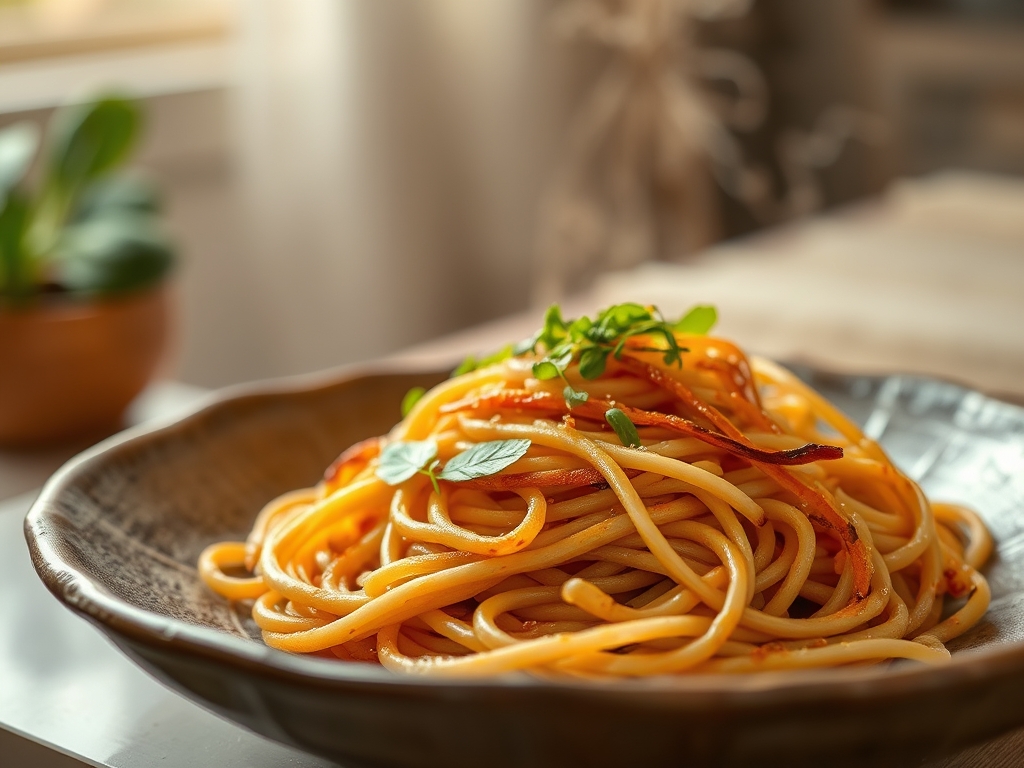
Look at the Masterclass photo above. Notice the deep, mahogany hue of the Curly Rice Noodles and the distinct separation of each strand. If your dish looks pale or "grey," your heat was too low or your soy sauce was diluted. To fix this, deglaze the pan with a splash of rice wine to lift the caramelized sugars back onto the noodles. If the noodles appear broken or fragmented, you were too aggressive with your spatula. Use a "lifting" motion rather than a "stirring" motion to preserve the helical structure. Dull colors can be revived with a final garnish of fresh scallions or a drizzle of unheated sesame oil just before service to provide a glossy, high-definition finish.
THE DEEP DIVE
Macro Nutrition Profile:
A standard serving of these noodles provides approximately 450 calories, 65g of carbohydrates, 15g of protein, and 12g of fat. While high in energy-dense starches, the rice base provides a clean fuel source that is naturally low in cholesterol.
Dietary Swaps:
For a Vegan audit, swap the eggs for extra-firm tofu crumbles and use a mushroom-based "oyster" sauce for that essential umami depth. For Keto enthusiasts, this specific starch profile is difficult to replicate, but shirataki noodles can serve as a structural substitute, though the "snap" will be more rubbery. This recipe is naturally Gluten-Free provided you use Tamari instead of standard soy sauce.
Meal Prep & Reheating Science:
Rice starch undergoes retrogradation when cooled, meaning it becomes hard and brittle. To reheat, do not use a microwave alone. Place the noodles in a pan with 15ml / 1 tbsp of water, cover with a lid, and steam for 2 minutes. This re-hydrates the molecular bonds and restores the original elasticity without turning the dish into a brick.
THE KITCHEN TABLE
Why are my noodles sticking to the wok?
Your wok was likely not seasoned or not hot enough. Ensure the oil is shimmering before adding starch. The "Leidenfrost effect" creates a vapor barrier that prevents sticking; if the pan is cold, the starch bonds directly to the metal.
Can I use fresh rice noodles instead of dry?
Absolutely, but reduce the soaking step entirely. Fresh noodles only need a 30-second blanch in hot water to loosen the strands. Overcooking fresh noodles will result in a structural collapse that no amount of high heat can fix.
How do I get that "smoky" restaurant flavor?
That is "Wok Hei," or the breath of the wok. It requires a high-BTU burner that can partially combust the oil droplets as you toss the noodles. At home, use a heavy cast iron pan to retain maximum thermal mass.
My sauce is too salty, how do I balance it?
Do not add water; it will ruin the texture. Instead, add a teaspoon of brown sugar or a squeeze of lime juice. The acid or sweetness will counteract the sodium perception without compromising the viscosity of the glaze.