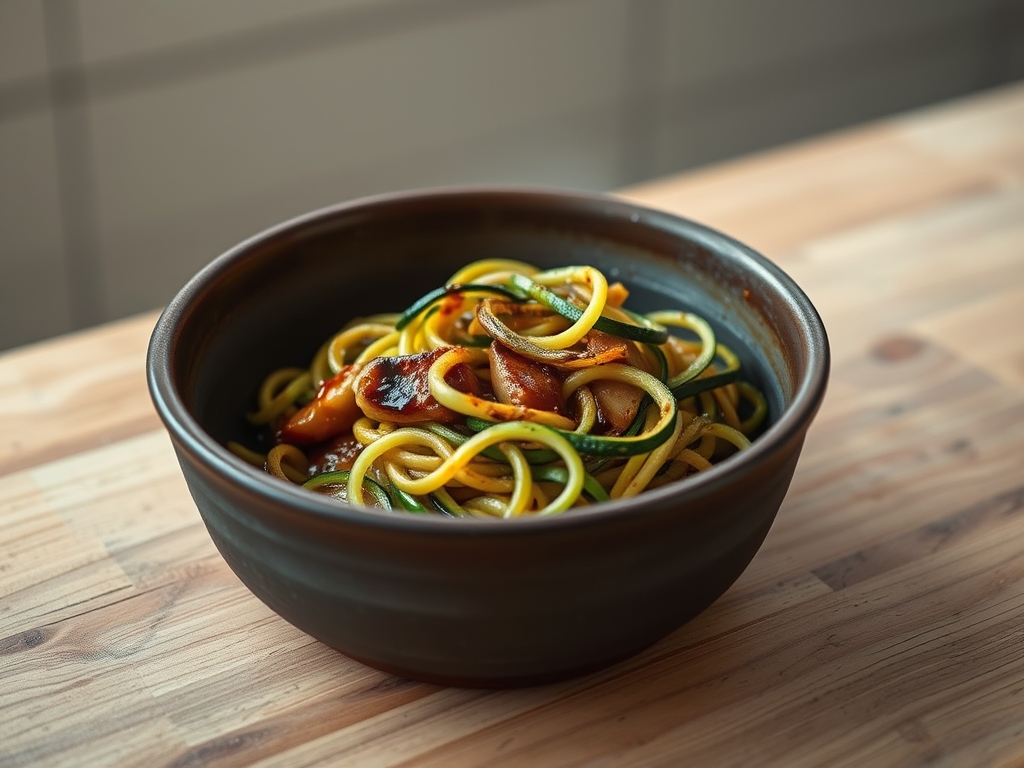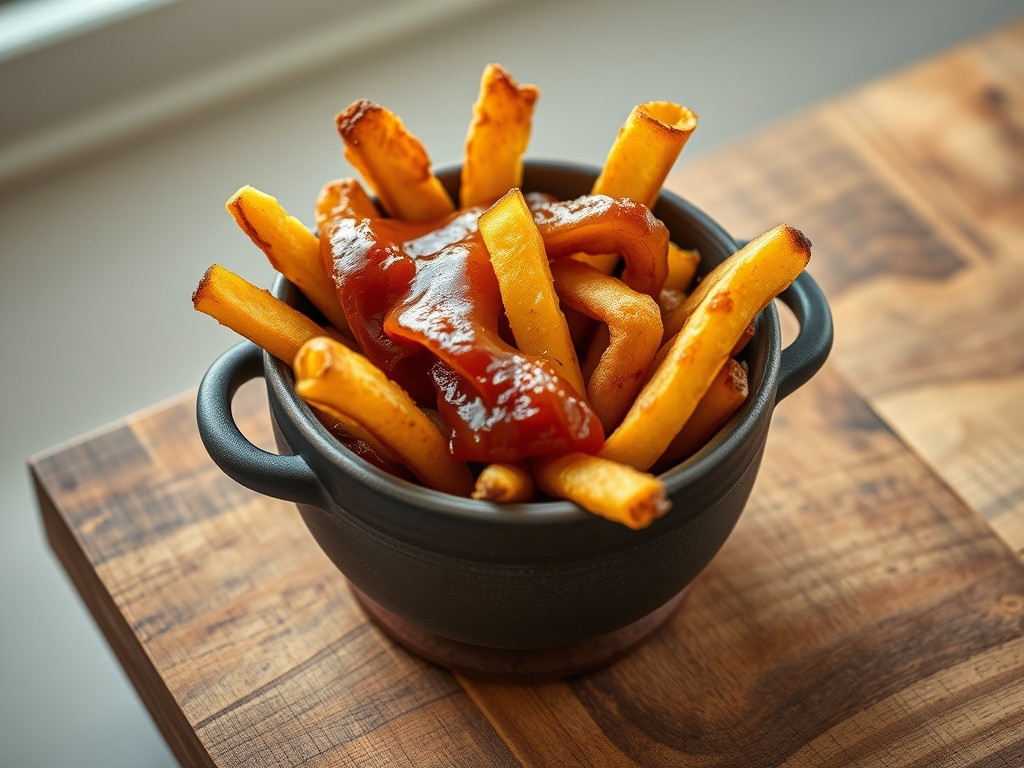
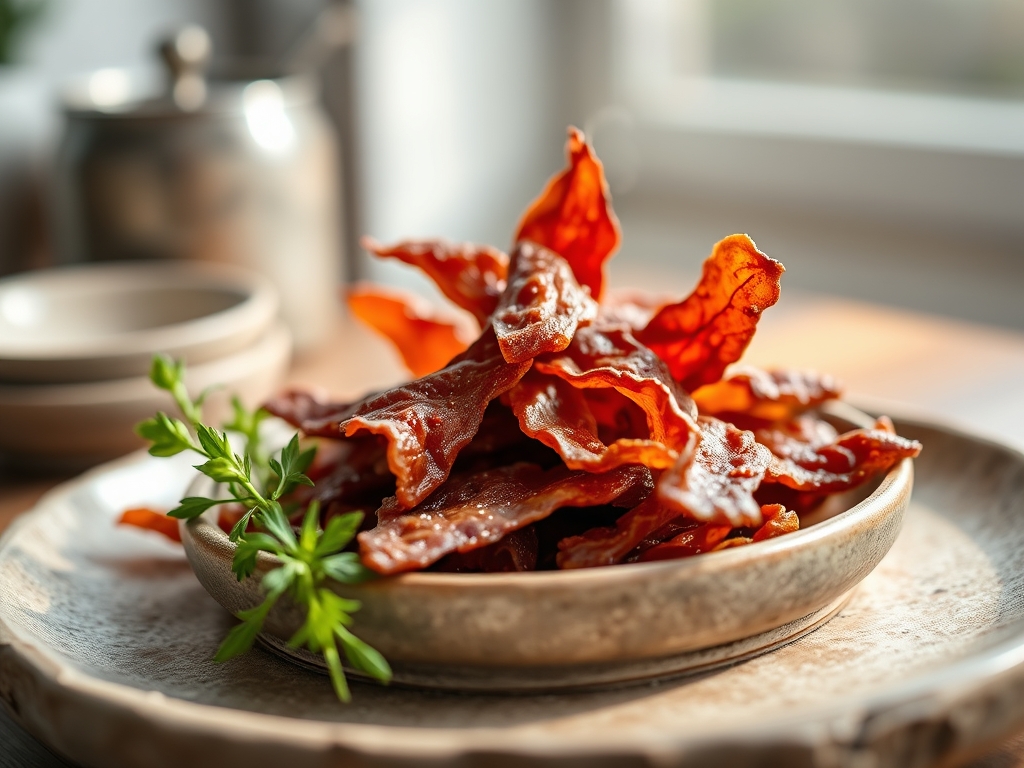
Imagine the sensory overload of a high-velocity kitchen where the air is thick with the scent of concentrated umami and hickory smoke. We are not merely making snacks here; we are engineering a protein-dense masterpiece that defies the structural limitations of standard flat-strip snacks. The Twisted Beef Jerky is a triumph of culinary geometry. By manipulating the muscle fibers into a helical coil, we maximize the surface area exposed to dry heat while simultaneously trapping pockets of piquant marinade within the folds. This is the ultimate evolution of the trail ration. Each bite delivers a structural snap that releases a viscous, salt-forward profile, followed by the deep, earthy undertones of slow-rendered bovine fat. We are looking for more than just dehydration; we are looking for the perfect tension between moisture loss and flavor density. If your current jerky feels like chewing on a piece of discarded luggage, your process is fundamentally flawed. It is time to audit your infrastructure and upgrade your technique to achieve the gold standard of helical meat architecture.
THE DATA MATRIX
| Metric | Specification |
|---|---|
| Prep Time | 45 Minutes (Excluding Marination) |
| Execution Time | 6 to 8 Hours |
| Yield | 450g / 1 lb Finished Product |
| Complexity (1-10) | 7 (Precision Slicing Required) |
| Estimated Cost per Serving | $2.25 USD |
THE GATHERS
Ingredient Protocol:
- 900g / 2 lbs Top Round or Eye of Round (Trimmed of all external adipose tissue)
- 120ml / 0.5 cup Soy Sauce (High sodium for protein denaturing)
- 60ml / 0.25 cup Worcestershire Sauce (To infuse complex acidity)
- 15ml / 1 tbsp Liquid Smoke (Hickory or Mesquite concentrate)
- 10g / 2 tsp Coarse Black Pepper (Freshly cracked for textural heat)
- 15g / 1 tbsp Dark Brown Sugar (To facilitate the Maillard reaction)
- 5g / 1 tsp Garlic Powder (Fine mesh for even distribution)
- 5g / 1 tsp Onion Powder (To aerate the flavor profile)
- 2g / 0.5 tsp Cayenne Pepper (For a piquant finish)
Section A: Ingredient Quality Audit:
The primary failure point in Twisted Beef Jerky is the selection of meat with excessive intramuscular marbling. While fat is flavor in a steak, it is the enemy of dehydration. Fat does not evaporate; it oxidizes and turns rancid, compromising the shelf life of your helical coils. If your raw material looks like a Wagyu ribeye, you have already failed the audit. Technical Fix: Use a sharp boning knife to remove every visible trace of white connective tissue and surface fat. If the meat feels too soft to slice thinly, place it in the blast chiller or a standard freezer for 45 minutes. This firms the cellular structure, allowing for the surgical precision required to create the long, uniform strips necessary for the twist.
THE MASTERCLASS
1. The Surgical Longitudinal Slicing
Utilize a calibrated chef knife or a commercial meat slicer to cut the semi-frozen beef against the grain into strips exactly 5mm thick. Cutting against the grain ensures that the finished product has a manageable "bite" rather than the consistency of steel cable.
Pro Tip: Use a digital scale to weigh your slices before and after the audit. This allows you to calculate the exact percentage of moisture loss. Professional kitchens rely on these metrics to ensure consistency across batches.
2. The Viscous Marinade Infusion
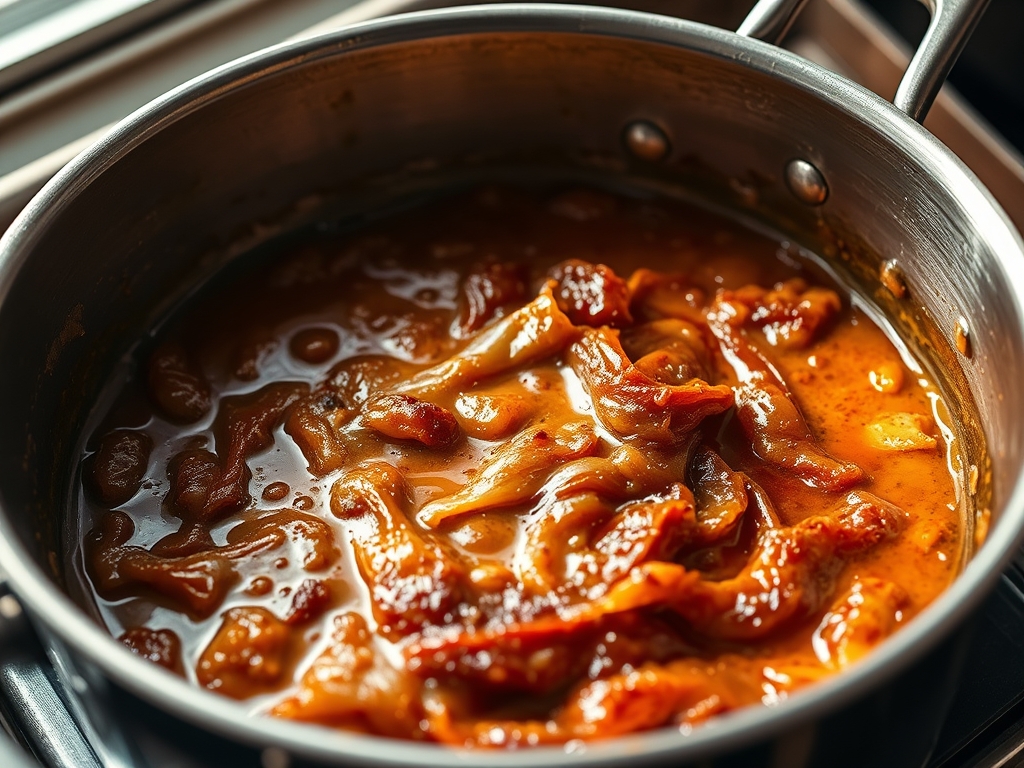
In a stainless steel saucier, whisk the soy sauce, sugar, and spices until the solids are fully dissolved. Submerge the beef strips entirely. The high salt content initiates the denaturing of proteins, breaking down the tough fibers while the sugar prepares the exterior for browning.
Pro Tip: Use a vacuum sealer to accelerate the infusion process. By removing the atmospheric pressure, the marinade is forced into the interstitial spaces of the muscle fibers much faster than traditional soaking.
3. Executing the Helical Tension
Remove a strip from the liquid and hold it by both ends. Rotate your wrists in opposite directions to create a tight spiral. Secure the ends by threading them onto a stainless steel skewer or by laying them across a wire cooling rack so the tension is maintained by the friction of the mesh.
Pro Tip: A bench scraper is an essential tool here to keep your workstation clear of excess marinade. Keeping the surface clean prevents the beef from slipping, allowing you to maintain maximum torque on the twist.
4. Thermal Dehydration Phase
Set your dehydrator or convection oven to 70C (160F). This temperature is critical; it is high enough to kill pathogens like E. coli but low enough to prevent the meat from "case hardening," where the outside dries too fast and traps moisture inside.
Pro Tip: Use a calibrated infrared thermometer to check the surface temperature of the jerky every two hours. If the internal temperature of the unit fluctuates by more than 5 degrees, your heating element is failing the audit.
5. The Cooling and Stabilization Period
Once the jerky cracks but does not snap when bent, remove it from the heat. It must reach room temperature on a wire rack to allow the remaining moisture to redistribute evenly throughout the helical structure.
Pro Tip: Do not bag the jerky while it is warm. This creates condensation, which leads to mold. Use a digital scale to confirm a 50 to 60 percent reduction in weight from the raw starting point.
Section B: Prep & Timing Fault-Lines:
The most common human error is the "Rush Factor." Attempting to dehydrate at 90C to save time results in a product that is charred on the outside and raw in the center. Conversely, marinating for over 24 hours can turn the meat into a mushy, over-salted paste as the acid completely dissolves the protein bonds. Your timing must be clinical. If the beef has been in the marinade for 12 hours, it must go into the heat immediately. There is no "buffer zone" in high-level jerky production.
THE VISUAL SPECTRUM
Section C: Thermal & Visual Troubleshooting:
Referencing the Masterclass photo, the Twisted Beef Jerky should exhibit a deep mahogany hue with a matte finish. If your jerky looks grey, you lacked sufficient acidity or sugar to trigger the Maillard reaction. If the twists have unraveled, you failed to maintain mechanical tension during the loading phase. Dull colors usually indicate that the spices were not properly suspended in the marinade; always deglaze your mixing bowl to ensure every gram of pigment is utilized. If you see white spots, these are likely salt blooms or undissolved fats. To fix this, ensure your marinade is heated slightly in the saucier to fully incorporate all dry ingredients before the beef is introduced.
THE DEEP DIVE
Macro Nutrition Profile:
A standard 30g serving of this helical beef provides approximately 12g of protein, 1g of fat, and 3g of carbohydrates. It is a high-density fuel source designed for maximum biological availability.
Dietary Swaps:
- Vegan: Replace beef with extra-firm tofu or seitan strips. Increase the liquid smoke to compensate for the lack of natural bovine depth.
- Keto: Eliminate the brown sugar and replace it with a monk fruit erythritol blend to maintain the Maillard-style browning without the insulin spike.
- GF: Swap the soy sauce for Tamari or liquid aminos to ensure the product is 100 percent gluten-free.
Meal Prep & Reheating Science:
Jerky is the ultimate meal prep component. To maintain its molecular structure, store it in a vacuum-sealed bag with an oxygen absorber. If the jerky becomes too brittle over time, you can "re-hydrate" it slightly by placing a damp paper towel in a container with the jerky for 30 minutes; the fibers will hygroscopically pull in just enough moisture to restore the chew.
THE KITCHEN TABLE
Why is my jerky so brittle?
You have exceeded the 60 percent moisture loss threshold. This usually happens when the dehydration time is too long or the slices are too thin. Monitor the weight more closely during the final two hours of the cycle.
Can I use a different cut of meat?
Flank steak is a viable alternative but requires more aggressive trimming. Avoid any cut with a heavy fat cap like brisket, as the fat will not render out at the low temperatures used for dehydration.
How long does Twisted Beef Jerky last?
In a vacuum-sealed environment at room temperature, it will remain shelf-stable for 2 to 3 months. Once opened, the exposure to atmospheric oxygen reduces the window of peak flavor to approximately two weeks.
What if I don't have a dehydrator?
A standard oven set to its lowest position with the door propped open slightly by a wooden spoon will work. This allows the moist air to escape, creating the necessary airflow to mimic a commercial dehydration unit.