The scent of caramelizing butter is not merely an aroma; it is a chemical siren call signaling the onset of the Maillard reaction. We are not just baking here. We are conducting a structural audit of laminated dough to achieve the perfect Cravat Pastry Twist. This is a high-stakes engineering project where the tension of the dough meets the thermal volatility of the oven. Imagine a pastry that shatters with the structural integrity of a glass sculpture but melts with the decadent richness of a double-cream brie. That is the objective. If your kitchen currently smells like scorched flour or "sadness," you have failed the initial inspection. We are looking for a golden-brown gradient that suggests a deep, nutty complexity and a crunch that can be heard three rooms away. This is about precision, torque, and the relentless pursuit of symmetrical perfection. Put down that flimsy plastic rolling pin and prepare your workstation. We are about to turn simple lipids and carbohydrates into a masterpiece of edible geometry.
THE DATA MATRIX
| Metric | Specification |
|---|---|
| Prep Time | 45 Minutes |
| Execution Time | 18 Minutes |
| Yield | 12 Units |
| Complexity (1-10) | 7.5 |
| Estimated Cost per Serving | $1.15 |
THE GATHERS
Ingredient Protocol:
- 500g / 4 cups All-Purpose Flour (High protein content preferred)
- 250ml / 1 cup Whole Milk (Cold, 4 degrees Celsius)
- 50g / 1/4 cup Granulated Sugar
- 10g / 2 tsp Fine Sea Salt
- 7g / 2.25 tsp Active Dry Yeast
- 250g / 1 cup Unsalted European Butter (Minimum 82% butterfat)
- 1 Large Egg (For the protein-rich wash)
- 15ml / 1 tbsp Heavy Cream (To infuse the wash with lipids)
Section A: Ingredient Quality Audit:
If your butter is weeping water at room temperature, your lamination is doomed. Low-quality butter contains excess moisture that turns to steam too quickly, rupturing the delicate layers rather than lifting them. The fix? Use European-style butter with higher fat content to ensure a viscous and stable lamination. If your yeast is unresponsive, check the expiration date; old yeast lacks the biological horsepower to aerate a heavy, butter-laden dough. Always bloom your yeast in lukewarm milk first to verify its vitality before committing your expensive dry goods to the bowl. If the flour feels gritty, it likely has a high ash content which will impede gluten development; sift it twice to introduce oxygen and ensure a uniform crumb structure.
THE MASTERCLASS
Step-by-Step Execution:
1. The Detrempe Construction
Combine your flour, sugar, salt, and yeast in the bowl of a stand mixer. Slowly introduce the cold milk while mixing on low speed until a shaggy mass forms. Use a digital scale to ensure every gram is accounted for; baking is a science, not a suggestion. Once the dough is cohesive, wrap it tightly and chill for 30 minutes.
Pro Tip: Keeping the dough cold prevents the yeast from over-fermenting during the mechanical handling phase. This preserves the sugar content, which will later render a superior crust color through caramelization.
2. The Butter Block Integration
Place your cold butter between two sheets of parchment paper. Use a heavy rolling pin to pound it into a flat, pliable square. This is the "Beurrage." It must be the same consistency as the dough; if the butter is too hard, it will snap; if it is too soft, it will bleed into the flour.
Pro Tip: Use a bench scraper to square off the edges of your butter. Sharp 90-degree angles are the secret to ensuring the butter reaches the very edge of every Cravat Pastry Twist.
3. The Lamination Sequence
Encase the butter block in the dough and roll it out into a long rectangle. Perform a "letter fold" by folding the top third down and the bottom third up. Rotate 90 degrees and repeat. You are creating hundreds of microscopic layers of fat and starch. Chill the dough for 20 minutes between every two turns.
Pro Tip: Professional bakers use a dough sheeter for this, but at home, your best friend is a heavy marble rolling pin. The cold stone helps maintain the thermal integrity of the lipids.
4. The Torque and Twist
Roll the finished dough to a thickness of 5mm. Cut into long strips approximately 2cm wide. Hold one end of the strip and twist the other three full rotations to create the signature Cravat Pastry Twist. The tension must be even across the entire length of the pastry.
Pro Tip: Do not over-stretch the dough. If you feel resistance, let it rest for five minutes. Forcing the twist will tear the gluten strands and cause the pastry to unspool in the oven.
5. The Thermal Transformation
Brush each twist with a mixture of egg yolk and heavy cream. Bake at 200 degrees Celsius (400 degrees Fahrenheit) for 8 minutes, then reduce the heat to 175 degrees Celsius (350 degrees Fahrenheit) for the remaining 10 minutes. This initial heat blast creates the "oven spring."
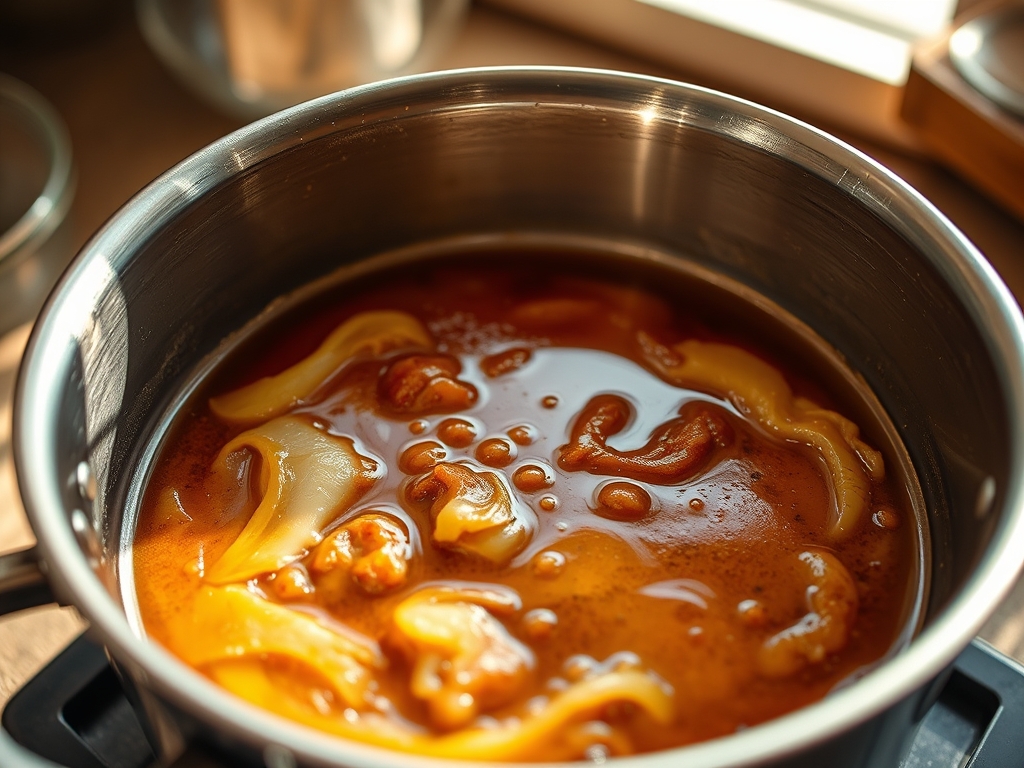
Pro Tip: Use a saucier to gently warm any glaze you might want to apply afterward. The residual heat helps the glaze infuse into the top layers without making the pastry soggy.
Section B: Prep & Timing Fault-Lines:
The most common human error is impatience. If you rush the chilling stages, the butter will melt into the dough, turning your laminated masterpiece into a standard brioche. If your kitchen is over 22 degrees Celsius, you are working in a danger zone. Use ice packs on your work surface if necessary. Another timing error occurs during the proofing stage; if the twists proof for too long, they will lose their structural "torque" and flatten out like a tired accordion. Aim for a 50% increase in volume, no more.
THE VISUAL SPECTRUM
Section C: Thermal & Visual Troubleshooting:
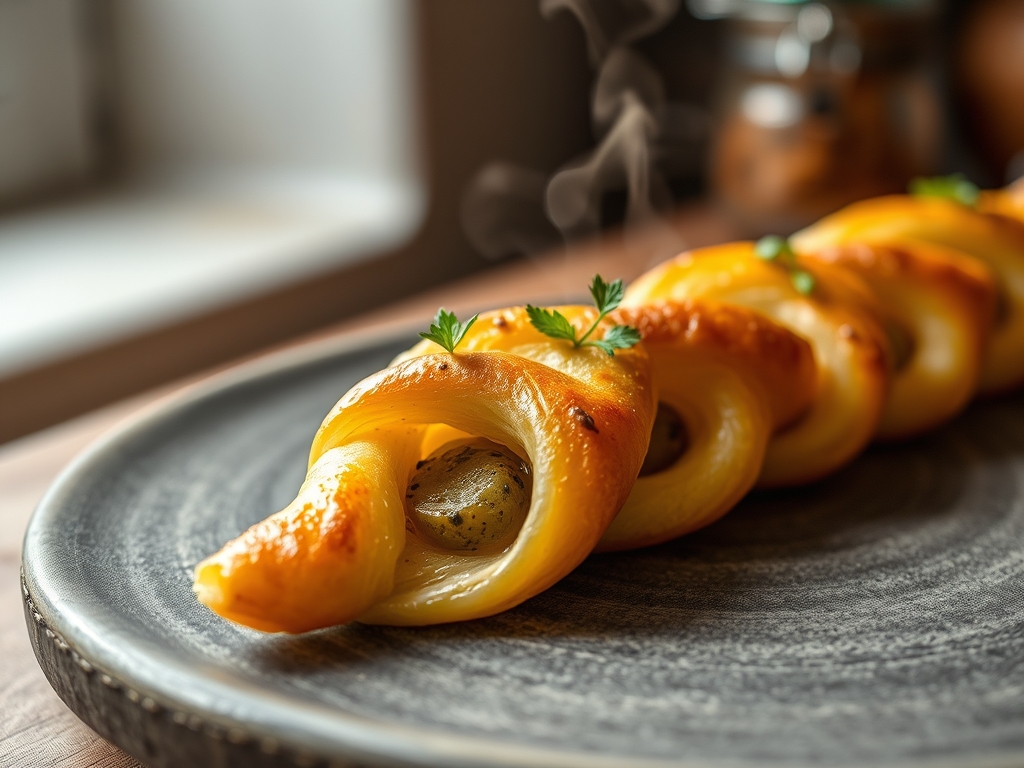
Referencing the Masterclass photo, your Cravat Pastry Twist should exhibit a distinct "shingle" effect where the layers have separated cleanly. If your pastry looks like a solid block of bread, your lamination was compromised by heat. If the color is pale and anemic, you likely forgot the egg wash or your oven calibration is off. A perfect twist features a deep mahogany center with golden-amber edges. If the bottom is burnt while the top is raw, move your baking sheet to a higher rack or use a double-pan method to insulate the base. Dullness is usually a sign of under-baking; the sugars haven't yet reached the stage of carbonization that provides that signature "high-gloss" finish.
THE DEEP DIVE
Macro Nutrition Profile
Each unit contains approximately 280 calories, 18g of fat, 26g of carbohydrates, and 4g of protein. This is a high-density energy source designed for maximum sensory impact, not a weight-loss supplement.
Dietary Swaps
- Vegan: Replace European butter with a high-quality plant-based block (ensure it has a high melting point) and use almond milk with a touch of agave for the wash.
- Keto: This is structurally impossible with traditional lamination; however, a "fat head" dough variation can be twisted, though the layering will be absent.
- Gluten-Free: Use a premium 1-to-1 GF flour blend with added xanthan gum to provide the elasticity required for the twist.
Meal Prep & Reheating Science
To maintain the molecular structure, never microwave a Cravat Pastry Twist. The microwave agitates water molecules, turning the crisp layers into a rubbery mess. Instead, use a convection oven at 150 degrees Celsius for 5 minutes. This evaporates surface moisture and re-crisps the fat layers. For long-term storage, freeze the raw, shaped twists and bake directly from frozen, adding 4 minutes to the total bake time.
THE KITCHEN TABLE
Why did my twists unravel in the oven?
You likely didn't "anchor" the ends. Press the tips of the twist firmly into the parchment paper. This creates a structural pivot point that holds the tension while the proteins set during the initial bake phase.
Can I add a filling like chocolate or jam?
Yes, but proceed with caution. Excess moisture from jam can steam the dough from the inside, destroying the lamination. Use a highly viscous frangipane or a dry chocolate batard to maintain the integrity of the twist.
My pastry is greasy on the bottom. What happened?
The oven temperature was too low. If the heat isn't high enough to set the dough quickly, the butter will melt and leak out before the starch can absorb it. Check your oven with a secondary thermometer.
How do I get that professional shine?
Brush the pastries with a simple syrup (equal parts sugar and water) immediately after they exit the oven. The heat will flash-evaporate the water, leaving a thin, glass-like coating of sugar that sparkles under kitchen lights.