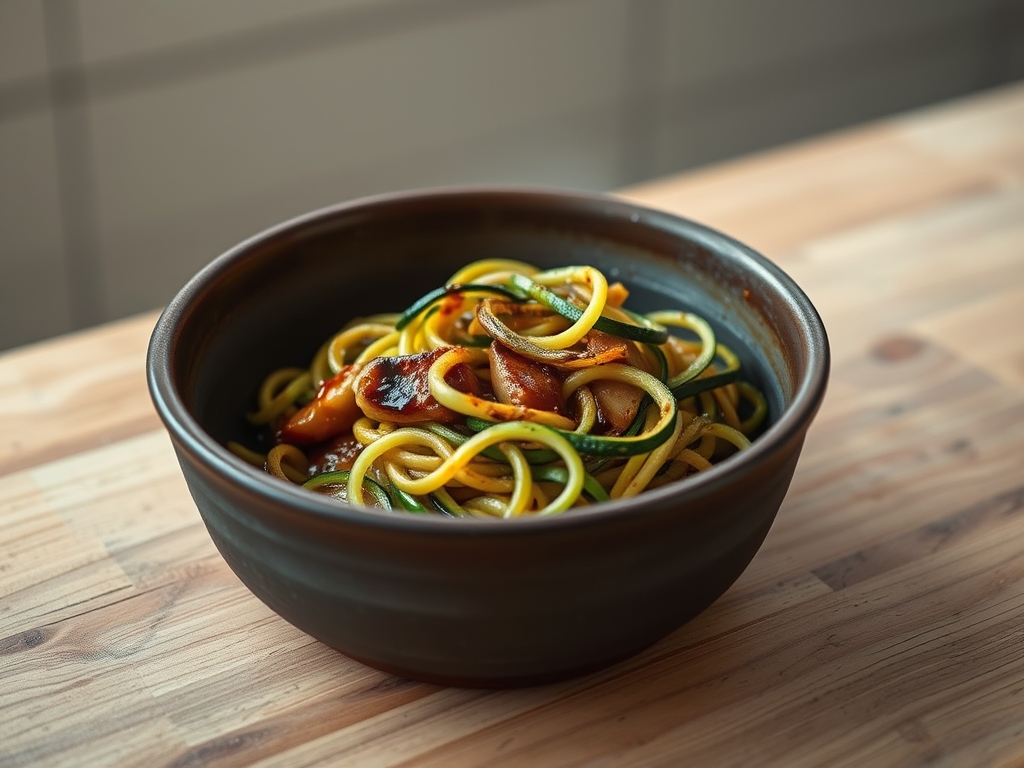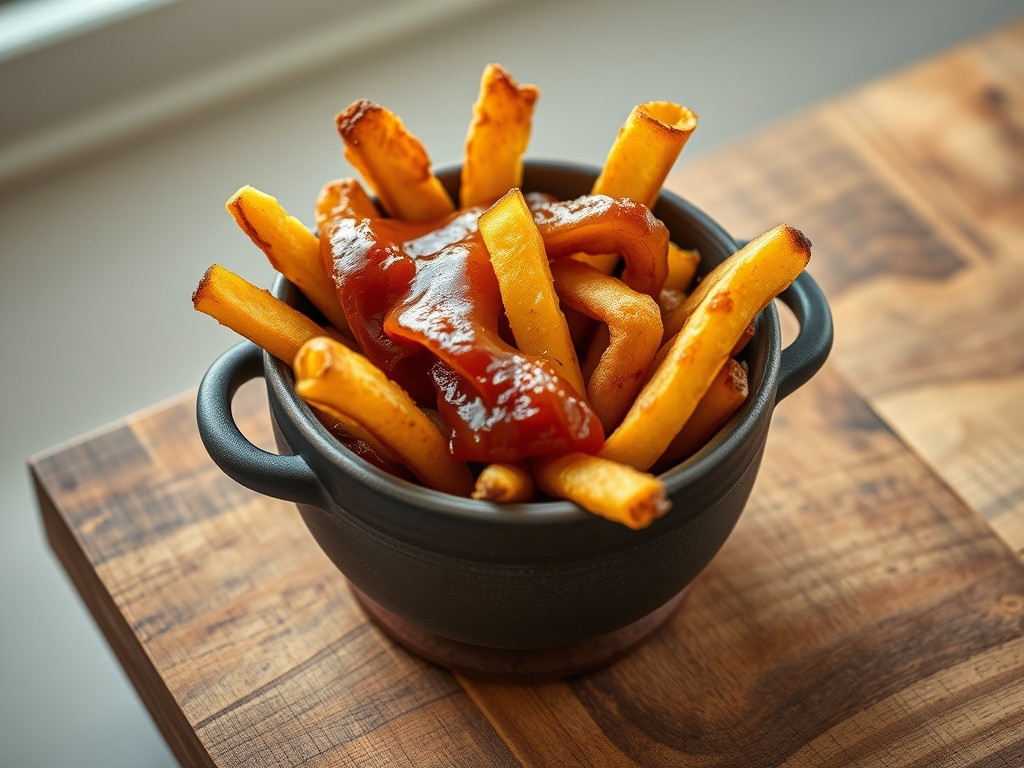
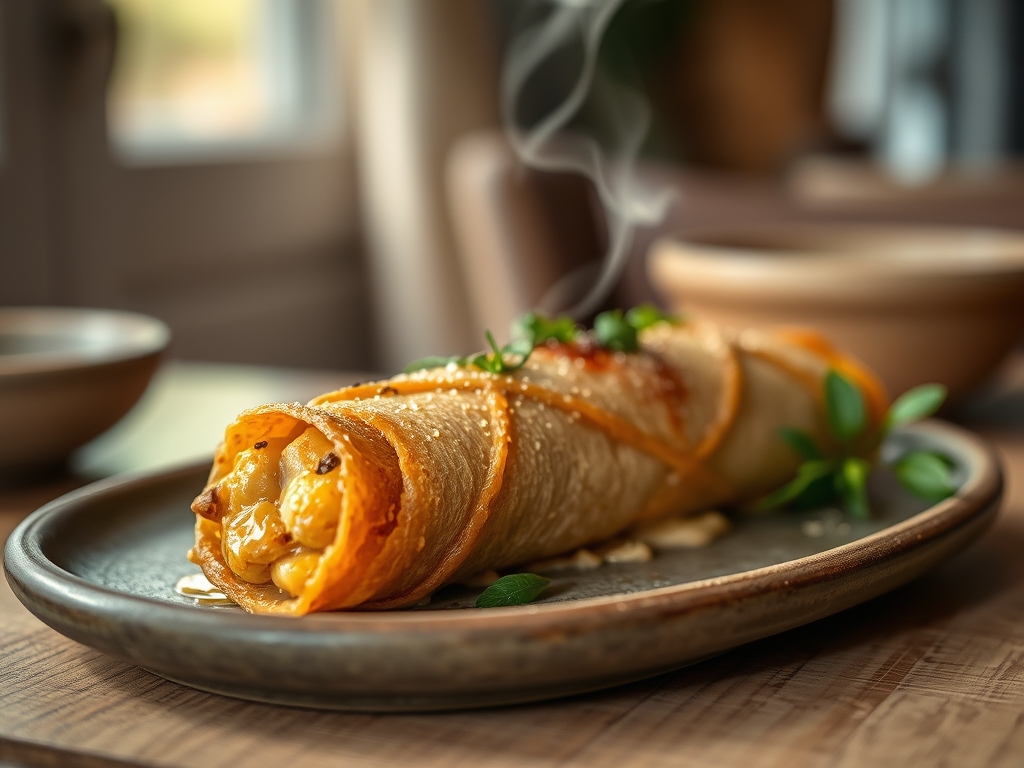
Listen to that sound. It is the sharp, crystalline snap of a perfectly rendered Curly Cannoli Shell shattering under the slightest pressure. If your pastry sounds like damp cardboard or looks like a pale, uninspired tube of dough, you have failed the audit. We are not here to make cookies; we are here to engineer a structural masterpiece of fried dough that defies the humidity of the room and the weight of the ricotta. This is about the physics of the bubble. When the dough hits that 375 degree oil, the acetic acid in the wine reacts with the proteins in the flour to create a micro-volcano of steam. This creates those iconic, blistered craters that define a world class shell. We are looking for a deep, mahogany hue and a texture that is simultaneously sturdy and ethereal. If you cannot handle the heat of the fryer or the precision of the mandrel, step away from the bench. We are building the gold standard of Sicilian architecture, one golden spiral at a time.
THE DATA MATRIX
| Metric | Specification |
|---|---|
| Prep Time | 45 Minutes (Excluding Resting) |
| Execution Time | 30 Minutes |
| Yield | 24 Units |
| Complexity (1-10) | 8 |
| Estimated Cost per Serving | $0.65 |
THE GATHERS
Ingredient Protocol:
- 500g / 4 cups All-Purpose Flour (High protein content preferred)
- 60g / 4 tbsp Granulated Sugar
- 50g / 3.5 tbsp Unsalted Butter (Chilled and cubed)
- 120ml / 0.5 cup Marsala Wine (Dry)
- 1 Large Egg (Room temperature)
- 5ml / 1 tsp Ground Cinnamon
- 2g / 0.5 tsp Fine Sea Salt
- 15ml / 1 tbsp White Vinegar
- 2 Liters / 2.1 Quarts Neutral Oil (For deep frying)
Section A: Ingredient Quality Audit:
The most common failure point in the Curly Cannoli Shell assembly line is the moisture content of the dough. If your flour has been sitting in a humid pantry, it will be viscous and heavy, leading to a leathery shell. Audit your flour by weighing it on a digital scale; volume measurements are for amateurs. If the Marsala is too sweet, the high sugar content will cause the shell to burn before the interior is fully dehydrated. Fix this by balancing the acidity with an extra splash of white vinegar. If your butter is too warm during the initial mix, you will lose the "short" texture. The goal is to render the fat into tiny pebbles that create steam pockets, not to melt it into a greasy sludge.
THE MASTERCLASS
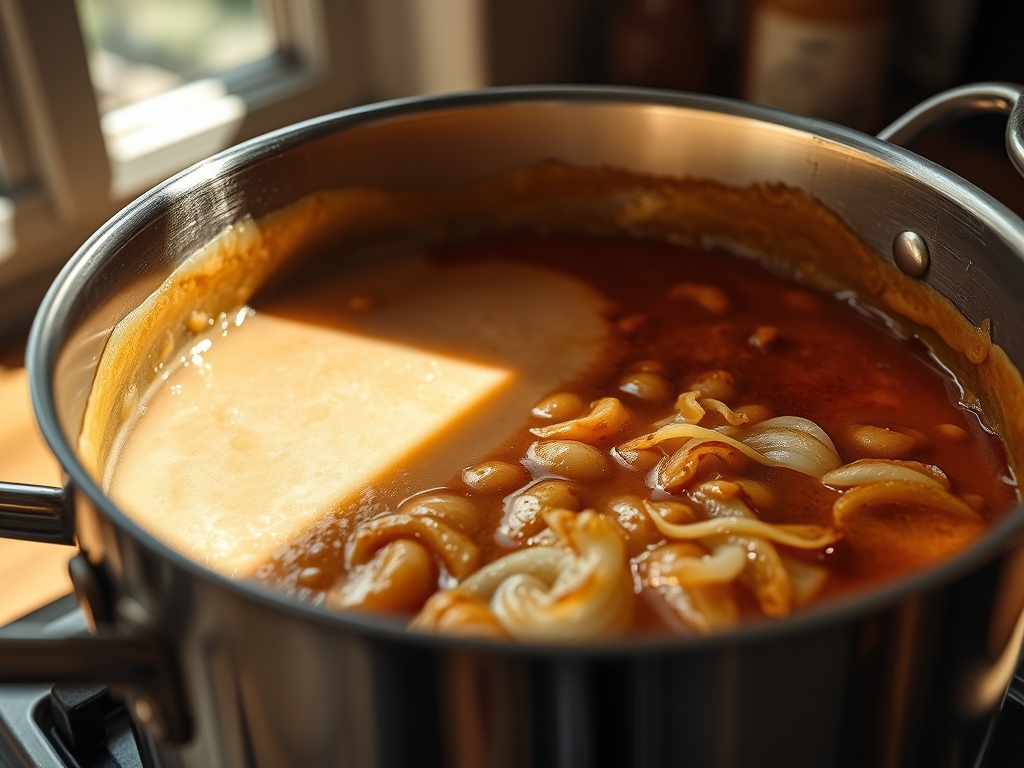
Step-by-Step Execution:
1. The Molecular Integration
Combine the dry ingredients in a large stainless steel bowl. Using a pastry cutter or a bench scraper, work the chilled butter into the flour until it resembles coarse sand. Create a well in the center and pour in the Marsala, egg, and vinegar.
Pro Tip: The addition of vinegar and Marsala is not just for flavor; the acidity breaks down the gluten bonds. This prevents the dough from snapping back when you roll it, ensuring your Curly Cannoli Shell remains thin and crisp rather than thick and bread-like.
2. The Hydration Phase
Knead the dough for exactly ten minutes until it is smooth and elastic. Wrap it tightly in plastic film and let it rest at room temperature for two hours.
Pro Tip: Resting allows the starches to fully aerate and hydrate. Without this pause, the elasticity of the gluten will cause the shells to shrink and deform once they hit the hot oil. Use a saucier or small pot to prep any fillings while you wait.
3. Precision Lamination
Divide the dough into four sections. Using a pasta machine or a heavy rolling pin, roll the dough until it is translucent (approximately 1.5mm thick). Use a circular cutter to create 4-inch discs.
Pro Tip: If the dough sticks, do not over-flour the surface. Use a digital scale to ensure each disc is uniform in weight. Consistency in thickness ensures that every shell in the batch reaches the optimal Maillard reaction at the same second.
4. The Mandrel Wrap
Lightly grease your stainless steel cannoli tubes. Wrap the dough disc around the tube, sealing the edge with a tiny amount of egg white. Ensure the seal is tight but do not squeeze the dough.
Pro Tip: The seal is the structural "keystone." If you use too much egg white, it will act as a glue that prevents the shell from sliding off the tube after frying. If you use too little, the shell will unravel in the oil like a spent firework.
5. Thermal Immersion
Heat your oil to 375 degrees Fahrenheit. Submerge the tubes two at a time. Fry for 2 to 3 minutes until the bubbling subsides and the shells are a deep golden brown.
Pro Tip: Use an infrared thermometer to monitor oil temperature. If the temperature drops below 350, the dough will absorb oil and become greasy. If it spikes above 400, the exterior will char before the bubbles have time to form.
Section B: Prep & Timing Fault-Lines:
The most dangerous timing error occurs during the transition from the fryer to the cooling rack. If you leave the shell on the metal tube for more than sixty seconds after removal, the cooling metal will contract and "grip" the pastry, causing it to shatter when you try to slide it off. Use a pair of tongs and a clean kitchen towel to slide the shells off while they are still screaming hot. Furthermore, never fill a shell that is even slightly warm. The residual heat will melt the fats in your ricotta filling, turning your masterpiece into a soggy mess within minutes.
THE VISUAL SPECTRUM
Section C: Thermal & Visual Troubleshooting:
Look closely at the reference photo. A perfect Curly Cannoli Shell must exhibit "micro-blistering." These are the tiny, pebble-like bumps on the surface. If your shells are smooth, you likely skipped the vinegar or failed to roll the dough thin enough. If the color is pale and "blonde," you have failed to achieve the necessary Maillard reaction; increase your fry time or check your sugar levels. Dark spots or "leopard venting" indicate that the oil was dirty or that there were pockets of trapped air in the dough. To achieve that professional sheen, ensure the oil is fresh and the dough is docked lightly with a fork if it begins to puff too aggressively into a single large bubble.
THE DEEP DIVE
Macro Nutrition Profile:
A single shell (unfilled) contains approximately 120 calories, 6g of fat, 14g of carbohydrates, and 2g of protein. Once filled with traditional sweetened ricotta, the caloric density increases significantly.
Dietary Swaps:
For a Vegan audit, replace the butter with chilled coconut oil (solid state) and use a flax-egg or omit the egg entirely, increasing the Marsala slightly. For Gluten-Free variants, a high-quality 1-to-1 flour blend with added xantham gum is required to maintain the structural integrity needed to wrap around the mandrel. Keto versions are notoriously difficult; almond flour lacks the gluten structure to bubble, so a whey protein isolate and egg white base is the best technical workaround.
Meal Prep & Reheating Science:
To maintain the molecular structure of the shell, store them in an airtight container with a silica gel packet to absorb ambient moisture. Never refrigerate empty shells; the humidity will compromise the crispness. To revive a stale shell, "flash" it in a 350 degree oven for 90 seconds to infuse the crust with heat and drive out moisture, then cool completely before filling.
THE KITCHEN TABLE
Why are my shells soft after an hour?
Humidity is your enemy. If you fill them too early, the moisture in the ricotta migrates into the crust. Always line the interior of the shell with a thin layer of melted chocolate to create a waterproof barrier.
Can I bake these instead of frying?
You can, but you will lose the iconic blistering. Baking creates a "biscuit" texture rather than a "fried" texture. The rapid expansion of steam in hot oil is what creates the signature Curly Cannoli Shell profile.
What is the best oil for frying?
Use an oil with a high smoke point and neutral flavor, such as grapeseed or peanut oil. Avoid olive oil; its low smoke point will result in a bitter, acrid aftertaste that overpowers the delicate Marsala.
How do I stop the shells from exploding in the oil?
Explosions are caused by large air pockets. Ensure you roll the dough thin and press the seal firmly. If the dough is too thick, the internal steam pressure cannot escape through the pores, causing a structural blowout.