Listen to the sound of high-velocity protein transformation. When a raw crustacean hits a shimmering layer of fat in a pre-heated carbon steel pan, you are not just cooking; you are witnessing a violent structural reconfiguration. The Shrimp Thermal Curl is the definitive visual metric of success. It is the precise moment when longitudinal muscle fibers contract under intense caloric transfer, pulling the tail toward the head in a tight, succulent arc. If the curl is too loose, the proteins remain flaccid and under-developed. If the curl is too tight, forming a closed "O" shape, you have triggered a catastrophic moisture loss that leaves the meat rubbery and fibrous. We are aiming for the "C" curve: the golden ratio of texture and snap. This audit focuses on the intersection of heat flux and enzymatic breakdown. We will utilize high-heat searing to trigger the Maillard reaction while maintaining a tender, translucent core. Prepare your station; we are about to optimize your crustacean output through rigorous thermal discipline and flavor engineering.
THE DATA MATRIX
| Metric | Specification |
|---|---|
| Prep Time | 20 Minutes |
| Execution Time | 6 Minutes |
| Yield | 4 Servings |
| Complexity (1-10) | 6 |
| Estimated Cost per Serving | $8.50 USD |
THE GATHERS
Ingredient Protocol:
- 450g / 1 lb Large Shrimp (16/20 count), peeled and deveined.
- 45ml / 3 tbsp High-Smoke Point Oil (Avocado or Grapeseed).
- 30g / 2 tbsp Unsalted Butter (European style for higher fat content).
- 4 Large Garlic Cloves, microplaned.
- 5ml / 1 tsp Red Pepper Flakes (Adjust for piquant intensity).
- 60ml / 0.25 cup Dry White Wine (Sauvignon Blanc or Pinot Grigio).
- 15ml / 1 tbsp Fresh Lemon Juice.
- 5g / 1 tsp Smoked Paprika.
- 10g / 0.25 cup Fresh Flat-Leaf Parsley, chiffonade.
Section A: Ingredient Quality Audit:
Sub-par raw materials will compromise the integrity of the Shrimp Thermal Curl. If your shrimp feel slimy or emit a faint ammonia scent, the proteins have begun to degrade; rinse them in a 5% saline solution for ten minutes to neutralize surface bacteria and firm the flesh. If using frozen stock, ensure they are fully thawed and patted bone-dry with lint-free towels. Excess surface moisture is the enemy of the sear; it creates a steam jacket that prevents the Maillard reaction, resulting in a gray, pallid exterior rather than a vibrant, caramelized crust.
THE MASTERCLASS
1. Surface Dehydration and Seasoning
Place the cleaned shrimp on a tray lined with paper towels. Use a second towel to press firmly on the top. Dust both sides with smoked paprika and sea salt using a fine-mesh sieve for even distribution.
Pro Tip: Use a digital scale to ensure salt is exactly 1.5% of the total protein weight. This precision ensures deep cellular seasoning without over-extracting moisture before the shrimp hits the pan.
2. The High-Torque Sear
Heat your saucier or heavy-bottomed skillet over medium-high heat until the oil reaches its shimmer point. Add the shrimp in a single layer, ensuring they do not touch. Crowding the pan drops the temperature, ruining the snap.
Pro Tip: Monitor the Shrimp Thermal Curl. As soon as the translucent gray turns to an opaque white and the tail begins its inward trajectory, flip them. Professional chefs use offset tweezers for surgical precision during this high-heat window.
3. Aromatics and Lipid Infusion
Lower the heat to medium. Push the shrimp to the perimeter and add the butter to the center. Once the butter begins to foam and render its water content, add the garlic and red pepper flakes.
Pro Tip: Use a bench scraper to quickly clear your cutting board of garlic skins. The goal is to infuse the fat with aromatics for exactly 30 seconds to avoid bitter, burnt garlic particulates.
4. Deglazing and Emulsification
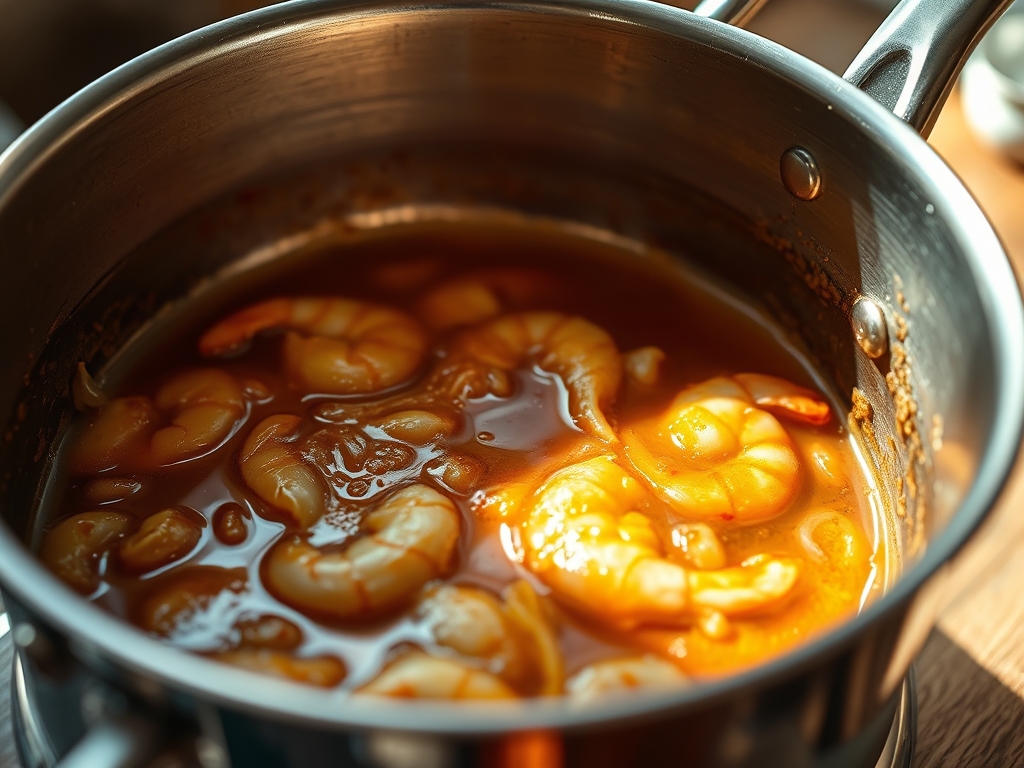
Pour the white wine into the pan. Use a wooden spoon to deglaze the fond (the caramelized bits stuck to the bottom). Increase the heat slightly to reduce the liquid by half.
Pro Tip: Swirl the pan constantly. This mechanical agitation helps aerate the sauce, creating a viscous, velvety emulsion between the wine, butter, and natural shrimp juices.
5. The Acidic Finish
Remove the pan from the heat. Toss in the lemon juice and parsley. The residual heat will wilt the herbs without destroying their vibrant chlorophyll.
Pro Tip: Check the final internal temperature with an instant-read thermometer. You are looking for 49C / 120F for a perfect, succulent texture that avoids the "tight-O" overcook.
Section B: Prep & Timing Fault-Lines:
The most common failure in this protocol is "Thermal Lag." This occurs when the cook waits too long to add the aromatics, causing the shrimp to over-tighten while the garlic is still raw. To fix this, have your "mise en place" strictly organized. If you notice the shrimp are curling faster than your sauce is reducing, remove the shrimp to a warm plate immediately and finish the sauce independently. Re-incorporate the protein only at the final plating stage to maintain structural integrity.
THE VISUAL SPECTRUM
Section C: Thermal & Visual Troubleshooting:
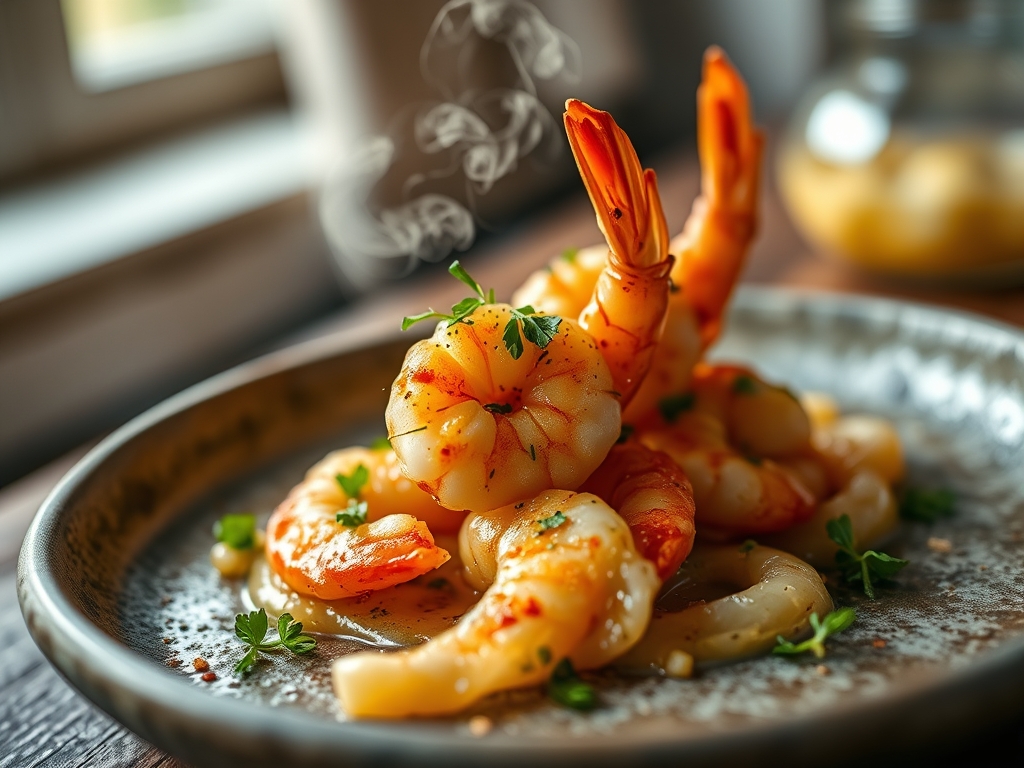
Analyze the reference image: notice the vibrant orange-red hue against the flecks of green parsley. If your dish looks "muddy" or brown, you likely scorched the butter or used a wine with too much residual sugar. If the shrimp look "matte" rather than "glossy," your emulsion has broken; whisk in a teaspoon of hot water to re-bind the fat and liquid. If the Shrimp Thermal Curl appears jagged or broken, your knife skills during the deveining process were too aggressive, compromising the dorsal muscle. Aim for a clean, shallow slit to preserve the aesthetic arc.
THE DEEP DIVE
Macro Nutrition Profile:
A standard serving provides approximately 28g of high-density protein, 12g of healthy fats (primarily from the butter and oil), and less than 4g of carbohydrates. It is an efficient fuel source for cellular repair and metabolic torque.
Dietary Swaps:
- Vegan: Replace shrimp with king oyster mushroom medallions (scored in a crosshatch pattern) and use a plant-based butter alternative with a high lecithin content for emulsification.
- Keto: The recipe is inherently Keto-compliant. Ensure the wine is bone-dry to minimize sugar impact.
- GF: This protocol is naturally gluten-free. Ensure your smoked paprika is certified free of cross-contamination.
Meal Prep & Reheating Science:
To maintain the molecular structure during reheating, avoid the microwave at all costs. The microwave excites water molecules too rapidly, toughening the protein fibers. Instead, flash-sear the shrimp in a pan with a tablespoon of water or stock for 60 seconds. This gently steams the protein back to temperature without restarting the contraction of the Shrimp Thermal Curl.
THE KITCHEN TABLE
Why is my shrimp rubbery?
You have exceeded the thermal threshold. The muscle fibers have contracted so tightly they have squeezed out all intracellular moisture. Pull the shrimp when they form a "C" shape, never an "O."
Can I use pre-cooked shrimp?
Negative. Pre-cooked shrimp have already undergone protein denaturation. Re-heating them for a sear will result in a mealy, dry texture that cannot achieve a proper Shrimp Thermal Curl.
What wine works best?
Select a high-acid, low-sugar white wine. The acidity is crucial to cut through the lipid density of the butter, providing a balanced, viscous mouthfeel that highlights the sweetness of the crustacean.
How do I get a better sear?
Dry the shrimp obsessively. Any surface moisture will absorb thermal energy to evaporate, preventing the Maillard reaction. Use a heavy cast iron or carbon steel pan for maximum heat retention.