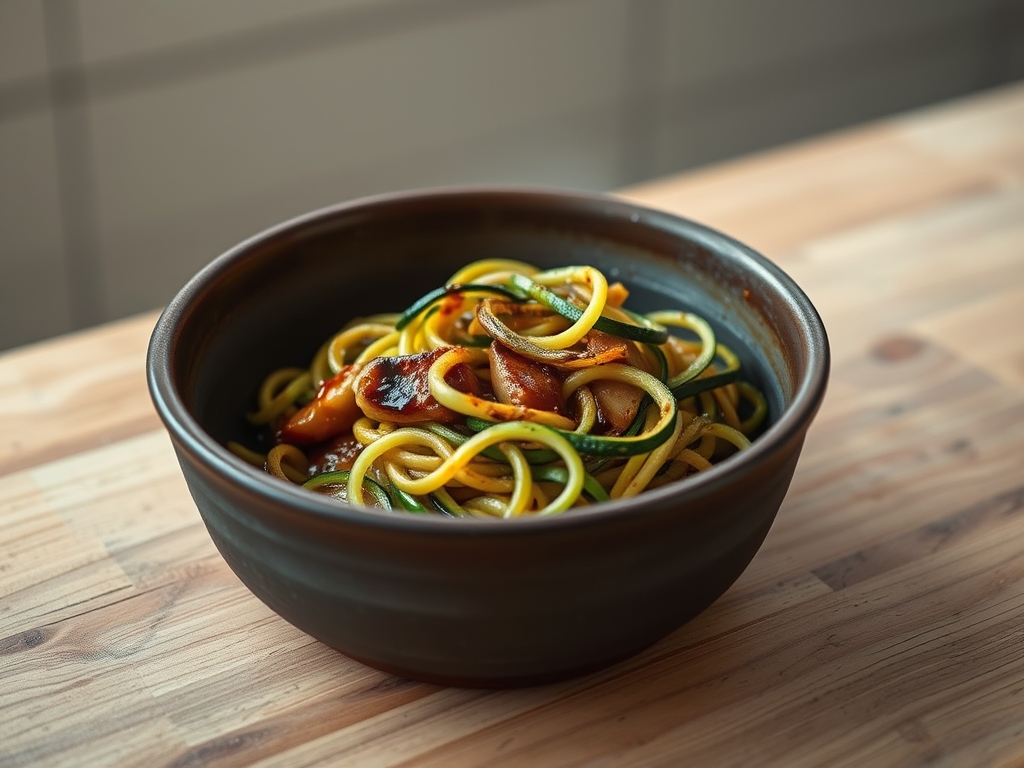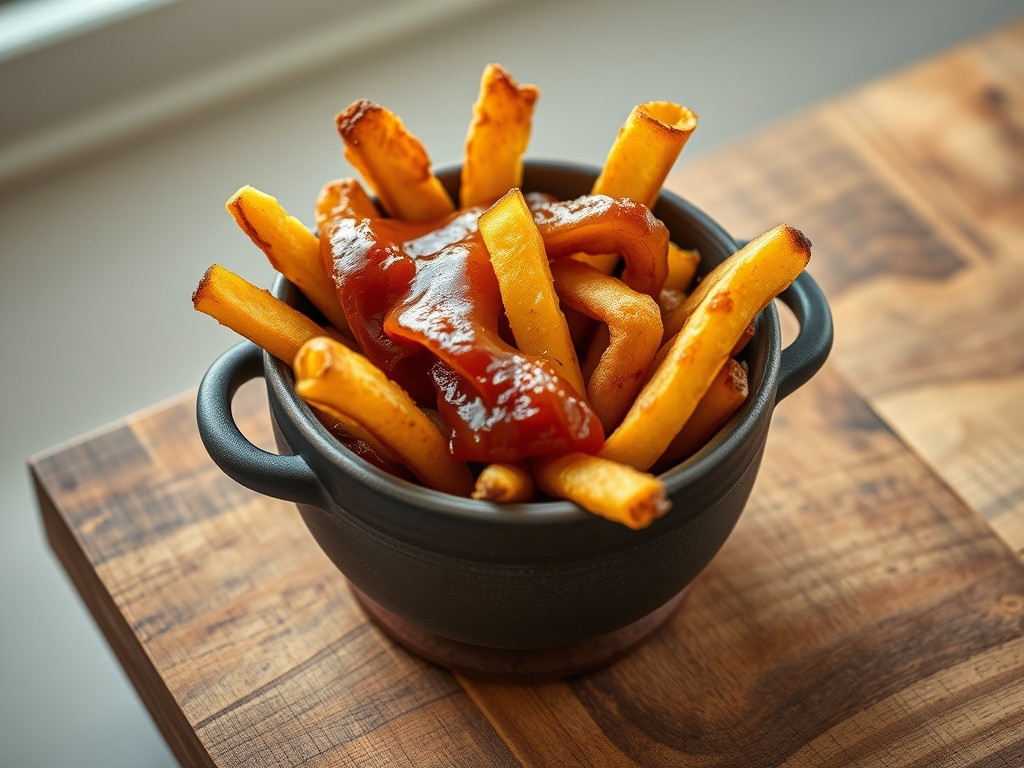
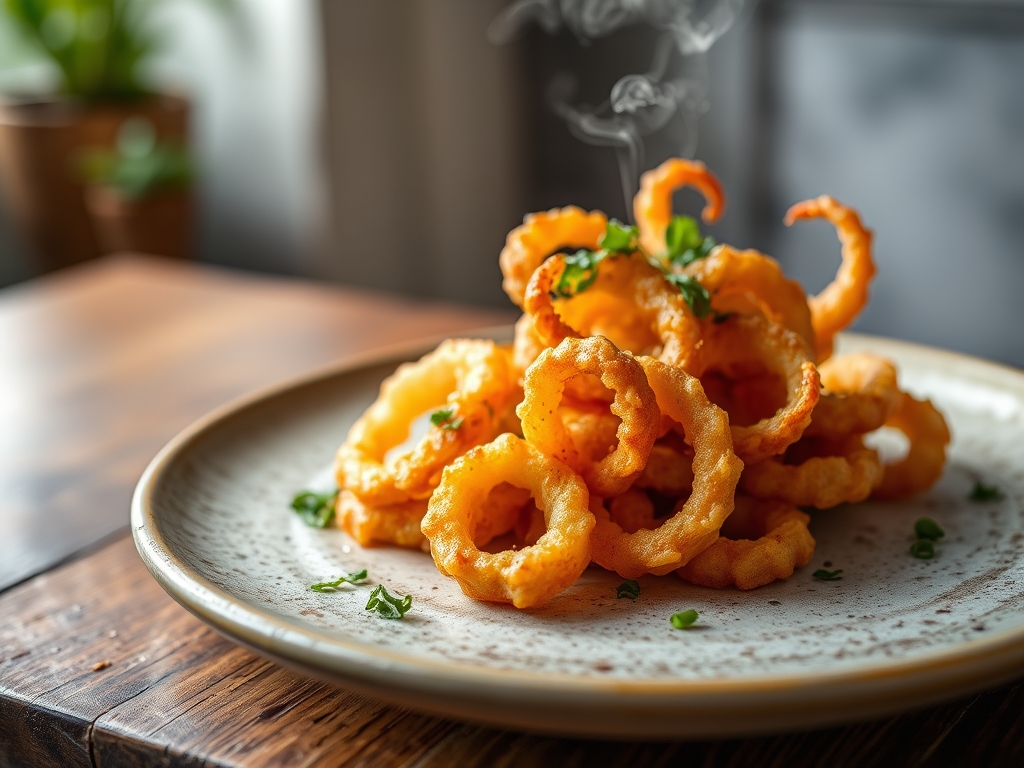
The scent of flash-seared cephalopod is the olfactory equivalent of a high-speed chase. When the heat hits the pan, we are not merely cooking; we are orchestrating a violent, beautiful transformation of collagen and muscle fiber. This is the realm of Curly Squid Rings. To the uninitiated, a squid ring is a rubbery disappointment. To the culinary architect, it is a masterclass in rapid-phase thermal curling. We are hunting for that precise moment where the protein matrix contracts, pulling the mantle into a perfect, springy helix that captures sauce in its internal curvature. The goal is a texture that is snappy yet tender, yielding to the tooth with a clean break rather than a rhythmic struggle. We demand a surface area optimized for the Maillard reaction, ensuring every millimeter of the ring is kissed by the flame. If you are looking for a soggy, grey pile of seafood, you are in the wrong laboratory. We deal in structural integrity, high-velocity heat transfer, and the pursuit of the perfect, golden-brown curl.
THE DATA MATRIX
| Metric | Specification |
|---|---|
| Prep Time | 20 Minutes |
| Execution Time | 4 Minutes |
| Yield | 4 Servings |
| Complexity | 6 / 10 |
| Estimated Cost per Serving | $4.50 USD |
THE GATHERS
Ingredient Protocol:
- 500g / 1.1 lbs Fresh Squid Mantles (cleaned and skinned)
- 125g / 1 cup All-Purpose Flour (or Rice Flour for extra crispness)
- 5g / 1 tsp Smoked Paprika
- 3g / 0.5 tsp Cayenne Pepper
- 15ml / 1 tbsp Cold Seltzer Water
- 500ml / 2 cups Neutral Oil (Grapeseed or Peanut)
- 10g / 2 tsp Flaky Sea Salt
- 1 Lemon (Zested and wedged)
Section A: Ingredient Quality Audit:
The primary failure point in this protocol is the moisture content of the raw material. If your squid arrives sitting in a pool of its own purge, the cellular structure is already compromised. Sub-par raw materials often exhibit a "fishy" odor caused by Trimethylamine (TMA). The technical fix is a ten-minute soak in a 5% milk solution; the casein proteins bind to the TMA and neutralize the scent. Furthermore, if the squid is too "slick," the coating will slide off during the thermal phase. Ensure you utilize a lint-free kitchen towel to achieve a bone-dry surface before the first incision. If the squid feels "mushy," it has likely been frozen and thawed improperly; discard and source fresh mantles to ensure the protein fibers have the tension required to curl.
THE MASTERCLASS
1. Precision Geometry and Slicing
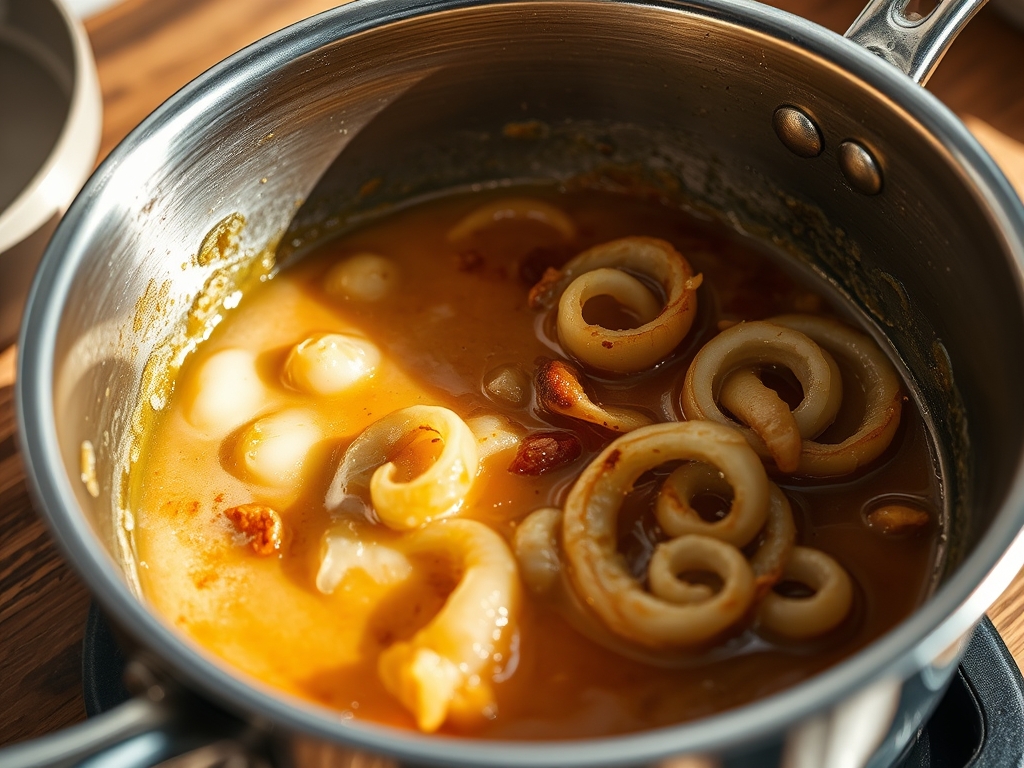
Lay the cleaned mantle flat on a heavy-duty cutting board. Using a sharpened chef knife or a Japanese petty knife, slice the mantle into rings exactly 1.5cm wide. Consistency is the backbone of even thermal distribution. If the rings vary in width, the thinner ones will over-coagulate and become rubbery before the thicker ones reach the curling threshold.
Pro Tip: Use a bench scraper to move the sliced rings into a stainless steel mixing bowl. This prevents bruising the delicate flesh and maintains the circular integrity of the rings before they hit the heat.
2. The Aerated Coating Phase
In a separate bowl, whisk your dry ingredients. Introduce the cold seltzer water slowly to create a "dry-wet" hybrid coating. We are looking for a consistency that is barely viscous. The goal is to create micro-pockets of air that will expand rapidly when submerged in hot oil, creating a shattered-glass texture.
Pro Tip: Use a digital scale to measure your flour and liquids. Volumetric measurements are prone to human error; weight-based ratios ensure the coating is light enough to aerate without becoming a heavy dough.
3. Thermal Acceleration
Heat your oil in a heavy-bottomed saucier or a deep cast-iron skillet until it reaches exactly 185C (365F). This temperature is the sweet spot where the exterior dehydrates into a crust while the interior proteins contract just enough to induce the curl.
Pro Tip: Monitor the temperature with an infrared thermometer or a clip-on probe. If the temperature drops below 175C, the squid will absorb oil and become greasy. If it exceeds 195C, the coating will burn before the interior can render its moisture.
4. The Flash Fry and Curl
Drop the rings into the oil in small batches. Do not overcrowd the vessel. Within 45 seconds, the rings will begin to twist and coil. This is the rapid phase thermal curling in action. Use a stainless steel spider to agitate the rings, ensuring even browning on all surfaces.
Pro Tip: A saucier is ideal here because its sloped sides allow the oil to circulate more effectively around the curved geometry of the squid, preventing "dead zones" of cooler oil.
5. Post-Thermal Recovery
Remove the rings once they achieve a deep golden hue. Transfer them immediately to a wire cooling rack set over a sheet pan. Seasoning must happen within the first five seconds of exit while the surface oil is still viscous enough to adhere the salt and zest.
Pro Tip: Never drain on paper towels. Paper towels trap steam against the bottom of the rings, which will soften the crust you just worked so hard to infuse with crispness.
Section B: Prep & Timing Fault-Lines:
The most common human error is the "batch-lag" effect. If you prep all the squid but fry it in batches that are too small, the later batches will sit in the coating for too long. This causes the flour to hydrate fully, resulting in a leathery skin rather than a crisp shell. To fix this, only coat what you can fry immediately. Another timing error is the "cold-shock." If the squid is taken directly from a 4C refrigerator to a 185C fryer, the exterior will overcook before the center reaches the safety zone. Allow the squid to sit at room temperature for 10 minutes before the fry.
THE VISUAL SPECTRUM
Section C: Thermal & Visual Troubleshooting:
Review the Masterclass photo. Note the "shattered" appearance of the crust; this is the result of carbonation in the seltzer. If your rings look smooth and dull, you likely over-mixed the batter, popping the air bubbles. If the rings are straight rather than curled, the heat was too low to cause rapid protein contraction. If you see dark brown spots on a pale background, your oil was contaminated with old flour particles; use a fine-mesh sieve to deglaze the oil between batches. The ideal visual cue is a uniform, honey-gold color with distinct, tight spirals that show no grey or translucent spots in the center.
THE DEEP DIVE
Macro Nutrition Profile:
A standard serving of these Curly Squid Rings provides approximately 28g of high-quality protein, 12g of fats (primarily unsaturated if using grapeseed oil), and 18g of carbohydrates. It is a dense source of Vitamin B12 and Selenium, making it a functional powerhouse for neurological health.
Dietary Swaps:
- Vegan: Replace squid with King Oyster Mushroom stalks sliced into rings. The texture is remarkably similar when flash-fried.
- Keto: Swap the flour for a 50/50 mix of almond flour and crushed pork rinds.
- GF: Use a high-quality rice flour or cornstarch; these actually provide a superior "crunch" factor compared to wheat.
Meal Prep & Reheating Science:
Seafood is notoriously difficult to reheat. To maintain molecular structure, avoid the microwave. Instead, use an air fryer at 200C for 2 minutes. This high-intensity dry heat re-activates the fats in the crust, crisping it back up without further toughening the internal protein matrix.
THE KITCHEN TABLE
Why are my squid rings tough?
You likely overcooked them. Squid follows a "U-curve" for tenderness; it is tender after 60 seconds, tough after 3 minutes, and tender again after 40 minutes of braising. For frying, stay under the 90-second mark.
Can I use frozen squid?
Yes, but the thawing process is critical. Thaw slowly in the refrigerator and pat excessively dry. Frozen squid often has extra moisture injected; if not removed, this steam will blow the coating off the ring during frying.
What oil is best for high-heat curling?
Peanut oil is the gold standard due to its high smoke point and neutral flavor profile. If allergies are a concern, grapeseed oil offers similar thermal stability without the risk of cross-contamination.
How do I get a tighter curl?
Score the inside of the ring very lightly with a knife before frying. These "stress fractures" in the muscle fiber encourage the protein to pull inward more aggressively when the heat hits, creating a tighter spiral.