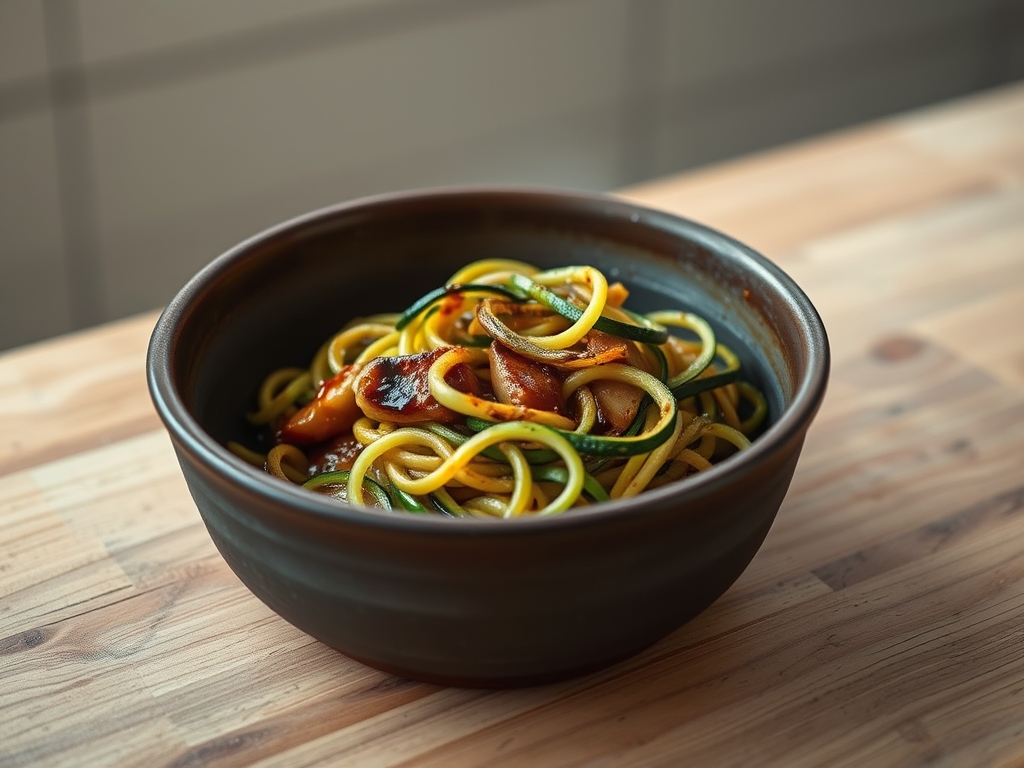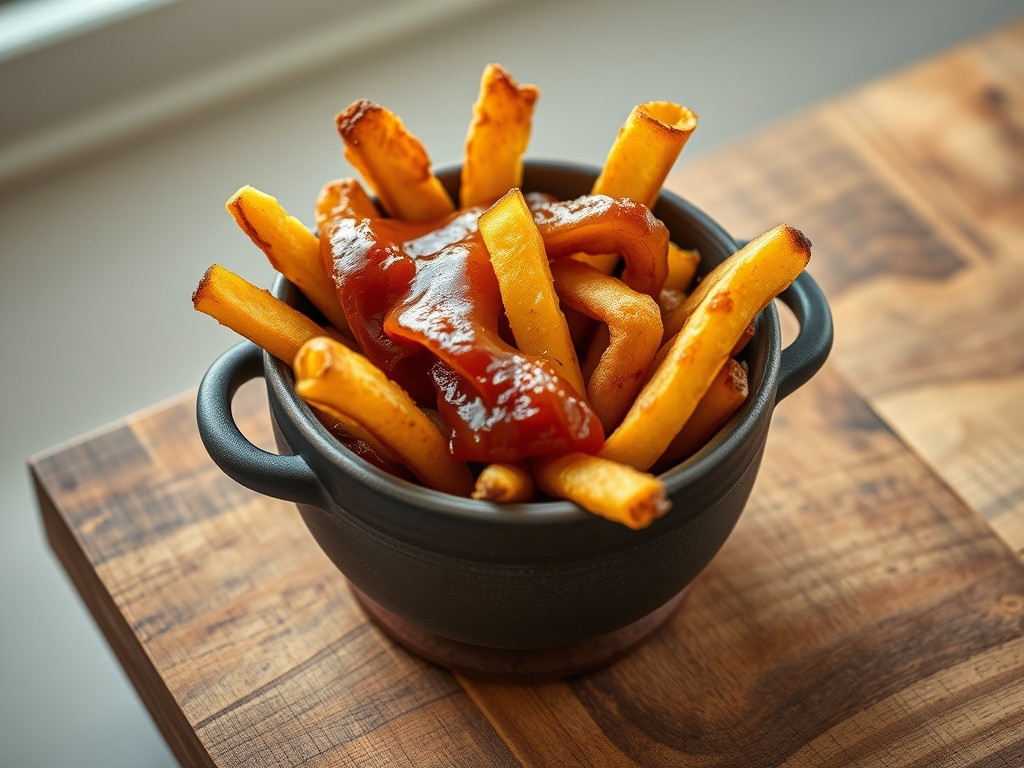
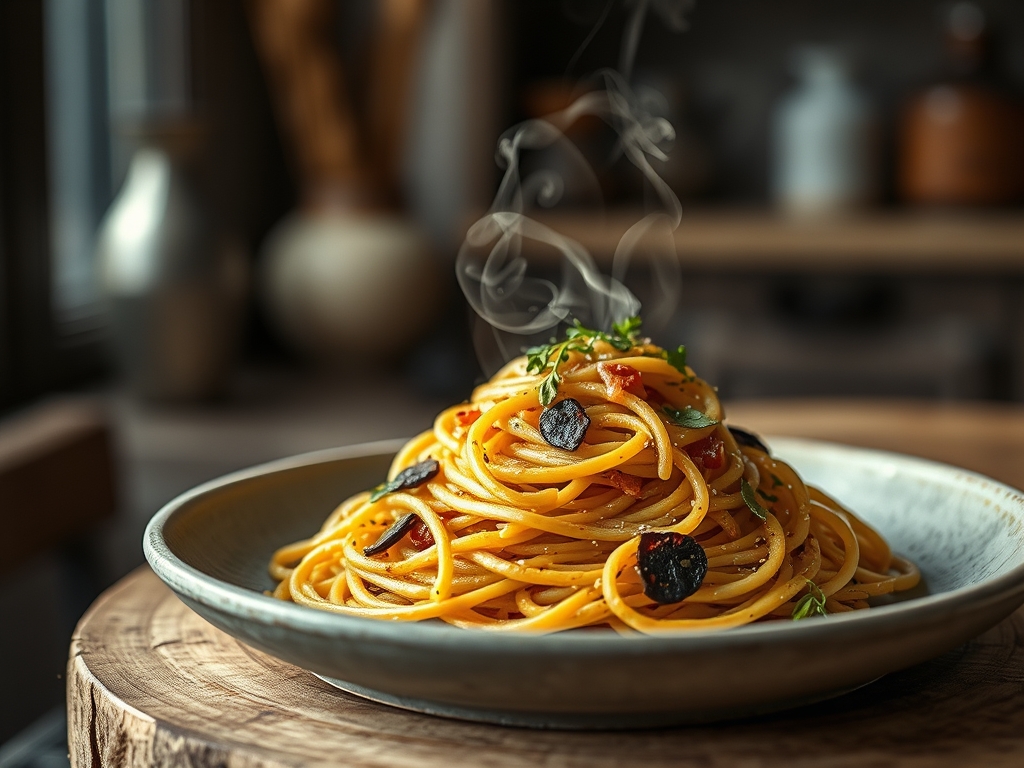
Listen up, kitchen architects. We are moving beyond the rudimentary world of standard starch shapes and entering the realm of precision-engineered carbohydrates. Forget the flaccid, over-boiled grains of your amateur past; today, we are conducting a structural overhaul of the culinary landscape. We are talking about the Spiralized Orzo protocol. This is not just a meal; it is a high-velocity collision of texture and surface area. Imagine a grain that defies the traditional laws of geometry. Every single kernel is a miniature helical engine designed to trap viscous sauces and maximize the surface-to-volume ratio for optimal flavor delivery. When you drop these grains into a shimmering, piquant emulsion, you are not just cooking; you are performing a mechanical upgrade on the very concept of pasta. The air in the kitchen should crackle with the scent of toasted semolina and rendered fats. We are seeking that perfect point of resistance, that al dente snap that signals a successful structural integrity test. Prepare your workstations. The audit of the Spiralized Orzo begins now, and mediocrity is not on the manifest.
THE DATA MATRIX
| Metric | Specification |
|---|---|
| Prep Time | 12 Minutes |
| Execution Time | 18 Minutes |
| Yield | 4 Servings |
| Complexity (1-10) | 6.5 |
| Estimated Cost per Serving | $2.85 |
THE GATHERS
Ingredient Protocol:
- 450g / 1 lb High-Protein Semolina Orzo
- 60ml / 4 tbsp Extra Virgin Olive Oil (Cold-Pressed)
- 30g / 2 tbsp Unsalted European Butter (82% Butterfat)
- 4 Large Garlic Cloves (Microplaned)
- 500ml / 2 cups Low-Sodium Chicken or Vegetable Stock
- 120ml / 0.5 cup Dry White Wine (Acidic Profile)
- 60g / 0.5 cup Freshly Grated Parmigiano-Reggiano
- 5g / 1 tsp Red Chili Flakes
- 1 Large Organic Lemon (Zested and Juiced)
- 15g / 0.25 cup Fresh Flat-Leaf Parsley (Chiffonade)
Section A: Ingredient Quality Audit:
If your raw materials fail the initial inspection, your final output will suffer catastrophic structural failure. Sub-par garlic that has begun to sprout will introduce a bitter, metallic profile; discard any cloves with green internal shoots. If your Parmigiano-Reggiano smells of wax rather than toasted nuts, it is likely a low-grade imitation. The fix? Always source DOP-certified cheese to ensure the crystalline structure required for a proper emulsion. If your olive oil lacks a peppery finish, it has likely oxidized. To salvage a dish with dull oil, infuse it with a pinch of high-quality sea salt and a dash of lemon zest before beginning the thermal phase to artificially brighten the lipid profile.
THE MASTERCLASS
1. The Maillard Pre-Toast
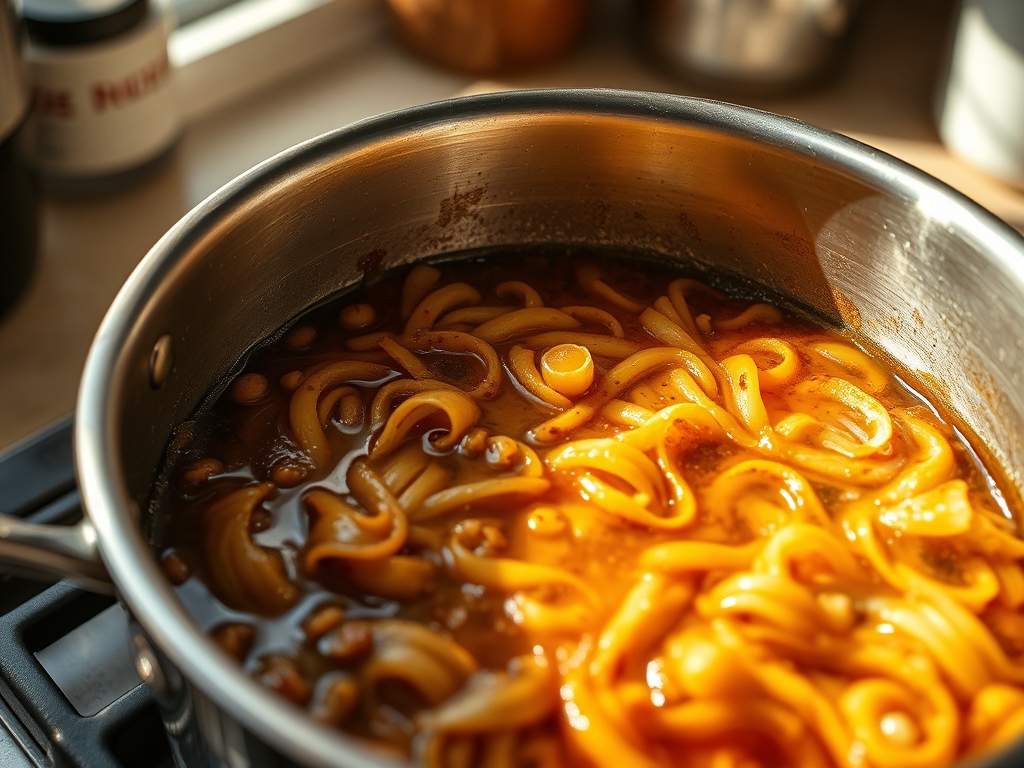
Place your heavy-bottomed saucier over medium-high heat. Add the dry Spiralized Orzo directly to the pan without oil. Use a wooden spoon to constantly agitate the grains until they transition from pale cream to a deep, golden tan. This process initiates the Maillard reaction, creating complex nutty aromas that boiled pasta simply cannot achieve.
Pro Tip: Use a digital scale to ensure your pasta-to-pan ratio is correct. Overcrowding the saucier leads to uneven heat distribution and inconsistent browning. The science here is simple: dry heat breaks down starches into sugars, which then caramelize for a deeper flavor profile.
2. The Lipid Infusion
Reduce the heat to medium and introduce the olive oil and butter. Once the butter begins to foam, add the microplaned garlic and chili flakes. You are looking for a gentle sizzle, not a scorched burn. The fats will act as a carrier for the fat-soluble compounds in the aromatics.
Pro Tip: Use a bench scraper to efficiently transfer your prepped garlic from the cutting board to the pan, ensuring no loss of essential oils. This step allows the fats to infuse with the piquant essence of the garlic before the liquid phase begins.
3. The Deglaze and Hydration
Increase the heat and pour in the white wine. Use the wooden spoon to scrape the bottom of the pan, releasing any fond. Once the wine has reduced by half, add the stock in 150ml increments. This technique, similar to risotto, encourages the grains to release their starch, creating a naturally viscous sauce.
Pro Tip: Monitoring the evaporation rate is key. If the liquid disappears too quickly, the starch won't have time to gelatinize, resulting in a grainy texture. A saucier with sloped sides is the professional tool of choice here, as it facilitates constant movement and even evaporation.
4. The Emulsion Phase
Once the orzo is al dente and the liquid has reduced to a thick glaze, remove the pan from the heat. Vigorously stir in the Parmigiano-Reggiano, lemon juice, and parsley. The rapid agitation will aerate the sauce and create a stable emulsion between the cheese fats and the remaining stock.
Pro Tip: This is known as "mantecatura" in Italian technique. By removing the pan from the direct heat source, you prevent the cheese proteins from clumping, ensuring a silky, velvet-like coating on every spiralized grain.
Section B: Prep & Timing Fault-Lines:
The most common human error in this protocol is the "Thermal Lag." If you add cold stock to the hot pan, you reset the cooking clock and toughen the outer layer of the pasta. Always keep your stock at a low simmer in a separate vessel. Furthermore, if your timing is off and the pasta sits in the pan too long after the emulsion phase, the starches will continue to absorb moisture, turning your masterpiece into a gummy mass. If this occurs, immediately whisk in a tablespoon of hot water to loosen the molecular bonds and restore fluidity.
THE VISUAL SPECTRUM
Section C: Thermal & Visual Troubleshooting:
Referencing the Masterclass photo, your Spiralized Orzo should exhibit a "Glistening Matrix." If the dish appears matte or dull, you have insufficient lipid content or the emulsion has broken. A broken sauce looks oily and separated; fix this by adding a splash of starchy pasta water and whisking aggressively. If the browning is uneven, it indicates poor agitation during the dry-toast phase. The color should be a uniform "Burnished Gold" as seen in the image. Dull green parsley indicates it was added too early and oxidized; always add fresh herbs at the final "zero-hour" to maintain the vibrant visual contrast against the golden grains.
THE DEEP DIVE
Macro Nutrition Profile:
A single serving provides approximately 480 calories, 18g of protein, 62g of carbohydrates, and 16g of healthy fats. The high protein content comes from the semolina and the Parmigiano-Reggiano, making this a surprisingly satiating grain dish.
Dietary Swaps:
- Vegan: Replace the butter with a high-quality vegan block and the cheese with nutritional yeast or a cashew-based parmesan alternative. Use vegetable stock exclusively.
- Keto: This is a high-carb dish by nature. For a keto-adjacent experience, swap orzo for riced cauliflower, though the "spiralized" texture will be lost.
- Gluten-Free: Utilize a high-quality corn or brown rice-based orzo. Note that these grains release less starch, so you may need a cornstarch slurry to achieve the same viscosity.
Meal Prep & Reheating Science:
To maintain molecular structure during reheating, do not use a microwave. The localized high-frequency waves will rupture the starch cells, resulting in mush. Instead, place the leftovers in a skillet with a splash of stock or water. Cover and heat on low, allowing the steam to gently re-hydrate the emulsion without breaking the fats.
THE KITCHEN TABLE
How do I get the "spiral" effect?
The "Spiralized Orzo" refers to the specific helical shape of the grain itself, which is engineered to hold more sauce than standard flat orzo. Ensure you purchase the "Gramigna" or "Torchietti" style for maximum structural impact.
Can I use pre-grated cheese?
Absolutely not. Pre-grated cheese is coated in cellulose to prevent clumping. This anti-caking agent will destroy your emulsion, leaving you with a grainy, sandy texture. Always grate fresh from the wedge for a smooth, viscous finish.
Why toast the pasta dry?
Toasting changes the starch structure. It creates a protective barrier that prevents the grains from becoming mushy while simultaneously adding a secondary layer of nutty, toasted flavor that complements the acidic lemon and wine.
What if my sauce is too thin?
Continue to simmer the liquid while stirring constantly. The mechanical action of the spoon helps the orzo release more starch into the liquid. If all else fails, a final dusting of cheese will act as a thickening agent.