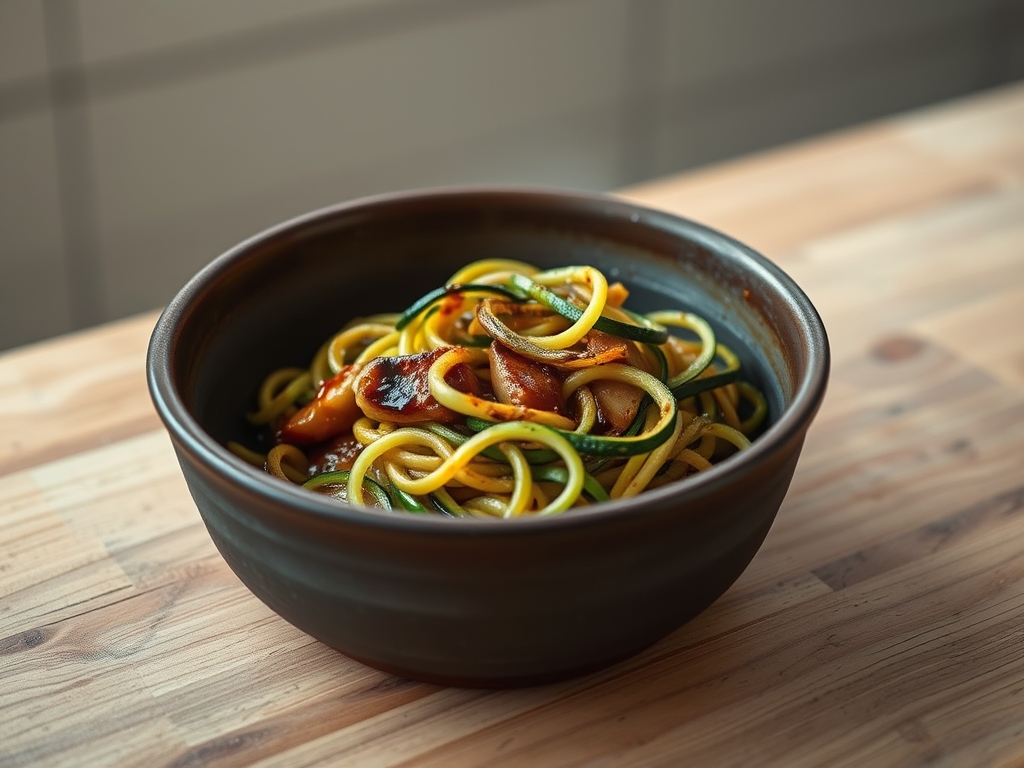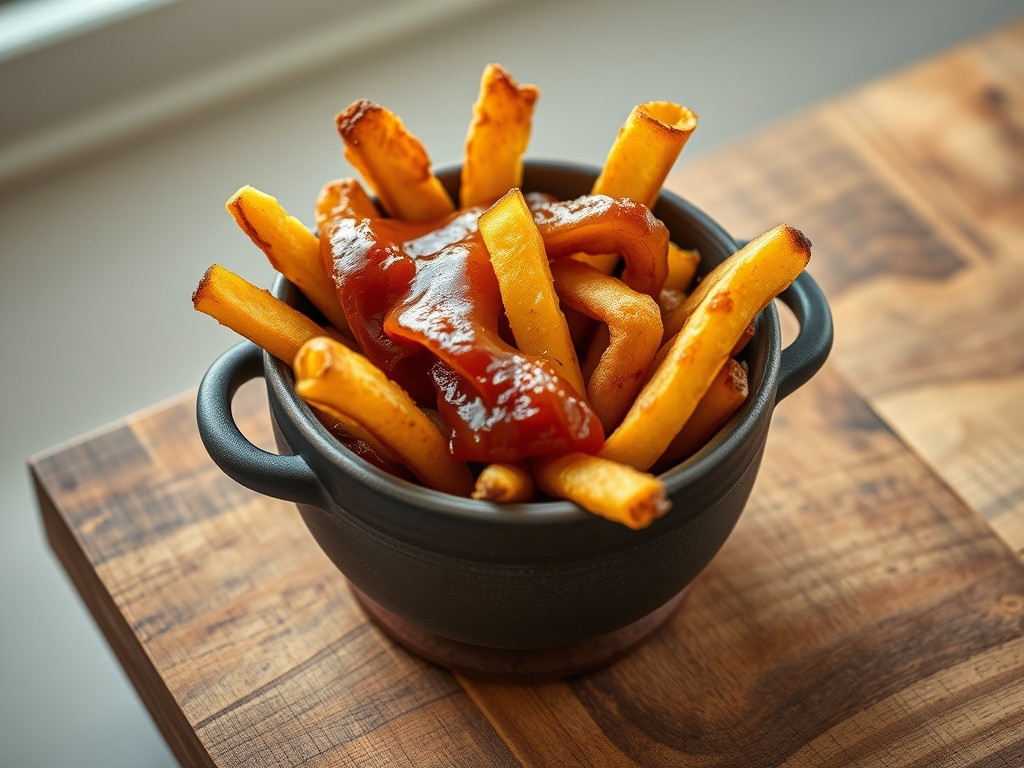
Forget everything you think you know about the humble brassica. We are not here for the mushy, sulfurous sins of school cafeterias past. We are here for the architectural transformation of a bulbous, alien-looking root into a high-performance pasta alternative. Enter the Curly Kohlrabi Strands. This is not just a vegetable; it is a structural marvel of plant-based engineering. When you feed a peeled kohlrabi bulb into a high-torque spiralizer, you are not just making noodles. You are creating a high-surface-area lattice designed to trap viscous sauces and maximize piquant flavor delivery. The snap of a perfectly processed strand is a sensory revelation. It offers a crunch that survives the heat, a feat that zucchini could never dream of achieving. We are talking about a dense, cruciferous matrix that holds its integrity under the most aggressive sautéing conditions. If you are tired of limp, watery vegetable noodles, you have reached the correct terminal. This is the audit of the century; a technical deep dive into the crunch, the curl, and the culinary logic of the kohlrabi.
THE DATA MATRIX
| Metric | Specification |
|---|---|
| Prep Time | 15 Minutes |
| Execution Time | 8 Minutes |
| Yield | 2 Servings |
| Complexity | 4/10 |
| Estimated Cost per Serving | $2.25 |
THE GATHERS
Ingredient Protocol:
- 2 Medium Kohlrabi Bulbs (approx. 600g / 1.3 lbs)
- 30ml / 2 tbsp Extra Virgin Olive Oil
- 3 Large Garlic Cloves, microplaned (approx. 15g / 0.5 oz)
- 2.5ml / 0.5 tsp Red Pepper Flakes
- 15ml / 1 tbsp Fresh Lemon Juice
- 30g / 1 oz Pecorino Romano, finely grated
- 5g / 1 tsp Flaky Sea Salt
- 10g / 0.35 oz Fresh Flat-Leaf Parsley, chiffonade
Section A: Ingredient Quality Audit:
If your kohlrabi feels spongy or has visible woody rings at the base, you are dealing with an over-matured specimen. This creates a fibrous, "woody" texture that no amount of heat can soften. The fix: Use a bench scraper to aggressively trim the bottom 2 centimeters of the bulb where the cellulose is densest. If your garlic has a green germ in the center, it will introduce a bitter, metallic note to the dish. Remove the germ manually before microplaning to ensure the flavor remains sweet and aromatic. If your lemon is hard and yields little juice, microwave it for 10 seconds to burst the internal juice vesicles before squeezing.
THE MASTERCLASS
1. Structural Preparation and Peeling
Start by removing the leafy greens and the tough outer skin. Use a high-quality Y-peeler to remove the fibrous exterior until you reach the pale, apple-like flesh. Use a digital scale to ensure you have exactly 500g of usable material for consistent seasoning ratios.
Pro Tip: The science of texture here relies on removing all traces of the outer cuticle. Any remaining skin will act as a thermal barrier, preventing the interior from softening while the exterior overcooks.
2. Spiralization and Strand Management
Secure the kohlrabi in a heavy-duty spiralizer. Rotate the crank with steady, even pressure to produce long, continuous Curly Kohlrabi Strands. Once processed, use a pair of kitchen shears to cut the strands into 15cm lengths.
Pro Tip: Long strands are aesthetically pleasing but functionally difficult to eat. Shortening the "noodles" increases the total surface area available for the oil to infuse into the vegetable's cellular structure.
3. The Cold-Start Infusion
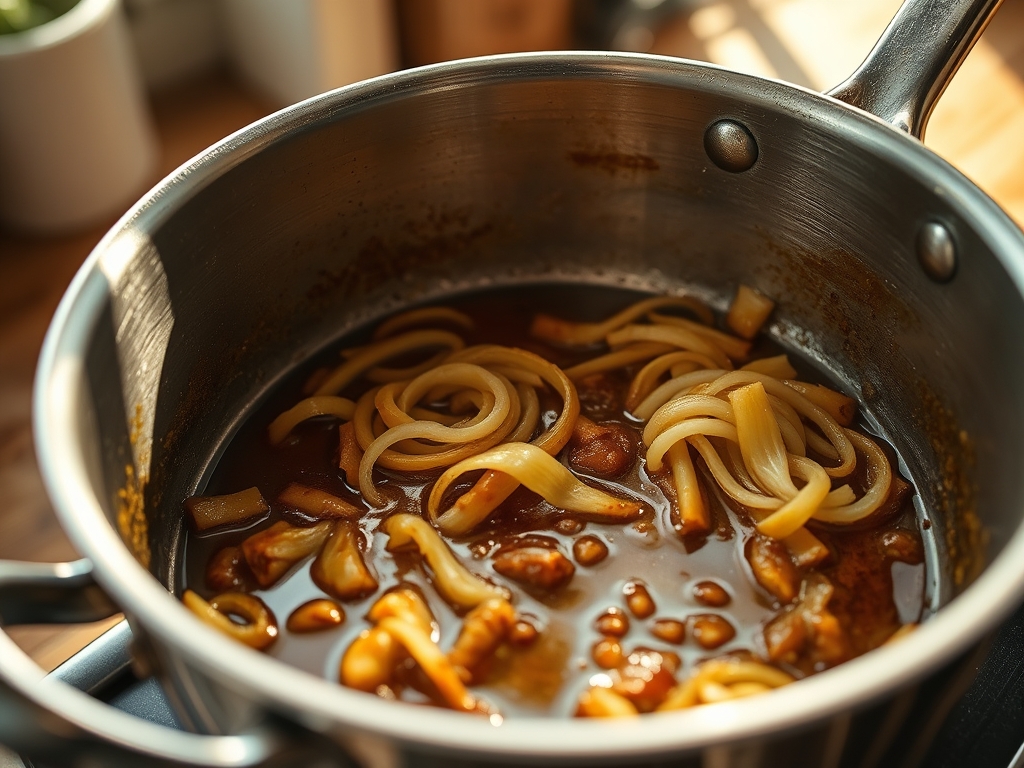
Place your saucier over medium-low heat. Add the olive oil, garlic, and red pepper flakes while the pan is still cool. Gradually bring the temperature up until the garlic begins to dance and release its aroma.
Pro Tip: This "cold-start" method allows the fat to render the aromatic compounds out of the garlic without scorching the delicate sugars. This creates a deeply flavored base for the strands.
4. High-Heat Flash Sauté
Increase the heat to medium-high. Add the kohlrabi strands to the pan. Use tongs to toss the strands constantly for 4 to 5 minutes. You are looking for the strands to become slightly translucent while retaining a distinct "al dente" snap.
Pro Tip: Kohlrabi contains high levels of vitamin C and water. High heat ensures the water evaporates quickly rather than pooling in the pan, which would steam the vegetable and ruin the structural integrity.
5. Emulsification and Finishing
Remove the pan from the heat. Add the lemon juice and half of the Pecorino Romano. Toss vigorously to create a light, viscous sauce that coats every curl. Season with salt only at this final stage to prevent premature moisture loss.
Pro Tip: Adding cheese off-heat prevents the proteins from clumping. The residual heat is sufficient to melt the fat in the cheese, creating a smooth emulsion with the lemon juice and oil.
Section B: Prep & Timing Fault-Lines:
The most common failure in this protocol is "The Water Log." If you salt the kohlrabi too early, osmosis will draw out internal moisture, leaving you with a puddle in your pan. Always salt at the very end. If your garlic turns brown before the kohlrabi hits the pan, you have overshot your thermal window. Immediately deglaze with a teaspoon of water to drop the temperature and stop the cooking process before the garlic turns acrid.
THE VISUAL SPECTRUM
Section C: Thermal & Visual Troubleshooting:
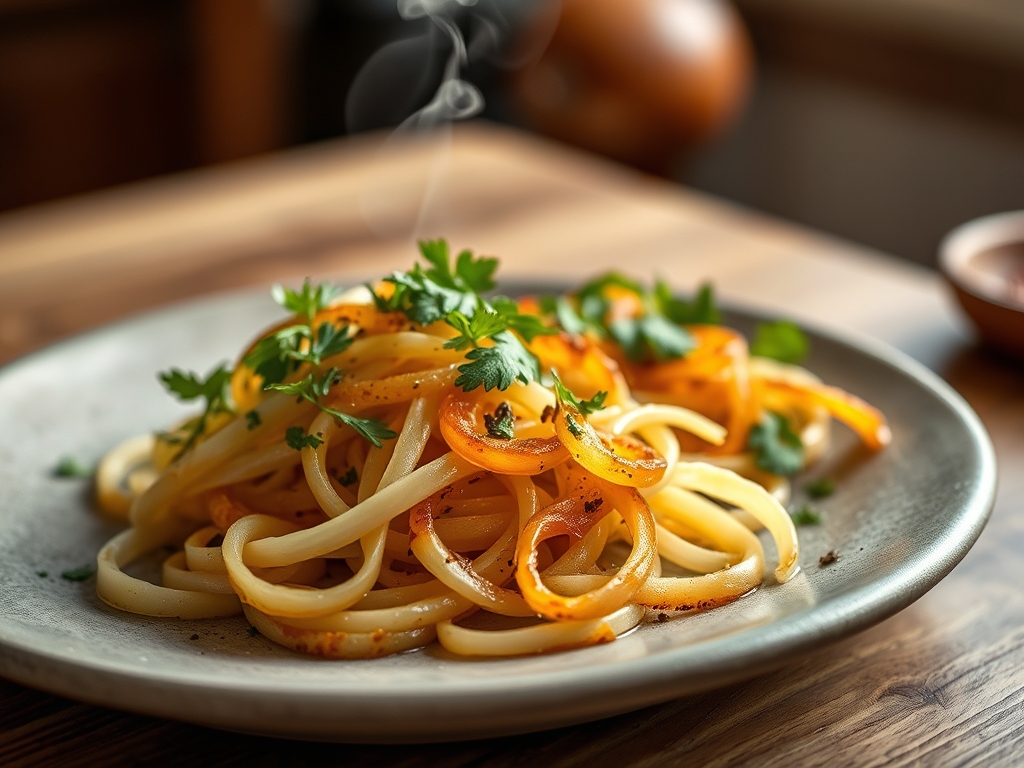
In the Masterclass photo above, notice the glistening sheen on the Curly Kohlrabi Strands. This indicates a successful emulsification of the oil and citrus. If your dish looks dry or dull, you likely lacked enough fat or the heat was too high, causing the oil to smoke off. If the strands look grey rather than vibrant white or pale green, you have overcooked them, collapsing the cellular walls. The goal is a "bright" visual profile with tiny flecks of toasted garlic clinging to the curves. If the cheese has formed "clumps" rather than a silk-like coating, your pan was too hot when the dairy was introduced.
THE DEEP DIVE
Macro Nutrition Profile:
Per serving, this dish delivers approximately 140 calories, 11g of healthy fats, 8g of net carbohydrates, and 5g of fiber. It is a micronutrient powerhouse, offering over 100% of your daily Vitamin C requirement, which acts as a potent antioxidant.
Dietary Swaps:
- Vegan: Replace the Pecorino Romano with nutritional yeast or a toasted walnut crumble to maintain the umami profile.
- Keto: This recipe is inherently keto-friendly. Increase the olive oil by 15ml to boost the fat-to-carb ratio.
- GF: Naturally gluten-free. Ensure your red pepper flakes are not processed in a facility with wheat.
Meal Prep & Reheating Science:
Kohlrabi is one of the few vegetable noodles that actually reheats well. Its dense cellular matrix does not collapse as easily as zucchini. To reheat, avoid the microwave. Use a small skillet over medium heat to aerate the strands and crisp them up. Adding a splash of water and covering for 30 seconds will help re-hydrate the sauce without making the strands mushy.
THE KITCHEN TABLE
Can I use a mandoline instead of a spiralizer?
Yes, but you will lose the "curly" structural benefit. Use the julienne blade to create matchsticks. The cooking time will decrease by 60 seconds due to the thinner geometry of the cut.
Why is my kohlrabi still crunchy after 10 minutes?
You likely have an older, larger bulb with high lignin content. For future audits, select smaller bulbs (the size of a tennis ball) for the most tender results and superior flavor.
Can I store the raw strands in the fridge?
Absolutely. Store them in a sealed container with a damp paper towel. They will remain structurally sound for up to 3 days, making them an elite candidate for weekday meal prep.
Does the lemon juice change the color?
The acidity in the lemon juice actually helps preserve the white color of the kohlrabi by inhibiting enzymatic browning. It keeps the dish looking vibrant and fresh on the plate.