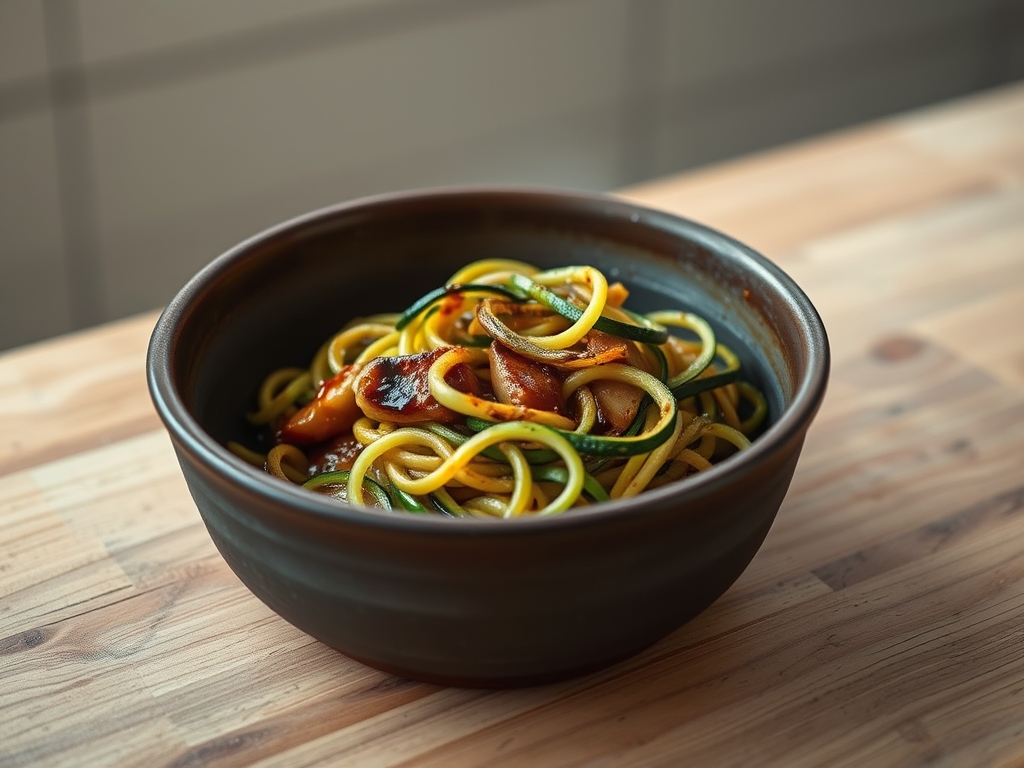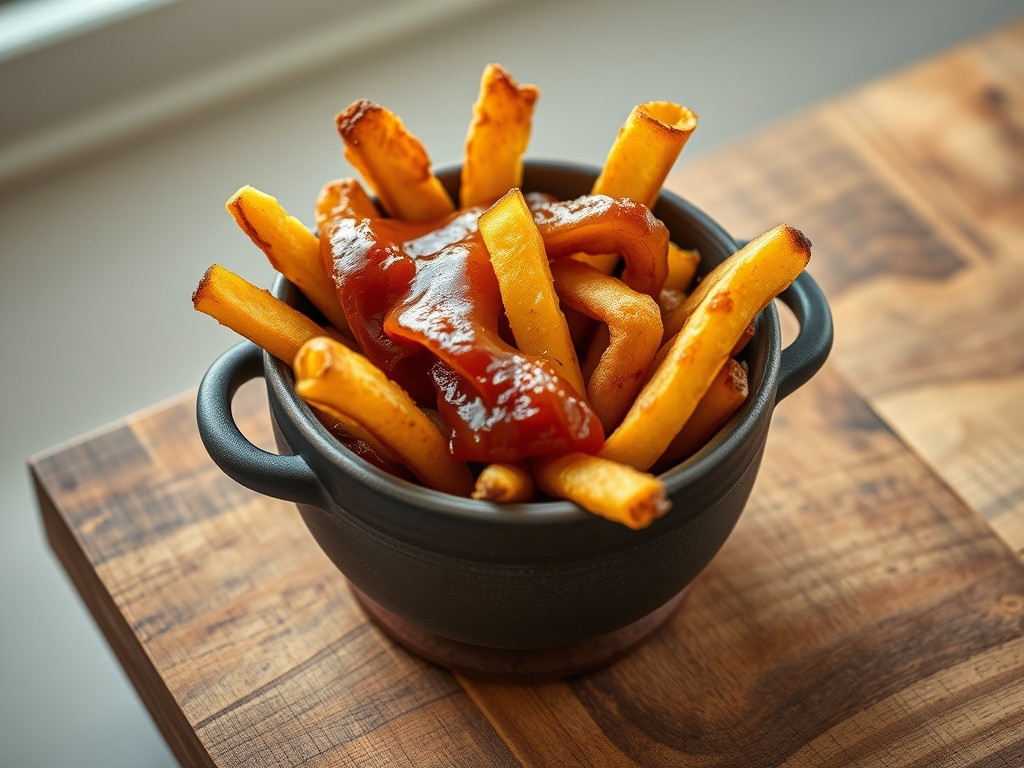
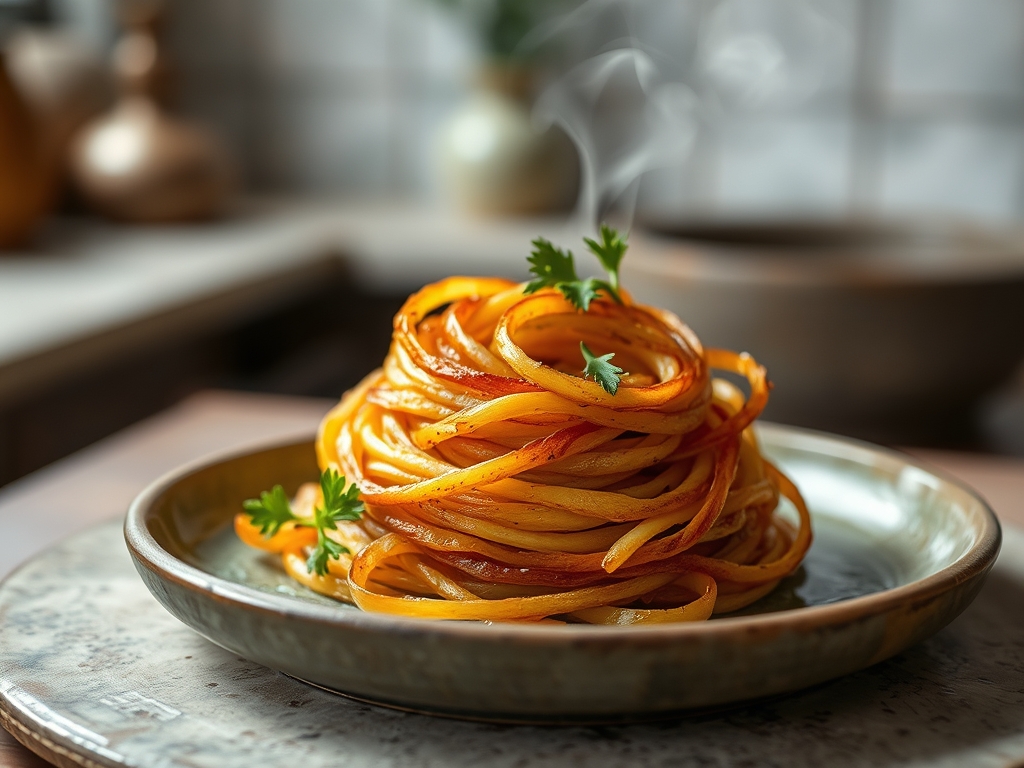
Listen to the high frequency hiss of cold starch meeting three hundred and seventy five degrees of agitated lipids. This is not merely breakfast; it is a structural engineering marvel. When you drop a Spiralized Potato Nest into the shimmering depths of a heavy bottomed pot, you are initiating a violent exchange of moisture for crispness. The water within the potato cells flashes into steam, creating a microscopic scaffolding of dehydrated starch. The aroma is primal; it is the scent of the Maillard reaction accelerating at peak velocity. We are looking for more than just a side dish. We are seeking a golden, tangled architecture that defies gravity while maintaining a delicate, shatteringly crisp texture. If you have ever suffered through a limp, oil soaked hash brown, consider this your formal invitation to the big leagues. We are moving beyond the rustic and into the realm of precision thermal dynamics. Grab your apron and calibrate your senses. We are about to turn a humble tuber into a masterpiece of conductive heat transfer.
THE DATA MATRIX
| Metric | Specification |
|---|---|
| Prep Time | 15 Minutes |
| Execution Time | 10 Minutes |
| Yield | 4 Nests |
| Complexity (1-10) | 6 |
| Estimated Cost per Serving | $0.85 USD |
THE GATHERS
Ingredient Protocol:
- Russet Potatoes: 500g / 2 large tubers
- Clarified Butter (Ghee): 60ml / 4 tbsp
- Kosher Salt: 5g / 1 tsp
- Smoked Paprika: 2g / 0.5 tsp
- Fresh Chives: 10g / 2 tbsp (finely minced)
- Neutral High-Smoke Point Oil: 500ml / 2 cups (for shallow frying)
Section A: Ingredient Quality Audit:
If your potatoes are sprouting or feel soft, the starch to sugar ratio has shifted. This results in a nest that turns dark brown before it actually crisps. To fix this, soak your spiralized strands in ice water for thirty minutes to leach out excess sugars and surface starch. If your oil begins to smoke before you reach frying temperature, you are likely using an oil with a low flash point like extra virgin olive oil. Switch to grapeseed or avocado oil to ensure a clean, neutral flavor profile. If your spices clump, they have likely absorbed moisture. Use a mortar and pestle to re-grind them into a fine powder before application to ensure an even distribution across the potato geometry.
THE MASTERCLASS
1. Structural Spiralization
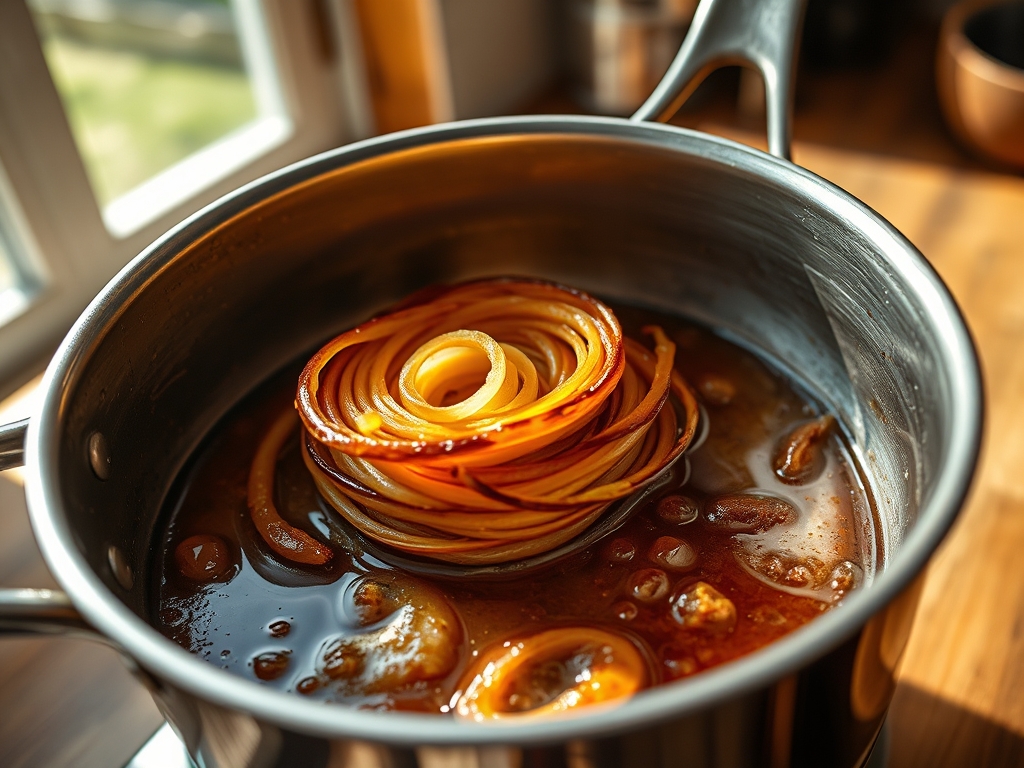
Utilize a high quality spiralizer to create long, continuous ribbons of potato. Aim for the "angel hair" setting to maximize surface area. Once spiralized, place the strands into a large bowl of ice water.
Pro Tip: Use a digital scale to ensure each nest begins with exactly 125 grams of raw potato. This consistency ensures that your thermal calculations remain accurate across all four servings.
2. Moisture Extraction
Drain the potatoes and place them in the center of a clean kitchen towel. Twist the towel with significant force to render every possible drop of water from the starch. The drier the potato, the faster the crisping process begins.
Pro Tip: Use a bench scraper to gather any stray fragments. Removing moisture is the most critical step in preventing a "steamed" rather than "fried" interior.
3. The Seasoning Infusion
In a large mixing bowl, toss the dry potato strands with the clarified butter, salt, and paprika. The butter acts as a conductive medium, ensuring that heat penetrates the center of the nest simultaneously with the exterior.
Pro Tip: Use a saucier to gently melt your butter if it is solid. Clarified butter is superior here because the milk solids have been removed, preventing premature burning during the high heat phase.
4. Geometric Formation
Using a pair of culinary tweezers or tongs, gather a portion of the strands and nestle them into a small, heat proof mesh strainer. Press another slightly smaller strainer on top to lock the "nest" shape into place.
Pro Tip: This "double basket" technique is a professional secret for maintaining the Spiralized Potato Nest shape without the strands unraveling in the hot oil.
5. Controlled Thermal Application
Submerge the nested strainers into oil heated to 375 degrees Fahrenheit. Fry for approximately three to four minutes until the bubbling subsides. This reduction in bubbles indicates that the moisture has been successfully replaced by fat.
Pro Tip: Monitor the temperature constantly with an infrared thermometer. If the temperature drops below 350 degrees, the potato will absorb oil and become viscous and heavy rather than light and airy.
Section B: Prep & Timing Fault-Lines:
The most common human error is overcrowding the pan. When you add too much cold mass to hot oil, the temperature craters. This leads to a grease logged product. Fry one nest at a time to maintain thermal equilibrium. Another fault line is the "rest" period. If you place a hot nest directly onto a flat plate, steam will collect underneath and ruin the crunch. Always rest your nests on a wire cooling rack to allow air to aerate the bottom surface.
THE VISUAL SPECTRUM
Section C: Thermal & Visual Troubleshooting:
Referencing the Masterclass photo, your goal is a "shatush" of golden hues ranging from pale straw to deep amber. If your nest looks "blond" or pale, you likely pulled it too early; the starch has not fully caramelized. If the edges are black but the center is white, your oil was too hot, causing the exterior to sear before the interior could infuse with heat. If the nest looks dull rather than shimmering, you may have skipped the butter coating. The butter provides that professional "sheen" seen in high end culinary photography. Ensure the chives are added only at the very end to maintain their vibrant green color and piquant aroma.
THE DEEP DIVE
Macro Nutrition Profile:
Each nest provides approximately 220 calories, 12g of healthy fats (from clarified butter/oil), 28g of complex carbohydrates, and 3g of protein. While starch heavy, the high heat frying method, when done correctly, minimizes oil absorption compared to traditional deep frying.
Dietary Swaps:
- Vegan: Replace clarified butter with melted coconut oil or a high quality vegan butter substitute.
- Keto: Substitute the potato for spiralized daikon radish or zucchini. Note that these require double the drying time due to higher water content.
- GF: This recipe is naturally gluten free; however, ensure your smoked paprika is certified GF to avoid cross contamination.
Meal Prep & Reheating Science:
To maintain the molecular structure, never microwave a potato nest. The microwave agitates water molecules, which softens the starch scaffolding. Instead, reheat in an air fryer or oven at 400 degrees for three minutes. This flashes off any surface moisture and re-crisps the lipid layer.
THE KITCHEN TABLE
Why is my nest falling apart?
You likely skipped the "double strainer" method or didn't dry the potatoes enough. Surface moisture acts as a lubricant that prevents the strands from interlocking during the initial starch gelatinization phase.
Can I use sweet potatoes instead?
Yes, but be warned. Sweet potatoes have a much higher sugar content. You must lower your frying temperature to 350 degrees to prevent the sugars from burning before the structure is set.
What is the best oil for this?
Grapeseed oil is the gold standard for its high smoke point and neutral flavor. It allows the natural earthiness of the Russet potato and the richness of the butter to shine through.
How do I get that perfect golden color?
Consistency is key. Ensure your potato strands are uniform in thickness. Use a mandoline style spiralizer rather than a hand held version to ensure even heat penetration and a uniform Maillard reaction.