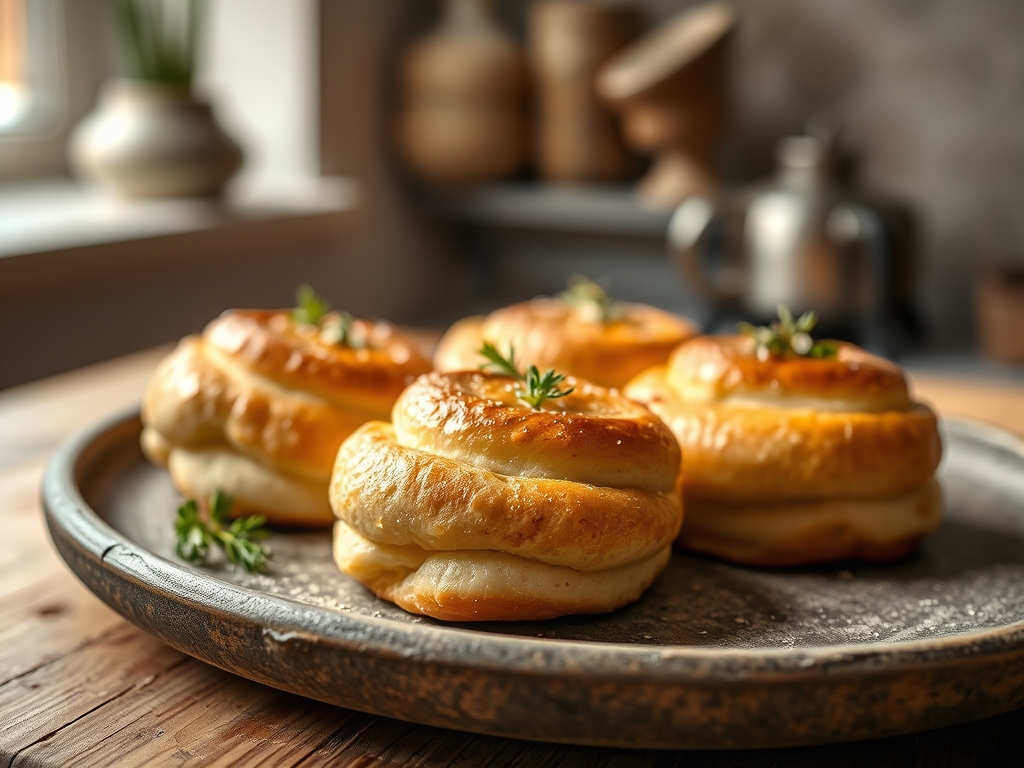
Close your eyes and imagine the scent of a Stockholm bakery at 5:00 AM. It is not just sweetness; it is a violent, aromatic assault of freshly cracked pods and caramelized butter. We are talking about Swedish Cardamom Buns, the architectural marvels of the Nordic pastry world. Unlike their American cousins, which are often drowned in a viscous swamp of cream cheese frosting, these buns rely on the structural integrity of a twisted dough and the piquant punch of high-quality spice. This is a technical audit of the Kardemummabullar, a pastry that demands precision, patience, and a deep respect for the gluten matrix. We are not just baking bread here; we are engineering a sensory experience that balances the warmth of spice with the mathematical beauty of a Fibonacci spiral. If you are looking for a soft, flavorless roll, turn back now. This is for the culinary auditors who want to master the tension of the twist and the perfect Maillard reaction that results in a crunchy, pearl-sugar-encrusted exterior and a pillowy, infused interior.
THE DATA MATRIX
| Metric | Specification |
|---|---|
| Prep Time | 45 Minutes |
| Execution Time | 3 Hours (Including Proofing) |
| Yield | 12 to 14 Buns |
| Complexity | 7/10 |
| Estimated Cost per Serving | $0.85 USD |
THE GATHERS
Ingredient Protocol:
For the Dough:
- 500g / 4 cups All-Purpose or Bread Flour
- 250ml / 1 cup Whole Milk (3.5% fat)
- 75g / 5.5 tbsp Unsalted Butter (Room Temperature)
- 70g / 1/3 cup Granulated Sugar
- 7g / 2.25 tsp Instant Yeast
- 10g / 2 tsp Freshly Ground Cardamom Seeds
- 3g / 0.5 tsp Fine Sea Salt
For the Filling:
- 100g / 7 tbsp Unsalted Butter (Softened)
- 80g / 0.4 cup Brown Sugar
- 15g / 1 tbsp Freshly Ground Cardamom Seeds
- 5g / 1 tsp Ground Cinnamon
For the Glaze and Topping:
- 50ml / 0.2 cup Water
- 50g / 0.25 cup Granulated Sugar
- 20g / 2 tbsp Pearl Sugar
Section A: Ingredient Quality Audit:
The most common failure point in Swedish Cardamom Buns is the use of pre-ground cardamom. Pre-ground powder is a ghost of the spice; it lacks the volatile oils that provide the signature citrusy, eucalyptus bite. Audit Fix: Purchase whole green cardamom pods, extract the seeds, and use a mortar and pestle or a dedicated spice grinder to achieve a coarse texture. Another frequent error is using cold milk. This stunts yeast activity. Audit Fix: Use a digital thermometer to ensure your milk is exactly 35 degrees Celsius (95 degrees Fahrenheit). If your flour has a low protein content, the dough will lack the tensile strength needed for the complex twisting process. Audit Fix: If using all-purpose flour with less than 11% protein, add one tablespoon of vital wheat gluten to the mix to reinforce the structural lattice.
THE MASTERCLASS
Step-by-Step Execution:
1. The Molecular Infusion
In a small saucier, lightly warm the milk and add the freshly ground cardamom. Allow it to steep for five minutes before whisking in the yeast and a tablespoon of sugar. This process ensures the spice oils infuse the liquid base thoroughly.
Pro Tip: Use a digital scale for all measurements. Volume is the enemy of consistency in baking; weight is the only truth. The scale ensures your hydration levels remain perfect for gluten development.
2. Developing the Gluten Matrix
Combine the flour, remaining sugar, and salt in the bowl of a stand mixer. Pour in the yeast mixture and knead on low speed for five minutes. Gradually add the softened butter, one tablespoon at a time, until the dough is smooth, elastic, and clears the sides of the bowl.
Pro Tip: The dough should pass the "windowpane test." Stretch a small piece of dough; if it becomes translucent without tearing, the protein bonds are sufficiently linked to trap carbon dioxide during fermentation.
3. The Bulk Fermentation
Place the dough in a lightly oiled bowl, cover with a damp cloth, and let it rise in a draft-free environment until doubled in size. This usually takes 60 to 90 minutes depending on ambient temperature.
Pro Tip: Do not rush this. Slow fermentation allows for the development of complex organic acids, which provide the "bread" flavor. Use a bench scraper to gently turn the dough out onto your work surface without deflating the delicate air pockets.
4. The Lamination and Twist
Roll the dough into a large rectangle (approximately 30×40 cm). Spread the cardamom butter filling evenly across the surface. Fold the dough in thirds like a letter. Cut the dough into strips using a pizza cutter or sharp knife. Twist each strip and wrap it around your fingers to create a knotted nest.
Pro Tip: Tension is key. If the twist is too loose, the bun will collapse during the bake. If it is too tight, the center will remain raw. A bench scraper is essential here to keep the butter from sticking to the counter.
5. The Final Proof and Thermal Execution
Arrange the buns on a parchment-lined tray and let them rise for another 45 minutes. Brush with a simple egg wash and bake at 200 degrees Celsius (400 degrees Fahrenheit) for 10 to 12 minutes until deep golden brown.
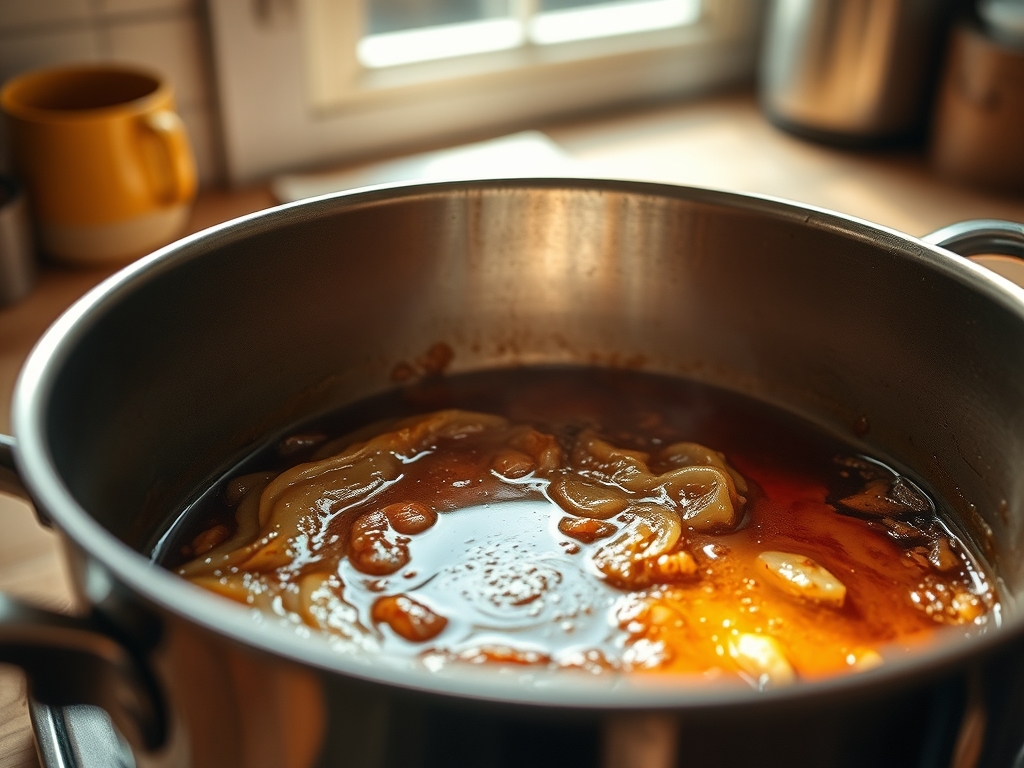
Pro Tip: While the buns bake, prepare a simple syrup in a saucier. Brushing the buns with syrup immediately after they exit the oven creates a moisture seal, keeping the crumb soft while providing a sticky surface for the pearl sugar.
Section B: Prep & Timing Fault-Lines:
Timing is the silent killer of the Kardemummabullar. If you over-proof the dough during the second rise, the structure will weaken and the buns will deflate the moment they hit the heat of the oven. Audit Fix: Use the "finger poke test." If the dough springs back slowly and leaves a slight indentation, it is ready. If it springs back instantly, it needs more time. If it collapses, you have over-proofed. Temperature control is equally vital. If your kitchen is too hot, the butter in the filling will melt and leak out before the dough sets. Audit Fix: If the dough feels greasy or soft during the twisting stage, place it in the refrigerator for 15 minutes to firm up the fats.
THE VISUAL SPECTRUM
Section C: Thermal & Visual Troubleshooting:
Referencing the Masterclass photo, the ideal bun should exhibit a high-contrast color palette. We are looking for a "mahogany" exterior with "cream" highlights in the folds. If your buns are a uniform, pale tan, your oven temperature was likely too low or your egg wash was too thin. Audit Fix: Increase the oven temperature by 10 degrees and ensure your egg wash contains a pinch of salt to break down the proteins for a more even coat. If the buns are dry and crumbly rather than soft and fibrous, you likely over-baked them. Audit Fix: Pull the buns when the internal temperature reaches 90 degrees Celsius (194 degrees Fahrenheit). The visual cue of the pearl sugar should be distinct; the crystals should remain white and opaque against the dark, glossy glaze of the syrup.
THE DEEP DIVE
Macro Nutrition Profile:
One standard Swedish Cardamom Bun contains approximately 280 calories, 12g of fat, 38g of carbohydrates, and 5g of protein. While high in refined carbohydrates, the inclusion of cardamom provides a minor antioxidant boost and aids in digestion.
Dietary Swaps:
- Vegan: Replace the butter with a high-quality vegan block butter (avoid soft spreads) and use oat milk. Substitute the egg wash with a maple syrup and water mixture.
- Gluten-Free: This is difficult due to the twisting requirements. Use a high-protein GF flour blend with added xanthan gum, but expect a more "muffin-like" texture rather than a fibrous pull.
- Keto: Not recommended. The structural integrity of this bun relies entirely on the wheat-sugar-yeast trifecta.
Meal Prep & Reheating Science:
To maintain the molecular structure, do not refrigerate these buns; the cold environment accelerates starch retrogradation, making them stale. Store in an airtight container at room temperature for up to two days. To reheat, use a 150 degree Celsius oven for 5 minutes to render the fats and soften the crumb without drying out the exterior.
THE KITCHEN TABLE
Why are my buns tough instead of fluffy?
You likely over-worked the dough or added too much flour. Excess flour disrupts the hydration ratio, leading to a dense, leaden crumb. Always measure by weight to ensure the dough remains tacky but manageable.
Can I make the dough the night before?
Yes. A cold ferment in the refrigerator for 8 to 12 hours actually improves flavor. The cold slows the yeast but allows enzymes to break down starches into simpler, tastier sugars.
My filling all leaked out on the pan. Why?
This happens when the dough is not sealed tightly or the oven is too cold. A hot oven ensures the dough "sets" quickly, trapping the melting butter and sugar within the twisted layers.
Why use pearl sugar instead of regular sugar?
Pearl sugar does not melt at standard baking temperatures. It provides a crucial textural contrast; a crunch that offsets the soft, pillowy interior of the bun. Regular sugar would simply dissolve into the glaze.