The scent of fermented butter and toasted cocoa is not just a kitchen byproduct; it is the olfactory signature of a successful structural engineering project. We are moving beyond the realm of simple baking and entering the high-stakes world of the Babka Spiral Audit. This is a rigorous examination of dough tension, lipid distribution, and the thermal physics of lamination. A babka is only as good as its innermost coil. If your spirals are muddy or your crumb is dry, you have suffered a systemic failure in your culinary infrastructure. We are here to rectify that with a focus on the microscopic interactions between gluten networks and high-fat cocoa solids. Every twist of the dough must be intentional. Every gram of sugar must be accounted for in the final caramelization matrix. We are looking for high-contrast striations where the dark, viscous chocolate ribbons meet the golden, aerated brioche. This is not a casual Sunday project; it is a meticulous audit of your ability to manipulate yeast and temperature under pressure.
THE DATA MATRIX
| Metric | Specification |
|---|---|
| Prep Time | 45 Minutes (Active) |
| Execution Time | 18 Hours (Includes Overnight Proof) |
| Yield | 2 Large Loaves |
| Complexity (1-10) | 8 |
| Estimated Cost per Serving | $1.15 |
THE GATHERS
Ingredient Protocol:
- 500g / 4 cups All-Purpose Flour (11.5% protein minimum)
- 100g / 0.5 cup Granulated Sugar
- 10g / 2 tsp Instant Yeast
- 3 Large Eggs (Room temperature)
- 120ml / 0.5 cup Whole Milk (Lukewarm)
- 150g / 0.6 cup Unsalted Butter (Softened)
- 5g / 1 tsp Fine Sea Salt
- 200g / 7oz Dark Chocolate (70% Cacao)
- 100g / 0.4 cup Unsalted Butter (For filling)
- 50g / 0.4 cup Powdered Sugar
- 30g / 0.25 cup Dutch-Processed Cocoa Powder
Section A: Ingredient Quality Audit:
The primary failure point in many domestic audits is the butter. If your butter has a high water content, your brioche will lack the necessary elasticity and will instead become greasy. Always opt for European-style butter with at least 82% butterfat. If your yeast is sluggish, do not proceed. Test it in the warm milk first; if it does not aerate and foam within five minutes, your infrastructure is compromised. For the chocolate filling, avoid chips which contain stabilizers that prevent a smooth melt. Use bar chocolate to ensure the filling can infuse into the dough layers without creating structural gaps. If your cocoa powder is lumpy, it will create dry pockets in the spiral; always sift it through a fine-mesh strainer to ensure a homogenous, viscous paste.
THE MASTERCLASS
1. The Foundation Mix
Combine the flour, sugar, and yeast in the bowl of a stand mixer. Add the eggs and milk, using the dough hook to incorporate until a shaggy mass forms. Add the salt last to avoid inhibiting the yeast prematurely.
Pro Tip: Use a digital scale for every measurement. Volumetric displacement is the enemy of consistency in high-fat doughs. The salt must be added after the initial hydration to ensure the gluten bonds have begun to form.
2. Lipid Integration
Add the softened butter one tablespoon at a time while the mixer is on medium speed. Continue kneading until the dough is smooth, elastic, and pulls away cleanly from the sides of the bowl. This process should take approximately 10 to 12 minutes.
Pro Tip: This is the emulsification phase. If the dough feels too warm, use an infrared thermometer to ensure it stays below 77 degrees Fahrenheit. Use a bench scraper to help gather any stray fats from the bottom of the bowl.
3. The Cold Fermentation
Place the dough in a lightly oiled bowl, cover, and refrigerate for at least 12 hours. This slows down the yeast, allowing for complex flavor development and making the high-fat dough easier to handle during the rolling process.
Pro Tip: Cold dough is a requirement for a successful Babka Spiral Audit. At room temperature, the butter will render out of the dough during rolling, destroying the lamination.
4. Filling Synthesis
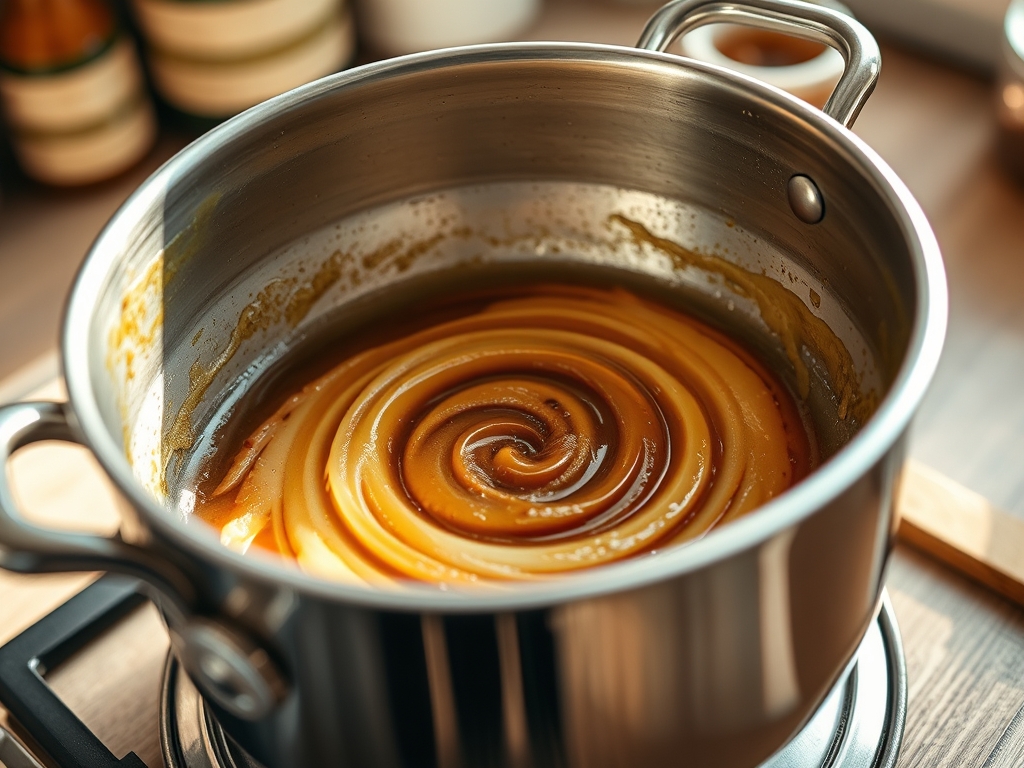
Melt the chocolate and butter together in a saucier over low heat. Whisk in the powdered sugar and cocoa powder until a glossy, spreadable paste forms. Let it cool until it reaches a spreadable, peanut-butter-like consistency.
Pro Tip: Do not over-heat the chocolate. If it seizes, you will lose the viscous quality needed to coat the dough evenly. The filling must be the same temperature as the room to prevent tearing the dough.
5. The Architecture of the Twist
Roll the chilled dough into a large rectangle. Spread the filling to the very edges. Roll the dough tightly into a log, then slice the log in half lengthwise to expose the internal layers. Twist the two strands over each other, keeping the cut sides facing up.
Pro Tip: Use a sharp serrated knife or a bench scraper to ensure clean cuts. A clean cut prevents the layers from sealing together, which is essential for the visual contrast required in the audit.
Section B: Prep & Timing Fault-Lines:
The most common human error is rushing the second proof. After twisting, the babka needs another 1.5 to 2 hours at room temperature. If you bake it too early, the interior will be dense and doughy. Conversely, if your kitchen is too hot, the butter in the layers will melt before the starch sets, leading to a collapsed structure. Use a proofer or a turned-off oven with a bowl of warm water to maintain a steady 75 degree environment.
THE VISUAL SPECTRUM
Section C: Thermal & Visual Troubleshooting:
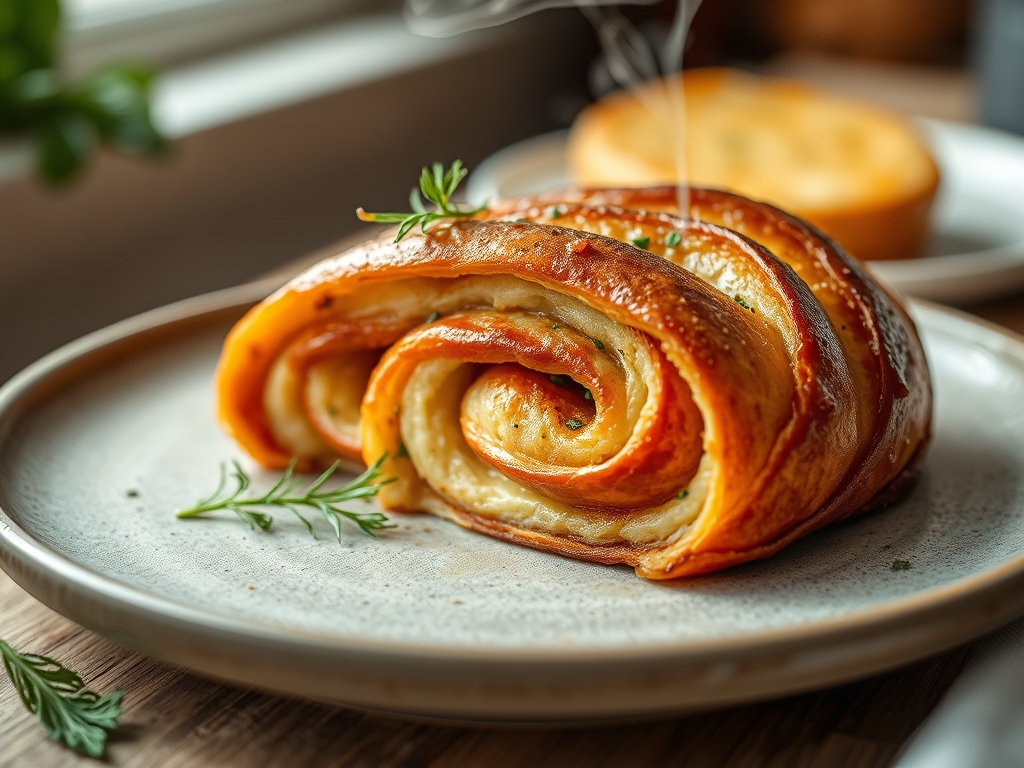
Referencing the Masterclass photo, the "look" of a perfect audit is defined by high-contrast, dark chocolate swirls against a pale gold crumb. If your babka is a uniform brown, you have over-baked it or your oven temperature is too high, causing the sugars to render too quickly. If the top is dull, you skipped the simple syrup wash. Applying a 1:1 sugar-water syrup immediately after the bake creates a protective, shiny barrier that locks in moisture. If the spirals are "bleeding" into the dough, your filling was too hot during the rolling phase. The visual cues in the photo show distinct, sharp lines; this is achieved by ensuring the dough is chilled to exactly 40 degrees Fahrenheit before the final assembly.
THE DEEP DIVE
Macro Nutrition Profile:
This is a high-density energy source. Each serving contains approximately 380 calories, 18g of fat, 45g of carbohydrates, and 6g of protein. The high fat content from the butter and chocolate provides a sustained satiety index.
Dietary Swaps:
- Vegan: Substitute the butter with a high-quality vegan block (oil-based) and use flax eggs. Ensure the chocolate is dairy-free.
- Keto: This is difficult given the flour requirements, but a mix of almond flour and vital wheat gluten can approximate the structure. Use erythritol for the sweetener.
- GF: Use a 1:1 gluten-free flour blend with added xantham gum to mimic the gluten network.
Meal Prep & Reheating Science:
To maintain the molecular structure, store the babka at room temperature for up to 3 days in an airtight container. To reheat, use a toaster oven at 300 degrees Fahrenheit for 5 minutes. Avoid the microwave; it agitates water molecules and causes the starch to turn rubbery, ruining the delicate lamination.
THE KITCHEN TABLE
Why is my babka dry?
You likely over-baked it or used too much flour during the rolling process. Audit your internal temperature; it should hit 190 degrees Fahrenheit. Excess flour disrupts the hydration balance, leading to a crumbly, parched texture.
Can I use cocoa powder only for the filling?
No. Cocoa powder lacks the cocoa butter necessary to create a viscous, stable ribbon. Without melted chocolate, the filling will be grainy and will fail the structural audit, often falling out of the bread after slicing.
How do I get those perfect, thin layers?
The secret is the cold roll. By rolling the dough while it is refrigerator-cold, you can get it thinner without it sticking or tearing. This creates more surface area for the chocolate to infuse between the dough folds.
My babka collapsed after cooling!
This indicates an under-baked core. The structure wasn't set enough to support the weight of the chocolate and butter. Ensure you use a probe thermometer to confirm the center is fully cooked before removing it from the heat.