Listen to the sound of a thousand miniature turbines spinning in unison. That is the acoustic signature of Curly Cavatappi hitting a boiling water bath. We are not just cooking dinner; we are managing a complex hydraulic system designed for maximum sauce retention. The corkscrew geometry of this pasta is a masterpiece of culinary engineering. Its hollow core acts as a high-speed conduit for viscous liquids, while the external ridges create a high-friction surface area that grips emulsified fats with relentless efficiency. When you toss these spirals into a pan, you are witnessing the intersection of fluid dynamics and gastronomy. The goal is a perfect coating that defies gravity. We want a piquant sauce that clings to every curve, infusing the dough with flavor without compromising the structural integrity of the noodle. Forget limp, overcooked tubes. We are aiming for a precise al dente snap that provides a rhythmic resistance to the tooth. Prepare your workstation. We are about to execute a high-velocity pasta operation that will redefine your understanding of hollow-body starch.
THE DATA MATRIX
| Metric | Specification |
|---|---|
| Prep Time | 15 Minutes |
| Execution Time | 20 Minutes |
| Yield | 4 Servings |
| Complexity | 4 / 10 |
| Estimated Cost per Serving | $3.25 |
THE GATHERS
Ingredient Protocol:
- 450g / 1 lb Curly Cavatappi (Durum wheat semolina)
- 60ml / 4 tbsp Extra Virgin Olive Oil (Cold-pressed)
- 4 cloves / 20g Fresh Garlic (Finely minced)
- 500ml / 2 cups Heavy Cream (Minimum 36% milkfat)
- 150g / 1.5 cups Parmigiano Reggiano (Freshly microplaned)
- 5g / 1 tsp Red Chili Flakes (For heat dispersion)
- 100g / 3.5 oz Baby Spinach (Triple-washed)
- 15g / 1 tbsp Kosher Salt (For the pasta brine)
Section A: Ingredient Quality Audit:
The primary failure point in this assembly is the use of pre-shredded cheese. Commercial shreds are coated in cellulose to prevent clumping; this starch barrier inhibits proper melting and results in a gritty, broken emulsion. If your cheese feels waxy, you must aerate it by grating it fresh just before use. Additionally, ensure your olive oil is not rancid. High-quality oil should have a peppery finish. If it tastes like old crayons, the oxidation will ruin the delicate dairy notes of the sauce. If your garlic has sprouted green "germs," remove them to avoid a bitter, acrid aftertaste during the infuse stage.
THE MASTERCLASS
Step 1: Hydraulic Calibration
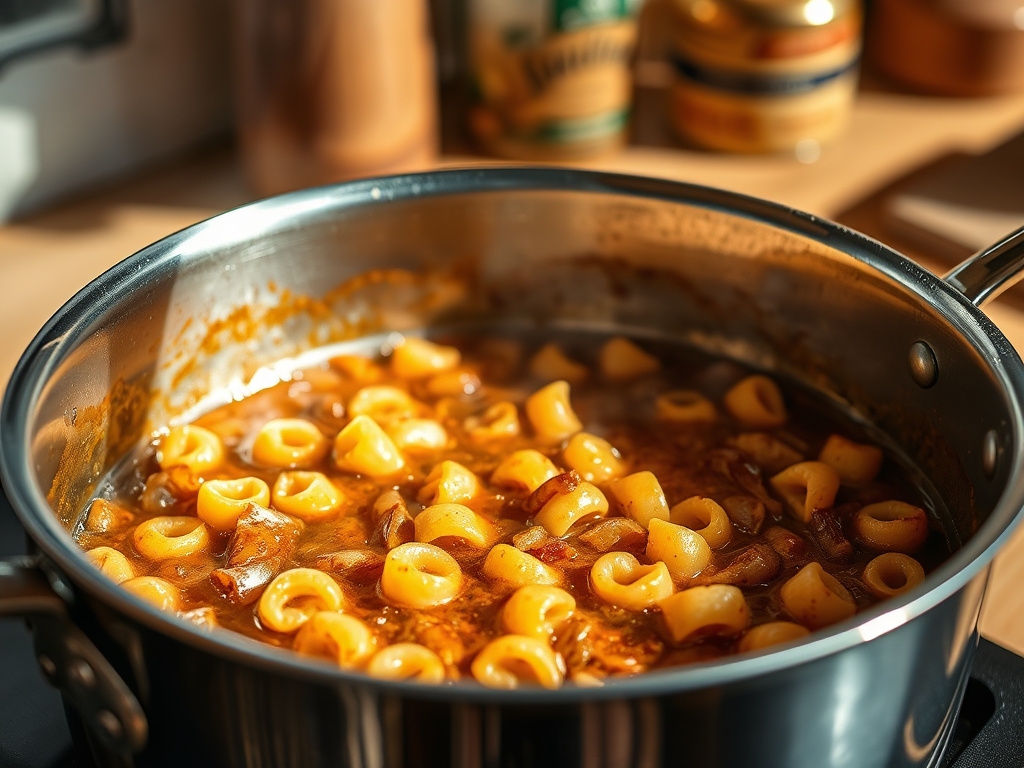
Fill a large stockpot with 4 liters of water and bring to a rolling boil. Use a digital scale to measure out your salt. You want a 1% salinity level to properly season the pasta from the inside out. Once the water reaches a violent boil, introduce the Curly Cavatappi.
Pro Tip: The "Pasta Water Principle" dictates that the starch released into the water is liquid gold. Do not drain it all away. This starchy liquid acts as a natural bridge between the hydrophobic fats in your sauce and the hydrophilic pasta.
Step 2: Aromatics Infusion
While the pasta oscillates in the pot, place a heavy-bottomed saucier over medium-low heat. Add the olive oil and garlic. We are looking to render the aromatic oils without browning the solids. Add the chili flakes to allow the capsaicin to bloom in the fat.
Pro Tip: Heat management is critical here. If the garlic turns brown, the flavor profile shifts from sweet and nutty to bitter. Use a silicone spatula to keep the aromatics moving, ensuring even thermal distribution.
Step 3: The Emulsion Phase
Slowly pour the heavy cream into the saucier. Increase the heat slightly to bring the liquid to a gentle simmer. We want to reduce the volume by approximately 20% to concentrate the proteins and fats. This creates a viscous base that will sufficiently coat the ridges of the Curly Cavatappi.
Pro Tip: Use a whisk to constantly agitate the cream. This prevents a skin from forming on the surface and ensures the fat globules remain suspended in the aqueous phase of the sauce.
Step 4: Integration and Mounting
Use a spider strainer to transfer the pasta directly from the water to the saucier when it is two minutes shy of the package instructions. Add the grated cheese in three stages, stirring vigorously between each addition. If the sauce becomes too thick, deglaze the pan with a splash of the reserved pasta water.
Pro Tip: This technique is known as "Mantecatura." The vigorous stirring creates mechanical energy that helps the cheese and starchy water form a stable, glossy emulsion that clings to the spiral geometry.
Step 5: The Final Wilt
Toss in the baby spinach during the final 30 seconds of cooking. The residual heat will collapse the cell walls of the greens without turning them into a grey mush. Season with a final crack of black pepper and serve immediately.
Pro Tip: Use a bench scraper to clean your board of any leftover garlic or herbs. A clean station is the mark of a disciplined culinary technician.
Section B: Prep & Timing Fault-Lines:
The most common timing error is the "Gap Lag." This occurs when the pasta finishes before the sauce is ready. If pasta sits in a colander, the surface starches cool and become tacky, causing the noodles to fuse into a singular mass. Always ensure your sauce is at a simmer before the pasta reaches its al dente state. If you are ahead of schedule, drop the saucier heat to "low" and add a ladle of pasta water to the sauce to maintain volume.
THE VISUAL SPECTRUM
Section C: Thermal & Visual Troubleshooting:
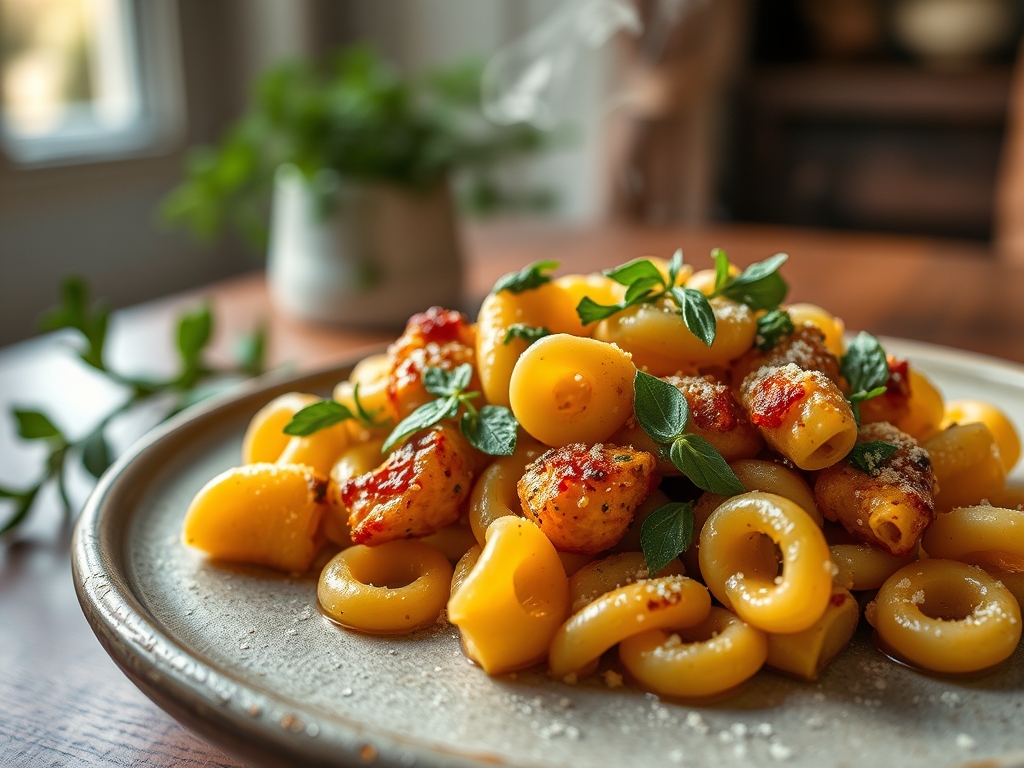
Referencing the masterclass photo, the Curly Cavatappi should exhibit a "satin sheen" rather than a "greasy slick." If your dish looks dull or dry, you have likely over-reduced the cream; fix this by whisking in two tablespoons of hot pasta water. If the sauce is "breaking" (oil separating from the solids), your heat was too high when adding the cheese. To rescue a broken sauce, remove from heat and add a splash of cold cream while whisking violently. The spinach should be a vibrant, neon green. If it appears olive-drab, you have over-acidified the dish or cooked it too long, destroying the chlorophyll.
THE DEEP DIVE
Macro Nutrition Profile:
A standard serving of this Curly Cavatappi configuration provides approximately 650 calories. It is high in complex carbohydrates for sustained energy release and contains significant calcium from the Parmigiano Reggiano. The fats are primarily monounsaturated (from olive oil) and saturated (from dairy).
Dietary Swaps:
- Vegan: Replace heavy cream with full-fat coconut milk or cashew cream; use nutritional yeast and miso paste in place of cheese.
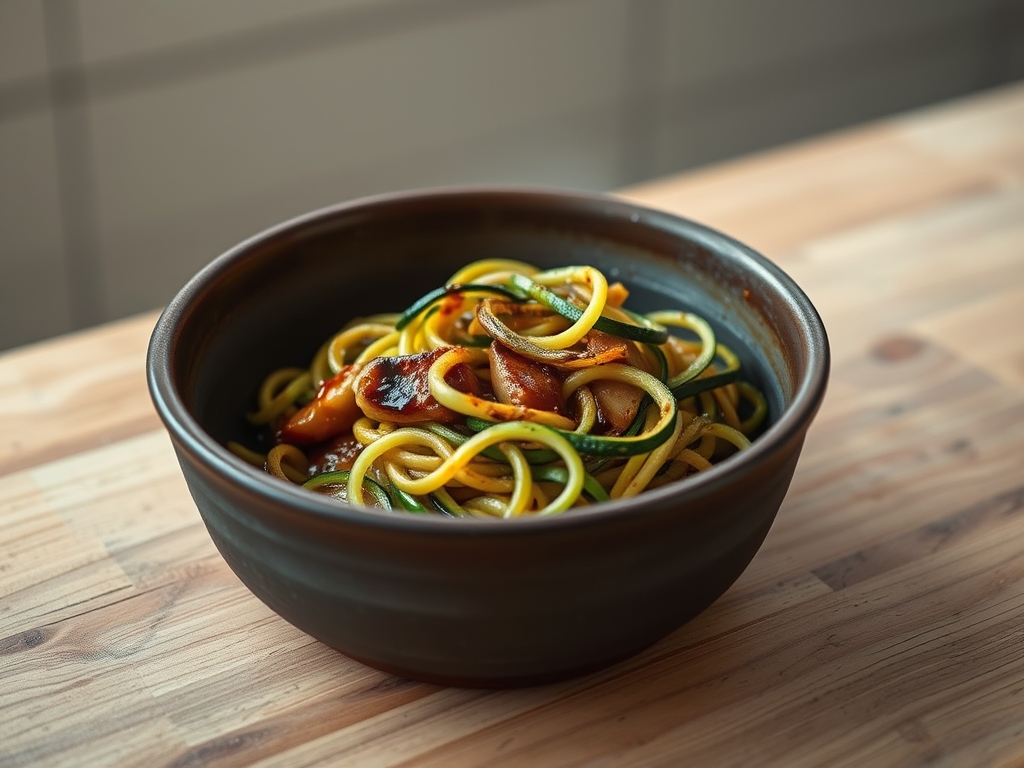
- Keto: This is difficult given the pasta base, but "Palmini" (hearts of palm) spirals can mimic the shape, though the starch-based emulsion will be lost.
- GF: Use high-quality brown rice or corn-based cavatappi. Be cautious, as GF pasta releases less starch and may require a cornstarch slurry to thicken the sauce.
Meal Prep & Reheating Science:
Pasta is a starch matrix that undergoes retrogradation when cooled. To reheat, avoid the microwave, which creates "hot spots" that break the emulsion. Instead, use a small skillet with two tablespoons of water or milk. Heat slowly while tossing to re-emulsify the fats and hydrate the starch.
THE KITCHEN TABLE
Why does my Cavatappi always break apart?
You are likely overboiling. High-velocity bubbles cause the spirals to collide and fracture. Maintain a gentle rolling boil and use a large enough pot to prevent mechanical crowding.
Can I use half-and-half instead of heavy cream?
Negative. Half-and-half lacks the fat content required to create a stable emulsion at high temperatures. It will likely curdle when it meets the salt and heat of the pan.
How do I get the sauce inside the hollow center?
The "Mantecatura" phase is key. By vigorously tossing the pasta in the sauce, you create centrifugal force that drives the liquid into the hollow core of the Curly Cavatappi.
Does the brand of pasta actually matter?
Yes. Look for "bronze-cut" labels. Bronze dies create a rougher surface texture compared to teflon dies. This micro-texture is essential for sauce adhesion and structural integrity.