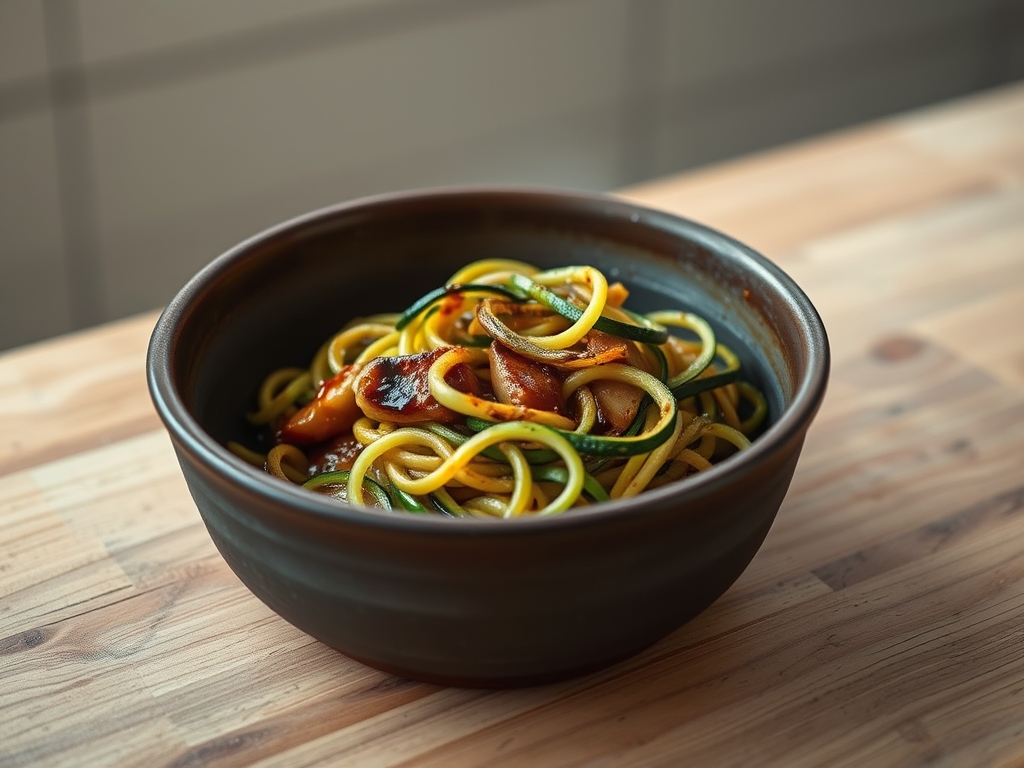
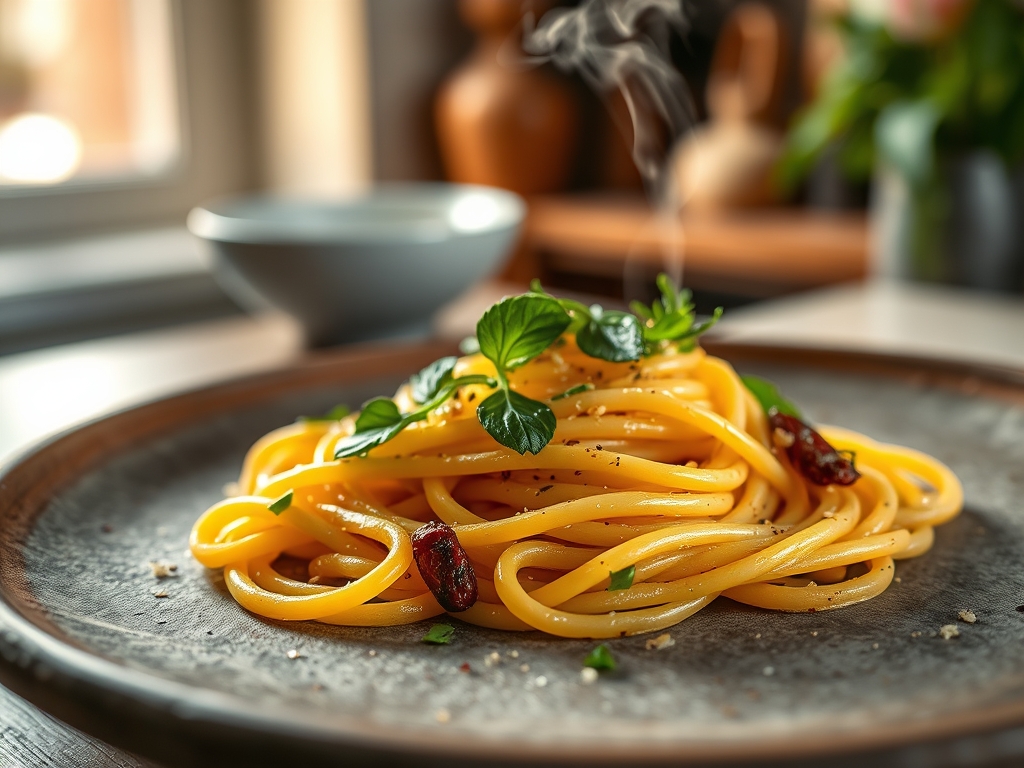
Listen to the sound of architectural perfection colliding with high-velocity culinary physics. We are not just boiling dough; we are deploying a fleet of fluted, ruffled, and conical masterpieces designed for maximum sauce retention. Gigli Lily Pasta is the undisputed champion of the pasta world. Its shape mimics the lilies of Florence, featuring a central hollow core surrounded by a flared, undulating edge that acts as a structural reservoir for the most viscous sauces in your repertoire. When you toss these helixes into a boiling cauldron, you are witnessing a masterclass in surface area optimization. The ruffles do not just look pretty; they create turbulence in the pan, ensuring every millimeter of starch is coated in piquant fat and emulsified liquid. This is the pasta for the ambitious home chef who demands structural integrity and aesthetic dominance on the plate. We are moving beyond the flat planes of linguine and the basic tubes of penne. Today, we audit the Gigli, ensuring every fold and curve performs at peak efficiency under the heat of the stove.
THE DATA MATRIX
| Metric | Specification |
|---|---|
| Prep Time | 15 Minutes |
| Execution Time | 20 Minutes |
| Yield | 4 Servings |
| Complexity (1-10) | 4 |
| Estimated Cost per Serving | $3.25 |
THE GATHERS
Ingredient Protocol:
- 500g / 1.1 lbs Gigli Lily Pasta (Bronze-die extruded preferred)
- 60ml / 4 tbsp Extra Virgin Olive Oil (High polyphenol count)
- 454g / 1 lb Italian Fennel Sausage (Casing removed)
- 3g / 1 tsp Red Chili Flakes (To infuse heat)
- 4 cloves / 20g Garlic (Microplaned)
- 120ml / 0.5 cup Dry White Wine (Vermentino or Pinot Grigio)
- 250ml / 1 cup Heavy Cream (Minimum 36% milkfat)
- 100g / 1 cup Parmigiano-Reggiano (Freshly grated)
- 50g / 2 cups Baby Spinach (Freshly washed)
- 5g / 1 tsp Kosher Salt (For pasta water saturation)
Section A: Ingredient Quality Audit:
The primary failure point in this assembly is the use of Teflon-extruded pasta. If your Gigli looks shiny and smooth, it will fail to grip the sauce; the emulsion will simply slide off the conical surface. Always source bronze-die extruded pasta, which possesses a micro-porous, sandpaper-like texture. If your sausage lacks sufficient fat content, the rendering phase will be lackluster, leading to a dry mouthfeel. To fix lean meat, add a tablespoon of chilled butter during the browning phase to simulate the missing lipids. If your cream breaks or curdles, it is likely due to high acidity in your wine choice or excessive heat. Ensure you deglaze thoroughly and reduce the wine by half before introducing the dairy to stabilize the pH levels.
THE MASTERCLASS
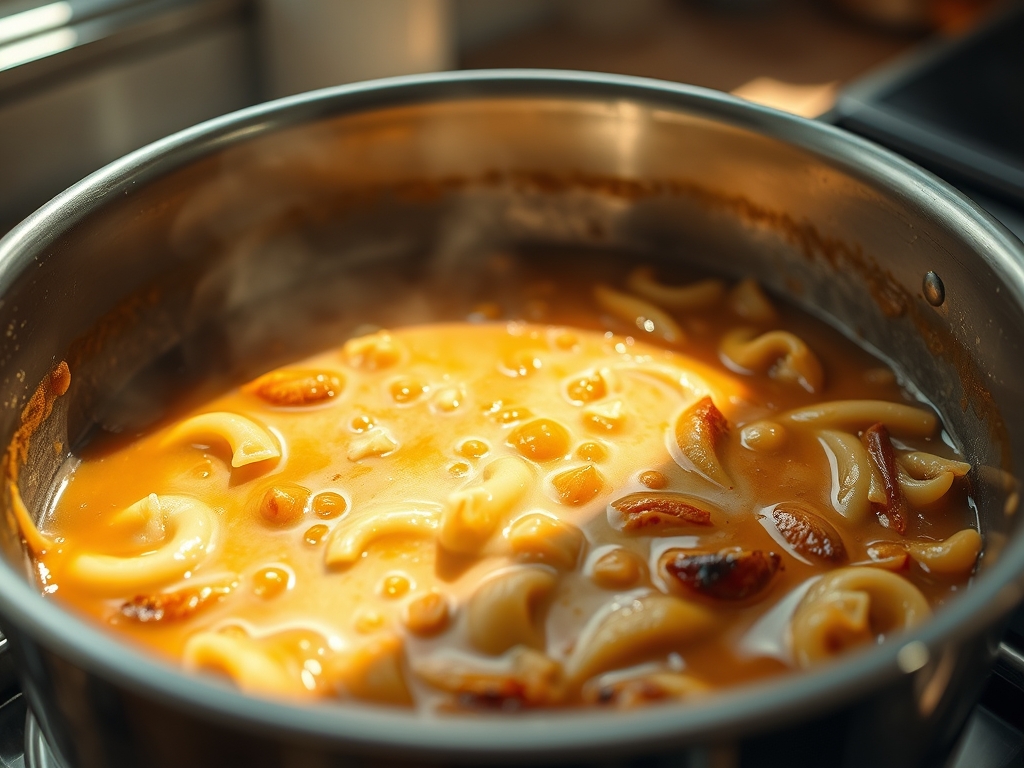
Step 1: Hydraulic Saturation and Salinity Control
Bring 4 liters of water to a rolling boil in a heavy-bottomed stockpot. Calibrate your salinity using a digital scale to achieve a 1% salt concentration. Introduce the Gigli Lily Pasta and stir immediately to prevent the ruffles from interlocking.
Pro Tip: Boiling water is a solvent. By saturating it with salt, you season the pasta from the inside out through osmotic pressure. Use a bench scraper to move any stray flour or pasta bits from your workspace into the bin to maintain a sterile environment.
Step 2: Lipid Rendering and Maillard Optimization
Place a stainless steel saucier over medium-high heat. Add the olive oil and the crumbled sausage. Use a wooden spoon to break the protein into small, uniform aggregates. Sauté until the meat undergoes the Maillard reaction, turning a deep, caramelized brown.
Pro Tip: Do not crowd the pan. Overcrowding leads to steaming rather than searing. The goal is to render the pork fat, which serves as the flavor carrier for the entire dish.
Step 3: Aromatic Infusion and Deglazing
Reduce the heat to medium. Add the microplaned garlic and chili flakes. Sauté for exactly 60 seconds until fragrant but not scorched. Pour in the white wine to deglaze the pan, using the liquid to lift the fond (the browned bits) from the bottom of the saucier.
Pro Tip: The alcohol in the wine acts as a bridge between fat-soluble and water-soluble flavors. Use a silicone spatula to ensure every scrap of flavor is integrated into the liquid phase.
Step 4: Emulsion Construction
Pour in the heavy cream and bring to a light simmer. Allow the volume to reduce by one-third until the liquid becomes viscous. This is where the structural integrity of the sauce is built.
Pro Tip: High milkfat cream is more stable at high temperatures. By reducing the sauce before adding the pasta, you ensure the ruffles of the Gigli are coated in a thick, luxurious film rather than a thin, watery soup.
Step 5: The Final Integration
Using a spider strainer, transfer the pasta directly from the water into the saucier when it is two minutes shy of al dente. Add a splash of starchy pasta water. Toss vigorously with the Parmigiano-Reggiano and spinach until the cheese melts and the sauce clings to the helixes.
Pro Tip: This is the "mantecatura" phase. The starch in the pasta water acts as a natural emulsifier, binding the oil and cream into a unified, glossy coating that fills the central cavity of each Gigli lily.
Section B: Prep & Timing Fault-Lines:
The most common timing error is the "holding pattern" where pasta sits in a colander while the sauce finishes. This causes the pasta to self-cook via residual heat, leading to a mushy texture. Always synchronize your workflow so the sauce is waiting for the pasta. If your kitchen temperature is too low, your cheese will clump instead of melting into the emulsion. Ensure your saucier remains over low heat during the final tossing phase to maintain the kinetic energy required for a smooth melt.
THE VISUAL SPECTRUM
Section C: Thermal & Visual Troubleshooting:
Referencing the masterclass image, the final product should exhibit a vibrant, glossy sheen. If the dish appears dull or matte, you have insufficient fat or the sauce has been over-reduced; whisk in a tablespoon of pasta water to restore the luster. Uneven browning on the sausage indicates poor heat distribution; ensure you are using a heavy-ply pan. The spinach should be wilted but retain a bright, verdant green. If it turns olive-drab, it has been overcooked. To aerate the presentation, use tongs to lift the Gigli into a conical pile in the center of the bowl, allowing the fluted edges to catch the light and showcase the architectural complexity of the lily shape.
THE DEEP DIVE
Macro Nutrition Profile:
A standard serving of this Gigli assembly provides approximately 650 calories. It is heavy in complex carbohydrates (65g) and protein (25g) from the sausage and cheese. The lipid profile is significant (35g), primarily sourced from the heavy cream and olive oil, providing long-lasting satiety.
Dietary Swaps:
- Vegan: Substitute sausage with crumbled tempeh seasoned with fennel; use cashew cream and nutritional yeast in place of dairy.
- Keto: This shape is difficult to replicate in low-carb form, but shirataki "knots" provide a similar textural complexity.
- GF: Look for Gigli made from corn and rice flour; ensure they are bronze-die extruded to maintain sauce-gripping capabilities.
Meal Prep & Reheating Science:
Gigli is exceptionally durable. To reheat, avoid the microwave, which can cause the fats to separate and the pasta to turn rubbery. Instead, use a small skillet with two tablespoons of water or milk. Cover and heat on low, allowing the steam to re-hydrate the starch molecules and re-emulsify the sauce without breaking the delicate fluted edges.
THE KITCHEN TABLE
Why is my Gigli breaking apart in the water?
This usually indicates low-quality flour or over-boiling. Use a gentle simmer rather than a violent boil. High-quality durum wheat semolina has the protein strength to maintain the fluted edges during the hydration process.
Can I use pre-grated cheese for the sauce?
Absolutely not. Pre-grated cheese is coated in cellulose or potato starch to prevent clumping in the bag. This anti-caking agent will prevent the cheese from melting smoothly, resulting in a grainy, broken sauce texture.
What does "al dente" actually mean for Gigli?
Because of the thick central core and thin fluted edges, Gigli has a variable cook map. Al dente means the center still has a slight "tooth" or resistance, while the ruffles are soft and supple.
How do I make the sauce even thicker?
The secret is the pasta water. It is liquid gold filled with amylose starch. Add it in small increments while tossing the pasta over heat; the mechanical action combined with the starch creates a thick, professional-grade glaze.