Imagine a sheet of dough so translucent you could read a broadsheet newspaper through its glutenous membrane. This is not mere baking; it is high-stakes structural engineering where the margin for error is measured in microns. We are diving into the architecture of the Spiralized Strudel, a dish that demands absolute mastery over protein alignment and hydration levels. The air in the kitchen should feel charged with the scent of toasted nuts and the sharp, piquant aroma of macerated fruit. As you stretch the dough, you are witnessing the limits of tensile strength. One wrong move, one jagged fingernail, or one dry patch of flour, and the entire structural integrity collapses into a gummy mess. But when executed with precision, the result is a golden, shattered-glass exterior that yields to a lush, spiraled interior of concentrated flavor. This is the ultimate test for any culinary auditor. We are looking for shatter-rate, flake-density, and the perfect ratio of crisp parchment to succulent filling. Strap in, because we are about to push wheat protein to its absolute breaking point.
THE DATA MATRIX
| Metric | Specification |
|---|---|
| Prep Time | 90 Minutes (Includes Resting) |
| Execution Time | 45 Minutes |
| Yield | 8 Generous Servings |
| Complexity (1-10) | 9 (Advanced Infrastructure) |
| Estimated Cost per Serving | $1.85 USD |
THE GATHERS
Ingredient Protocol:
- 500g / 4 cups High-Protein Bread Flour (Minimum 12.5% protein)
- 300ml / 1.25 cups Lukewarm Water (38C / 100F)
- 50ml / 3.5 tbsp Neutral Vegetable Oil
- 5ml / 1 tsp Fine Sea Salt
- 5ml / 1 tsp Apple Cider Vinegar (The acid relaxant)
- 1kg / 2.2 lbs Granny Smith Apples (Spiralized and drained)
- 150g / 0.75 cups Granulated Sugar
- 10g / 2 tsp Ground Cinnamon
- 100g / 0.5 cups Unsalted Butter (Melted for lamination)
- 100g / 1 cup Toasted Breadcrumbs (The moisture wick)
Section A: Ingredient Quality Audit:
The most common failure point in a Spiralized Strudel is the use of All-Purpose flour. If your flour lacks the necessary protein content, the dough will tear before it reaches the required transparency. Technical fix: If you only have low-protein flour, replace 20g of flour with 20g of Vital Wheat Gluten to reinforce the matrix. Another audit failure is watery fruit. Spiralized apples have a massive surface area that releases moisture rapidly. If you do not pre-salt or macerate and drain your fruit, the steam will blow out the bottom of your pastry. Always use a digital scale to ensure the hydration ratio is exactly 60 percent; any higher and the dough becomes too viscous to handle.
THE MASTERCLASS
Step-by-Step Execution:
1. Gluten Development and Hydration
Combine the flour, salt, water, oil, and vinegar in a stand mixer. Knead on medium speed for 10 minutes until the dough is silky and passes the windowpane test. The vinegar acts as a dough conditioner, breaking down the tough disulfide bonds to allow for extreme stretching.
Pro Tip: Use a digital scale to weigh your water. Volumetric measurements are too imprecise for high-tension doughs. The science here is hydrophilic bonding; the flour must be fully saturated to prevent brittle spots.
2. The Thermal Rest
Shape the dough into a smooth ball, coat it in a thin film of oil, and place it in a warm glass bowl. Cover tightly and let it rest for at least 60 minutes. This allows the gluten network to relax from a "coiled" state to an "extended" state.
Pro Tip: Place the bowl on a warm (not hot) surface. The warmth increases the kinetic energy of the molecules, making the dough more pliable. Use a bench scraper to handle the dough gently without tearing the surface tension.
3. The Grand Expansion
Cover a large table with a clean linen cloth and dust it lightly with flour. Roll the dough out as thin as possible with a rolling pin, then use the backs of your hands to gently pull the dough from the center outward. You are aiming for a sheet that covers the entire table.
Pro Tip: Remove all jewelry. The goal is to aerate the dough by pulling air underneath it as you stretch. This is a lesson in tensile strength; the dough should be thin enough to see the pattern of the tablecloth through it.
4. The Spiralized Filling Deployment
Brush the entire surface with melted butter using a pastry brush. Sprinkle the toasted breadcrumbs over the bottom third. Arrange your spiralized apples, sugar, and cinnamon over the crumbs. The crumbs act as a "wick" to absorb the juices that render out of the fruit during baking.
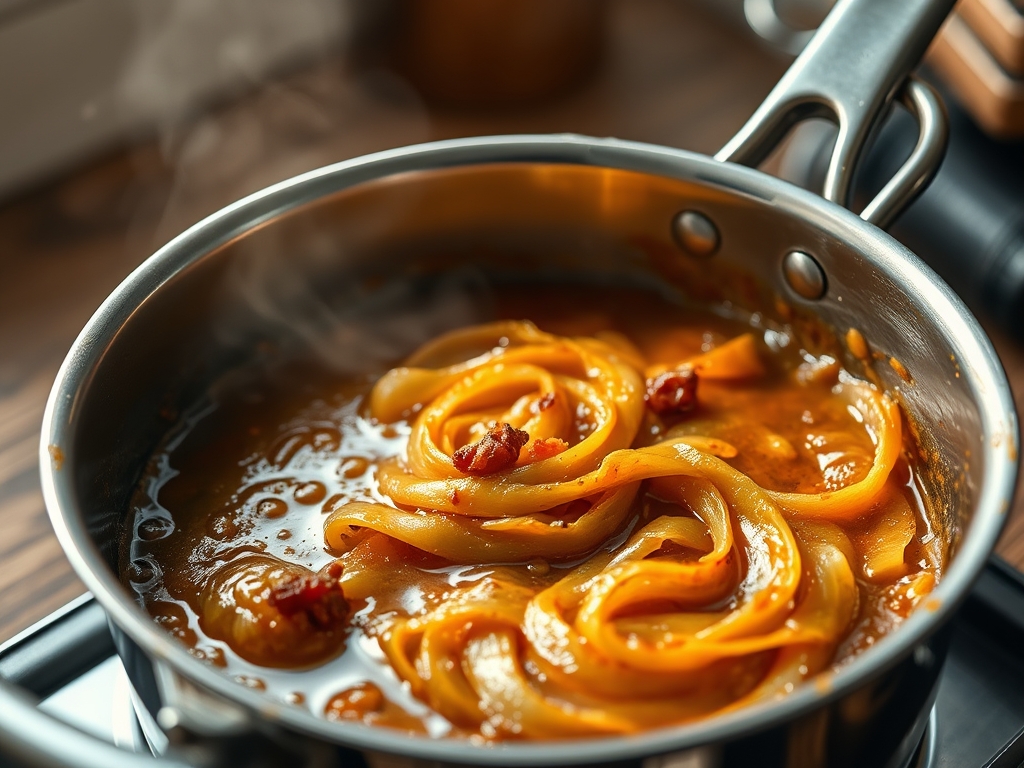
Pro Tip: Use a saucier to brown your butter (Beurre Noisette) before brushing. This adds a toasted, nutty profile that complements the cinnamon. The breadcrumbs prevent the "soggy bottom" syndrome by trapping excess moisture.
5. The Structural Roll and Bake
Using the tablecloth to lift the edge of the dough, gently roll the strudel into a tight cylinder. The cloth does the heavy lifting, ensuring the thin layers don't collapse. Transfer to a parchment-lined tray, brush with more butter, and bake at 200C (400F) for 35 minutes.
Pro Tip: Ensure your oven is preheated with a baking stone if possible. The immediate heat transfer causes the water in the butter to flash into steam, which creates the distinct, flaky layers of the pastry.
Section B: Prep & Timing Fault-Lines:
Timing is the silent killer of the Spiralized Strudel. If you stretch the dough and then leave it exposed to the air for more than five minutes before filling, it will dehydrate and become "leathery." This prevents the layers from separating. Furthermore, if your filling is too hot when applied to the dough, it will melt the fat and cause the gluten to dissolve, leading to a structural breach. Always ensure your spiralized apples are at room temperature and have been patted dry with a lint-free towel.
THE VISUAL SPECTRUM
Section C: Thermal & Visual Troubleshooting:
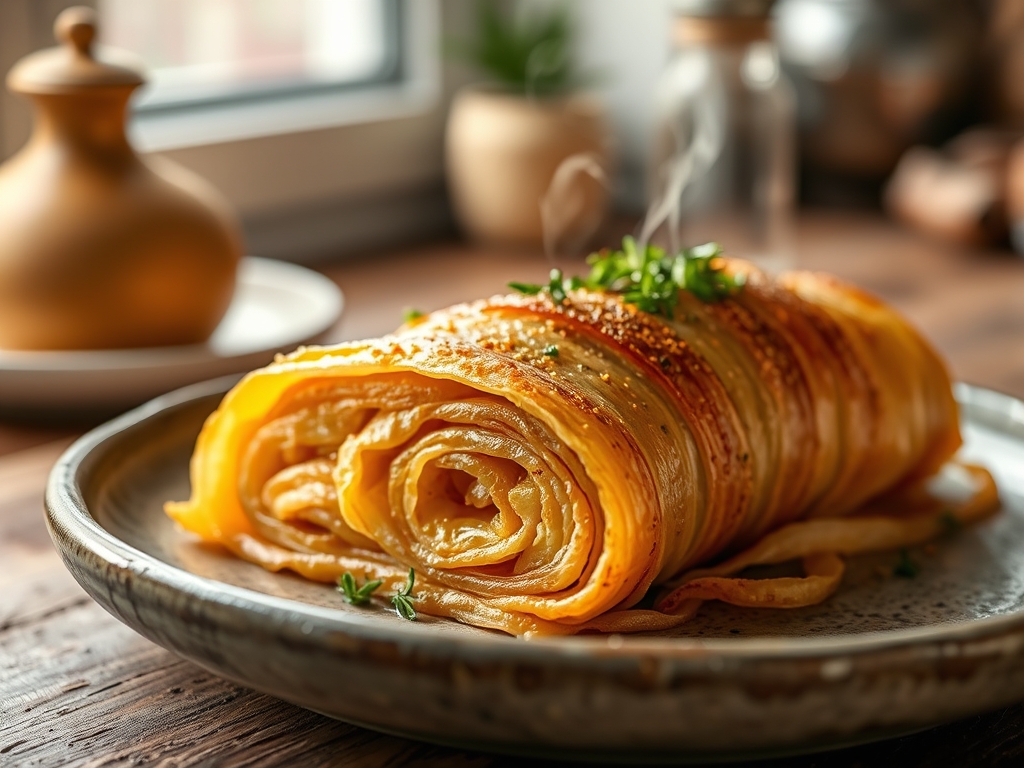
Look at the Masterclass photo above. Notice the deep mahogany hue and the visible "shatter" lines where the pastry has puffed. If your strudel looks pale and matte, your oven temperature was too low or you skipped the final butter wash. A dull finish indicates a lack of Maillard reaction; you can fix this by adding a pinch of sugar to your basting butter. If you see large "blowouts" or holes on the sides, it means the steam couldn't escape. Next time, use a paring knife to score small vents in the top layer. The spiral pattern should be clearly visible in the cross-section; if it looks like a solid mass, your layers were too thick or you didn't use enough fat between them.
THE DEEP DIVE
Macro Nutrition Profile:
A single serving contains approximately 320 calories, 14g of fat, 45g of carbohydrates, and 4g of protein. While high in carbs, the use of fresh apples provides a significant dose of fiber and polyphenols.
Dietary Swaps:
- Vegan: Substitute the butter with a high-quality vegan block butter or refined coconut oil. Ensure the sugar is bone-char free.
- GF: This is extremely difficult due to the lack of gluten. You must use a blend of Xanthan gum and Psyllium husk to mimic the tensile strength, though the "stretch" will never be identical to wheat.
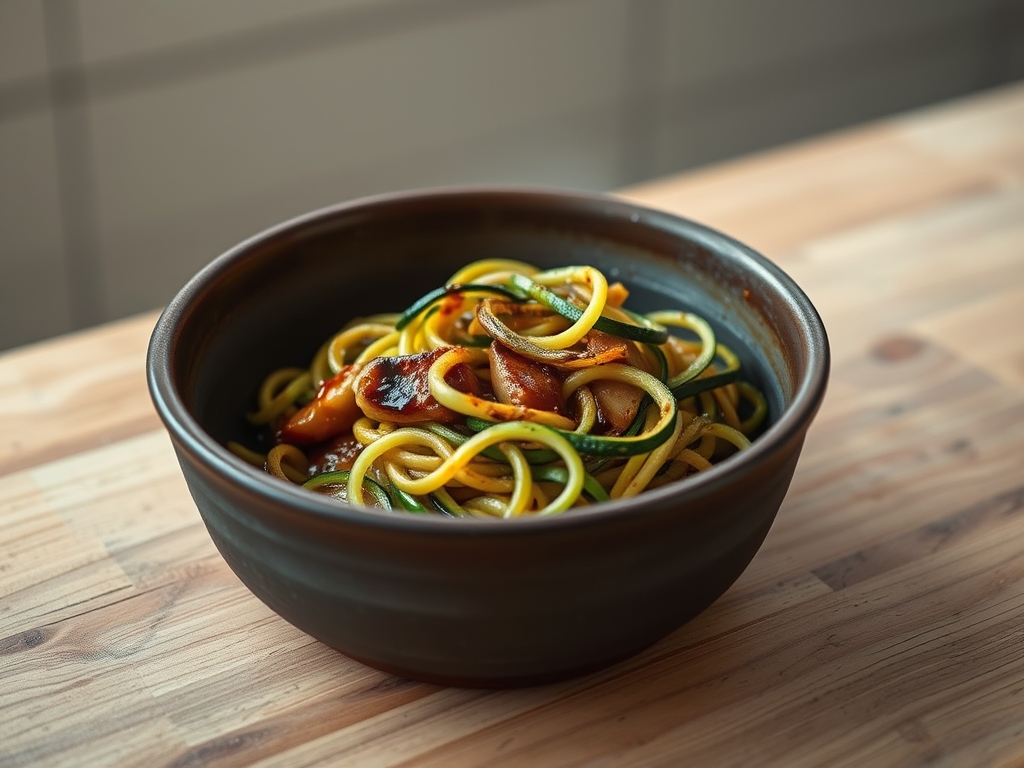
- Keto: Use almond flour and xanthan gum for the dough, and replace apples with spiralized zucchini sautéed in cinnamon and monk fruit sweetener.
Meal Prep & Reheating Science:
To maintain the molecular structure, never reheat in a microwave. The electromagnetic waves agitate water molecules, turning the crisp pastry into a rubbery sponge. Instead, use an air fryer or oven at 175C (350F) for 8 minutes to re-crisp the fat layers and infuse heat back into the core without losing the crunch.
THE KITCHEN TABLE
Why did my dough snap while stretching?
The gluten was likely under-hydrated or under-rested. If the proteins are still "tight," they cannot slide past each other. Ensure a full 60-minute rest in a warm environment to allow the molecular network to relax.
Can I use a food processor for the dough?
Yes, but be careful not to overheat the flour. The friction of the blades can raise the temperature too quickly, partially "cooking" the proteins before they can form a proper matrix. Pulse until a ball forms, then finish by hand.
How do I get the spiralized apples so dry?
Toss them with a tablespoon of sugar and a pinch of salt, then let them sit in a colander for 20 minutes. The osmotic pressure draws the moisture out. Squeeze them firmly before placing them on the dough.
My strudel is leaking juice everywhere!
This is a "wicking" failure. You likely skipped the breadcrumbs or didn't use enough. The breadcrumbs are structural components designed to absorb the liquid and turn into a frangipane-like paste during the baking process.