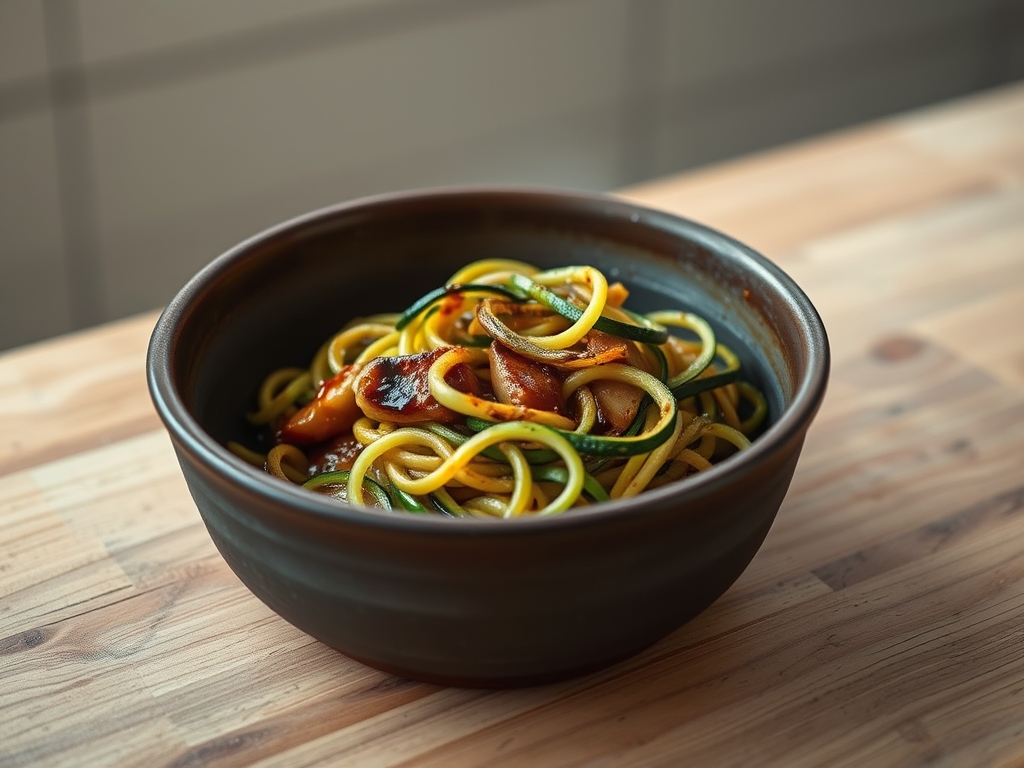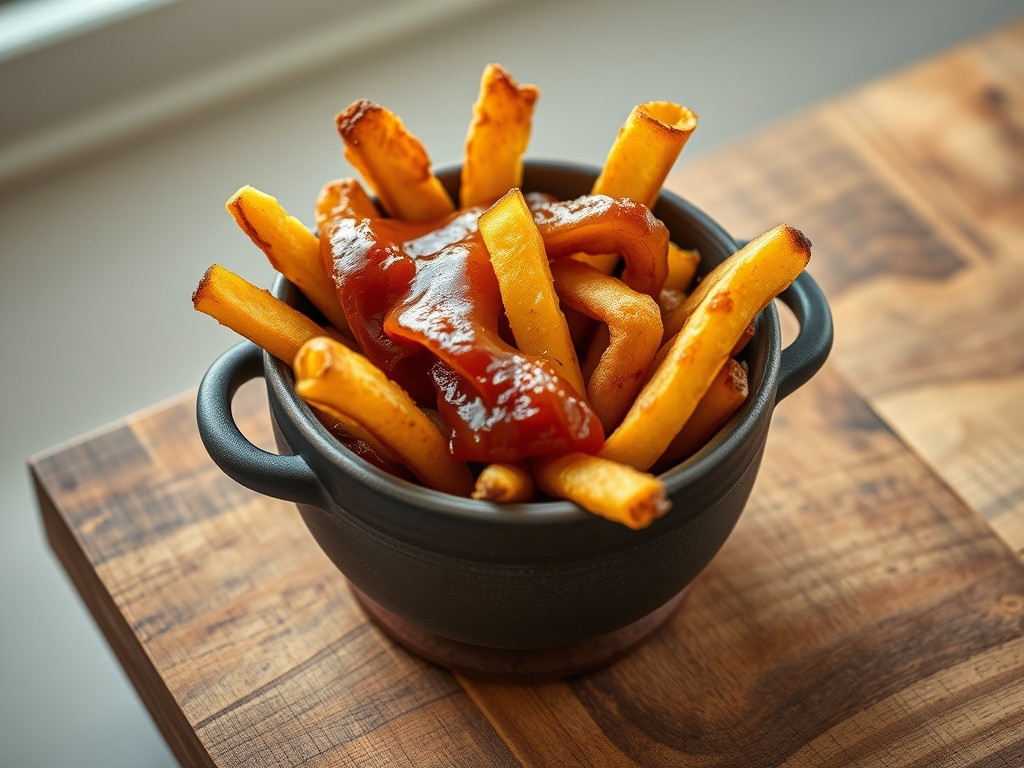
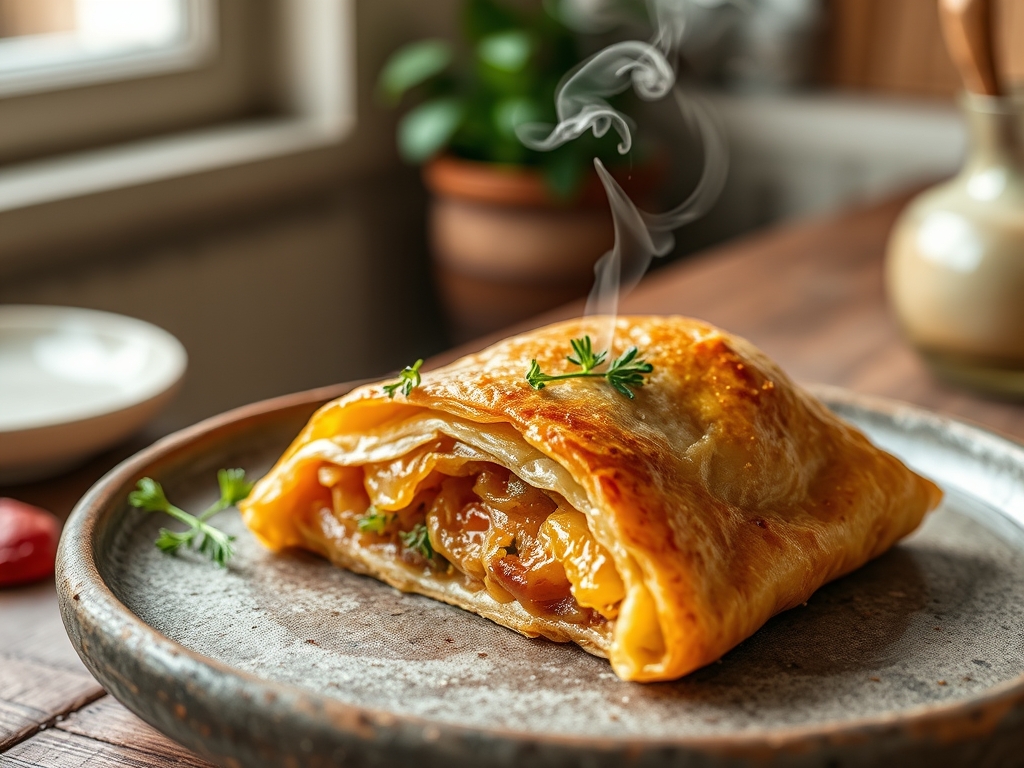
Listen closely because we are about to re-engineer the very concept of the handheld pastry. Forget the soggy, uninspired fruit pies of your youth; we are entering the realm of structural gastronomy where the Twisted Turnover reigns supreme. This is not merely a snack; it is a masterclass in edge sealing physics and thermal management. Imagine a crust so laminated it shatters like glass upon contact, yielding to a core of fruit spiralized into a tight, viscous helix. The sugar should be caramelized to the exact point of the Maillard reaction, releasing a piquant aroma that commands the room. We are auditing every millimeter of this bake, from the tensile strength of the gluten network to the moisture migration within the filling. If your current pastry game feels like a structural failure, consider this your emergency intervention. We are here to render fat into flaky perfection and infuse every bite with technical precision. Prepare your station; the audit of the ultimate fruit pocket begins now.
THE DATA MATRIX
| Metric | Specification |
|---|---|
| Prep Time | 45 Minutes |
| Execution Time | 25 Minutes |
| Yield | 8 Units |
| Complexity (1-10) | 7 |
| Estimated Cost per Serving | $1.45 |
THE GATHERS
Ingredient Protocol:
- 500g / 4 cups All-Purpose Flour (11.5% protein content)
- 250g / 1 cup Unsalted High-Fat Butter (Chilled to 4 degrees Celsius)
- 5ml / 1 tsp Fine Sea Salt
- 150ml / 0.6 cups Ice-Cold Distilled Water
- 3 Large Granny Smith Apples (Spiralized)
- 100g / 0.5 cups Granulated Sugar
- 15g / 1 tbsp Cornstarch (The hydrocolloid stabilizer)
- 5ml / 1 tsp Pure Vanilla Extract
- 1 Egg (For the protein-based wash)
Section A: Ingredient Quality Audit:
The most common failure point in a Twisted Turnover is the butter quality. If you are using standard supermarket butter with high water content, your lamination will collapse into a greasy puddle. Fix: Seek out European-style butter with at least 82% butterfat to ensure the steam creates distinct layers. If your fruit is releasing too much liquid, your starch ratio is likely compromised. Fix: Increase your cornstarch by 2 grams to ensure the filling remains viscous and does not compromise the bottom crust integrity. Finally, if your flour is too "weak," the dough will tear during the twisting phase. Fix: Mix in a tablespoon of vital wheat gluten to reinforce the structural matrix.
THE MASTERCLASS
Step-by-Step Execution:
1. The Lipid Integration
Begin by cutting your chilled butter into the flour using a bench scraper. You are looking for pea-sized nodules. Do not overwork the dough; we need those fat pockets intact to create steam during the bake.
Pro Tip: The science here is simple. When the cold butter hits the high heat of the oven, the water within the butter evaporates instantly, pushing the flour layers apart. Use a digital scale for your measurements to ensure the fat-to-flour ratio is mathematically perfect.
2. Hydration and Resting
Gradually add your ice water. Use a folding motion rather than a kneading motion to avoid over-developing the gluten. Wrap the dough in film and refrigerate for 30 minutes.
Pro Tip: Resting allows the gluten strands to relax and the moisture to distribute evenly through the starch granules. A relaxed dough prevents the Twisted Turnover from shrinking or warping in the oven.
3. The Spiralized Core
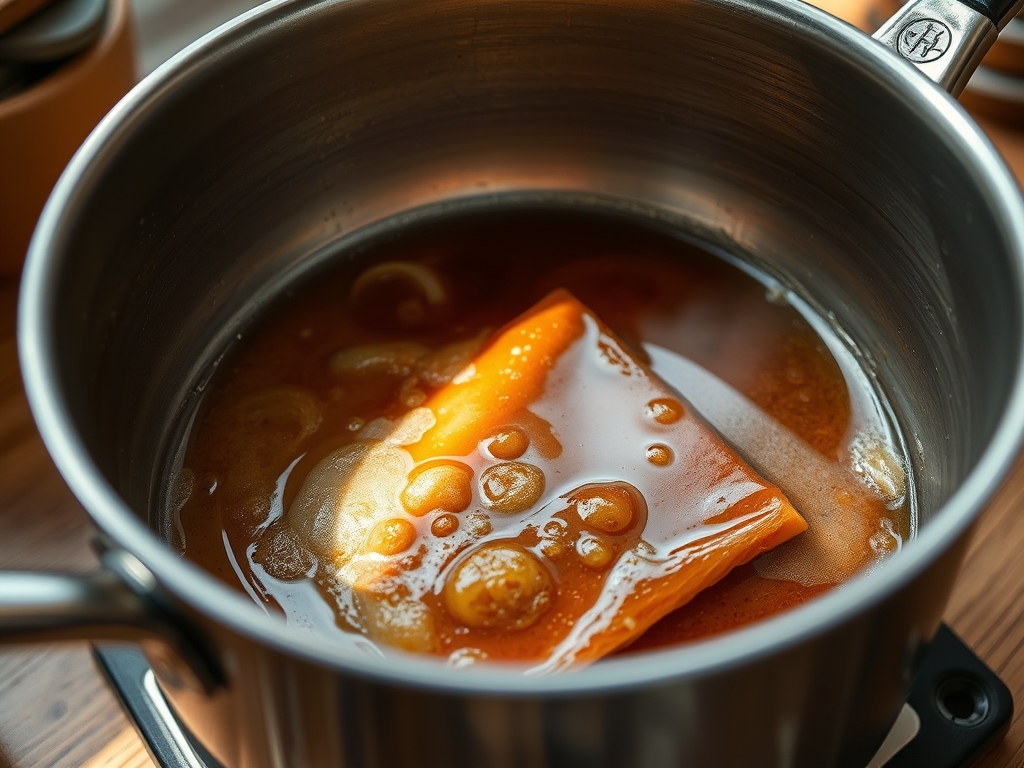
While the dough rests, spiralize your apples and toss them with sugar, vanilla, and cornstarch in a saucier. Heat gently until the juices begin to thicken into a translucent glaze.
Pro Tip: Pre-cooking the filling allows you to control the moisture levels. This prevents the "soggy bottom" syndrome by ensuring the fruit has already released its excess hydration before it ever touches the pastry.
4. The Architectural Twist
Roll the dough to 3mm thickness. Cut into rectangles, place a bundle of spiralized fruit in the center, and fold. Use a fork or a specialized crimper to seal the edges, then apply a 180-degree twist to the entire structure.
Pro Tip: The twist isn't just for aesthetics; it creates a central tension point that helps the pastry expand upward rather than outward. Use your bench scraper to keep the edges clean and sharp.
5. The Protein Glaze and Thermal Blast
Brush the surface with your beaten egg and bake at 200 degrees Celsius (400 degrees Fahrenheit) for 25 minutes.
Pro Tip: The egg wash provides the proteins necessary for the Maillard reaction. This chemical interaction between amino acids and reducing sugars is what creates that deep, golden-brown hue and complex flavor profile.
Section B: Prep & Timing Fault-Lines:
Timing is the silent killer of the Twisted Turnover. If your dough sits at room temperature for more than 10 minutes during the shaping phase, the butter will begin to melt. This ruins the lamination. Fix: Work in batches, keeping half the dough in the refrigerator while you shape the first four units. If your oven temperature is too low, the fat will leak out before the steam can lift the layers. Fix: Use an oven thermometer to verify you have reached a true 200 degrees Celsius before the pastries enter the chamber.
THE VISUAL SPECTRUM
Section C: Thermal & Visual Troubleshooting:
Referencing the Masterclass photo, your Twisted Turnover should exhibit "shatter-crisp" edges with a visible spiral pattern in the center. If your turnovers look dull or matte, you likely skipped the egg wash or used too much flour during the rolling process. Fix: Use a pastry brush to remove excess flour before glazing. If the filling has leaked out, your edge seal was insufficient. Fix: Ensure you are using a "fork-crimp" method with enough pressure to fuse the top and bottom dough layers into a single unit. If the browning is uneven, your oven may have hot spots. Fix: Rotate the baking sheet 180 degrees halfway through the timer to ensure a uniform thermal distribution.
THE DEEP DIVE
Macro Nutrition Profile:
Each unit contains approximately 320 calories, 18g of fat, 38g of carbohydrates, and 4g of protein. The high fat content is necessary for the structural lamination, while the fruit provides a modest 3g of dietary fiber.
Dietary Swaps:
For a Vegan version, substitute the butter with a high-quality plant-based block (ensure it has a high melting point) and use an agave-soy milk wash. For Gluten-Free requirements, use a 1-to-1 flour blend containing xanthan gum to provide the necessary elasticity for the twist. Keto versions are difficult due to the starch requirements, but almond flour with psyllium husk can provide a functional, albeit less flaky, alternative.
Meal Prep & Reheating Science:
To maintain the molecular structure, never reheat these in a microwave. The electromagnetic waves will turn the crust into a rubbery mess. Instead, use a toaster oven at 175 degrees Celsius for 5 minutes. This re-crisps the lipid layers without over-cooking the fruit core.
THE KITCHEN TABLE
Why is my pastry tough instead of flaky?
You likely over-worked the dough, creating too much gluten. Next time, use a lighter hand and ensure your butter remains in visible chunks. The goal is a delicate crumb, not a bread-like texture.
Can I use frozen fruit for the filling?
Yes, but you must thaw and drain it completely first. Frozen fruit contains excess ice crystals that will turn your Twisted Turnover into a watery disaster if not properly managed before the bake.
My turnovers are bursting open in the oven. Why?
This is caused by trapped steam with no escape route. Ensure you have cut small vents in the top of the pastry or that your "twist" allows for internal pressure release during the thermal expansion.
What is the best way to store these?
Store them in a breathable container at room temperature for up to 24 hours. Avoid airtight plastic bags, as they trap residual moisture and will soften the crust, destroying the structural integrity you worked so hard to achieve.