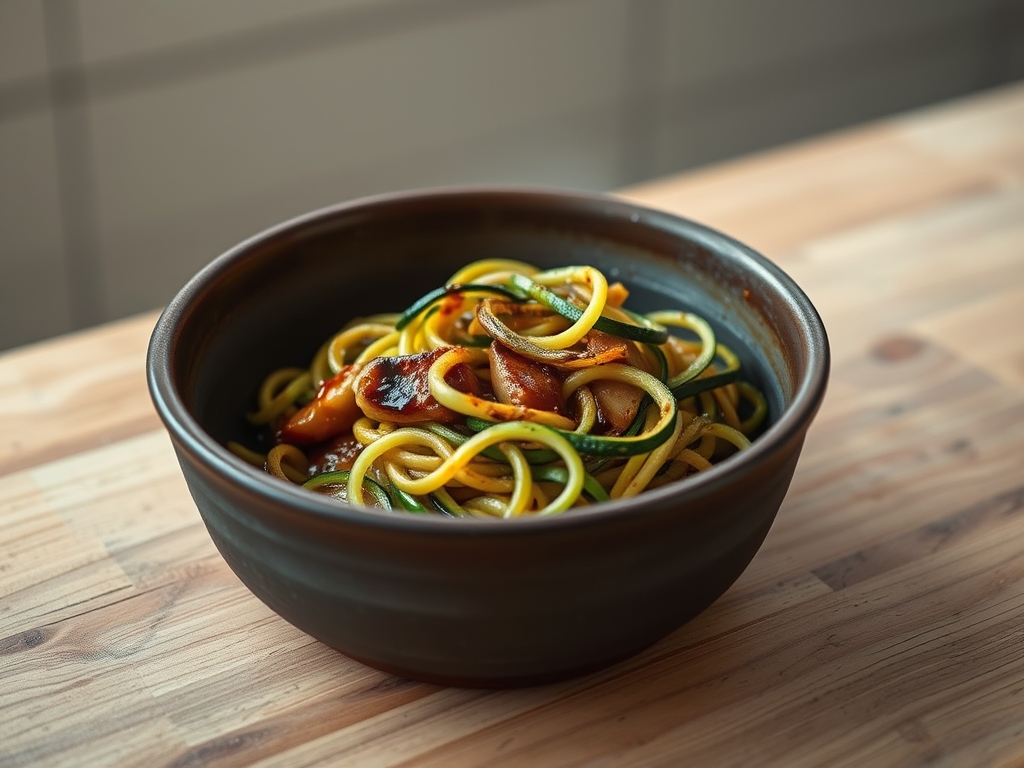
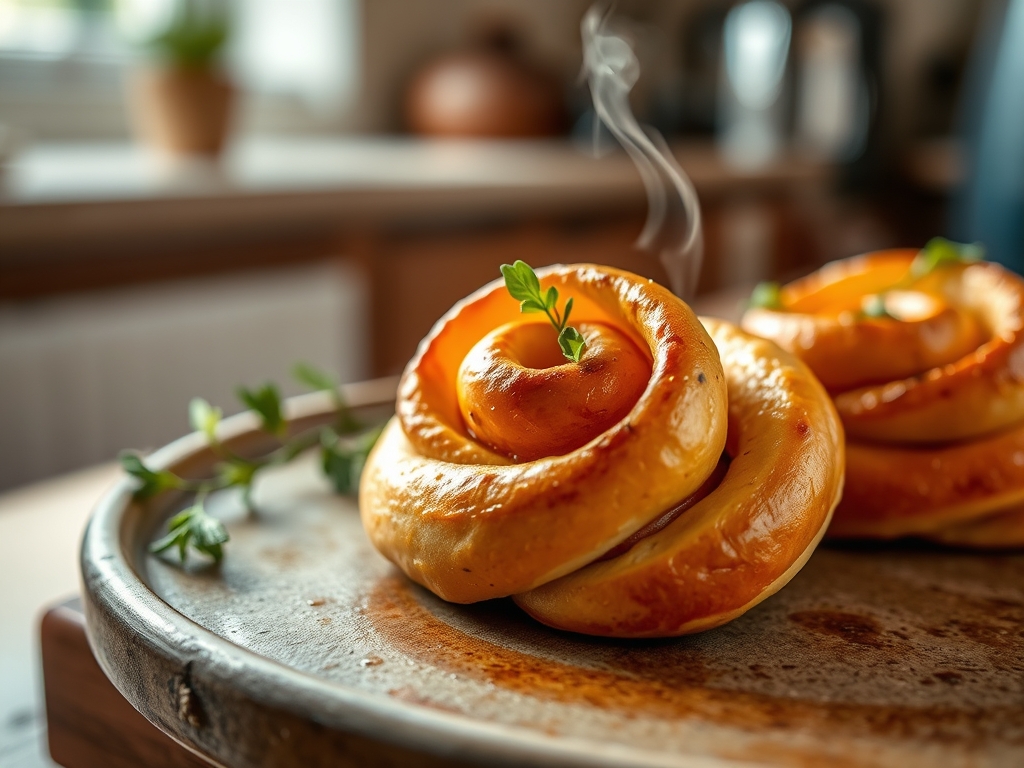
The air in a professional patisserie at 4:00 AM does not just smell like sugar; it smells like a high-stakes engineering project. We are talking about the structural integrity of Morning Bun Spirals. This is not your grandmother's cinnamon roll. This is a masterclass in lamination, where hundreds of microscopic layers of cold butter act as hydraulic lifts, pushing dough upward into a dizzying architectural feat. When the heat hits, the sugar does not just melt; it undergoes a violent transition into a glass-like state. We are hunting for that perfect "shatter" factor. Every spiral is a coiled spring of spice-laden tension, waiting to release a cloud of steam scented with orange zest and cardamom. If you are looking for a soft, doughy bread, you are in the wrong kitchen. We are here to build a crispy, caramelized monument to gluten and fat. This is about the friction between the granulated sugar and the buttery crumb, creating a texture that is simultaneously viscous and brittle. Let us audit your technique.
THE DATA MATRIX
| Metric | Specification |
|---|---|
| Prep Time | 45 Minutes (Active) |
| Execution Time | 18 Hours (Includes Proofing) |
| Yield | 12 Large Spirals |
| Complexity | 8 / 10 |
| Estimated Cost per Serving | $1.15 |
THE GATHERS
Ingredient Protocol:
- 500g / 4 cups All-Purpose Flour (High protein content preferred)
- 10g / 2 tsp Fine Sea Salt
- 50g / 1/4 cup Granulated Sugar (For the dough)
- 10g / 1 tbsp Instant Yeast
- 300ml / 1 1/4 cups Whole Milk (Cold)
- 250g / 1 cup Unsalted European-Style Butter (82 percent butterfat minimum)
- 200g / 1 cup Brown Sugar (For the filling)
- 15g / 2 tbsp Ground Cinnamon
- 5g / 1 tsp Ground Cardamom
- 2g / 1/2 tsp Freshly Grated Nutmeg
- 1 Large Orange (Zested)
- 50g / 1/4 cup Melted Butter (For brushing)
Section A: Ingredient Quality Audit:
If your butter is weeping water at room temperature, your lamination is doomed. Low-quality supermarket butter has too much moisture; this steam will blow out your layers prematurely. Fix this by sourcing European-style butter with higher fat content. If your yeast fails to aerate the dough, check the expiration date and ensure your milk is not over 110 degrees Fahrenheit, which will kill the culture. For the sugar coating, if it feels gritty rather than crunchy, your crystals are too large. Pulse your granulated sugar in a food processor for three seconds to create a "caster" consistency that adheres better to the buttered surfaces.
THE MASTERCLASS
1. The Dough Foundation
Combine your flour, salt, sugar, and yeast in a stand mixer. Slowly infuse the cold milk into the dry ingredients. You are looking for a supple, slightly tacky dough. Do not overwork it yet; we want the gluten to remain relaxed for the upcoming rolling process.
Pro Tip: Use a digital scale for every gram. Volume measurements are the enemy of consistency in lamination. Precision ensures the dough's hydration levels remain constant, preventing a "tough" final crumb.
2. The Butter Block Construction
Place your cold butter between two sheets of parchment paper. Use a heavy rolling pin to pound it into a flat, 7-inch square. It must be pliable but cold. If it snaps, it is too cold; if it greases, it is too warm.
Pro Tip: This is known as a "beurrage." Achieving a plastic-like consistency allows the butter to slide between dough layers without melting into them, which is the secret to those distinct Morning Bun Spirals.
3. The Lamination Sequence
Encase the butter block in your rolled-out dough. Perform three "letter turns," chilling the dough for 30 minutes between each. This creates the mathematical progression of layers. Use a bench scraper to keep your edges square and professional.
Pro Tip: Keep the "open" end of the dough toward you like a book. This ensures the gluten strands are stretched in a uniform direction, preventing the spirals from shrinking unevenly in the oven.
4. The Spice Infusion and Coiling
Roll the finished pastry into a large rectangle. Brush with melted butter and sprinkle heavily with the spice and sugar mixture. Roll the dough into a tight log and use a sharp serrated knife or dental floss to cut 2-inch thick rounds.
Pro Tip: Use a saucier to melt your butter gently. Do not let it brown at this stage. The tightness of your coil determines the final "lift." A loose coil leads to a flat bun; a tight coil forces the steam upward.
5. The Thermal Transformation
Place the spirals into a heavily buttered muffin tin. Proof at room temperature until doubled in size. Bake at 375 degrees Fahrenheit until the sugar has undergone a deep render into a dark amber caramel.
Pro Tip: Use an oven thermometer to verify your heat. Even a five-degree variance can be the difference between a golden bun and a scorched, bitter mess. The sugar must reach the "hard crack" stage on the exterior.
Section B: Prep & Timing Fault-Lines:
The most common failure is the "Proofing Panic." If you bake the spirals too early, the center will be gummy and undercooked while the outside burns. If you wait too long, the structure collapses. The dough should wobble like gelatin when the pan is tapped. Another fault-line is "Butter Leakage." If you see a pool of butter in the bottom of the pan during baking, your dough was too warm during the rolling phase. Next time, increase your refrigeration intervals.
THE VISUAL SPECTRUM
Section C: Thermal & Visual Troubleshooting:
Look at the Masterclass photo. Notice the "crown" effect where the center of the spiral has pushed upward. If your buns are flat, your yeast was weak or your lamination layers merged. Observe the color; it should be a mahogany brown, not pale yellow. Pale buns lack the Maillard reaction necessary for that piquant toasted flavor. If the edges look ragged rather than clean, your knife was dull. A clean cut is essential to allow the layers to expand outward. If the sugar looks white and powdery instead of glassy, you didn't use enough butter on the exterior to facilitate the melting process.
THE DEEP DIVE
Macro Nutrition Profile:
These are high-energy assets. Each spiral contains approximately 420 calories, 22g of fat, 48g of carbohydrates, and 6g of protein. The primary caloric driver is the butter-fat and the sucrose-heavy glaze.
Dietary Swaps:
- Vegan: Replace butter with a high-quality plant-based block (look for high saturated fat) and use oat milk.
- Keto: This is a structural impossibility for traditional lamination, but "fathead" dough with almond flour can mimic the shape, though not the shatter.
- GF: Use a 1-to-1 gluten-free flour blend with added xanthan gum to provide the necessary elasticity for coiling.
Meal Prep & Reheating Science:
To maintain the molecular structure, never microwave a morning bun. The electromagnetic waves turn the sugar into a soft syrup and make the dough rubbery. Instead, use a convection oven at 300 degrees Fahrenheit for six minutes. This re-crystallizes the exterior sugar while gently warming the internal fats.
THE KITCHEN TABLE
Why did my sugar topping turn into a hard rock?
You likely overbaked the buns or your sugar-to-butter ratio was too high. The sugar essentially turned into a "toffee" rather than a light glaze. Reduce your oven time by three minutes or increase the butter wash.
Can I make the dough a day in advance?
Absolutely. In fact, a 24-hour cold ferment in the refrigerator develops better flavor and makes the dough easier to handle. The cold environment slows yeast activity, allowing for a more complex, acidic profile to develop.
Why are my spirals unrolling during the bake?
This is caused by "tension loss." When you roll the log, it must be tight. If the dough is too springy and resists rolling, let it rest for ten minutes to relax the gluten before finishing the coil.
What is the best way to get the zest flavor to pop?
Rub the orange zest directly into the granulated sugar with your fingertips before sprinkling. The abrasive nature of the sugar crystals ruptures the oil sacs in the zest, releasing the maximum aromatic payload into the pastry.