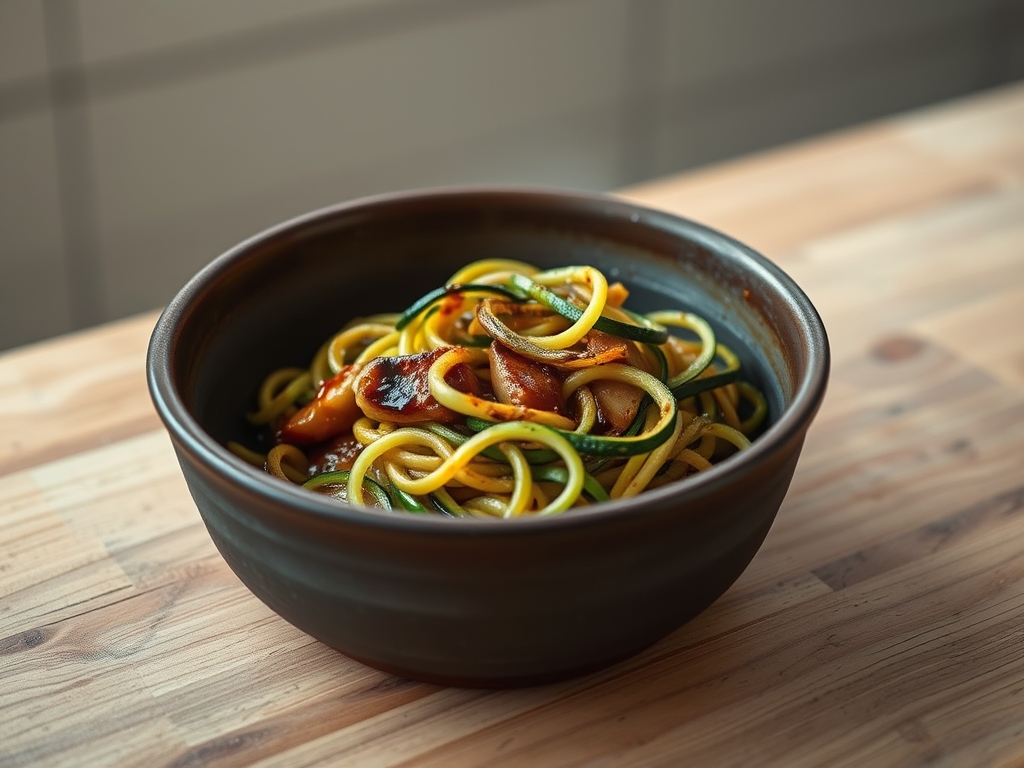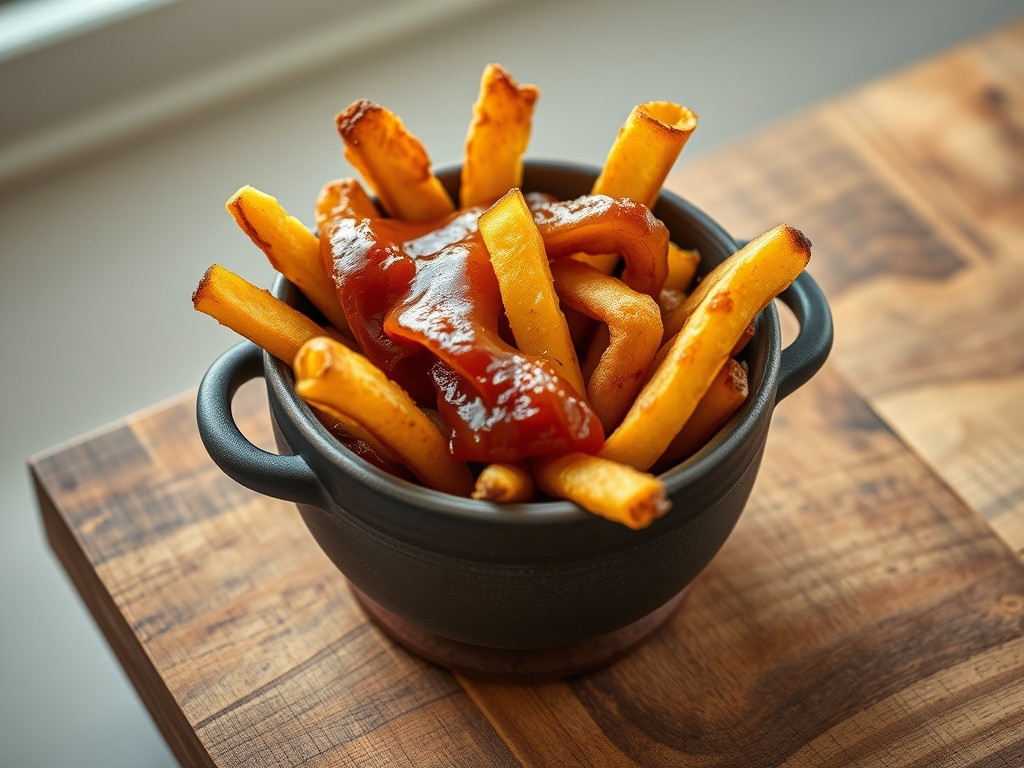
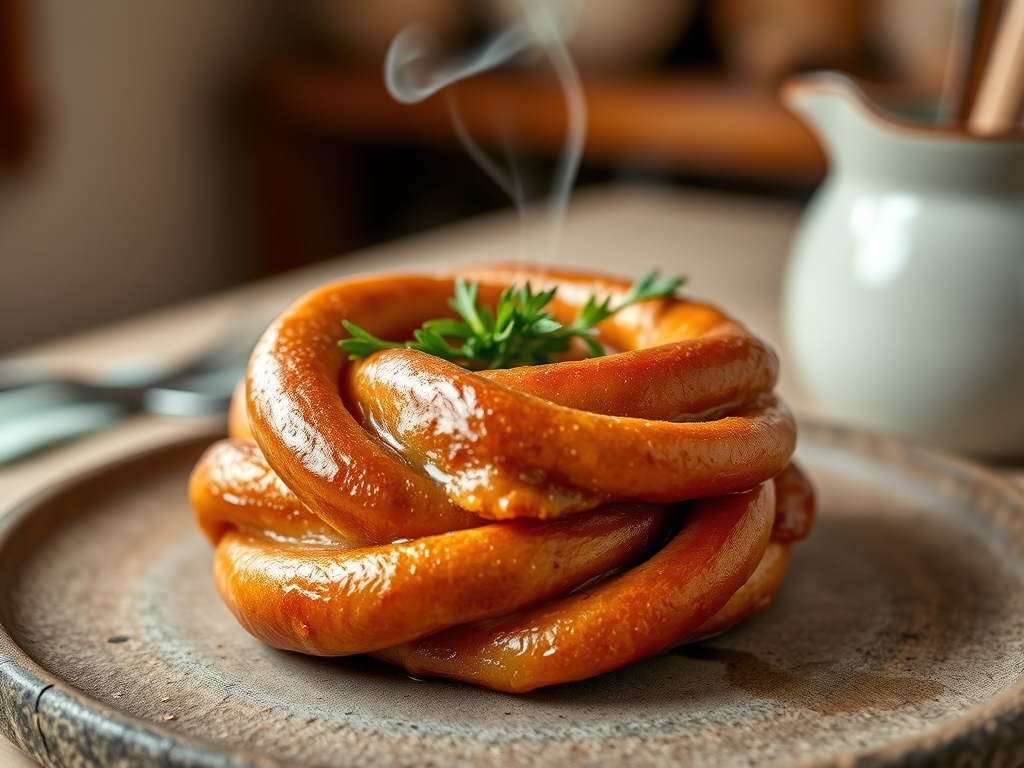
Listen up, flavor architects. We are not just baking; we are conducting a structural audit of the most legendary pastry in the Breton repertoire. Imagine a laminate structure so aggressive it defies the standard laws of pastry physics. This is the Kouign Amann Coil. It is a violent collision of high-fat European butter and crystalline sucrose, engineered to undergo a controlled thermal collapse inside a specialized mold. As the heat penetrates the dough, the moisture in the butter flashes into steam, forcing the layers to aerate and expand. Simultaneously, the exterior sugar begins to render into a viscous, amber lava that coats every single crevice. The result is a fractal of crunch and softness; a golden, spiraled crown that shatters upon impact to reveal a tender, buttery interior. This is the ultimate test of your lamination skills and your patience. If you fail to respect the temperature thresholds, you end up with a greasy puddle. If you succeed, you produce a masterpiece of caramelized lipid layers that will haunt your culinary dreams.
THE DATA MATRIX
| Metric | Specification |
|---|---|
| Prep Time | 45 Minutes (Active) |
| Execution Time | 14 Hours (Includes Chilling) |
| Yield | 12 Individual Coils |
| Complexity (1-10) | 9 |
| Estimated Cost per Serving | $1.45 |
THE GATHERS
Ingredient Protocol:
- 500g / 4 cups All-Purpose Flour (High protein content preferred)
- 10g / 2 tsp Fine Sea Salt
- 7g / 2.25 tsp Instant Yeast
- 300ml / 1.25 cups Filtered Water (Chilled to 4 degrees Celsius)
- 40g / 3 tbsp Unsalted Butter (Melted and cooled for the dough)
- 350g / 1.5 cups High-Fat European Style Butter (Minimum 82% butterfat, for lamination)
- 300g / 1.5 cups Granulated Sugar (Extra for dusting)
- 5g / 1 tsp Salted Butter (For greasing the molds)
Section A: Ingredient Quality Audit:
The primary failure point in a Kouign Amann Coil is the butter quality. If you use standard supermarket butter with high water content, your layers will turn to mush. Technical Fix: Source a cultured, European-style butter. The fermentation adds a piquant depth that cuts through the sugar. If your yeast is sluggish, do not proceed. Test it in warm water with a pinch of sugar; if it does not infuse the liquid with bubbles within five minutes, discard it. Finally, ensure your sugar is fine-grained. Large crystals can puncture the delicate dough membranes during the final folds, leading to a catastrophic leak of butter during the bake.
THE MASTERCLASS
1. The Detrempe Foundation
Combine the flour, salt, yeast, water, and melted butter in the bowl of a stand mixer. Use the dough hook to knead on low speed until the dough is smooth but not overly elastic. You want to develop some gluten, but over-mixing will make the lamination process a nightmare.
Pro Tip: Use a digital scale for every single gram. In high-stakes pastry, volume measurements are the enemy of consistency. The science here is hydration control; a precise 60% hydration ensures the dough is pliable enough to hold the butter without tearing.
2. The Butter Block Integration
Pound your cold lamination butter between two sheets of parchment paper using a heavy rolling pin until it forms a perfect 20cm square. It must be the same consistency as the dough; pliable like cold clay, not brittle. Encase the butter in the rolled-out dough (the "envelope" method).
Pro Tip: Use a bench scraper to keep your edges perfectly square. Sharp 90-degree angles are the secret to even layer distribution. If the butter is significantly harder than the dough, it will shatter into shards rather than forming a continuous sheet.
3. The Sugar Infusion Turns
Perform two "letter folds" without sugar, chilling for 30 minutes between each. On the third and fourth turns, liberally dust the work surface and the dough with granulated sugar. This is where the Kouign Amann Coil earns its name. The sugar is folded directly into the layers.
Pro Tip: The sugar acts as a desiccant, drawing moisture out of the dough. You must work quickly with a tapered rolling pin to prevent the sugar from dissolving into a sticky syrup before the pastry hits the oven.
4. The Spiral Architecture
Roll the final sugared dough into a rectangle approximately 5mm thick. Cut into long strips. Roll each strip tightly to create the coil shape, then tuck the end underneath. Place each coil into a heavily buttered muffin tin or pastry ring.
Pro Tip: Use a pizza wheel or sharp chef knife for clean cuts. Compressing the edges with a dull blade will "seal" the layers, preventing the pastry from blooming upward during the bake.
5. The Thermal Transformation
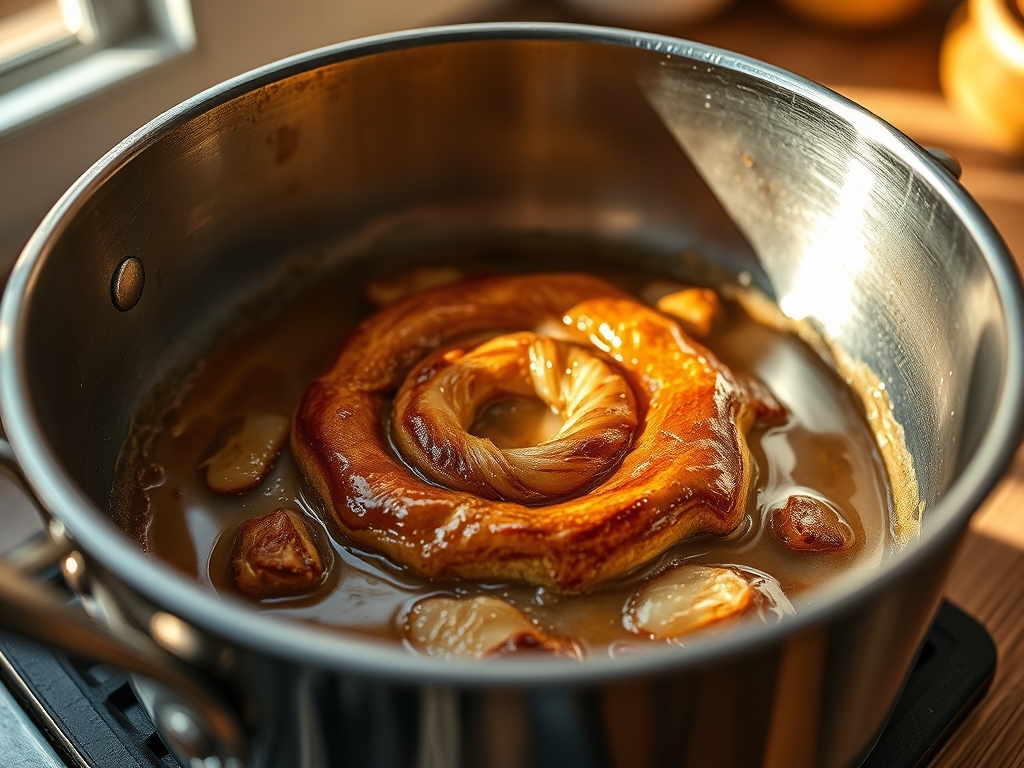
Bake at 190 degrees Celsius (375 F) for 25 to 30 minutes. The sugar will bubble and darken. You are looking for a deep mahogany color. Remove from the oven and immediately de-mold. If you wait even two minutes, the sugar will set like concrete, and the coils will be permanently bonded to the pan.
Pro Tip: Use an offset spatula to gently lift the coils onto a cooling rack. The "carry-over" heat will continue to cook the center for several minutes, so do not be tempted to over-bake.
Section B: Prep & Timing Fault-Lines:
Timing is the invisible ingredient. If your kitchen is over 22 degrees Celsius, the butter will melt into the dough, destroying the lamination. Technical Fix: Chill your marble slab or countertop with ice packs before rolling. If the dough feels "bouncy" and resists rolling, the gluten is over-stressed. Stop immediately and refrigerate for 20 minutes to allow the protein chains to relax. Forcing the dough will result in a tough, bread-like texture rather than a crisp pastry.
THE VISUAL SPECTRUM
Section C: Thermal & Visual Troubleshooting:
Review the Masterclass photo. Notice the "shatter-effect" on the top layers and the translucent amber glaze. If your coils are pale, you have pulled them too early; the sugar has not reached the hard-crack stage, and the interior will be raw. If the bottom is burnt but the top is light, your oven has uneven floor heat. Technical Fix: Place the muffin tin on a preheated heavy baking sheet to stabilize the temperature. If the coil has unraveled, your "tuck" wasn't secure enough. The visual cue for perfection is a "honeycomb" cross-section when sliced; this indicates that the steam successfully separated the lipid-heavy layers.
THE DEEP DIVE
Macro Nutrition Profile:
These are high-density energy units. Each coil contains approximately 380 calories, with 22g of fat, 42g of carbohydrates, and 4g of protein. They are designed for indulgence, not a caloric deficit.
Dietary Swaps:
- Vegan: Use a high-quality plant-based butter block (stiffened with coconut oil) and organic cane sugar. Note that the Maillard reaction will be less intense without dairy proteins.
- Keto/GF: This is virtually impossible due to the need for gluten-based structural integrity and sugar-based caramelization. A gluten-free flour blend with xanthan gum can work, but the "shatter" will be compromised.
Meal Prep & Reheating Science:
To maintain the molecular structure, never microwave a Kouign Amann Coil. The moisture will migrate from the center to the crust, making it soggy. Reheat in a 150 degree Celsius oven for 5 minutes to re-crystallize the sugar and crisp the outer layers.
THE KITCHEN TABLE
Why is my pastry leaking butter in the oven?
Your dough was likely too warm during the final folds, or you didn't allow for a long enough final proof. If the butter melts before the structure sets, it escapes the laminate layers.
Can I use brown sugar instead?
Brown sugar contains molasses, which is hygroscopic and adds too much moisture. This will result in a chewy, sticky mess rather than the crystalline crunch required for a proper Kouign Amann Coil.
How do I get that perfect spiral?
Ensure your strips are of uniform thickness. Use a ruler to measure 3cm widths. Consistency in the strip dimensions ensures that the heat penetrates the center of the coil at the same rate as the exterior.
What if my sugar doesn't caramelize?
Check your oven calibration with a secondary thermometer. Many home ovens run 10 to 15 degrees cold. Without reaching the proper thermal threshold, the sucrose won't undergo the complex decomposition required for caramelization.