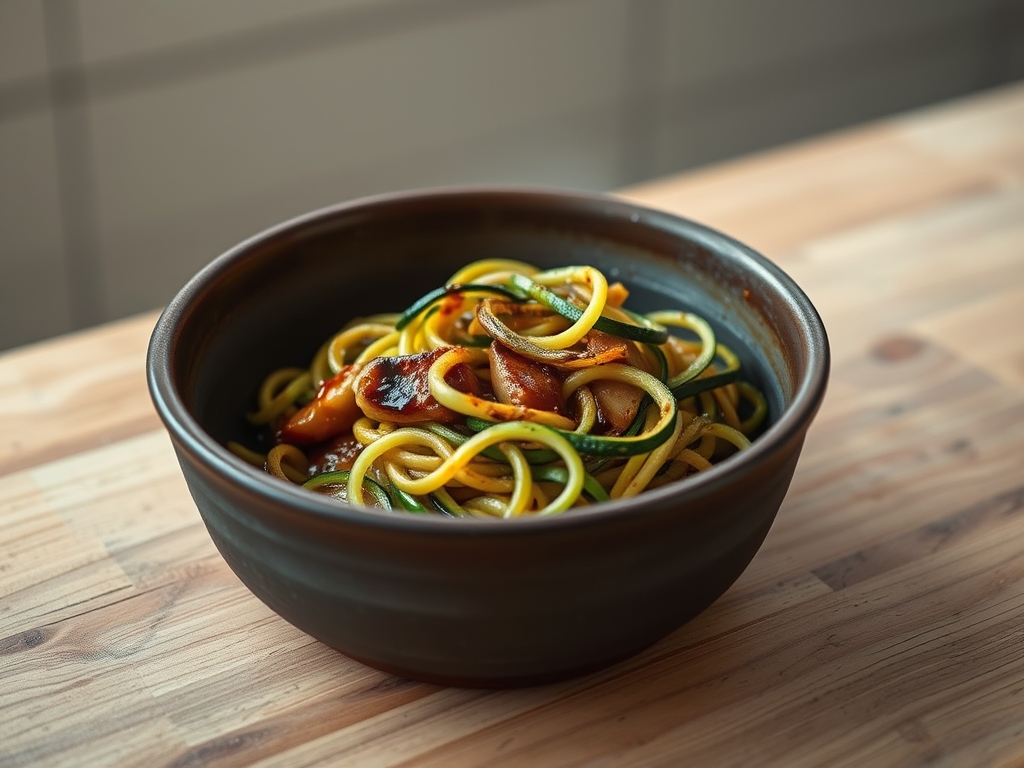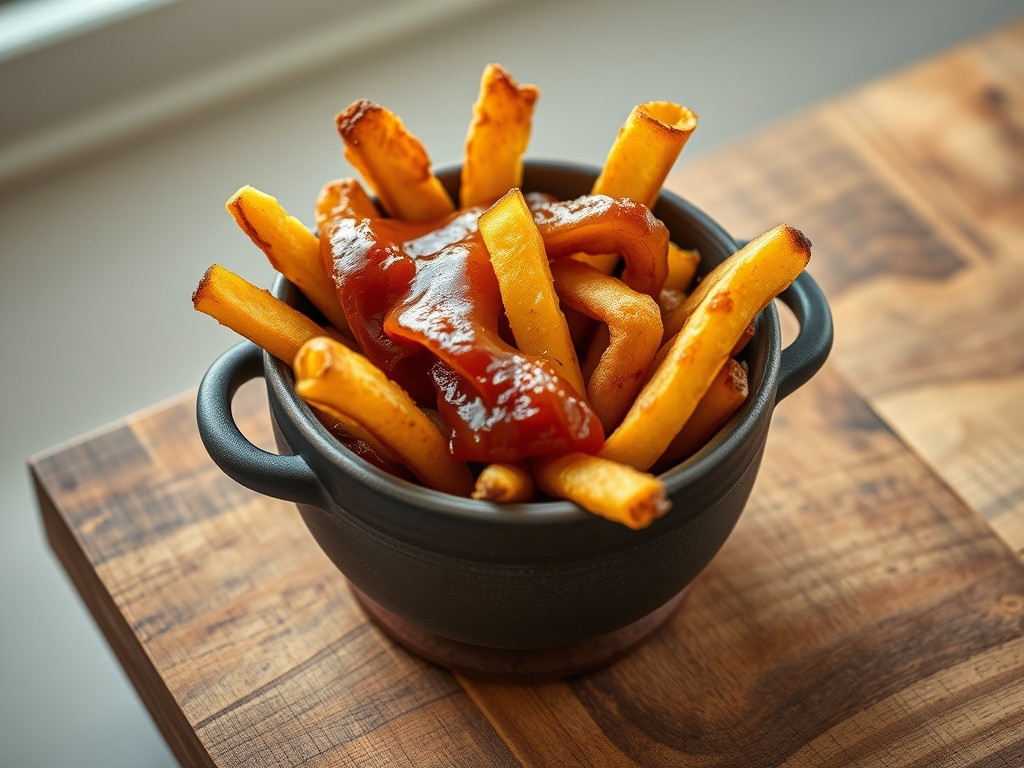
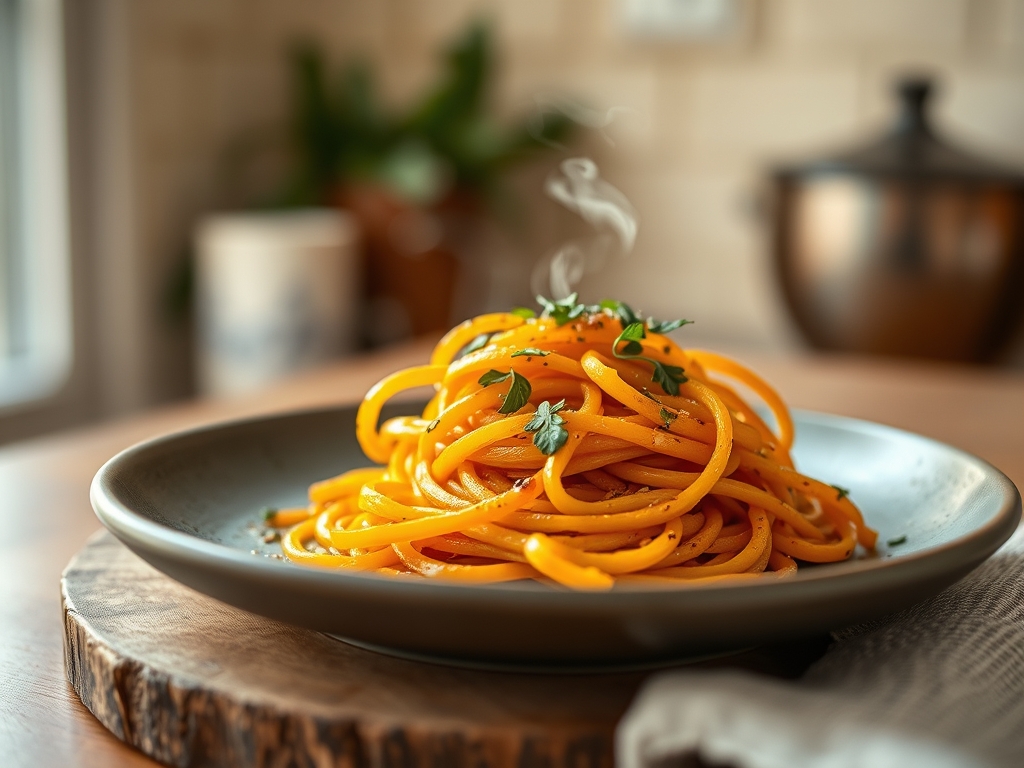
Behold the orange architecture of autumn. We are not merely cooking; we are reengineering the structural integrity of the Cucurbita moschata. When you approach Spiralized Butternut Squash, you are dealing with a complex matrix of cellulose and starch that demands a high-velocity transformation. Forget the mushy, uninspired mashes of yesteryear. We are looking for structural rigidity that yields to a tender, al dente snap. The air in the kitchen should be thick with the scent of nut-brown butter and the piquant aroma of toasted sage. As the squash hits the pan, the sound is a rhythmic sizzle, a percussive announcement that the Maillard reaction is underway. We are aiming for golden-brown caramelization on the exterior of every ribbon while maintaining a vibrant, sun-drenched interior. This is culinary infrastructure at its peak. We are turning a dense, winter gourd into a lightweight, aerodynamic pasta alternative that carries sauces with the efficiency of a high-speed rail system. Prepare your station; the audit of your autumnal vegetable technique begins now.
THE DATA MATRIX
| Metric | Specification |
|---|---|
| Prep Time | 15 Minutes |
| Execution Time | 8 Minutes |
| Yield | 4 Servings |
| Complexity (1-10) | 4 |
| Estimated Cost per Serving | $1.85 |
THE GATHERS
Ingredient Protocol:
- 1 large Butternut Squash (approx. 1.3kg / 3 lbs)
- 45ml / 3 tbsp Extra Virgin Olive Oil
- 60g / 4 tbsp Unsalted Butter
- 15g / 0.5 oz Fresh Sage Leaves
- 3g / 0.5 tsp Red Pepper Flakes
- 45g / 0.5 cup Finely Grated Parmigiano-Reggiano
- 10ml / 2 tsp Fresh Lemon Juice
- To taste: Flaky Sea Salt and Cracked Black Pepper
Section A: Ingredient Quality Audit:
The primary failure point in this assembly is a squash with excessive moisture content or a pithy neck. If your Spiralized Butternut Squash feels "spongy" before it hits the heat, it has likely been stored in a high-humidity environment. To fix this, spread the ribbons on a baking sheet lined with lint-free towels for 20 minutes to osmose surface moisture. If your sage leaves are dull and lack that signature fuzzy texture, they will not infuse the fats correctly. Revive them by shocking the stems in ice water for ten minutes before stripping the leaves. Always use a digital scale to measure your cheese; volumetric measurements are notoriously inaccurate for aged solids.
THE MASTERCLASS
1. The Architectural Strip
Peel the squash until you reach the deep orange flesh. Use a heavy-duty Y-peeler to remove both the skin and the fibrous white layer beneath it. Cut the neck away from the bulbous base; only the neck is suitable for long, continuous spirals.
Pro Tip: Use a bench scraper to clear your station of peelings immediately. Removing the white pith is essential because it contains lignified fibers that will never soften, regardless of thermal exposure.
2. High-Torque Spiralization
Secure the squash neck into your spiralizer. Apply consistent, forward pressure to ensure the blades create uniform ribbons. If the ribbons are too long, use kitchen shears to snip them every 12 inches to prevent a tangled, unmanageable mass in the pan.
Pro Tip: Use a digital scale to ensure you have exactly 500g of ribbons per batch. Overcrowding the pan leads to steaming rather than searing, which destroys the structural snap of the squash.
3. The Fat Emulsification
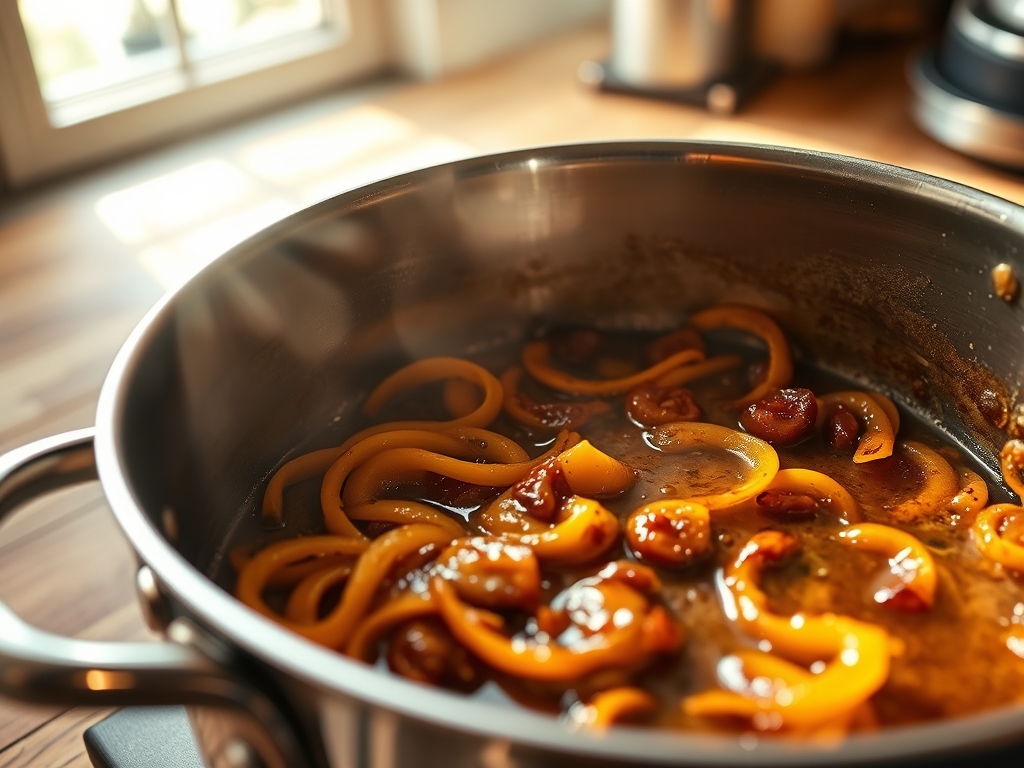
Place a large saucier or wide skillet over medium-high heat. Add the olive oil and butter. Once the butter begins to foam, add the sage leaves. Fry them until they are crisp and the butter has transitioned to a nutty, toasted brown.
Pro Tip: The foaming action is the water evaporating from the butter. Once the foam subsides, the temperature rises rapidly; this is the optimal window to render the sage oils into the fat.
4. Thermal Execution
Increase heat to high and add the Spiralized Butternut Squash. Use tongs to toss the ribbons constantly, ensuring they are coated in the brown butter. Sauté for exactly 5 to 7 minutes. The goal is a golden hue on the edges while the core remains firm.
Pro Tip: Use an infrared thermometer to ensure your pan surface is at least 375 degrees Fahrenheit. High heat is required to trigger the Maillard reaction before the internal cell walls collapse into mush.
5. The Acidic Finish
Remove from heat. Add the red pepper flakes, lemon juice, and half of the Parmigiano-Reggiano. Toss vigorously to create a light, viscous sauce from the melted cheese and residual moisture.
Pro Tip: Adding lemon juice at the very end provides a piquant counterpoint to the heavy fats. The acid also helps to "set" the pectin in the squash, providing a final boost to the dish's structural integrity.
Section B: Prep & Timing Fault-Lines:
The most common human error is the "Slow Toss." If you do not move the squash constantly, the bottom layer will overcook and become viscous slime while the top remains raw. Use a high-quality pair of stainless steel tongs to keep the ribbons in a state of constant agitation. Another timing trap is the "Pre-Salt Pitfall." Do not salt the squash until it is in the pan. Salting too early draws out water via osmosis, which turns your sauté into a soggy braise.
THE VISUAL SPECTRUM
Section C: Thermal & Visual Troubleshooting:
Referencing the Masterclass photo, notice the distinct separation of the strands. If your dish looks like a unified orange clump, your heat was too low. The photo shows "caramelized highlights," which are the dark brown singes on the edges of the ribbons. If your squash is pale, you likely overcrowded the pan. If the color is dull rather than vibrant orange, you have overcooked it, causing the carotenoid pigments to degrade. To fix a dull appearance, a quick toss with a teaspoon of high-quality, cold-pressed oil can aerate the surface and restore a glossy, professional sheen.
THE DEEP DIVE
Macro Nutrition Profile:
Per serving, this dish offers approximately 210 calories, 14g of healthy fats, 22g of complex carbohydrates, and 4g of fiber. It is a powerhouse of Vitamin A and C, providing over 100 percent of your daily requirements in a single sitting.
Dietary Swaps:
For a Vegan conversion, swap the butter for a high-quality cashew butter or additional olive oil and add a tablespoon of nutritional yeast for that umami punch. For Keto adherents, this squash is higher in carbs than zucchini, so limit your portion size to 100g. It is naturally Gluten-Free, making it the perfect infrastructure for those with celiac requirements.
Meal Prep & Reheating Science:
To maintain the molecular structure during reheating, avoid the microwave. The localized molecular friction of a microwave will turn the starch into a gummy paste. Instead, flash-fry the leftovers in a hot skillet for 2 minutes. This re-crisps the exterior and prevents the squash from absorbing excess moisture.
THE KITCHEN TABLE
Why is my squash watery at the bottom of the bowl?
This is "weeping." It happens when the squash is overcooked, causing cell walls to rupture and release internal fluids. To prevent this, pull the squash off the heat thirty seconds before you think it is done.
Can I use the bulbous end of the squash?
You can, but the seed cavity makes for short, crescent-shaped pieces rather than long ribbons. Save the bulb for a puree or soup where structural integrity is not the primary goal of the dish.
What is the best spiralizer blade for this?
Use the 6mm "chipper" blade. Thinner "angel hair" blades will cause the squash to disintegrate almost instantly upon contact with the heat. You need the 6mm thickness to withstand the high-velocity sauté process.
How do I get the cheese to not clump?
Ensure the pan is off the heat before adding the Parmigiano-Reggiano. If the residual heat is too high, the proteins in the cheese will seize and clump rather than emulsifying into a smooth, luxurious coating.