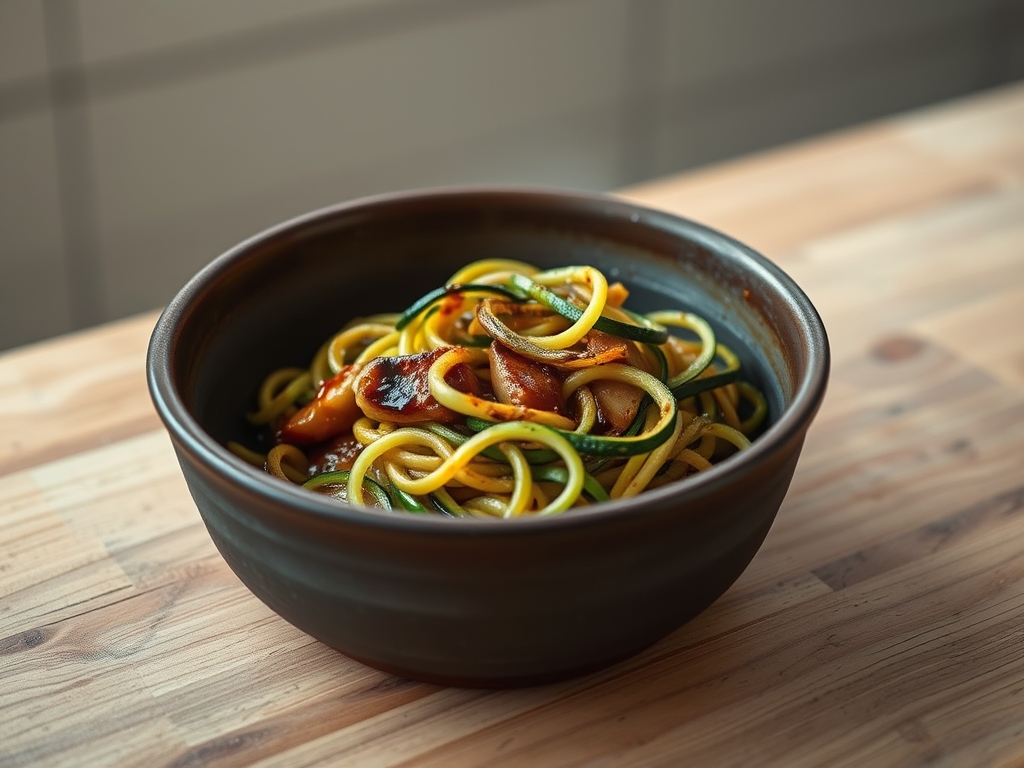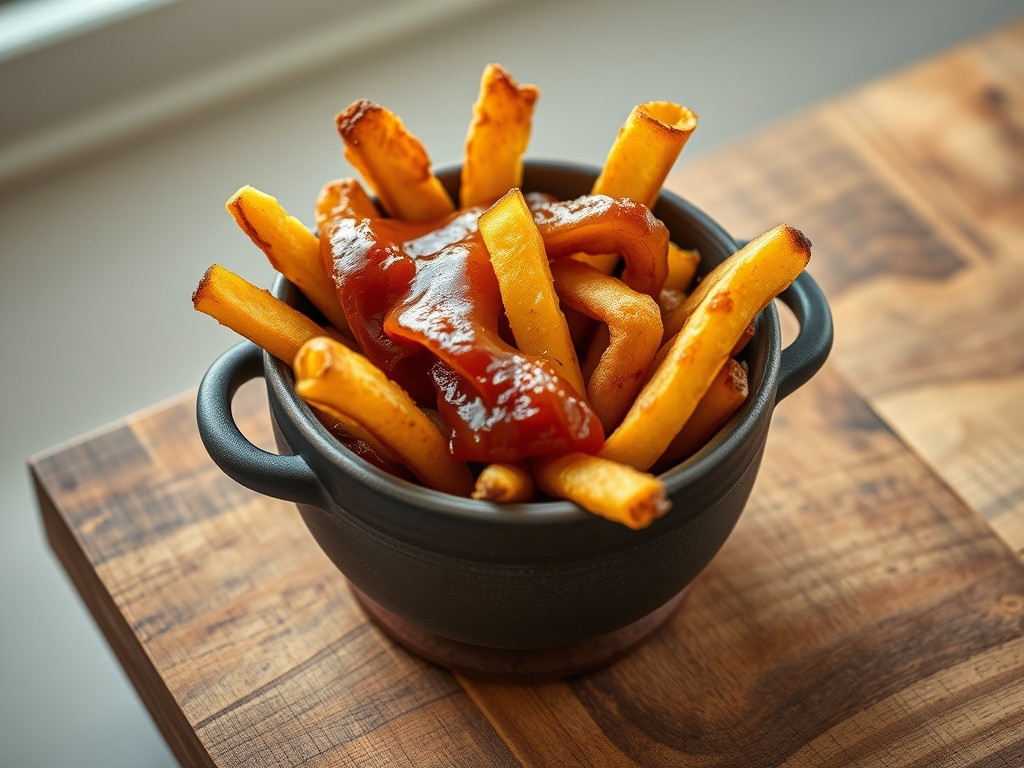
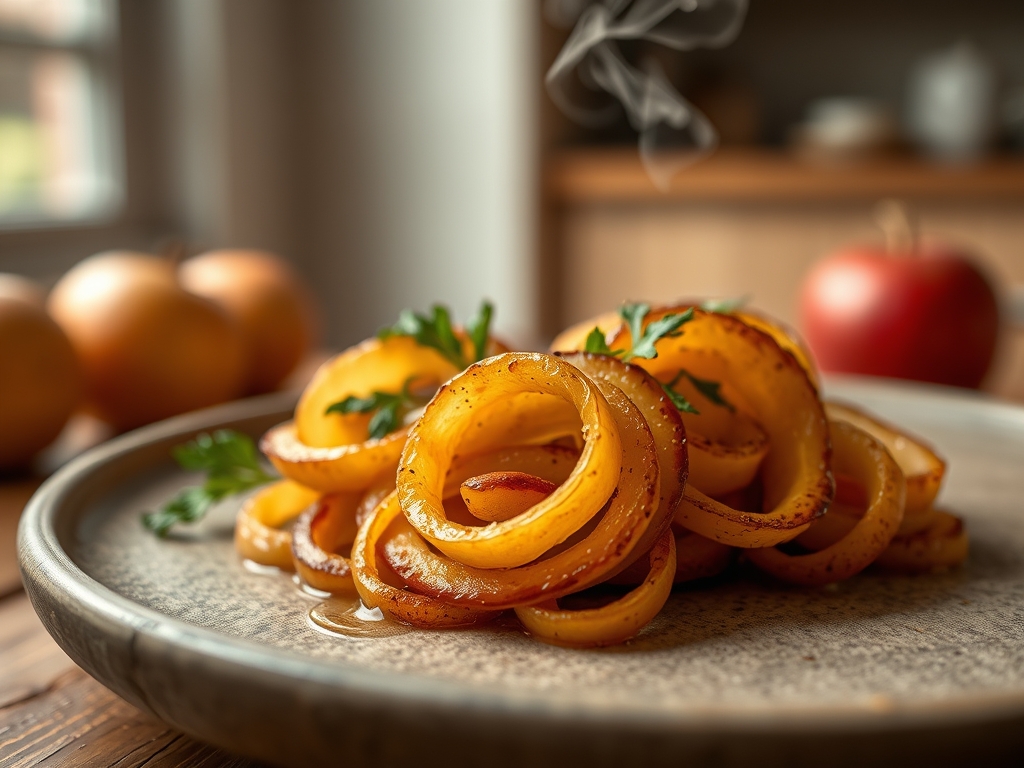
Listen closely because we are about to re-engineer the very architecture of snack time. Forget the pedestrian slices of your childhood; we are entering the realm of high-velocity geometry and enzymatic management. When you engage with Curly Apple Spirals, you are not just preparing food; you are manipulating the surface area-to-volume ratio of a pome fruit to maximize caramelization and flavor delivery. The crunch must be audible; the sweetness must be concentrated; the visual appeal must be nothing short of a structural masterpiece. We are looking for that perfect tension between the crisp exterior and the tender, pectin-rich core. If your fruit prep feels like a chore, you are doing it wrong. We want a kinetic explosion of flavor that defies the gravity of a standard fruit bowl. This is about precision cutting and thermal control. We are going to take a humble Malus domestica and transform it into a high-performance culinary asset. Prepare your workstation. Calibrate your expectations. It is time to audit the apple.
THE DATA MATRIX
| Metric | Specification |
|---|---|
| Prep Time | 12 Minutes |
| Execution Time | 18 Minutes |
| Yield | 4 Servings |
| Complexity (1-10) | 4 |
| Estimated Cost per Serving | $0.85 USD |
THE GATHERS
Ingredient Protocol:
- 4 Large Granny Smith or Honeycrisp Apples (approx. 800g / 1.7 lbs)
- 60ml / 1/4 cup Grade A Maple Syrup
- 15ml / 1 tbsp Freshly Squeezed Lemon Juice
- 5g / 1 tsp Ground Saigon Cinnamon
- 2g / 1/2 tsp Sea Salt (Fine Grain)
- 30g / 2 tbsp Unsalted Grass-fed Butter (Melted)
Section A: Ingredient Quality Audit:
Sub-par raw materials are the primary failure point in pome fruit execution. If your apples feel "mealy," the cellular walls have already begun to collapse; this results in a mushy spiral that lacks structural integrity. To fix this, shock the fruit in an ice-water bath for 20 minutes before spiralizing to restore turgor pressure. If your maple syrup is too viscous, it will not coat the spirals evenly. Warm the syrup slightly in a saucier to lower its viscosity before application. Finally, ensure your cinnamon is high-volatility Saigon variety; standard cassia often lacks the piquant punch required to balance the malic acid in the fruit.
THE MASTERCLASS
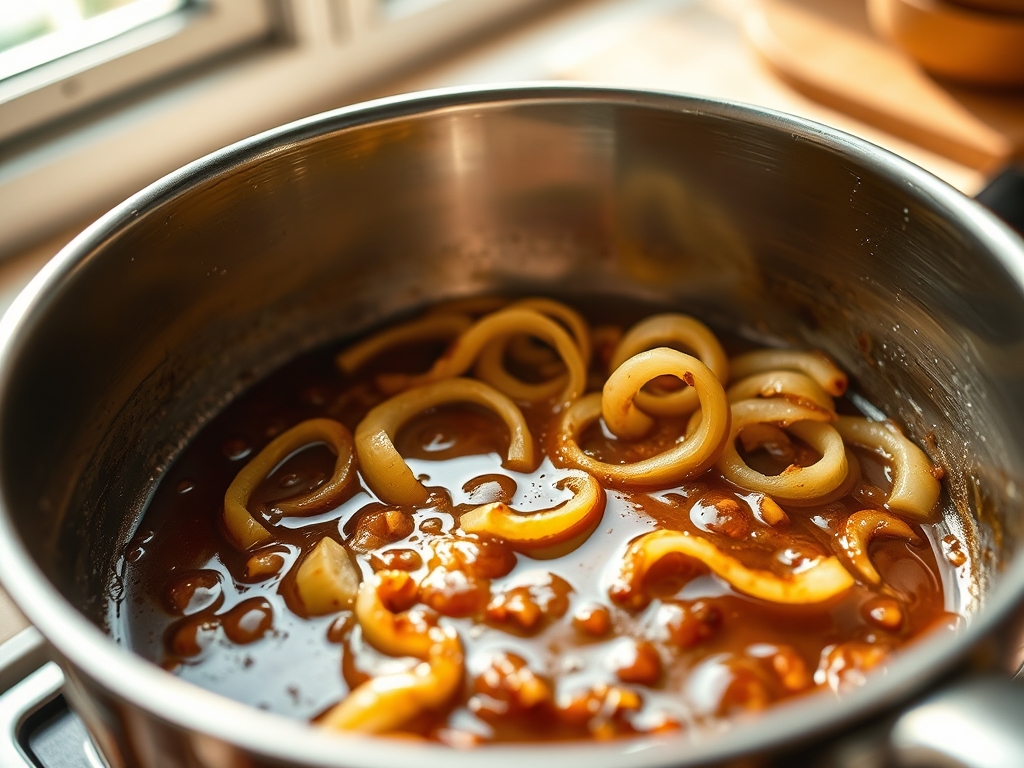
1. The Centrifugal Extraction
Affix your apple to a heavy-duty spiralizer, ensuring the core is perfectly centered on the spindle. Rotate with consistent, high-torque pressure to produce long, unbroken Curly Apple Spirals. Use a bench scraper to move the ribbons to a large mixing bowl without bruising the delicate edges.
Pro Tip: Centering the core is vital for structural symmetry. If the core is off-axis, the spirals will break prematurely, ruining the visual "ribbon" effect and leading to uneven cooking times.
2. Enzymatic Inhibition and Infusion
Immediately toss the spirals with the lemon juice and maple syrup. The citric acid acts as a sacrificial antioxidant, preventing the polyphenol oxidase from browning the fruit (enzymatic browning) before it hits the heat. Use a digital scale to ensure your syrup-to-fruit ratio is exact.
Pro Tip: This step creates a thin, sugary film that will eventually undergo the Maillard reaction. By coating the fruit instantly, you lock in the moisture and provide a substrate for caramelization.
3. Thermal Application and Rendering
Spread the spirals in a single, non-overlapping layer on a parchment-lined baking sheet. Drizzle with the melted butter and dust with cinnamon and salt. Place in a preheated convection oven at 190C / 375F.
Pro Tip: Using a convection setting allows the hot air to aerate the spirals, removing surface moisture rapidly. This ensures the edges crisp up while the interior remains succulent rather than steaming into a soggy mass.
4. The Final Glaze and Deglaze
Halfway through the roast, use tongs to gently rotate the spirals. If sugars are sticking to the parchment, a tiny splash of apple cider can be used to deglaze the surface and re-incorporate those flavors back into the fruit.
Pro Tip: This rotation ensures even heat distribution. Professional chefs use this "flip" to ensure the viscous syrup migrates to every crevice of the spiral, creating a uniform lacquer.
Section B: Prep & Timing Fault-Lines:
The most common human error is "over-crowding" the pan. When spirals overlap, they trap steam, which leads to a limp texture. If your timing is off and the apples are ready before the rest of your meal, do not leave them in the oven. Move them to a wire cooling rack immediately. This stops the residual cooking process and prevents the bottom of the spirals from becoming saturated with rendered juices.
THE VISUAL SPECTRUM
Section C: Thermal & Visual Troubleshooting:
Examine the Masterclass photo. You are looking for "Golden Hour" hues; a deep amber on the edges with a translucent, pale yellow in the center. If your Curly Apple Spirals look dull or grey, your lemon juice was insufficient or your oven temperature was too low to trigger caramelization. If the edges are black but the center is raw, your rack position was too high. Aim for the middle rack to ensure balanced radiant heat. The texture should be "flexible-crisp," meaning the spiral holds its shape when lifted but yields easily to a fork.
THE DEEP DIVE
Macro Nutrition Profile:
Per serving, these spirals offer approximately 160 calories, 6g of fat (from the grass-fed butter), 28g of carbohydrates, and 4g of dietary fiber. The high fiber content from the apple skin assists in modulating the glucose spike from the maple syrup.
Dietary Swaps:
- Vegan: Replace the grass-fed butter with cold-pressed coconut oil or a high-quality vegan butter substitute.
- Keto: Swap the maple syrup for a monk fruit-based syrup and increase the butter content to boost healthy fats.
- GF: Naturally gluten-free, but ensure your cinnamon is not bulked with flour-based anti-caking agents.
Meal Prep & Reheating Science:
To maintain the molecular structure, do not microwave leftovers. Microwaves excite water molecules, which will turn your crisp spirals into a damp sponge. Instead, reheat in an air fryer at 175C / 350F for 3 minutes. This flash-heats the exterior and restores the "snap" of the sugars.
THE KITCHEN TABLE
Why are my spirals turning brown so fast?
This is enzymatic browning caused by oxygen hitting the cut cells. Increase your lemon juice concentration or work in smaller batches to minimize oxygen exposure before the thermal application stage.
Can I use a different fruit for this?
Firm Bosc pears work exceptionally well using this exact protocol. However, avoid soft fruits like peaches, as their cellular structure cannot withstand the mechanical stress of the spiralizer or the high-heat roast.
My spirals are soggy; what happened?
You likely over-crowded the tray or used an apple with low density. Ensure a single layer and use a high-density fruit like a Granny Smith to maintain structural integrity under heat.
How do I get that professional shine?
The "lacquer" look comes from the maple syrup reducing during the roast. For an extra boost, brush a final, thin layer of warmed syrup over the spirals 2 minutes before pulling them from the oven.