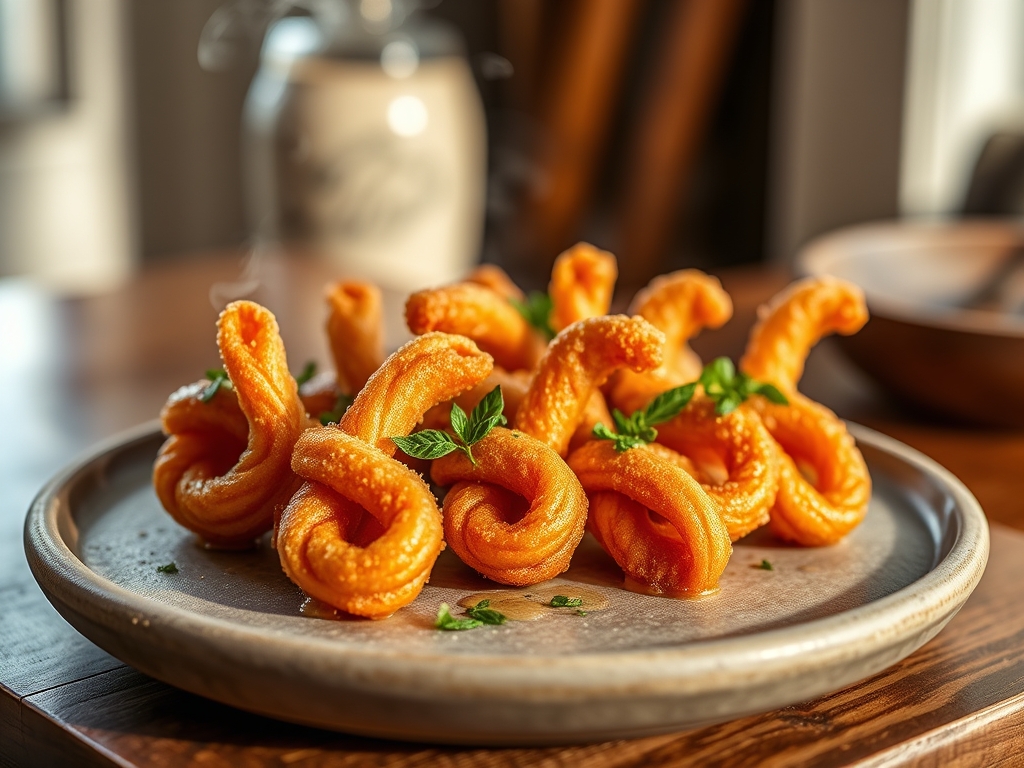
Listen to the sound of structural integrity. That sharp, high-frequency snap is the byproduct of a perfect star-shaped extrusion meeting a 375-degree oil bath. We are not merely making snacks; we are engineering a high-performance delivery system for cinnamon-infused sucrose. The Twisted Churro Bites represent the pinnacle of fried dough architecture. By twisting the dough, we maximize the surface area exposed to the lipid medium, ensuring that every millimeter of the exterior undergoes a rigorous Maillard reaction while the interior remains a soft, aerated cloud of steamed starch. Forget the limp, soggy sticks of your local fairground. We are building a crust so crisp it resonates. This is a sensory audit of the highest order. We will analyze the viscous nature of the choux-style base, the thermal dynamics of the deep fryer, and the precise moment of crystalline adhesion. Prepare your workstation. We are moving from raw potential to golden-brown perfection in a matter of linear minutes.
THE DATA MATRIX
| Metric | Specification |
|---|---|
| Prep Time | 15 Minutes |
| Execution Time | 20 Minutes |
| Yield | 40-50 Bites |
| Complexity (1-10) | 4 |
| Estimated Cost per Serving | $0.45 |
THE GATHERS
Ingredient Protocol:
- 250ml / 1 cup Filtered Water
- 115g / 0.5 cup Unsalted Butter (High-fat European style preferred)
- 15g / 1 tbsp Granulated Sugar
- 2g / 0.25 tsp Fine Sea Salt
- 150g / 1.25 cups All-Purpose Flour (Sifted)
- 2 Large Eggs (Room temperature)
- 5ml / 1 tsp Pure Vanilla Extract
- 100g / 0.5 cup Coating Sugar
- 10g / 2 tbsp Ground Saigon Cinnamon
- 1L / 4 cups Neutral Frying Oil (Grapeseed or Peanut)
Section A: Ingredient Quality Audit:
If your flour is clumpy, it will create pockets of raw starch that refuse to hydrate; always use a fine-mesh sieve to aerate your dry goods before they hit the liquid. If your eggs are cold, they will break the emulsion of the warm dough. Submerge cold eggs in a bowl of warm water for five minutes to reach a compatible thermal state. For those using low-quality butter with high water content, your dough may become too viscous and lose its shape. The fix is a longer "cook-off" period in the saucier to evaporate excess moisture before adding the eggs.
THE MASTERCLASS
1. The Aqueous Fusion
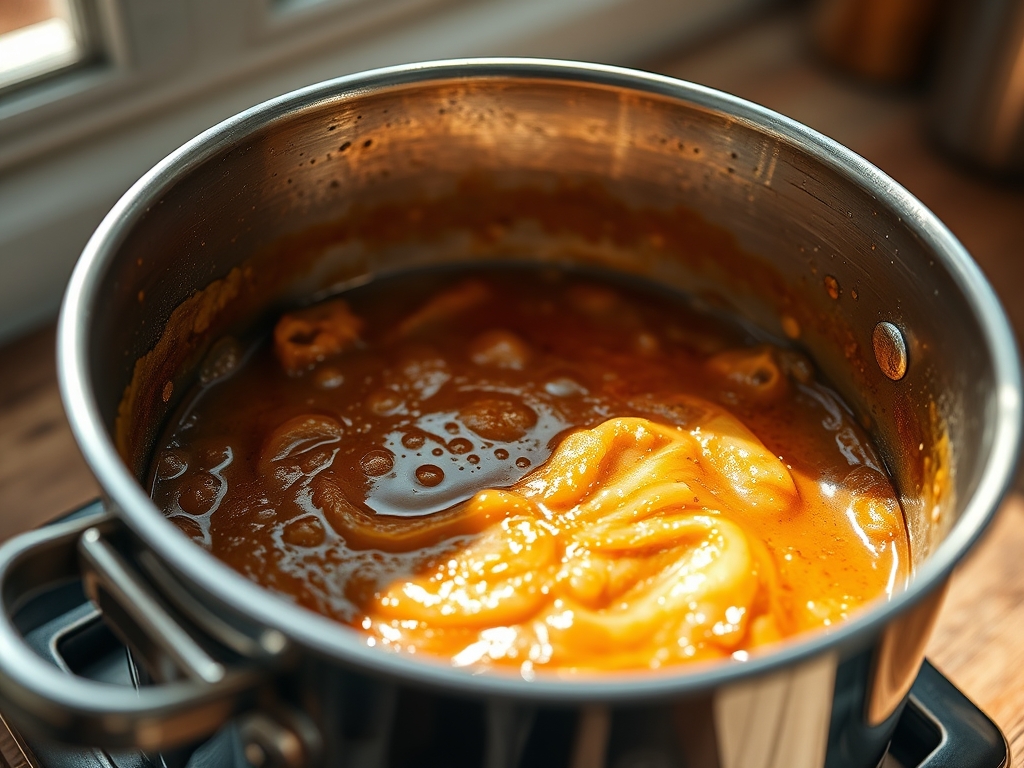
Combine your water, butter, sugar, and salt in a heavy-bottomed saucier. Bring the mixture to a rolling boil over medium-high heat. You are looking for a total homogenization of the lipids and the liquid.
Pro Tip: Use a digital scale for your butter and flour. Volume measurements are the enemy of consistency in pastry. Precise ratios ensure the dough has the structural strength to hold its twist without collapsing in the oil.
2. The Starch Gelatinization
Dump the sifted flour into the boiling liquid all at once. Reduce heat to low and stir vigorously with a stiff silicone spatula or wooden spoon. Continue cooking and stirring until the mixture forms a cohesive ball and a thin film develops on the bottom of the pan.
Pro Tip: This "film" is the visual cue that you have effectively dehydrated the dough. Removing this moisture is what allows the dough to later infuse with the eggs without becoming a runny mess.
3. The Emulsion Phase
Transfer the dough to a stand mixer or a clean bowl. Let it cool for three minutes so you do not scramble the eggs. Add the eggs one at a time, beating thoroughly after each addition until the dough is glossy and clings to the beater.
Pro Tip: Use a bench scraper to clean the sides of the bowl. You want a "V-drop" consistency; when you lift the beater, the dough should hang in a sharp triangle shape. This indicates the protein network is perfectly formed.
4. The Extrusion and Twist
Load the dough into a piping bag fitted with a large closed-star tip. Pipe three-inch lengths onto parchment paper, giving the bag a slight 180-degree rotation as you go to create the "twisted" architecture.
Pro Tip: The star tip is not just for aesthetics. The ridges increase the surface area by 40 percent compared to a smooth cylinder, which creates more sites for the oil to render the exterior into a crunch.
5. The Thermal Execution
Heat your oil to exactly 375 degrees Fahrenheit. Carefully drop the Twisted Churro Bites into the oil in batches. Fry for 2 to 3 minutes per side until they reach a deep mahogany hue.
Pro Tip: Use an infrared thermometer or a clip-on probe. If the temperature drops below 350, the dough will absorb oil and become greasy. If it exceeds 400, the exterior will burn before the center can aerate and cook through.
6. The Crystalline Coating
Immediately transfer the hot bites to a bowl containing your cinnamon-sugar mixture. Toss vigorously while the residual oil is still active on the surface to ensure maximum adhesion.
Pro Tip: Do not wait for them to cool. The heat creates a microscopic "tack" on the surface that acts as a physical adhesive for the sugar crystals.
Section B: Prep & Timing Fault-Lines:
The most common failure point is the "Egg Panic." If you add eggs to a dough that is too hot, the proteins coagulate instantly, resulting in a chunky, non-pipeable mass. If this happens, you must start over; there is no chemical fix for cooked egg proteins in a raw dough. Another fault-line is the "Crowded Pot." Adding too many bites at once crashes the oil temperature. Fry in small, controlled batches to maintain thermal momentum.
THE VISUAL SPECTRUM
Section C: Thermal & Visual Troubleshooting:
Referencing the Masterclass photo, notice the high-contrast definition of the ridges. If your bites look "melted" or smooth, your dough was too warm when piped or lacked enough flour. If the color is a pale yellow rather than a rich gold, you likely pulled them too early; the sugar in the dough needs time to undergo the Maillard reaction. If you see "blowouts" where the dough has burst, your oil was too hot, causing the internal steam to expand faster than the crust could set. A perfect Twisted Churro Bite should have a uniform, crystalline coating that looks like frost on a winter branch.
THE DEEP DIVE
Macro Nutrition Profile:
Per 3-piece serving: 210 Calories, 12g Fat, 24g Carbohydrates, 3g Protein. These are energy-dense units designed for immediate consumption.
Dietary Swaps:
- Vegan: Replace butter with a high-solids vegan buttery stick and eggs with a commercial liquid plant-based egg replacer. Note that the "V-drop" consistency may be harder to achieve.
- Gluten-Free: Use a high-quality 1:1 GF flour blend containing xanthan gum. The lack of gluten means the dough will be less elastic, so handle with care during the twist.
- Keto: This is a high-starch product; a true Keto version requires almond flour and xanthan gum, though the texture will be more "cake-like" than "crisp."
Meal Prep & Reheating Science:
To maintain molecular structure, do not microwave. Reheat in a 350-degree air fryer for 3 minutes. This re-activates the fats in the crust and drives out any moisture that has migrated from the center to the surface.
THE KITCHEN TABLE
Why are my churros raw in the middle?
Your oil was likely too hot. The exterior carbonized before the heat could penetrate the core. Lower the temperature and increase the fry time for better thermal distribution.
Can I make the dough in advance?
Yes. Store the un-fried dough in a piping bag in the refrigerator for up to 24 hours. Bring it to room temperature before frying to ensure the extrusion remains fluid.
Why won't the sugar stick to my churros?
You waited too long to coat them. The sugar requires the residual surface heat and a microscopic layer of oil to bond. Coat them within 30 seconds of exiting the fryer.
What is the best oil for frying?
Peanut oil is the gold standard due to its high smoke point and neutral flavor profile. Grapeseed oil is a secondary high-performance option for a cleaner finish.