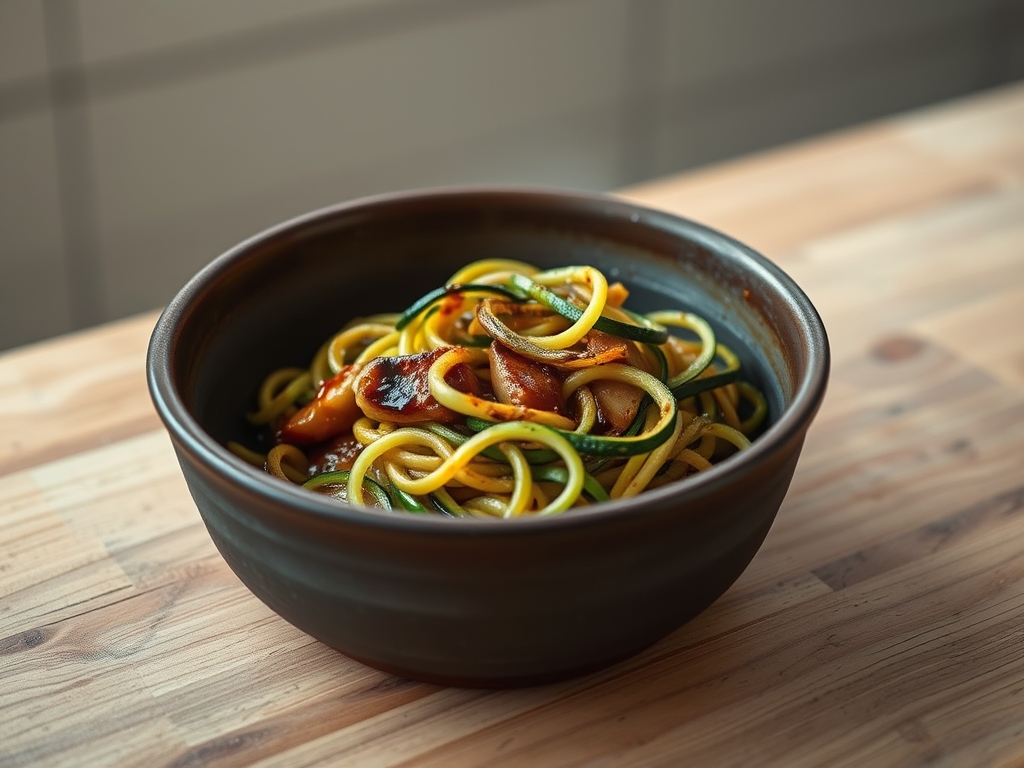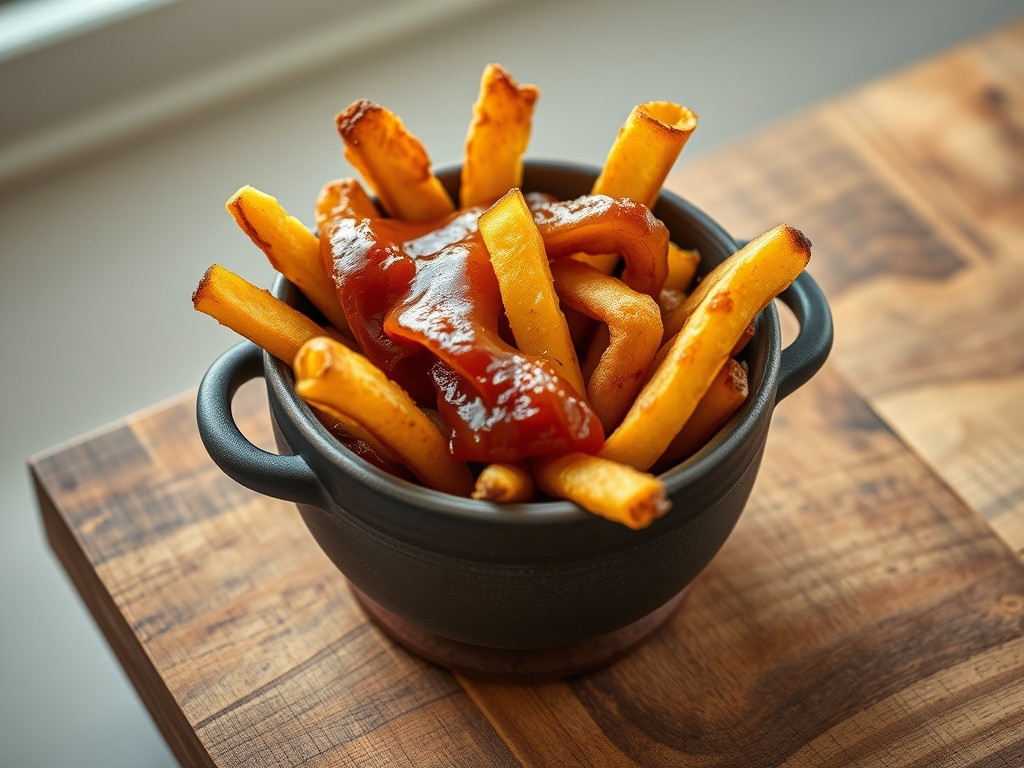
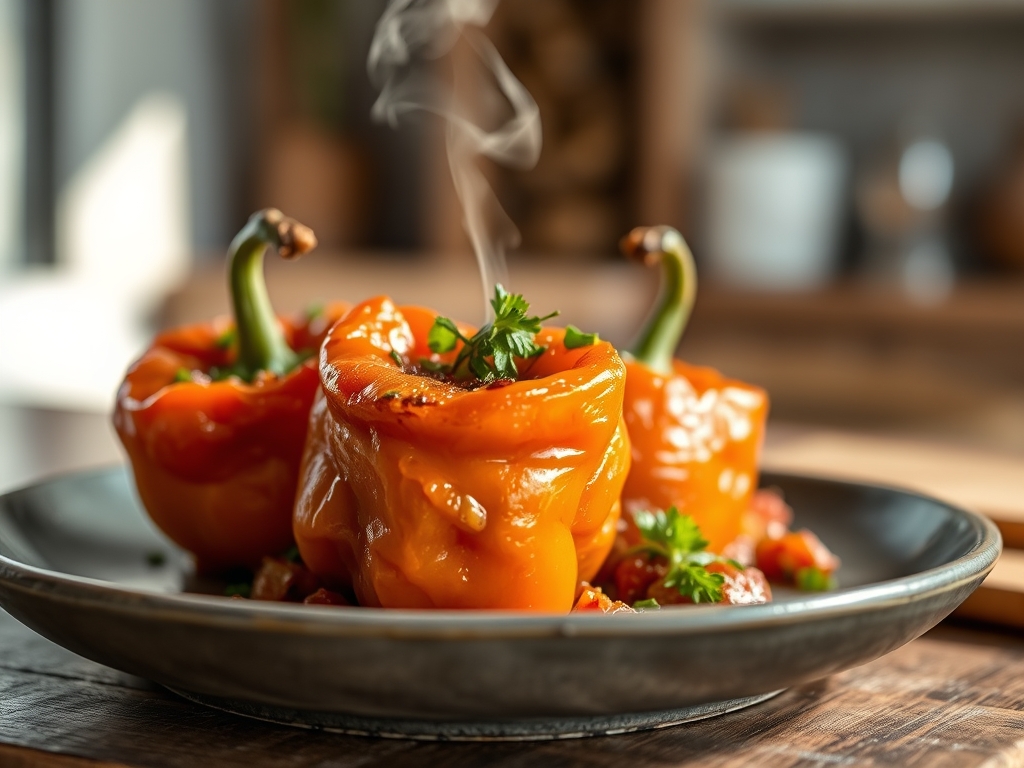
The kitchen is not a playground; it is a high-stakes laboratory where the laws of thermodynamics and cellular biology dictate the success of your dinner. We are moving beyond the amateurish, uneven chunks of haphazardly chopped produce. Today, we focus on the structural transformation of the Capsicum annuum. By utilizing a spiralizer to create the Curly Bell Pepper, we are not just playing with aesthetics. We are maximizing surface area for superior heat transfer and ensuring an even distribution of piquant juices across the palate. Imagine a forkful of vibrant, interlocking spirals that have been perfectly softened but retain a structural snap. The scent of sweet, charred sugars fills the air as the high-heat environment of your skillet triggers the Maillard reaction. This audit is about precision. We are here to map the carotenoids and engineer a dish that is as technically sound as it is visually arresting. Forget everything you knew about stir-fry. We are optimizing the geometry of flavor to ensure every single bite is a masterclass in culinary physics.
THE DATA MATRIX
| Metric | Specification |
|---|---|
| Prep Time | 12 Minutes |
| Execution Time | 8 Minutes |
| Yield | 4 Servings |
| Complexity | 4 / 10 |
| Estimated Cost per Serving | $2.45 USD |
THE GATHERS
Ingredient Protocol:
- 3 Large Bell Peppers (Red, Yellow, Orange) / Approx. 450g
- 30ml / 2 tbsp Extra Virgin Olive Oil
- 15ml / 1 tbsp Aged Balsamic Vinegar
- 2.5g / 0.5 tsp Flaked Sea Salt
- 1.25g / 0.25 tsp Freshly Cracked Black Peppercorns
- 5g / 1 tsp Fresh Thyme Leaves
- 2 Cloves Garlic (Microplaned) / Approx. 10g
Section A: Ingredient Quality Audit:
The primary failure point in this protocol is the selection of flaccid, low-turgor produce. If your Curly Bell Pepper feels soft or exhibits wrinkled skin, the cellular walls have already begun to collapse. This results in a "mushy" spiral that fails to hold its architectural integrity during the cook. To fix this, submerge aging peppers in an ice-water bath for thirty minutes to restore osmotic pressure. Furthermore, if your garlic is sprouting, the flavor profile will be bitter. Remove the green germ from the center to ensure a clean, aromatic infusion. Use a digital scale for your aromatics; precision in mass prevents the garlic from overpowering the delicate sweetness of the charred pepper sugars.
THE MASTERCLASS
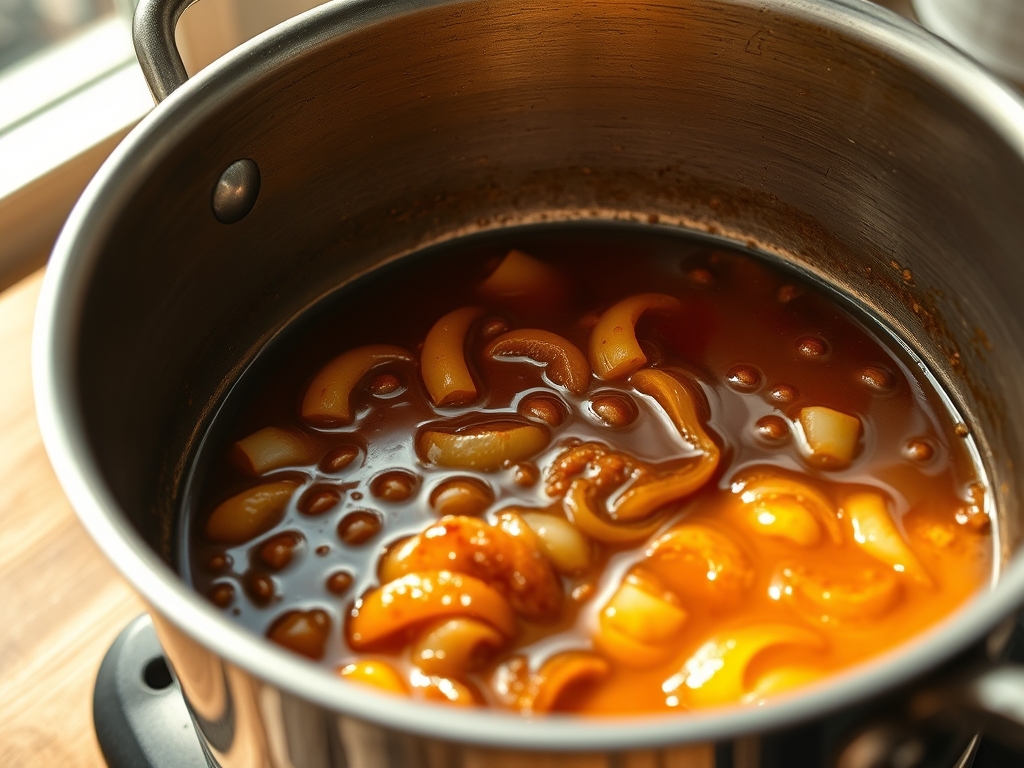
1. Structural Spiralization
Position the pepper firmly against the spiralizer blade. Rotate with consistent pressure to create long, continuous ribbons of Curly Bell Pepper. Use a sharp bench scraper to clear the deck of any stray seeds or pith that could interrupt the texture.
Pro Tip: The science of "mouthfeel" depends on uniform thickness. Consistent pressure ensures that every strand of pepper has the same thermal mass, allowing them to reach the ideal al dente state simultaneously.
2. The Thermal Launch
Heat a heavy-bottomed saucier or cast-iron skillet over medium-high heat. Add the olive oil and wait until it reaches its shimmer point. This indicates the oil is sufficiently viscous to coat the vegetables instantly without soaking into the fibers.
Pro Tip: Using a high-quality saucier provides sloped sides that encourage steam to escape. This prevents the peppers from boiling in their own juices and instead promotes a rapid sear.
3. The Aerate and Sauté Phase
Introduce the pepper spirals to the pan. Use a pair of silicone-tipped tongs to aerate the mixture, ensuring that heat circulates through the curls. Sauté for exactly four minutes.
Pro Tip: Constant movement prevents the delicate carotenoid pigments from oxidizing too quickly. You want to render the natural sugars into a light caramelization without scorching the exterior.
4. The Deglaze and Infuse
Lower the heat to medium. Add the microplaned garlic and thyme. After thirty seconds, splash in the balsamic vinegar to deglaze the pan, scraping up any browned bits of "fond" from the bottom.
Pro Tip: The acidity in the vinegar acts as a chemical brightener. It stabilizes the cell walls of the pepper, ensuring they maintain their curly shape even after they are plated.
5. Final Seasoning Audit
Remove from heat and toss with flaked sea salt and cracked pepper. Use your digital scale to ensure the salt-to-mass ratio is correct if you are scaling this recipe for a larger crowd.
Pro Tip: Seasoning at the very end prevents the salt from drawing out moisture too early. This keeps the interior of the pepper juicy while the exterior remains crisp.
Section B: Prep & Timing Fault-Lines:
The most common human error is "crowding the pan." If you dump 1kg of peppers into a small skillet, the temperature will plummet. Instead of searing, the peppers will steam, turning gray and limp. Execute in batches if necessary. Another timing fault occurs with garlic integration. Garlic burns at a much lower temperature than peppers; if added too early, it will undergo a chemical change that creates an acrid, burnt flavor. Always add aromatics in the final sixty seconds of high-heat exposure.
THE VISUAL SPECTRUM
Section C: Thermal & Visual Troubleshooting:
Referencing the Masterclass photo, your Curly Bell Pepper should exhibit a vibrant, glossy sheen with localized charred "freckles." If your peppers look dull or matte, you likely under-used oil or over-cooked the vegetables, causing the internal moisture to evaporate completely. If the colors have bled into a muddy brown, you have over-acidified the dish or cooked it too long, destroying the heat-sensitive chlorophyll and carotenoids. The ideal visual cue is a "spring-back" effect; when you lift a spiral with tongs, it should bounce slightly rather than hanging limp like wet string. To fix dullness, a final drizzle of high-quality oil can emulsify with the remaining pan juices to create a reflective coating.
THE DEEP DIVE
Macro Nutrition Profile:
A single serving of this technical preparation yields approximately 85 calories, 7g of healthy fats, 6g of carbohydrates, and 2g of fiber. It is a powerhouse of Vitamin C, providing over 150% of the daily recommended intake, which is essential for collagen synthesis and immune function.
Dietary Swaps:
- Vegan: This protocol is inherently vegan.
- Keto: Replace balsamic vinegar (which contains sugars) with apple cider vinegar or a squeeze of fresh lemon juice to reduce the glycemic load.
- GF: Naturally gluten-free. Ensure your balsamic vinegar is not a "glaze" thickened with wheat-based starches.
Meal Prep & Reheating Science:
To maintain the molecular structure during reheating, avoid the microwave. The rapid agitation of water molecules in a microwave will turn the peppers into mush. Instead, flash-heat them in a dry skillet for 90 seconds. This evaporates any surface moisture that accumulated during refrigeration and restores the "snap" of the Curly Bell Pepper.
THE KITCHEN TABLE
How do I stop the peppers from being watery?
Salt at the very end of the process. Adding salt early draws out internal moisture through osmosis, resulting in a soggy texture. High heat and a wide pan also encourage rapid evaporation of any released juices.
Can I use a knife instead of a spiralizer?
You can, but you will lose the geometric advantage. A spiralizer creates a continuous, thin strand that maximizes surface area. Hand-cutting rarely achieves the uniform "curl" required for the specific mouthfeel and visual impact of this audit.
What is the best oil for this audit?
Use an oil with a medium-high smoke point. Extra virgin olive oil works if you monitor the heat, but avocado oil is technically superior for high-heat searing due to its stability at 520 degrees Fahrenheit.
Why did my garlic turn blue or green?
This is a harmless chemical reaction between the sulfur in the garlic and the acid in the vinegar. To prevent this, ensure your garlic is fresh and add the acid at the very end of the cooking process.
How long do these stay fresh in the fridge?
For optimal structural integrity, consume within 48 hours. Beyond this window, the cellular walls continue to break down, and the peppers will lose their signature "curly" tension, becoming flat and overly soft.