Listen to that sound. It is not the dull thud of a potato or the limp sigh of a zucchini. It is the high-frequency snap of cellular integrity. We are entering the realm of the tuberous revolution where moisture management is the only law that matters. Welcome to the audit of Spiralized Jicama. This is a root vegetable that mocks your standard culinary assumptions. It is dense. It is crisp. It is packed with a complex carbohydrate structure that demands respect before it yields to the heat. If you treat this like a standard pasta substitute, you have already failed the inspection. We are looking for a structural transformation that preserves the snap while inviting a piquant infusion of flavor. We are engineering a snack that defies the soggy destiny of most root vegetables. This is about the physics of the crunch and the chemistry of the sear. Grab your apron; we are about to recalibrate your kitchen's output for maximum textural impact.
THE DATA MATRIX
| Metric | Specification |
|---|---|
| Prep Time | 15 Minutes |
| Execution Time | 8 Minutes |
| Yield | 4 Servings |
| Complexity (1-10) | 4 |
| Estimated Cost per Serving | $1.25 |
THE GATHERS
Ingredient Protocol:
- 1 large Jicama (approx. 900g / 2 lbs)
- 30ml / 2 tbsp Extra Virgin Olive Oil
- 5ml / 1 tsp Smoked Paprika
- 2.5ml / 0.5 tsp Cayenne Pepper
- 15ml / 1 tbsp Fresh Lime Juice
- 5g / 1 tsp Fine Sea Salt
- 3g / 0.5 tsp Cracked Black Pepper
- 10g / 0.25 cup Fresh Cilantro, minced
Section A: Ingredient Quality Audit:
The primary failure point in this protocol is the age of the jicama. A root that has sat in cold storage for too long will exhibit a woody, fibrous core that resists the blade. If your jicama feels light for its size, the moisture content has already begun to evaporate, leaving behind a hollowed cellular structure. To fix this, look for heavy, smooth-skinned specimens. If you find yourself with a dry root, a 30-minute soak in ice water after peeling can help rehydrate the exterior cells. Furthermore, ensure your spices are not oxidized. If your paprika does not smell like a campfire the moment you open the jar, it will not provide the necessary depth to balance the natural sweetness of the jicama.
THE MASTERCLASS
1. The Peeling and Structural Prep
Begin by removing the thick, papery skin of the jicama. Do not use a standard vegetable peeler; the skin is too resilient. Use a sharp chef knife or a heavy-duty bench scraper to stabilize the root on a cutting board, then slice away the peel in vertical strips. Ensure all traces of the fibrous brown exterior are removed, exposing the pearlescent white flesh.
Pro Tip: Use a digital scale to weigh your yield after peeling. Knowing the exact mass allows you to calculate the precise ratio of salt to surface area, preventing an osmotic imbalance that could lead to premature weeping of moisture.
2. The Spiralization Phase
Secure the jicama into your spiralizer. Apply consistent, firm pressure to generate long, continuous curls. If the curls are breaking, your blade is likely dull or the angle of entry is incorrect. Aim for a medium noodle thickness. Too thin and they will disintegrate; too thick and they will remain raw in the center during the rapid sear.
Pro Tip: As you spiralize, use a bench scraper to clear the "noodles" from the machine into a large mixing bowl. This prevents the weight of the accumulated curls from snapping the delicate strands before they hit the pan.
3. Moisture Extraction Protocol
Place the spiralized jicama in a clean kitchen towel and squeeze firmly. This is the most critical step in the infrastructure audit. You must render out the excess surface water. If the surface is wet, the vegetable will steam rather than sear, ruining the structural integrity of the snack.
Pro Tip: The science here is simple; surface moisture acts as a thermal buffer. By removing it, you allow the oil to make direct contact with the starch, facilitating a faster heat transfer and a better crunch.
4. The High-Heat Infusion
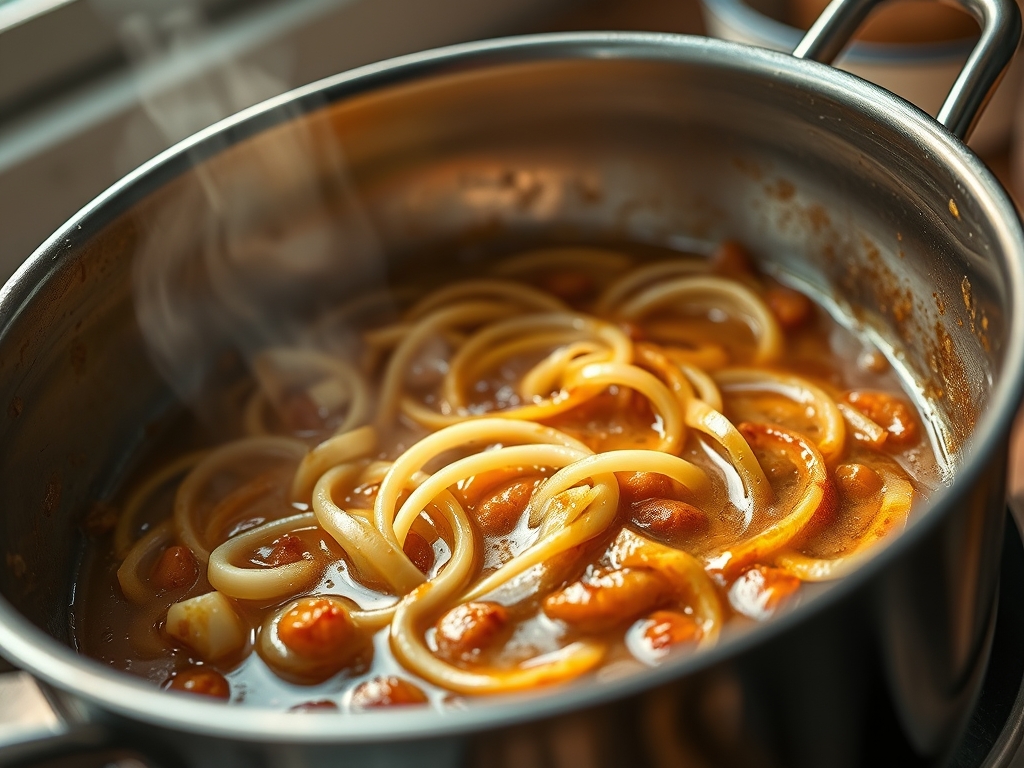
Heat your saucier or a wide cast-iron skillet over medium-high heat. Add the olive oil and wait until it begins to shimmer. Toss in the jicama curls. Do not overcrowd the pan. Work in batches if necessary to ensure every strand has space to breathe and aerate. Sauté for 5 to 7 minutes, tossing frequently.
Pro Tip: Constant movement in the pan ensures that the natural sugars in the jicama do not burn. We want a light golden hue, not a charred carbonization. This is where the infuse process happens as the oil carries the heat into the core of each curl.
5. The Final Seasoning
Once the jicama has softened slightly but still retains a definitive snap, remove from heat. Immediately toss with the lime juice, paprika, cayenne, salt, and pepper. The residual heat will cause the lime juice to deglaze the bottom of the pan, picking up any concentrated flavors and redistributing them across the curls.
Pro Tip: Adding salt at the very end is a strategic move. If you salt too early, the osmosis will draw out internal moisture during the cooking process, resulting in a limp, viscous texture rather than a crisp one.
Section B: Prep & Timing Fault-Lines:
The most common human error is the "Cold Pan Syndrome." If you add the jicama before the oil has reached its smoke point, the vegetable will absorb the fat like a sponge. This results in an oily, heavy mouthfeel. Always test the pan with a single strand; if it does not sizzle immediately, it is not ready. Additionally, timing the lime juice is vital. Acid breaks down pectin. If you add the lime juice at the start of the cook, your spiralized jicama will turn into mush before it ever sees a hint of browning.
THE VISUAL SPECTRUM
Section C: Thermal & Visual Troubleshooting:
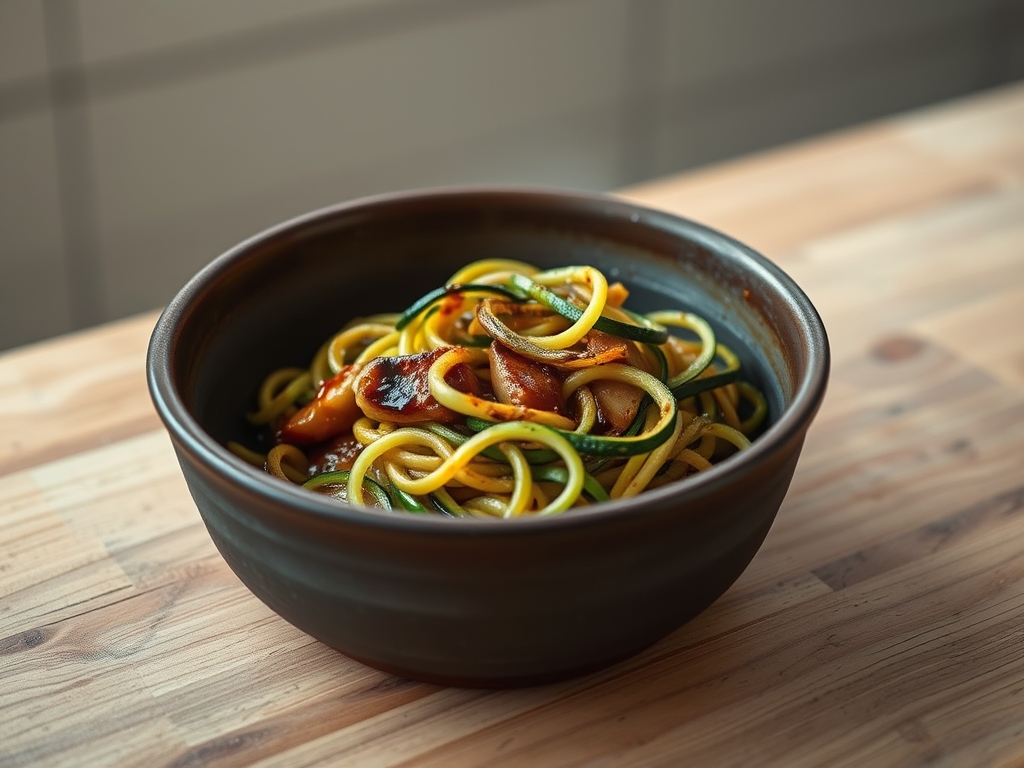
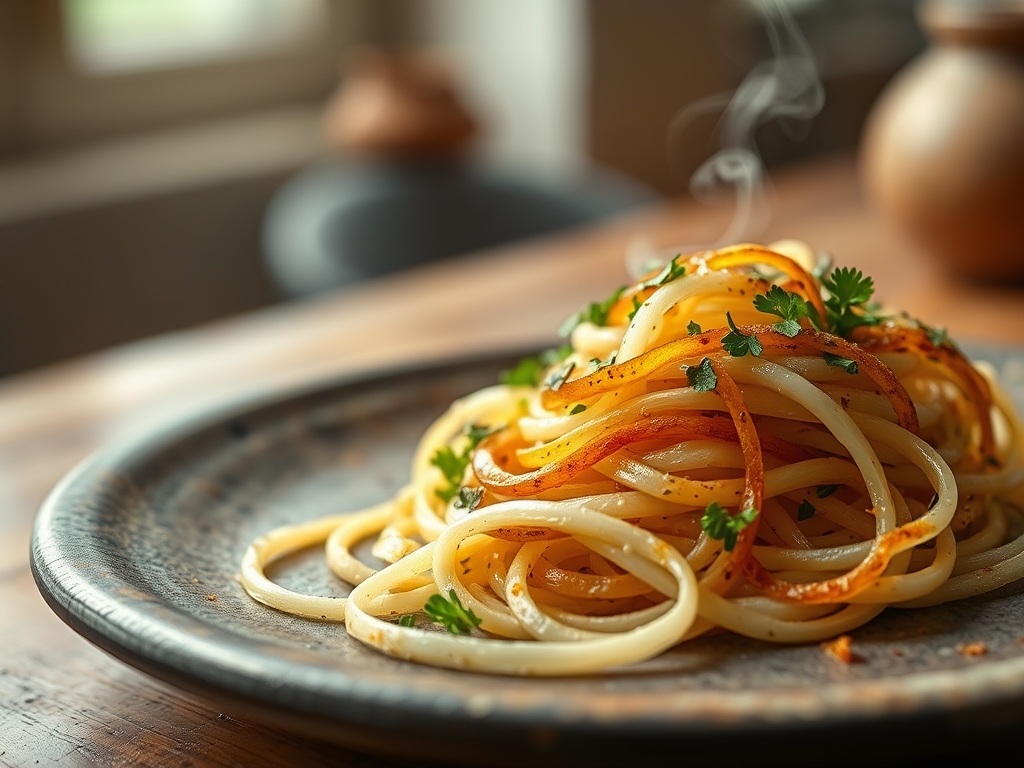
Referencing the Masterclass photo, your goal is a vibrant, translucent white with flecks of deep red and green. If your jicama looks grey or dull, you have likely overcooked it, causing the cellular walls to collapse and trap light rather than reflecting it. If the browning is uneven, your pan was likely not leveled or your tossing technique was inconsistent. The curls should look springy and resilient. If they are matted together, you failed the Moisture Extraction Protocol in Step 3. A perfect batch will show distinct, individual strands that hold their spiral shape even when plated, indicating that the internal starches have set without becoming gummy.
THE DEEP DIVE
Macro Nutrition Profile
Spiralized jicama is a nutritional powerhouse for those monitoring their glycemic load. A standard serving contains approximately 45 calories, 11 grams of carbohydrates (with 6 grams of that being fiber), and less than 1 gram of fat before the addition of cooking oils. It is exceptionally high in Vitamin C and prebiotic fiber, specifically inulin, which supports gut health without the insulin spike associated with potatoes.
Dietary Swaps
This protocol is inherently Gluten-Free and Vegan. For a Keto-compliant version, ensure the lime juice is used sparingly to keep net carbs low. If you want to increase the protein density, consider tossing the finished curls with toasted pepitas or a dusting of nutritional yeast for a cheesy, savory profile that remains plant-based.
Meal Prep & Reheating Science
Jicama is unique because its molecular structure is more stable than that of a zucchini. To meal prep, spiralize and store raw in an airtight container with a damp paper towel. Do not cook until ready to serve. If you must reheat, avoid the microwave; it will turn the curls rubbery. Instead, flash-sear them in a hot pan for 60 seconds to re-activate the surface oils and restore the snap.
THE KITCHEN TABLE
Can I use a mandoline instead of a spiralizer?
Yes, but you will produce "matchsticks" rather than curls. The structural integrity remains the same, but the surface area for seasoning changes. Adjust your cooking time down by two minutes to avoid over-softening the thinner cuts.
Why is my jicama still tough after cooking?
You likely skipped the moisture extraction or used a root that was too large. Older, larger jicamas have higher lignin content. Stick to medium-sized roots and ensure you are using high, consistent heat to soften the fibers.
Is the peel edible if scrubbed thoroughly?
Absolutely not. The skin of the jicama contains rotenone, an organic compound used as a pesticide. It is toxic to humans in large quantities and tastes like dirt. Always peel deeply until only the white flesh remains.
Can I bake these instead of sautéing?
You can, but the moisture management becomes much harder. To bake, spread them in a single layer on a perforated sheet at 400F. Watch them closely; they transition from "perfectly crisp" to "burnt" in a matter of seconds.