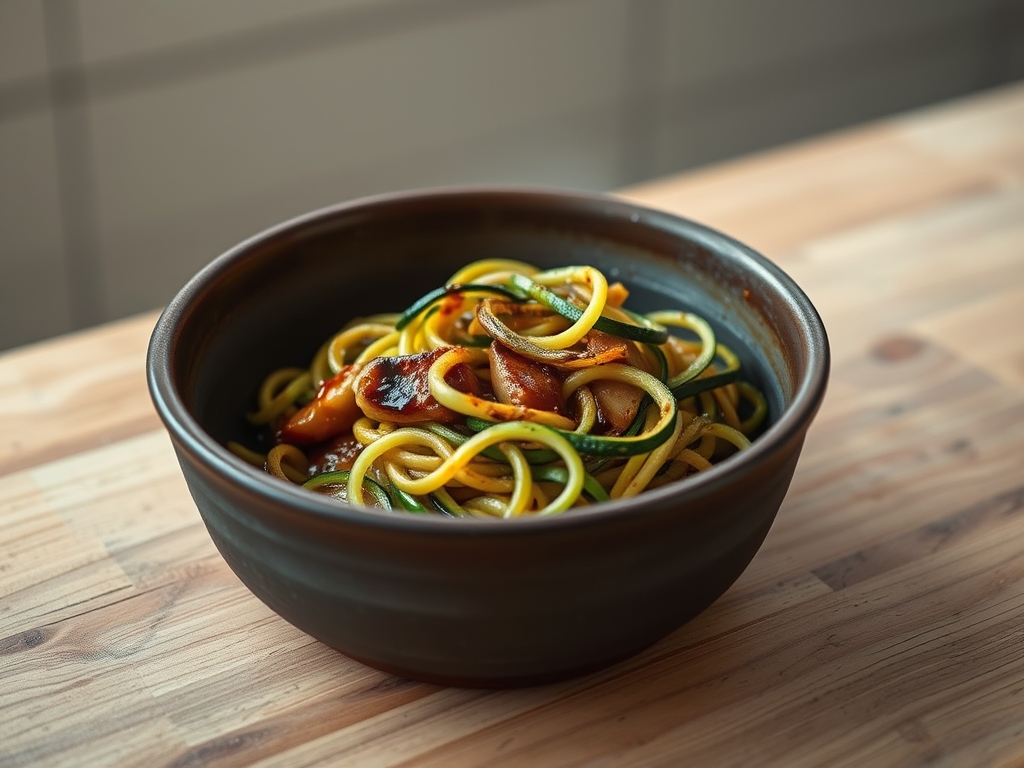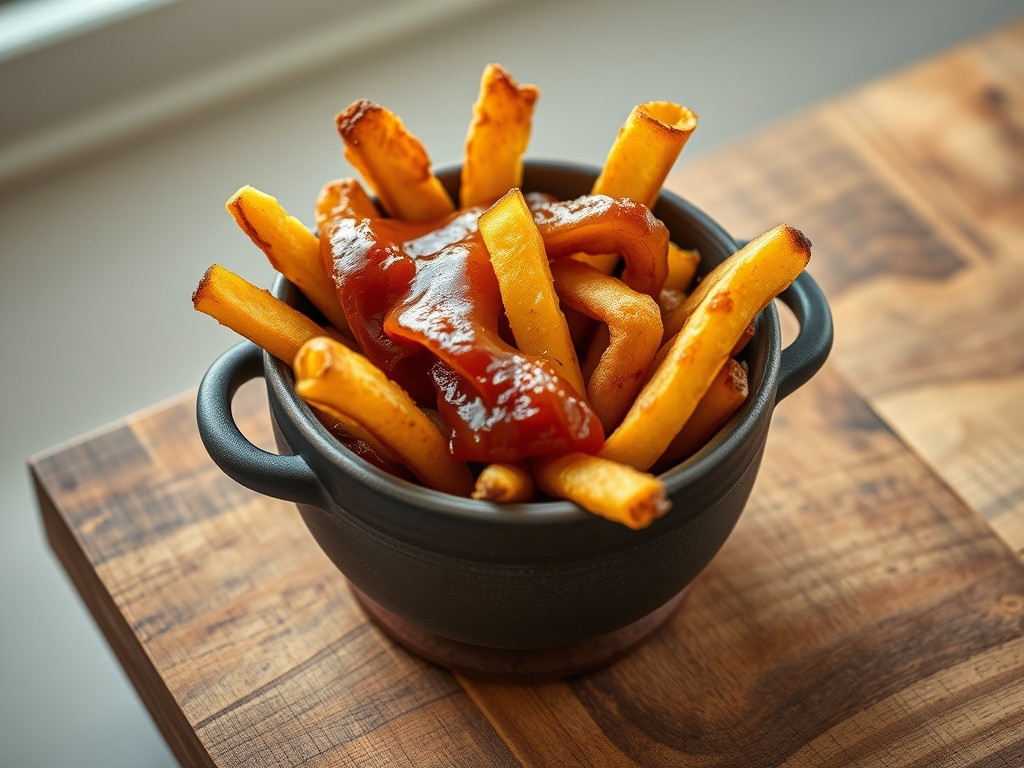
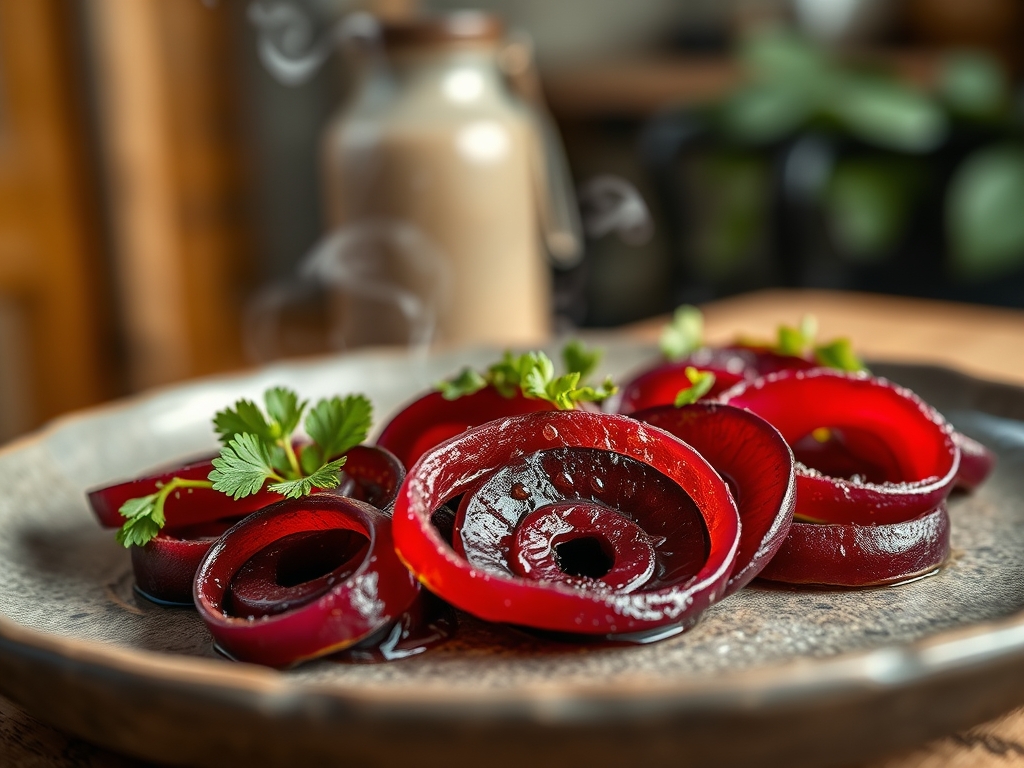
Listen up, culinary architects. We are moving beyond the primitive world of the cubist vegetable dice. Today, we are engineering a masterpiece of structural integrity and high-chroma aesthetics. We are talking about the sheer, unadulterated power of Beetroot Spirals. Imagine a plate vibrating with the intensity of betalain pigments; those deep, violet-red nitrogenous compounds that refuse to be ignored. When you introduce a spiralizer to a high-density root vegetable, you aren't just changing its shape; you are maximizing the surface area for heat transfer and flavor absorption. The result is a kinetic, tangled mess of earth-toned glory that offers a piquant snap and a viscous mouthfeel when properly emulsified in a citrus-forward vinaigrette. This is not a side dish. This is a structural asset designed to dominate the visual spectrum of any table. We are going to harness the raw power of the Beta vulgaris, manipulating its cellular walls to create a texture that bridges the gap between raw crunch and tender, al dente perfection. Strap in; we are optimizing your kitchen infrastructure.
THE DATA MATRIX
| Metric | Specification |
|---|---|
| Prep Time | 15 Minutes |
| Execution Time | 10 Minutes |
| Yield | 4 Servings |
| Complexity (1-10) | 4 |
| Estimated Cost per Serving | $1.25 |
THE GATHERS
Ingredient Protocol:
- 3 Large Beetroots (approx. 750g / 1.6 lbs) firm and unblemished.
- 60ml / 4 tbsp Extra Virgin Olive Oil.
- 30ml / 2 tbsp Fresh Lemon Juice.
- 5g / 1 tsp Sea Salt (Fine Grain).
- 2g / 0.5 tsp Cracked Black Pepper.
- 15g / 0.5 oz Fresh Mint Leaves (chiffonade).
- 50g / 1.7 oz Toasted Walnuts (crushed).
- 30g / 1 oz Goat Cheese Crumbles (optional for non-vegans).
Section A: Ingredient Quality Audit:
If your beetroots feel soft or exhibit a "rubbery" give when squeezed, the cellular turgor pressure has collapsed. This results in "shaggy" spirals that lack structural definition. To fix this, submerge the peeled roots in an ice-water bath for 20 minutes before spiralizing to rehydrate the cell walls. If your lemon juice lacks that sharp, acidic bite, it may have oxidized. Always zest the lemon first to capture the essential oils; then juice it immediately to ensure the pH level remains low enough to stabilize the betalain pigments and prevent the beets from turning a dull, brownish hue.
THE MASTERCLASS
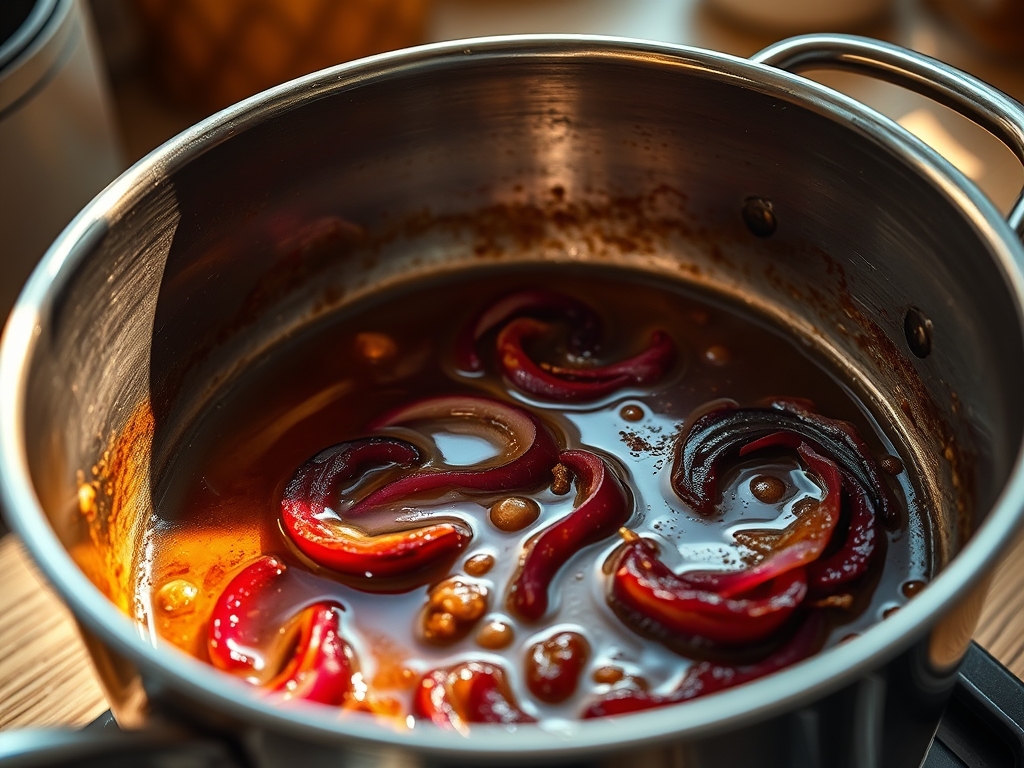
1. Structural Preparation and Peeling
Secure your beetroot on a stable cutting board using a damp kitchen towel underneath to prevent slippage. Use a high-quality Y-peeler to remove the outer skin until the vibrant, vascular tissue is exposed. Trim the poles of the beet to create flat, parallel surfaces for the spiralizer to grip.
Pro Tip: Use a digital scale to ensure your beets are uniform in weight. Uniformity in raw mass leads to consistency in the spiralizing torque required, preventing the blade from "stuttering" and creating uneven strands.
2. The Spiralization Sequence
Mount the beetroot onto the prongs of your heavy-duty spiralizer. Apply consistent, lateral pressure while rotating the crank at a steady cadence. Aim for the "pappardelle" or "spaghetti" blade setting to ensure the strands are thick enough to maintain their integrity during the dressing process.
Pro Tip: Collect the spirals in a large stainless steel mixing bowl. The non-reactive surface of the steel prevents any metallic off-flavors from leaching into the acidic beet juice, a common failure point when using reactive aluminum.
3. Emulsification and Infusion
In a small saucier or glass jar, combine the olive oil, lemon juice, salt, and pepper. Whisk vigorously or shake until the mixture is fully emulsified. The goal is to create a homogenous liquid that will coat the high surface area of the Beetroot Spirals without pooling at the bottom of the bowl.
Pro Tip: Use a whisk to aerate the dressing. Introducing tiny air bubbles creates a temporary emulsion that allows the oil and acid to cling to the hydrophobic surface of the beet skin more effectively.
4. The Final Assembly
Pour the dressing over the spirals and use a bench scraper or large tongs to gently toss the assembly. Fold in the mint and walnuts at the very last second to ensure the nuts maintain their crunch and the mint does not bruise or oxidize from the acidity.
Pro Tip: If using goat cheese, add it only after the beets are plated. The high pigment transfer of the beets will immediately dye the cheese pink if tossed in the bowl, ruining the visual contrast.
Section B: Prep & Timing Fault-Lines:
The most common failure in this infrastructure is the "bleed-out." If you spiralize the beets too far in advance, the salt in the dressing will draw out internal moisture via osmosis, turning your crisp salad into a soggy, purple swamp. Timing is critical. Spiralize no more than 60 minutes before service. If you must prep early, store the dry spirals in a sealed container with a paper towel to absorb excess humidity. Never dress the salad until 5 minutes before the plate hits the table.
THE VISUAL SPECTRUM
Section C: Thermal & Visual Troubleshooting:
Referencing the Masterclass photo, notice the "high-definition" edges of the spirals. If your spirals look "fuzzy" or frayed, your spiralizer blade is dull and is tearing the fibers rather than slicing them. Sharpen or replace the blade immediately. If the color appears muted or "brick-red" rather than "electric-violet," your acid ratio is too low. Increase the lemon juice to shift the pH. The photo shows a distinct "glistening" effect; this is achieved by ensuring the oil is fully emulsified. If the salad looks "dry," you have likely undersalted, failing to draw out just enough surface moisture to create that signature sheen.
THE DEEP DIVE
Macro Nutrition Profile:
Beetroot Spirals are a powerhouse of nitrates and fiber. A standard serving contains approximately 120 calories (primarily from healthy fats in the walnuts and oil), 2g of protein, and 12g of complex carbohydrates. They are exceptionally high in folate and manganese.
Dietary Swaps:
- Vegan: Omit goat cheese or substitute with a fermented cashew-based "feta."
- Keto: Beets are moderately high in sugar; reduce the serving size and increase the walnut/oil ratio to boost fats.
- GF: Naturally gluten-free. Ensure your walnuts aren't processed in a facility with cross-contamination.
Meal Prep & Reheating Science:
Do not reheat this dish. Heat will cause the betalain to degrade and the texture to turn mushy. To meal prep, keep the spiralized beets, the dressing, and the dry toppings in three separate airtight containers. This maintains the molecular structure of the root and the kinetic "snap" of the toppings.
THE KITCHEN TABLE
Why are my Beetroot Spirals turning my hands red?
That is the betalain pigment in action. It is highly water-soluble. To prevent "beet-hand," wear nitrile gloves or rub your hands with a light coating of olive oil before handling the roots to create a hydrophobic barrier.
Can I cook these spirals like pasta?
Yes, but keep it brief. A 2-minute sauté in a hot pan with butter will render them tender. Any longer and they lose their structural integrity, collapsing into a soft mass that lacks the desired al dente bite.
My spirals are too long to eat gracefully. Help!
Use a pair of kitchen shears to perform a "structural prune" after spiralizing. Snip the long tangles every 6 inches. This makes the dish far more manageable for guests while maintaining the beautiful aesthetic of the curls.
What is the best way to store leftovers?
Store in a glass container to avoid staining plastic. Note that the texture will soften significantly by day two. Use leftover dressed spirals as a vibrant topping for a grain bowl or a sandwich "crunch" layer.