Imagine a straw made of starch that has been violently twisted by a centrifugal force until it resembles a double-helix of pure culinary potential. This is not your standard rotini or the pedestrian fusilli found in cardboard boxes at the local mart. We are discussing Fusilli Col Buco; the long, hollow, spiral-shaped architectural marvel of the pasta world. When you drop these coils into a boiling cauldron, you are engaging with a high-performance delivery system designed for maximum sauce retention. The central cavity acts as a vacuum, pulling in viscous ragus and silky emulsions, ensuring that every bite is a pressurized explosion of flavor. The texture is a rhythmic oscillation between the "al dente" resistance of the outer ridges and the tender, sauce-soaked interior. As an auditor of kitchen infrastructure, I demand more than just a meal; I demand a structural triumph. If your current pasta repertoire feels flat, it is because you lack the verticality and internal volume that only this hollow spiral can provide. Let us dismantle the physics of the plate.
THE DATA MATRIX
| Metric | Specification |
|---|---|
| Prep Time | 15 Minutes |
| Execution Time | 25 Minutes |
| Yield | 4 Servings |
| Complexity (1-10) | 6 (Precision Emulsification) |
| Estimated Cost per Serving | $4.50 USD |
THE GATHERS
Ingredient Protocol:
- 500g / 1.1 lbs Fusilli Col Buco (Bronze-die extruded preferred)
- 200g / 7 oz Guanciale or thick-cut Pancetta, cubed
- 4 Large Egg Yolks (Room temperature)
- 100g / 1 cup Pecorino Romano, finely grated
- 5g / 2 tsp Freshly cracked black peppercorns
- 30ml / 2 tbsp Extra virgin olive oil
- Salt for pasta water (calculated at 10g per liter of water)
Section A: Ingredient Quality Audit:
The primary failure point in this infrastructure is the fat-to-protein ratio. If your guanciale lacks sufficient white fat, it will not render properly, leaving you with dry, leathery bits instead of crispy flavor bombs. To fix a lean batch, add a teaspoon of neutral oil to jumpstart the lipid release. Furthermore, if your Pecorino is pre-shredded, the anti-caking agents will prevent a smooth melt, resulting in a grainy, "broken" sauce. Always grate from a block using a microplane to ensure the surface area is optimized for rapid melting. If the cheese is too salty, balance the profile by infusing a small amount of unsalted pasta water into the yolk mixture before combining.
THE MASTERCLASS
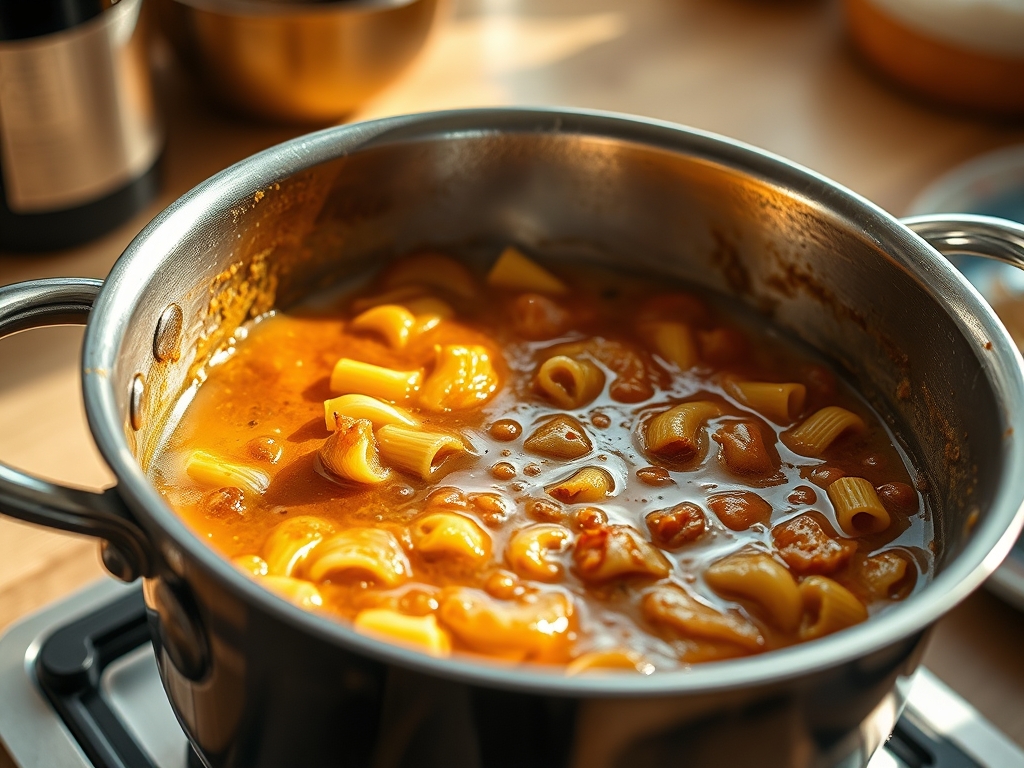
Step-by-Step Execution:
1. The Lipid Extraction Phase
Place your cubed guanciale into a cold saucier and set the heat to medium-low. By starting cold, you allow the fat to render slowly without scorching the exterior of the meat. Use a bench scraper to move the pieces occasionally, ensuring even contact with the heat source. Once the fat is translucent and the meat is golden-brown, remove the solids and set them aside.
Pro Tip: This is a thermodynamic play. Starting with a cold pan prevents the proteins from seizing, which allows for a more thorough extraction of the fats that will eventually form the base of your emulsion.
2. The Hydration Protocol
Bring a large pot of water to a rolling boil. Use a digital scale to measure your salt precisely; 10 grams per liter is the gold standard for "sea water" salinity. Drop the Fusilli Col Buco and stir immediately to prevent the spirals from interlocking. Set your timer for two minutes less than the package instructions.
Pro Tip: The hollow center of Fusilli Col Buco creates more surface area than solid pasta. This means it absorbs water faster. Undercooking it slightly in the water allows the final minute of "cooking" to happen inside the sauce, pulling the flavor into the central cavity.
3. The Emulsion Matrix
While the pasta boils, whisk your egg yolks and grated Pecorino in a stainless steel bowl until a thick paste forms. Add your cracked black pepper here to infuse the spice directly into the fats. Temper this mixture by slowly whisking in 30ml of the hot pasta water.
Pro Tip: Tempering prevents the eggs from scrambling when they hit the hot pasta. You are essentially creating a stable suspension of fats and proteins before the final assembly.
4. The High-Speed Integration
Drain the pasta, reserving 250ml of the starchy water. Toss the pasta into the saucier with the rendered fat over medium heat. Add the egg and cheese mixture, then begin a vigorous tossing motion. Add small increments of pasta water as needed to aerate the sauce into a glossy, viscous coating.
Pro Tip: The mechanical action of tossing creates the emulsion. The starch in the water acts as a bridge between the oil (rendered fat) and the water (egg yolks), resulting in a velvet-like texture that clings to the spirals.
Section B: Prep & Timing Fault-Lines:
The most common human error is the "Thermal Shock" mistake. If you add the egg mixture to a pan that is still over active high heat, the proteins will denature instantly, leaving you with scrambled eggs and pasta. The solution is to remove the pan from the heat source entirely before adding the eggs. Use the residual heat of the pasta and the saucier to cook the sauce. If the sauce becomes too thick or "tacky," it is likely cooling too fast; add a splash of boiling pasta water to regain the fluid dynamics required for a perfect coat.
THE VISUAL SPECTRUM
Section C: Thermal & Visual Troubleshooting:
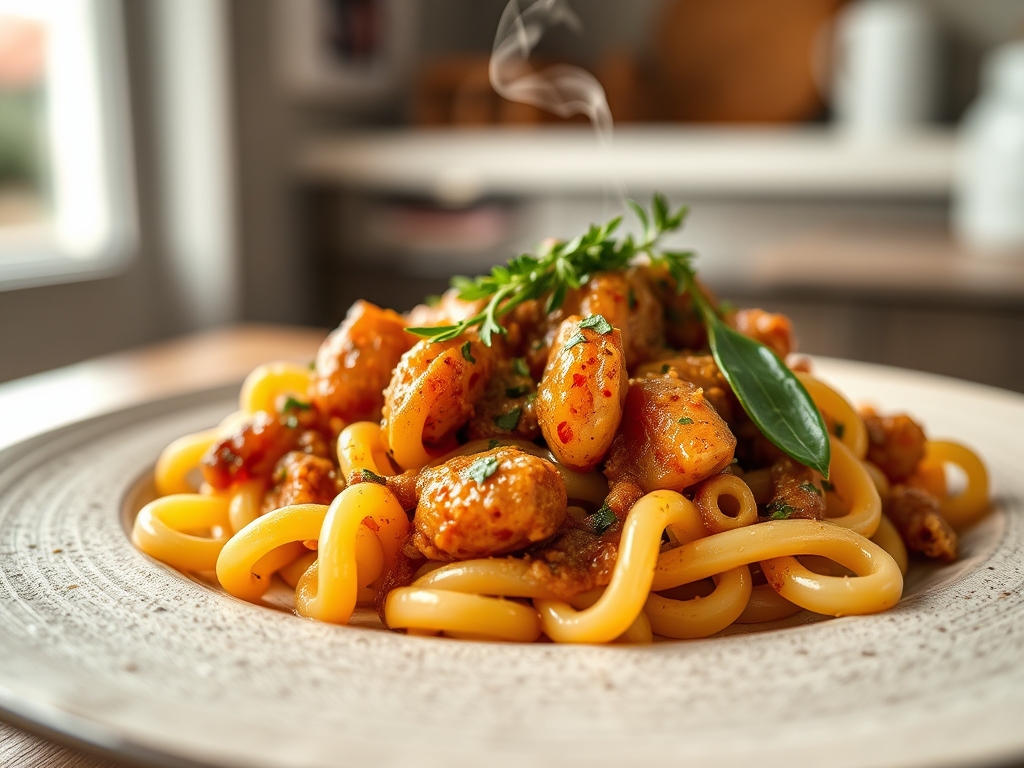
Referencing the Masterclass photo, your final product should exhibit a high-gloss sheen, indicating a successful emulsion. If the pasta looks dull or matte, you have insufficient moisture; the starch has absorbed all the liquid and "locked" up. Add more pasta water immediately. If the color is pale rather than a vibrant golden-yellow, your yolk-to-cheese ratio is off or your yolks lacked deep pigmentation. To fix this visually, a light dusting of piquant Pecorino and extra cracked pepper provides the necessary contrast. Note the way the sauce pools slightly at the base of the spirals in the image; this is the target viscosity. If the sauce is "running" to the bottom of the plate, reduce it further over low heat while tossing.
THE DEEP DIVE
Macro Nutrition Profile:
A standard serving of this infrastructure delivers approximately 650 calories. It is heavy on lipids (35g) and carbohydrates (70g), with a solid protein foundation (25g) from the eggs and cheese. It is a high-density fuel source designed for recovery or high-output days.
Dietary Swaps:
- Vegan: Replace guanciale with smoked mushrooms sautéed in olive oil. Use a mixture of silken tofu and nutritional yeast to mimic the egg/cheese emulsion.
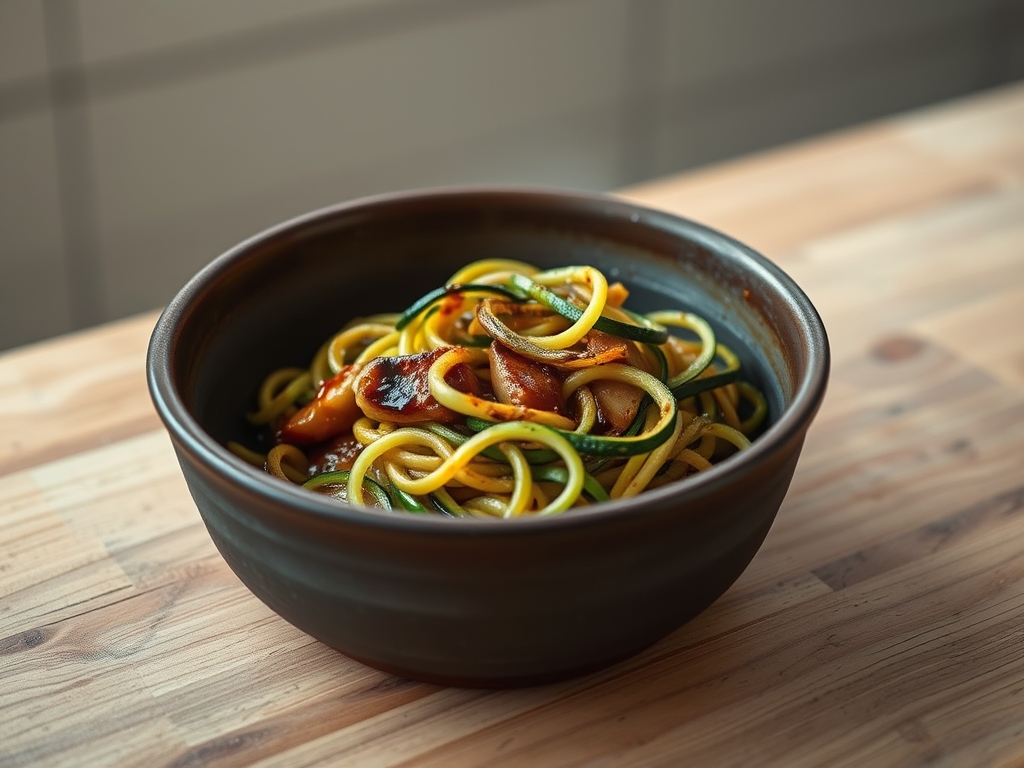
- Keto: This is difficult given the pasta focus, but "Zoodles" or hearts of palm pasta can be used, though they lack the internal cavity for sauce capture.
- GF: Use a high-quality brown rice or corn-based Fusilli Col Buco. Ensure the pasta water is extra starchy by adding a teaspoon of cornstarch to the boil.
Meal Prep & Reheating Science:
Pasta emulsions are notoriously fragile. To reheat, do not use a microwave; the localized radiation will break the emulsion and turn the sauce into oil and clumps. Instead, use a small skillet with two tablespoons of water or cream. Heat over low, stirring constantly to re-emulsify the fats into the liquid.
THE KITCHEN TABLE
Why is my sauce grainy?
This is usually caused by pre-shredded cheese or overheating. The cellulose in pre-shredded cheese prevents a smooth melt. Always use a microplane for a fine, melt-ready consistency and keep the heat low during the final toss.
Can I use regular Fusilli?
You can, but you lose the "Col Buco" (with a hole) advantage. The central cavity is the primary engineering feature that allows the sauce to permeate the interior, providing a superior flavor-to-mass ratio.
How do I get the "glossy" look?
Gloss comes from the emulsion of starch-heavy pasta water and fats. If your sauce is matte, you need more pasta water and more vigorous agitation. Toss the pan like a professional to incorporate air.
Is Guanciale mandatory?
While Pancetta is a suitable substitute, Guanciale (cured pork jowl) has a higher fat content and a deeper, more funk-forward flavor profile that defines the traditional Roman palate. It renders into a superior base for the sauce.