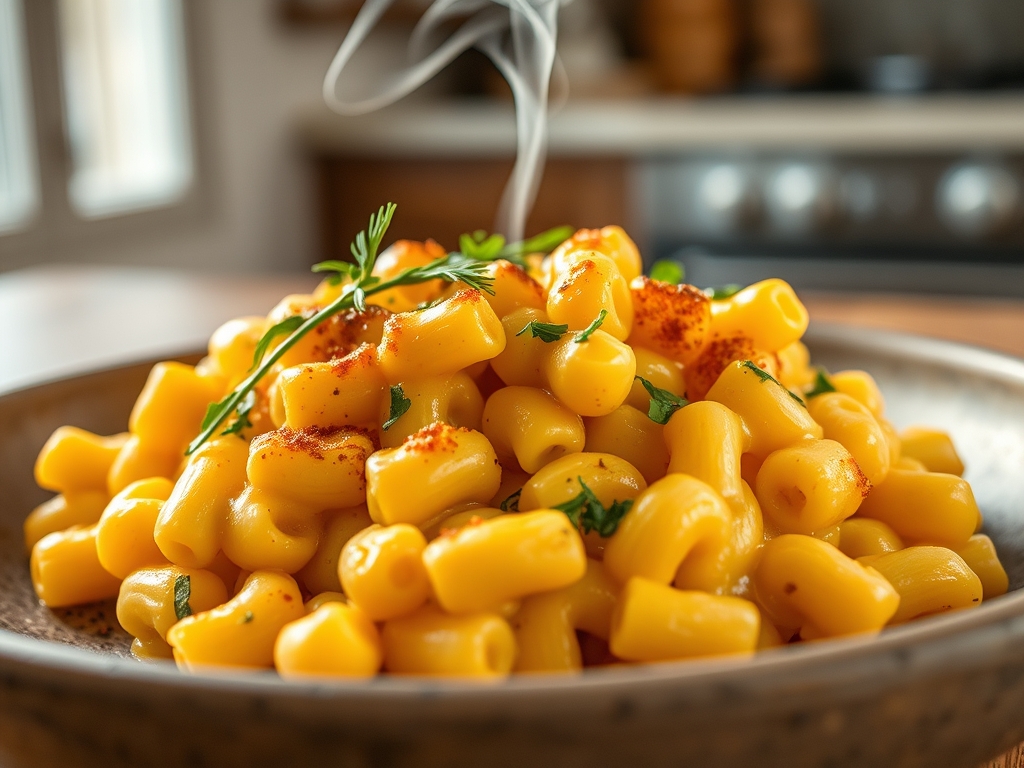
Forget the pedestrian elbow pasta of your childhood; we are entering the realm of high-performance architectural dairy. We are here to discuss the structural integrity and surface-area optimization of Curly Mac and Cheese. This is not just a meal; it is a thermal event. Imagine the corkscrew ridges of cavatappi acting as a precision-engineered screw thread, catching and holding a viscous, gold-standard Mornay sauce in a death grip of flavor. The steam rises in a piquant cloud, carrying the sharp scent of aged cheddar and the earthy hum of nutmeg. Every bite is a calculated collision of texture. You have the snap of al dente wheat followed by the velvet collapse of an emulsified cheese matrix. We are auditing the very soul of comfort food, stripping away the mediocre box-mix fluff and replacing it with a rigorous, chef-grade protocol. If your sauce is breaking or your pasta is flaccid, you are failing the audit. It is time to recalibrate your kitchen, sharpen your senses, and prepare for a masterclass in starch adhesion and lipid suspension.
THE DATA MATRIX
| Metric | Specification |
|---|---|
| Prep Time | 15 Minutes |
| Execution Time | 25 Minutes |
| Yield | 4 Standard Units (Servings) |
| Complexity | 4/10 (Technical Precision Required) |
| Estimated Cost per Serving | $2.45 USD |
THE GATHERS
Ingredient Protocol:
- 450g / 1 lb Cavatappi (Double-Helix) Pasta
- 115g / 1/2 cup Unsalted High-Fat Butter
- 60g / 1/2 cup All-Purpose Flour (High Protein)
- 950ml / 4 cups Whole Milk (Room Temperature)
- 450g / 4 cups Sharp White Cheddar (Hand-Grated)
- 115g / 1 cup Gruyere (Aged 12 Months)
- 5ml / 1 tsp Dry Mustard Powder
- 2g / 1/4 tsp Freshly Grated Nutmeg
- 10g / 2 tsp Sea Salt (Fine Grain)
- 2g / 1/2 tsp White Pepper
Section A: Ingredient Quality Audit:
If your cheese feels "waxy" or refuses to melt, you likely purchased pre-shredded varieties coated in cellulose or potato starch. These anti-caking agents are the enemy of a smooth emulsion. Fix: Always grate from the block to ensure pure lipid interaction. If your milk curdles upon contact with the roux, your thermal delta is too high. Fix: Temper the milk by bringing it to room temperature before introduction to the hot fat. Finally, if the pasta lacks "bite," you have over-hydrated the starch. Fix: Reduce boiling time by two minutes to allow for "carry-over cooking" within the sauce.
THE MASTERCLASS
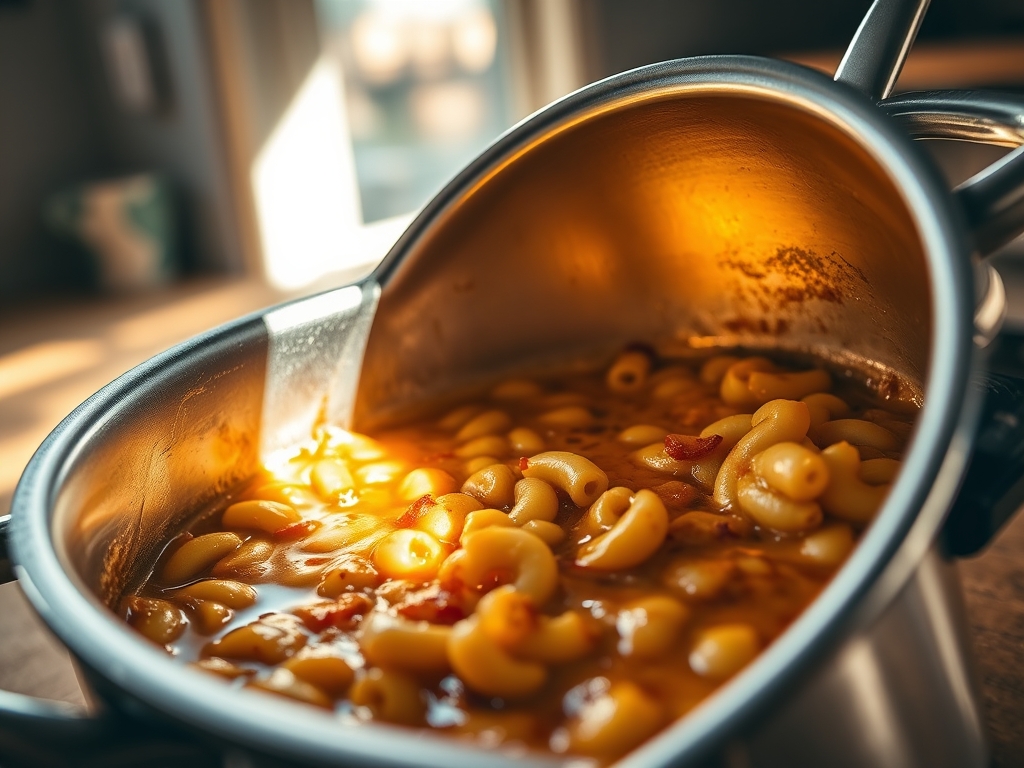
1. The Starch Hydration Phase
Bring 4 liters of water to a rolling boil in a heavy-bottomed stockpot. Add 20g of salt; the water should taste like the Mediterranean. Drop the cavatappi and stir immediately to prevent clumping. Drain the pasta when it is two minutes shy of the package instructions.
Pro Tip: Use a digital scale to measure your salt precisely. Accurate salinity ensures the pasta is seasoned from the inside out, which is essential for the flavor profile of Curly Mac and Cheese.
2. The Roux Foundation
In a wide saucier, melt the butter over medium heat until the foaming subsides. Whisk in the flour steadily. Cook this "white roux" for three minutes to remove the raw cereal taste without inducing a Maillard reaction.
Pro Tip: Use a silicone-coated balloon whisk to reach the edges of the pan. This prevents localized scorching of the flour proteins, which can introduce bitter notes into your base.
3. The Béchamel Expansion
Slowly stream in the milk while whisking vigorously to aerate the mixture. Continue to cook until the sauce coats the back of a spoon; a technique known as nappe. Add the mustard, nutmeg, and pepper now to infuse the liquid.
Pro Tip: Use a bench scraper to clear your workstation of any flour dust during this phase. Maintaining a sterile environment prevents accidental clumps from falling into your developing emulsion.
4. The Lipid Integration
Remove the saucier from the heat source. Add the grated cheeses in three stages, whisking until the sauce is viscous and glossy. If the sauce is too thick, add 30ml of pasta water to adjust the tension. Fold in the cooked pasta until every spiral is fully coated.
Pro Tip: Measuring the internal temperature with an infrared thermometer ensures you are below 150 degrees Fahrenheit. High heat will cause the proteins in the cheese to tighten and "break" the sauce into oil and solids.
Section B: Prep & Timing Fault-Lines:
The most common failure in Curly Mac and Cheese is the "Dry Spiral Syndrome." This occurs when the pasta sits too long after draining, causing the surface starches to gelatinize and stick together. Fix: Time your sauce so it finishes exactly as the pasta reaches its al dente state. If you are lagging, toss the drained pasta with a teaspoon of neutral oil to create a temporary moisture barrier.
THE VISUAL SPECTRUM
Section C: Thermal & Visual Troubleshooting:
Examine the Masterclass photo above. Notice the "Liquid Gold" sheen; this indicates a perfect fat-to-protein ratio. If your dish looks dull or matte, you have likely overcooked the sauce, causing the moisture to evaporate. Fix: Whisk in a tablespoon of heavy cream to restore the luster. If you see uneven browning on the top of a baked version, your oven has "hot spots." Fix: Rotate the dish 180 degrees halfway through the broiling phase to ensure a uniform, mahogany crust.
THE DEEP DIVE
Macro Nutrition Profile:
A standard serving provides approximately 650 calories. This breaks down into 32g of Fat, 65g of Carbohydrates, and 28g of Protein. It is a high-density fuel source designed for maximum satiety.
Dietary Swaps:
- Vegan: Substitute butter with refined coconut oil and milk with unsweetened cashew milk. Use nutritional yeast and miso paste to replicate the piquant profile of aged cheddar.
- Keto: Replace pasta with roasted cauliflower florets and use xanthan gum as a thickening agent instead of flour.
- GF: Utilize a high-quality brown rice or quinoa-based spiral pasta. Ensure your thickening agent is cornstarch or a GF-certified flour blend.
Meal Prep & Reheating Science:
To maintain molecular structure during reheating, avoid the microwave. The localized agitation of water molecules will shatter the cheese emulsion. Instead, place the mac and cheese in a small saucepan with two tablespoons of milk. Heat over low, stirring gently to re-emulsify the fats. This restores the viscous texture without turning the pasta into mush.
THE KITCHEN TABLE
Why is my sauce grainy?
Graininess usually results from overheating the cheese, causing proteins to clump. It can also happen if you use "aged" cheeses over 24 months exclusively. Balance extra-sharp varieties with younger, high-moisture cheeses like Fontina or young Cheddar for smoothness.
Can I use different pasta shapes?
While you can, the "Curly" in Curly Mac and Cheese refers to the superior sauce-trapping geometry of spirals. Shells are a secondary option, but they often "nest," trapping air pockets rather than the creamy cheese sauce.
How do I get a crispy top without drying it out?
Use the broiler setting for only 3 to 5 minutes. Mix your breadcrumbs with melted butter before topping. This creates a thermal shield that browns the crumbs while protecting the delicate emulsion underneath from direct heat.
Does the type of salt matter?
Yes. Table salt has a harsh, metallic edge. Use Sea Salt or Kosher salt. The larger crystal size allows for more controlled seasoning and a cleaner finish that highlights the complexity of the aged cheeses.