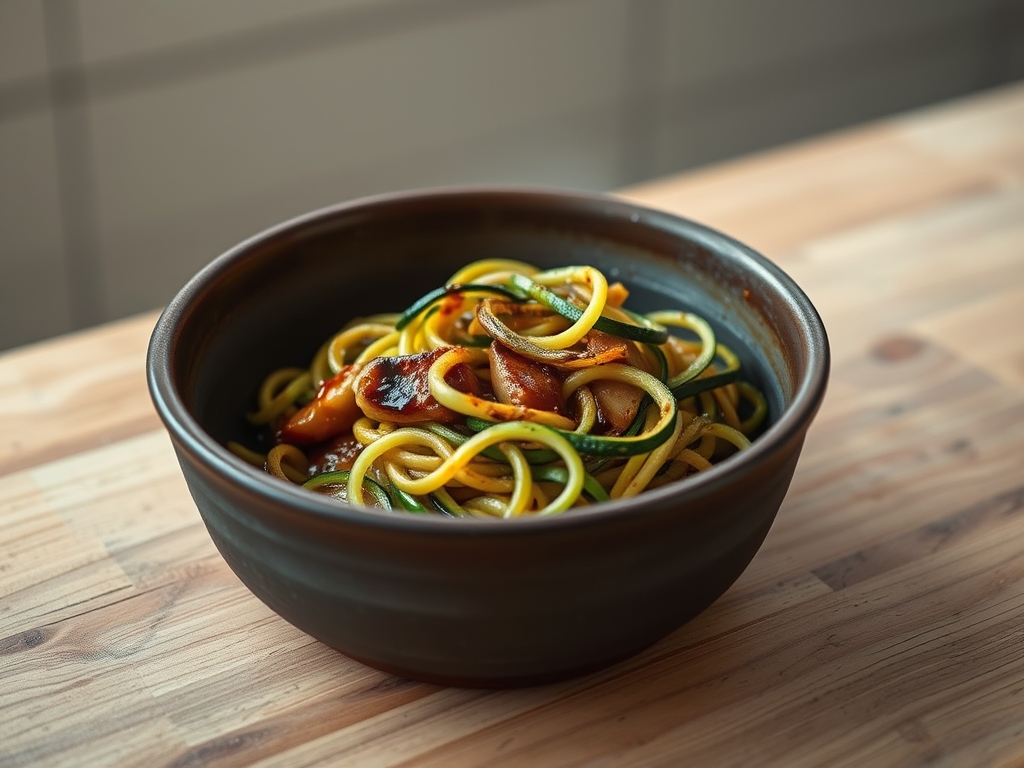
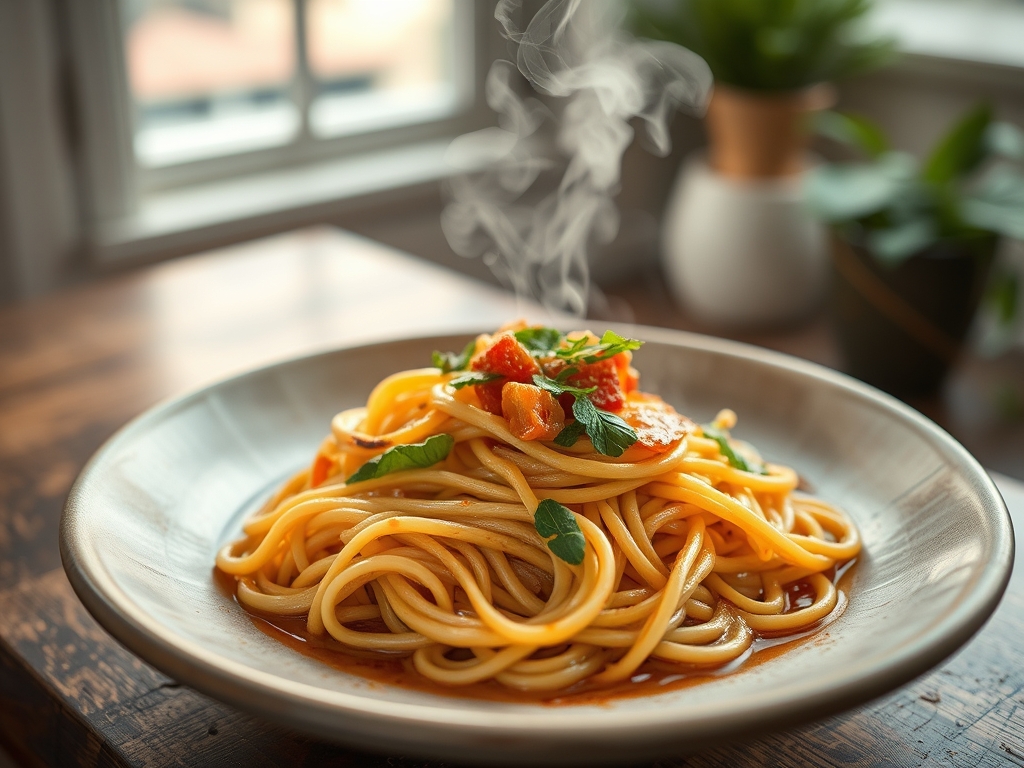
Imagine a high-speed collision between industrial engineering and late-night comfort. That is the essence of the perfect bowl. We are not just talking about sustenance here; we are analyzing the structural integrity of Curly Ramen Noodles. The crinkle is not merely an aesthetic choice. It is a calculated piece of culinary architecture designed to maximize surface area. This allows the broth to cling to every ridge through capillary action. When you lift those golden, springy strands from a steaming bowl, you are witnessing a triumph of alkaline chemistry. The smell of toasted sesame and fermented soy hits your olfactory receptors like a freight train. It is a visceral experience that demands precision. If your noodles are limp, you have failed the audit. If your broth lacks the necessary lipid suspension to coat the palate, you are just eating salty water. We are here to strip down the process to its chassis and rebuild it for maximum performance. Let us dive into the mechanics of the perfect slurp.
THE DATA MATRIX
| Metric | Specification |
|---|---|
| Prep Time | 15 Minutes |
| Execution Time | 10 Minutes |
| Yield | 2 Servings |
| Complexity (1-10) | 4 |
| Estimated Cost per Serving | $2.75 USD |
THE GATHERS
Ingredient Protocol:
- 2 packs / 180g Curly Ramen Noodles (high-alkaline wheat variety)
- 500ml / 2 cups Chicken or Vegetable Stock (low sodium)
- 30ml / 2 tbsp Shoyu or Tamari
- 15ml / 1 tbsp Toasted Sesame Oil
- 5g / 1 tsp Freshly Grated Ginger
- 2 cloves / 10g Garlic (minced)
- 1 large / 50g Egg (soft-boiled)
- 10g / 2 stalks Scallions (finely biased)
- 5ml / 1 tsp Chili Oil with sediment
Section A: Ingredient Quality Audit:
The primary failure point in many home audits is the noodle hydration. If your Curly Ramen Noodles feel brittle or "dusty" out of the package, they have likely undergone oxidation. To fix this, ensure you are using noodles with a high Kansui (alkaline mineral water) content. This provides the signature yellow hue and "snap." If your ginger is fibrous and dry, do not force it through a microplane. Instead, infuse it into your sesame oil over low heat to extract the aromatics without the woody texture. Finally, if your stock tastes one-dimensional, deglaze your pot with a splash of mirin before adding the liquid to build a complex sugar base.
THE MASTERCLASS
1. The Aromatic Base Construction
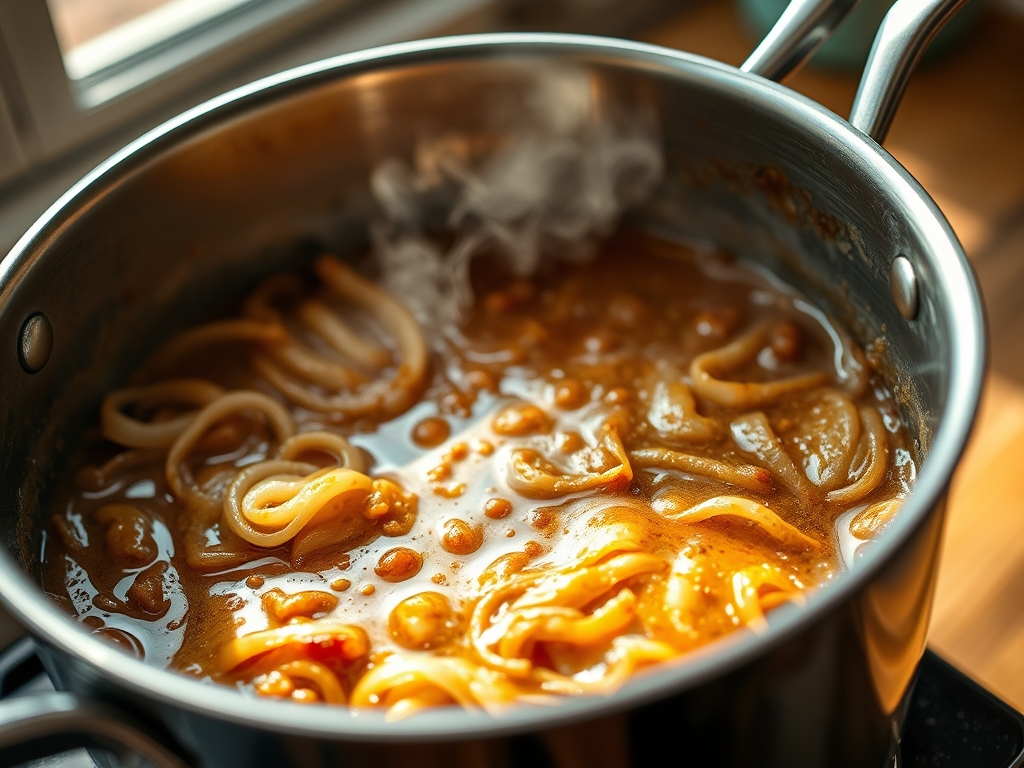
Place your saucier over medium heat and add the sesame oil. Once the oil begins to shimmer, introduce the minced garlic and ginger. You are looking for a gentle sizzle, not a scorched burn. Use a silicone spatula to keep the aromatics moving until they are fragrant and translucent.
Pro Tip: This stage is about the Maillard reaction. By lightly browning the aromatics, you create hundreds of new flavor compounds that provide a savory backbone to the broth.
2. Fluid Dynamics and Emulsification
Pour the stock into the saucier. Increase the heat to high until the liquid reaches a rolling boil. Add the shoyu and a pinch of white pepper. Use a whisk to vigorously aerate the liquid, ensuring any rendered fats from the aromatics are fully integrated into the broth.
Pro Tip: A stable emulsion prevents the oil from pooling on the surface. This ensures that every strand of your Curly Ramen Noodles is coated in a viscous, flavor-dense film rather than just water.
3. The Precision Noodle Deployment
Submerge the Curly Ramen Noodles into the boiling broth. Use a digital timer set for exactly three minutes. Do not walk away. Use a pair of long kitchen tweezers or a bench scraper to gently tease the noodle bricks apart without snapping the individual strands.
Pro Tip: The "crinkle" in the noodles creates turbulence in the water, which helps prevent clumping. Maintaining a high heat ensures the starch granules swell rapidly, resulting in a firm, al dente bite.
4. The Thermal Finish and Plating
Remove the saucier from the heat immediately when the timer hits zero. Transfer the noodles to a pre-heated ceramic bowl using a spider strainer. Pour the broth over the top. Halve your soft-boiled egg and place it atop the noodles alongside the scallions and a drizzle of piquant chili oil.
Pro Tip: Residual heat will continue to cook the noodles. By using a pre-heated bowl, you maintain the serving temperature without overextending the starch gelatinization process.
Section B: Prep & Timing Fault-Lines:
The most common error is "The Soggy Plateau." This occurs when the noodles sit in the broth for more than two minutes before consumption. To mitigate this, have all your toppings prepped and staged on a mise en place tray. If your egg yolk is too runny or too chalky, your water temperature was likely inconsistent. Use a digital thermometer to ensure your boiling water stays at a constant 100 degrees Celsius before dropping the eggs.
THE VISUAL SPECTRUM
Section C: Thermal & Visual Troubleshooting:
Look closely at the Masterclass photo. Notice the high-gloss sheen on the broth; this indicates a successful lipid emulsification. If your broth looks matte or dull, you likely lacked enough fat or failed to whisk sufficiently. The noodles should exhibit a vibrant, golden-yellow color. If they appear greyish or pale, the alkaline balance is off. To fix this visually, a drop of turmeric in the boiling water can restore that "neon" ramen glow. If your scallions look wilted, you added them too early. They must be the final "cold" element to provide a sharp, green contrast against the deep browns of the shoyu base.
THE DEEP DIVE
Macro Nutrition Profile:
A standard serving of these Curly Ramen Noodles contains approximately 450 calories. The breakdown typically consists of 65g of carbohydrates, 15g of protein, and 18g of fat. The sodium content is high, often exceeding 1,200mg, which is why we utilize a low-sodium stock to maintain control over the final profile.
Dietary Swaps:
- Vegan: Replace the chicken stock with a kombu and dried shiitake mushroom dashi. Use tofu puffs instead of the egg.
- Keto: Swap wheat noodles for shirataki (konjac) noodles. Be aware that shirataki lacks the "crinkle" and will not hold sauce as effectively.
- GF: Utilize brown rice ramen or glass noodles. Ensure your soy sauce is replaced with certified gluten-free Tamari.
Meal Prep & Reheating Science:
To maintain molecular structure during reheating, store the noodles and broth in separate containers. When ready to consume, heat the broth to a boil first, then drop the cold noodles in for 30 seconds. This prevents the starch from becoming a gelatinous mass.
THE KITCHEN TABLE
Why are my noodles sticking together?
This is usually caused by insufficient water volume or failing to agitate the noodles immediately upon entry. Use a larger pot and use your kitchen tweezers to keep the strands separated during the first 60 seconds of boiling.
Can I use the flavor packet?
The audit allows it, but only as a base. Always supplement with fresh aromatics like garlic and ginger to elevate the chemical profile. The packet provides salt and MSG; you provide the soul and the viscous texture.
How do I get the perfect soft-boiled egg?
Boil water, lower the eggs gently, and cook for exactly six minutes and thirty seconds. Immediately plunge them into an ice bath. This thermal shock stops the cooking process and makes the shells easier to remove.
What is the best way to store leftovers?
Strain the noodles from the broth immediately. Coat the noodles in a light film of sesame oil to prevent them from fusing together. Store in an airtight container for up to 24 hours for optimal structural integrity.