The kitchen is not a playground; it is a high-stakes arena of fluid dynamics and structural engineering. When you drop a handful of dried spirals into boiling water, you are not just making dinner. You are deploying a fleet of triple-helix delivery vehicles designed for one purpose: maximum Rotini Sauce Retention. Most home cooks treat pasta as a passive substrate, but the elite culinary auditor sees a high-surface-area manifold capable of capturing viscous emulsions within its deep grooves. Imagine a piquant arrabbiata or a velvety carbonara clinging to every millimeter of the corkscrew. This is the goal. If your sauce is pooling at the bottom of the bowl like a failed architectural drainage system, you have failed the audit. We are here to optimize the interface between starch and liquid. We are here to ensure that every bite carries the perfect ratio of structural carbohydrate to seasoned fat. Prepare your station for a rigorous assessment of thermal stability and emulsification. We are moving beyond the boil.
THE DATA MATRIX
| Metric | Specification |
|---|---|
| Prep Time | 15 Minutes |
| Execution Time | 20 Minutes |
| Yield | 4 Standard Units |
| Complexity (1-10) | 4 |
| Estimated Cost per Serving | $3.25 USD |
THE GATHERS
Ingredient Protocol:
- 454g / 1 lb Bronze-Cut Rotini (The texture is non-negotiable)
- 60ml / 4 tbsp Extra Virgin Olive Oil
- 4 cloves / 20g Fresh Garlic (Finely minced)
- 800g / 28 oz San Marzano Crushed Tomatoes
- 5g / 1 tsp Red Chili Flakes
- 120ml / 0.5 cup Starchy Pasta Water (The "Liquid Gold")
- 50g / 1.75 oz Parmigiano Reggiano (Microplaned)
- 10g / 0.35 oz Fresh Basil Leaves (Chiffonade)
Section A: Ingredient Quality Audit:
The primary failure point in Rotini Sauce Retention is the pasta's exterior finish. If your pasta is smooth and shiny, it was extruded through Teflon. This is a catastrophic error. Teflon-cut pasta lacks the microscopic crags necessary for sauce adhesion. You must source bronze-die extruded pasta; the rough surface acts as a series of hooks for your emulsion. Secondly, check your olive oil. If it lacks a peppery finish, it has likely oxidized. To fix a flat oil, infuse it with a pinch of salt and low heat before adding aromatics to wake up the polyphenols. Finally, if using canned tomatoes that taste metallic, add a pinch of baking soda to neutralize excess acidity without over-sweetening the profile.
THE MASTERCLASS
1. Hydration and Starch Mobilization
Bring 4 liters of water to a rolling boil and season with 30g of kosher salt. Use your digital scale to ensure the salinity mirrors the Mediterranean Sea. Drop the rotini and stir immediately with a long-handled spoon to prevent clumping.
Pro Tip: The first two minutes of submersion are critical. This is when surface starches gelatinize. Constant agitation during this window ensures each helix remains independent, maximizing the surface area available for future sauce contact.
2. The Aromatic Base Layer
While the pasta hydrates, place a heavy-bottomed saucier over medium-low heat. Add the olive oil and garlic. You are not looking to brown the garlic; you want to render the essential oils into the fat. Add the chili flakes once the garlic becomes translucent.
Pro Tip: This is a cold-start infusion. By heating the garlic and oil together, you prevent the sulfurous compounds from scorching, creating a mellow, deeply integrated flavor base that will later infuse the tomato solids.
3. Emulsion Engineering
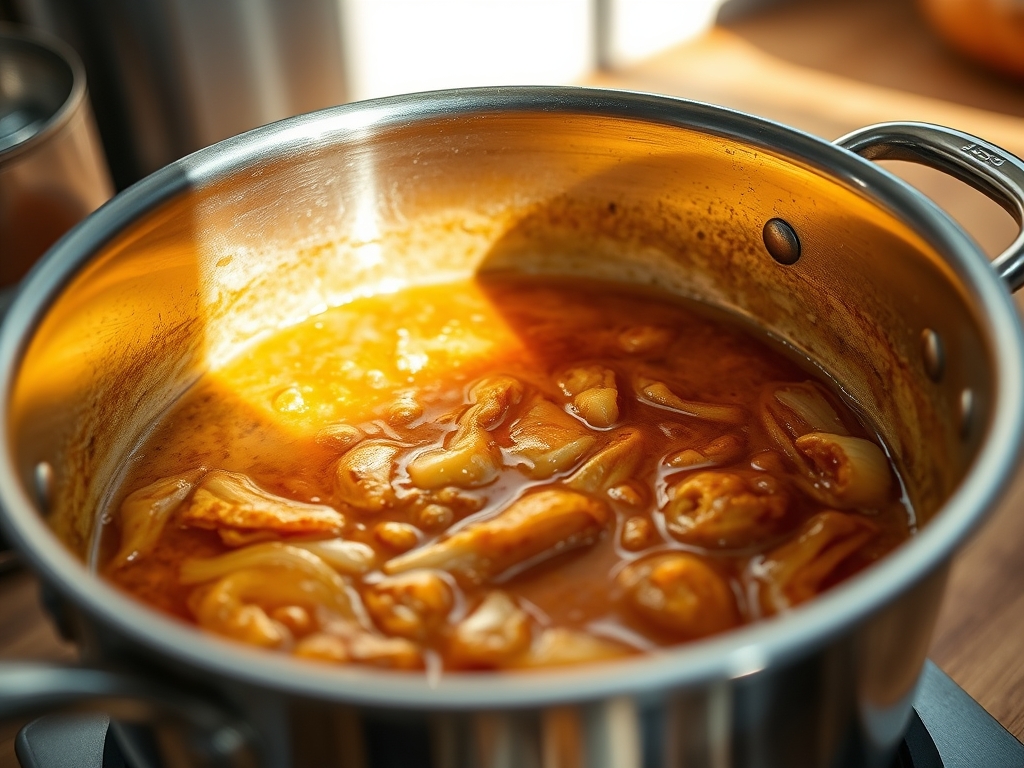
Once the garlic is fragrant, add the crushed tomatoes. Increase the heat to medium and simmer. As the pasta reaches "two minutes before al dente," use a measuring cup to harvest the starchy pasta water. This liquid is a suspension of amylose and amylopectin, the secret agents of Rotini Sauce Retention.
Pro Tip: Using a saucier instead of a flat skillet allows for better mechanical whisking. The curved walls help you aerate the sauce as you whisk in the pasta water, creating a stable emulsion that won't break when it hits the plate.
4. The Marriage of Helix and Sauce
Transfer the undercooked rotini directly into the sauce using a spider strainer. Do not rinse the pasta. Add the reserved pasta water in 30ml increments while tossing vigorously. The friction of the pasta against the pan, combined with the starch water, creates a creamy, viscous coating.
Pro Tip: This is "Mantura," the Italian technique of finishing pasta in the sauce. The rotini acts like a vacuum, pulling the sauce into its internal spirals as it finishes its final hydration cycle.
5. Final Structural Reinforcement
Remove from heat and add the microplaned cheese and basil. Use a bench scraper to clean your board of any leftover herb remnants and fold them in. Toss one last time until the cheese is fully integrated and the sauce looks glossy, not wet.
Pro Tip: The cheese acts as a secondary emulsifier. The proteins in the Parmigiano Reggiano bind with the fats in the oil and the starches in the water to create a molecular "glue" that ensures 100% retention.
Section B: Prep & Timing Fault-Lines:
The most common human error is the "Draining Delay." If pasta sits in a colander for even sixty seconds, the surface starches begin to cool and set, turning the rotini into a sticky, impenetrable mass. You must move the pasta directly from the water to the sauce. If your sauce is not ready when the pasta is, turn off the heat under the pasta and add a splash of cold water to stop the cooking process; never drain it until the sauce is bubbling and ready for the merger.
THE VISUAL SPECTRUM
Section C: Thermal & Visual Troubleshooting:
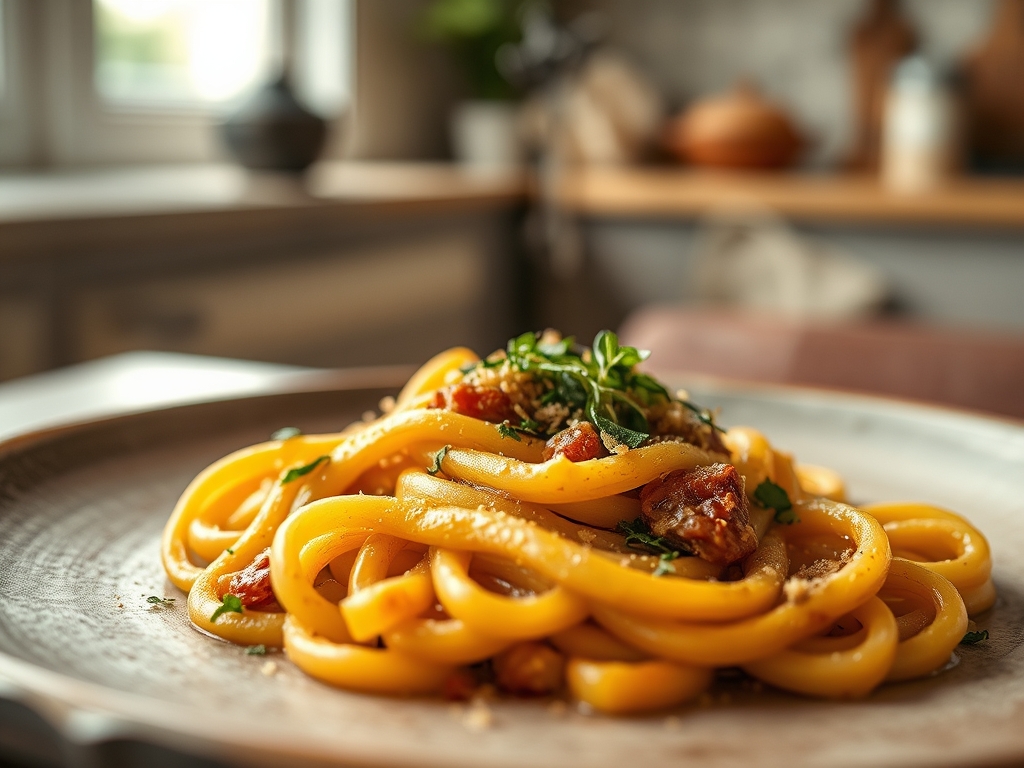
Look closely at the Masterclass photo. You should see a vibrant, deep red hue, not a pale orange. If your sauce looks dull, you likely under-cooked the tomatoes or failed to deglaze the pan properly. If the sauce appears "broken" (oil separating from the solids), your heat was too high during the final stage. To fix a broken sauce, add one tablespoon of boiling pasta water and whisk violently to re-emulsify. The rotini should appear "clothed" in sauce, with the red liquid filling the valleys of the spirals while the ridges remain slightly visible. If the pasta is drowning, you have too much liquid; if it looks dry, you have insufficient starch water.
THE DEEP DIVE
Macro Nutrition Profile:
A standard serving (approx. 150g cooked) provides 380 calories, 12g of protein, 55g of carbohydrates, and 14g of healthy fats. The use of high-quality olive oil provides monounsaturated fats that are heart-healthy, while the lycopene in the San Marzano tomatoes is a powerful antioxidant that becomes more bioavailable when heated with fat.
Dietary Swaps:
- Vegan: Replace Parmigiano Reggiano with nutritional yeast or a toasted breadcrumb (mollica) topping for texture.
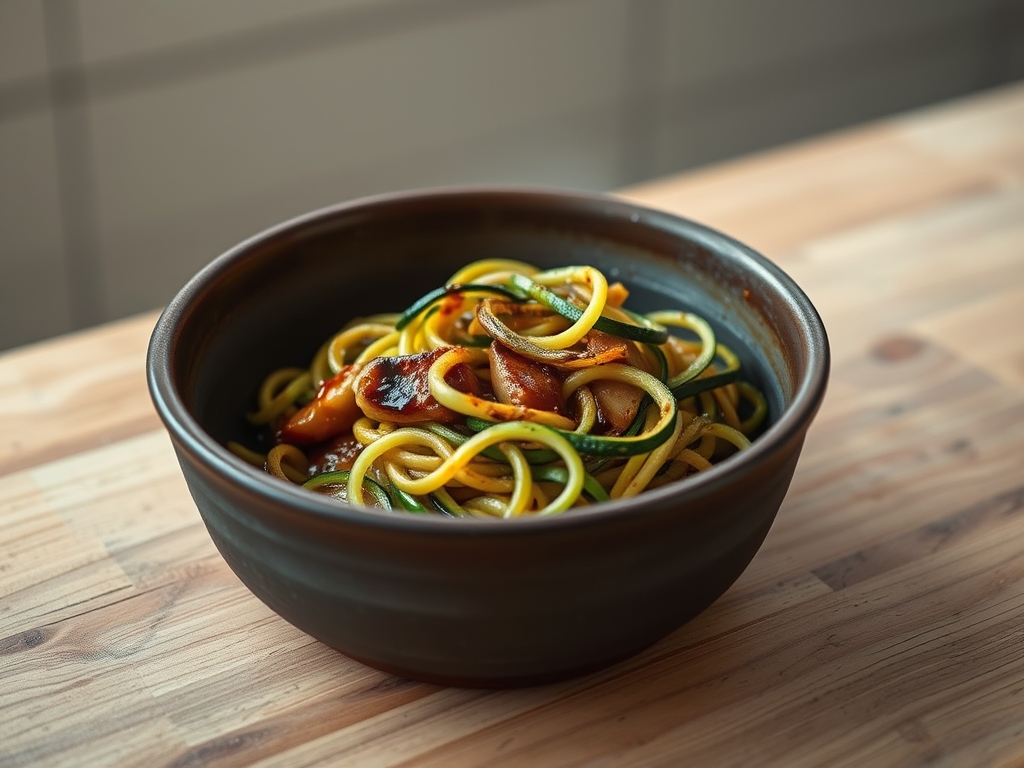
- Keto: This specific audit is carbohydrate-centric; however, palmini or zoodles can be used, though their Rotini Sauce Retention is significantly lower due to the lack of surface starch.
- Gluten-Free: Use a high-quality brown rice or chickpea rotini. Note that GF pasta releases more starch; you may need less pasta water to achieve the desired viscosity.
Meal Prep & Reheating Science:
To maintain molecular structure during reheating, store the sauce and pasta together. As they sit, the pasta will continue to absorb moisture. When reheating, add 15ml of water or broth to "unlock" the starch bonds. Microwave on medium power to avoid "breaking" the fat emulsion, or better yet, reheat in a small saucepan over low heat to re-aerate the sauce.
THE KITCHEN TABLE
Why is my sauce always at the bottom of the bowl?
You likely used Teflon-cut pasta or rinsed your noodles. Rinsing removes the "velcro" starch needed for retention. Always finish the pasta in the sauce with a splash of starchy water to bind the two together.
Can I use pre-grated cheese for this?
Absolutely not. Pre-grated cheese is coated in cellulose (wood pulp) to prevent clumping. This anti-caking agent destroys the smooth texture of your emulsion, resulting in a grainy, unappealing sauce that fails the audit.
What is the "Liquid Gold" exactly?
It is the cloudy water left behind after boiling pasta. It is packed with salt and starch. It acts as a bridge between the watery tomato base and the fats in the oil, creating a creamy, unified sauce.
Why use a saucier instead of a frying pan?
The sloped sides of a saucier are designed for whisking and tossing. This shape promotes better evaporation and allows for more efficient mechanical emulsification, ensuring every rotini spiral is perfectly coated from every angle.