Listen up, kitchen architects. We are not merely boiling dough; we are conducting a high-stakes Fusilli Pasta Audit to ensure maximum sauce retention and structural integrity. Most home cooks treat pasta like a side dish, but we treat it like a hydraulic system. The spiral geometry of fusilli is a masterpiece of culinary engineering designed specifically for the capture and transport of viscous emulsions from the plate to your palate. If your sauce is sliding off the noodle and pooling at the bottom of the bowl like a failed civil engineering project, you have failed the audit. We are looking for the perfect marriage of starch and fat. We want a piquant coating that clings to every helical groove with the tenacity of a luxury sedan on a hairpin turn. Today, we optimize. We are going to render fats, infuse aromatics, and deglaze with precision. Prepare your workstations. We are moving from amateur hour to infrastructure excellence.
THE DATA MATRIX
| Metric | Specification |
|---|---|
| Prep Time | 15 Minutes |
| Execution Time | 20 Minutes |
| Yield | 4 Servings |
| Complexity (1-10) | 4 |
| Estimated Cost per Serving | $3.50 USD |
THE GATHERS
Ingredient Protocol:
- 450g / 1 lb High-protein dried Fusilli (Bronze-die cut)
- 115g / 4 oz Guanciale or thick-cut Pancetta
- 400g / 14 oz San Marzano crushed tomatoes
- 60ml / 0.25 cup Extra virgin olive oil
- 4 cloves Fresh garlic, microplaned
- 5g / 1 tsp Red chili flakes
- 50g / 0.5 cup Pecorino Romano, finely grated
- 15g / 1 tbsp Kosher salt (for pasta water)
- 5g / 1 tsp Black pepper, freshly cracked
Section A: Ingredient Quality Audit:
Sub-par raw materials are the primary cause of structural failure. If your pasta has a smooth, shiny surface, it was made with Teflon dies; reject it. You require bronze-die cut pasta, which possesses a sandpaper-like micro-texture designed to grip sauce. If your guanciale smells excessively funky rather than cured and sweet, the fat has oxidized. Fix this by trimming the outer yellowed rind before dicing. If your canned tomatoes are overly acidic, do not dump in white sugar. Instead, add a pinch of baking soda to neutralize the pH or allow for a longer simmer to develop the natural sugars through caramelization.
THE MASTERCLASS
1. Hydration and Salinity Calibration
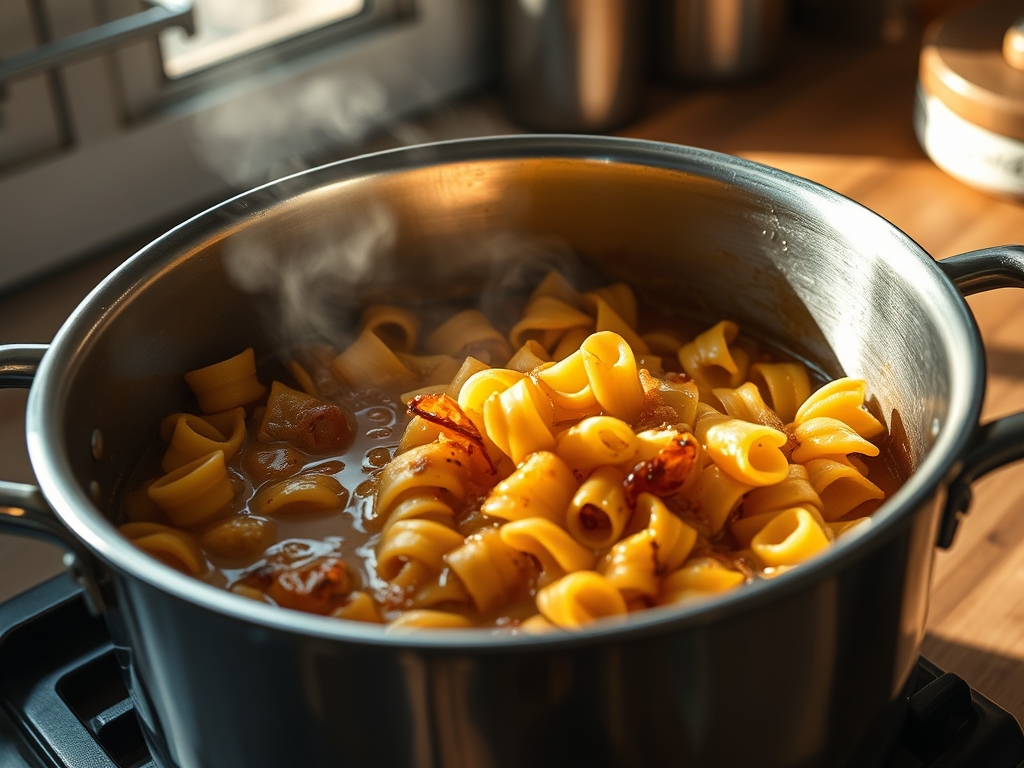
Bring 4 liters / 1 gallon of water to a rolling boil in a heavy-bottomed stockpot. Calibrate your salinity using a digital scale to ensure a 1 percent solution. Add the fusilli and set a timer for two minutes less than the package instructions.
Pro Tip: The science of osmosis dictates that pasta seasoned from within has a superior flavor profile. Use a digital scale to ensure your water tastes like the sea; this is the only chance you have to season the core of the starch.
2. Fat Rendering and Aromatics
While the pasta hydrates, place your diced guanciale into a cold saucier. Turn the heat to medium-low to slowly render the fat without scorching the proteins. Once the meat is crispy and golden, remove the solids with a slotted spoon, leaving the liquid gold behind.
Pro Tip: Starting in a cold pan allows the cellular walls of the fat to break down slowly. This ensures a higher yield of liquid fat which will later act as the primary emulsifier for your sauce.
3. The Infusion Phase
Add the microplaned garlic and chili flakes to the rendered fat. Sauté for exactly 45 seconds until the oil becomes fragrant and piquant. Immediately deglaze the pan with the crushed tomatoes to stop the garlic from browning and turning bitter.
Pro Tip: Garlic contains volatile oils that dissipate quickly. Using a microplane increases the surface area, allowing the flavor to infuse into the fat almost instantly. Keep your saucier at a controlled simmer.
4. Emulsion Engineering
Two minutes before the pasta reaches al dente, use a spider strainer to transfer the fusilli directly into the saucier. Do not drain the water. Add 120ml / 0.5 cup of the starchy pasta water to the pan. Increase heat to high and toss vigorously.
Pro Tip: This is the "mantecatura" phase. The starches leached into the water act as a bridge between the watery tomato base and the rendered fats, creating a glossy, viscous emulsion that fills the helical grooves.
5. Final Consolidation
Remove from heat and shower the pasta with Pecorino Romano and the reserved crispy guanciale. Continue to toss until the cheese melts into the sauce rather than clumping. The residual heat is sufficient; direct flame will cause the cheese proteins to tighten and separate.
Pro Tip: Using a bench scraper to clean your board of any leftover cheese dust ensures zero waste. The final toss aerates the sauce, giving it a lighter, more luxurious mouthfeel.
Section B: Prep & Timing Fault-Lines:
The most common human error is the "Drain and Wait" syndrome. If you drain your pasta and let it sit in a colander, the surface starches will cool and glue the noodles together, destroying the helical integrity. You must move the pasta directly from the water to the sauce. If your sauce is too thick, your timing was likely too slow, causing excessive evaporation. Fix this by whisking in small increments of pasta water until the desired viscosity is restored.
THE VISUAL SPECTRUM
Section C: Thermal & Visual Troubleshooting:
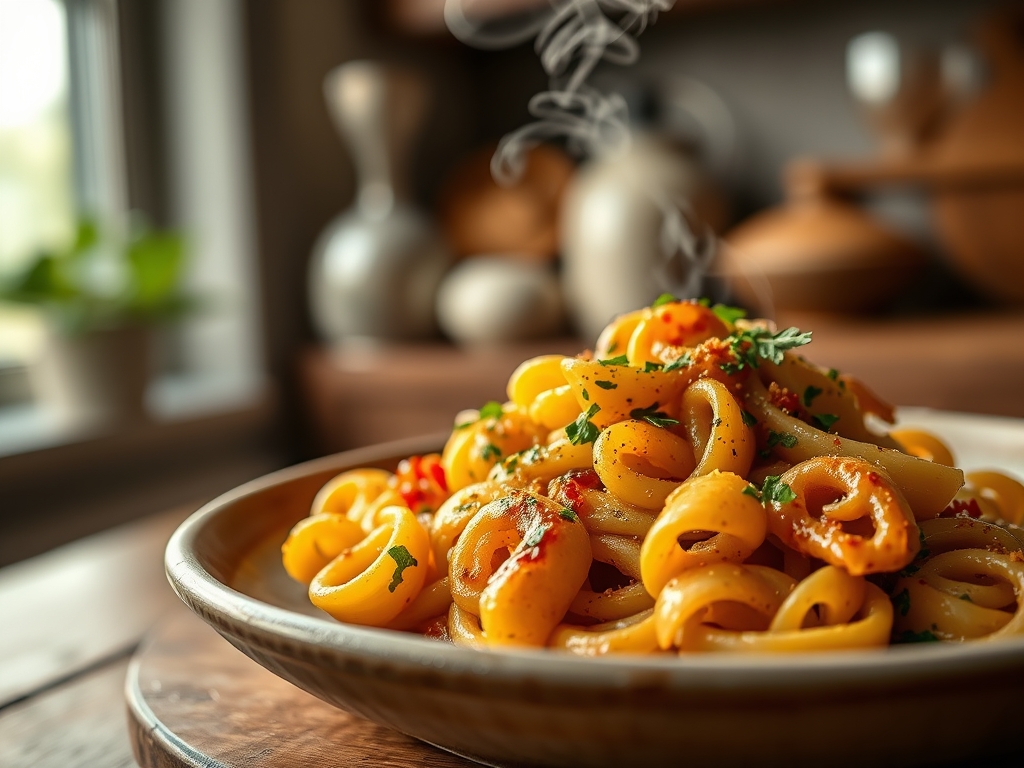
Examine the Masterclass photo above. Notice the "sheen" on the spirals; this indicates a successful emulsion. If your dish looks matte or dry, you lacked sufficient pasta water or fat. If the red color is dull or brownish, you over-reduced the tomatoes; next time, shorten the simmer. The guanciale should appear as distinct, mahogany-colored jewels. If they are pale, you failed to render long enough. If they are black, your thermal management was too aggressive. The cheese should be invisible, fully integrated into the sauce rather than sitting on top like a blanket of snow.
THE DEEP DIVE
Macro Nutrition Profile:
A standard serving provides approximately 550 calories. This includes 22g of fat (primarily from the guanciale and olive oil), 65g of carbohydrates, and 18g of protein. The high-protein durum wheat provides a lower glycemic index than standard white flour, offering sustained energy release.
Dietary Swaps:
- Vegan: Replace guanciale with smoked sun-dried tomatoes and use nutritional yeast or a cashew-based parmesan alternative to maintain the savory "umami" profile.
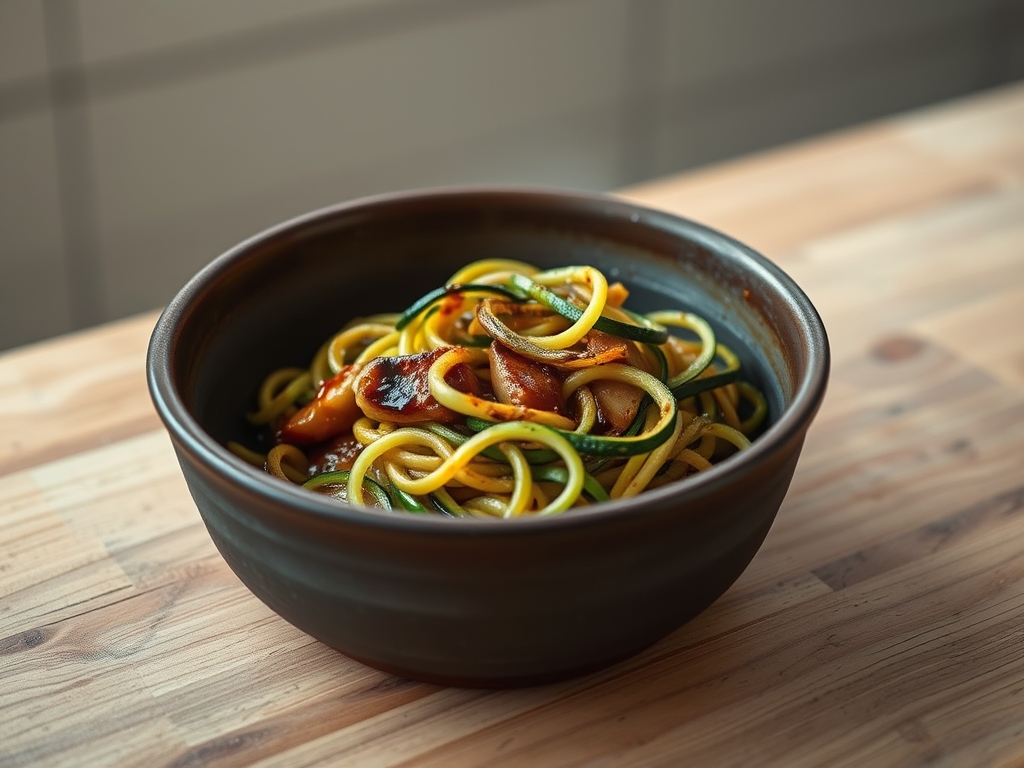
- Keto: Swap fusilli for roasted cauliflower florets or zoodles. Note that the sauce will not cling as effectively to vegetable surfaces.
- Gluten-Free: Use brown rice or corn-based fusilli. Be cautious, as GF pasta releases more starch; you may need less pasta water to achieve the same viscosity.
Meal Prep & Reheating Science:
To maintain molecular structure during reheating, add a splash of water before microwaving or pan-heating. This restores the hydration of the starch molecules which undergo retrogradation (crystallization) when cooled. Avoid high heat during reheating to prevent the emulsion from breaking into an oily mess.
THE KITCHEN TABLE
Why is my sauce watery?
You likely skipped the "mantecatura" phase. You must toss the pasta in the sauce with starchy water over high heat to bind the fats and liquids. Without this mechanical agitation, the sauce remains a broken suspension.
Can I use pre-grated cheese?
Negative. Pre-grated cheese is coated in cellulose or potato starch to prevent clumping in the bag. This anti-caking agent will prevent the cheese from melting smoothly into your sauce, resulting in a gritty, grainy texture.
What if I don't have guanciale?
Use high-quality pancetta or thick-cut unsmoked bacon. The goal is the rendered fat. While the flavor profile will shift from funky to smoky, the structural physics of the sauce remain the same.
Does the pasta shape really matter?
Absolutely. The "Fusilli Pasta Audit" focuses on the screw-like shape because it creates a high surface-area-to-volume ratio. This allows the sauce to be trapped within the spirals, ensuring a consistent flavor-to-starch ratio in every bite.