The air in a high-performance kitchen does not just carry scent; it carries a kinetic signature of yeast activity and sulfurous aromatics. When you approach the production of Twisted Garlic Knots, you are not merely baking bread. You are engineering a structural masterpiece of gluten tension and lipid infusion. Imagine the sensory overload as the oven door cracks open. A wave of piquant garlic, rendered in clarified butter, hits your olfactory receptors with the force of a freight train. The exterior crust should possess a shattered-glass crunch that yields to a cloud-like, aerated interior. This is the gold standard of piquant dough twists. We are looking for a specific structural integrity where the knot holds its shape against the internal steam pressure, creating a cavernous crumb ready to soak up every drop of herb-flecked oil. If your current output lacks that aggressive, golden-brown sheen or the elastic pull of a perfectly hydrated dough, your infrastructure is failing. It is time to audit your process and recalibrate for total culinary dominance.
THE DATA MATRIX
| Metric | Specification |
|---|---|
| Prep Time | 25 Minutes (Excluding Proofing) |
| Execution Time | 15 Minutes |
| Yield | 12 to 14 Units |
| Complexity (1-10) | 6 (Requires manual dexterity) |
| Estimated Cost per Serving | $0.45 USD |
THE GATHERS
Ingredient Protocol:
- Bread Flour: 500g / 4 cups (High protein content is non-negotiable).
- Warm Water: 325ml / 1.3 cups (Target temperature: 105F to 110F).
- Active Dry Yeast: 7g / 2.25 tsp (Ensure viability via bloom).
- Granulated Sugar: 15g / 1.2 tbsp (To fuel fermentation).
- Fine Sea Salt: 10g / 2 tsp (To regulate yeast and strengthen gluten).
- Unsalted Butter: 115g / 0.5 cups (High-fat European style preferred).
- Fresh Garlic: 30g / 6 cloves (Microplaned for maximum surface area).
- Fresh Parsley: 15g / 0.25 cups (Finely minced).
- Parmigiano-Reggiano: 40g / 0.5 cups (Finely grated).
Section A: Ingredient Quality Audit:
If your flour feels gritty or fails to hold a "ball" shape when squeezed, your protein content is likely too low for the structural demands of Twisted Garlic Knots. Switch to a brand with at least 12.7 percent protein to ensure the dough can withstand the mechanical stress of twisting. If your yeast fails to foam within five minutes of hydration, the culture is dead. Do not proceed; discard and restart with fresh stock. For the garlic, avoid pre-minced varieties stored in citric acid. These are chemically dull and lack the volatile oils necessary for a truly piquant profile. Use fresh bulbs that feel heavy for their size and show no green sprouting.
THE MASTERCLASS
1. Hydration and Initial Autolyse
Combine the warm water, sugar, and yeast in the bowl of a stand mixer. Let it sit until a viscous foam appears. Add the flour and salt, mixing on low speed until a shaggy mass forms. Let this rest for ten minutes.
Pro Tip: This resting period allows the flour to fully hydrate before mechanical kneading begins. Use a digital scale for these measurements; volumetric cups are notoriously inaccurate and can throw off your hydration ratios by up to fifteen percent.
2. Mechanical Kneading and Gluten Development
Attach the dough hook and knead on medium speed for eight minutes. The dough should transition from a sticky paste to a smooth, elastic membrane that clears the sides of the bowl.
Pro Tip: Perform the "windowpane test" by stretching a small piece of dough. If it tears before becoming translucent, continue kneading. A bench scraper is essential here to manage the dough without adding excess flour, which would toughen the final product.
3. Primary Fermentation
Place the dough in a lightly oiled bowl and cover with a damp cloth. Allow it to rise in a draft-free environment until it has doubled in volume. This usually requires sixty to ninety minutes depending on ambient temperature.
Pro Tip: Use a proofer or a turned-off oven with the light on to maintain a consistent 75F. This ensures the yeast produces carbon dioxide at a steady rate, creating the desired aerated internal structure.
4. Precision Shaping and Knotting
Degas the dough and divide it into 50g portions using your digital scale. Roll each portion into a ten-inch rope. Tie the rope into a standard overhand knot, tucking the ends underneath to secure the "twisted" architecture.
Pro Tip: If the dough snaps back while rolling, the gluten is too tense. Let the ropes rest for five minutes to relax before the final stretch. This prevents the knots from deforming or tightening too much during the bake.
5. Lipid Infusion and Thermal Execution
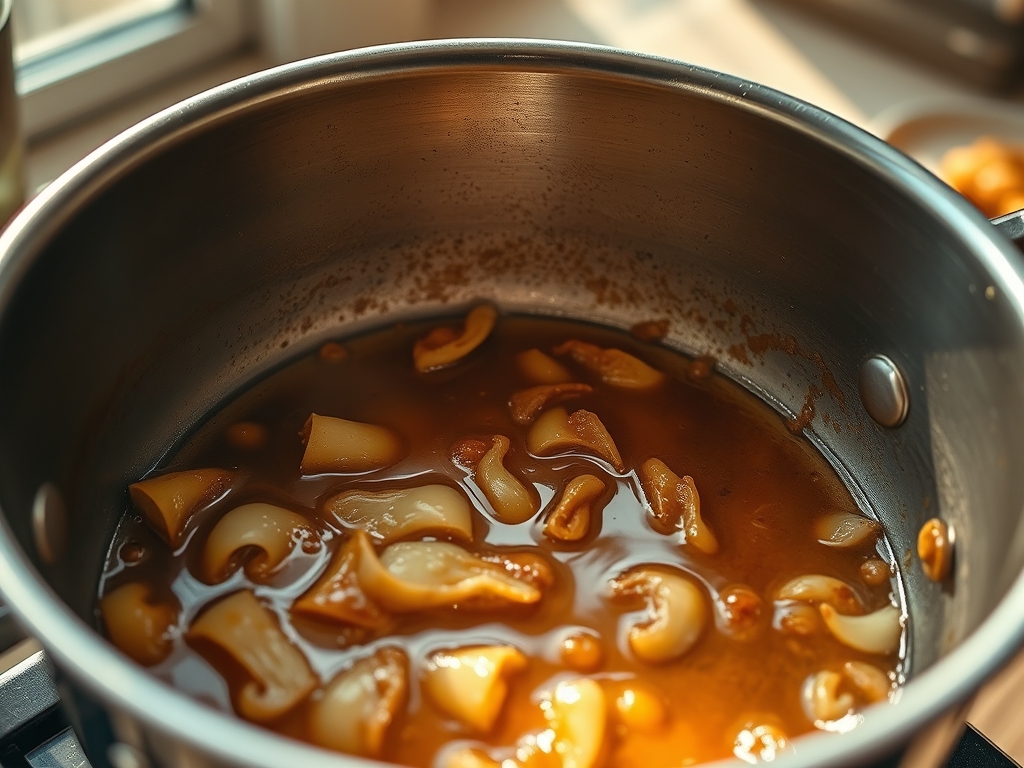
While the knots undergo a second thirty-minute proof, melt the butter in a saucier over low heat. Add the microplaned garlic and infuse for three minutes without browning. Bake the knots at 400F for twelve to fifteen minutes. Immediately upon removal, toss them in a bowl with the garlic butter, parsley, and cheese.
Pro Tip: The saucier's rounded bottom prevents garlic bits from scorching in the corners. Applying the lipid wash while the knots are screaming hot creates a vacuum effect, pulling the flavored fats deep into the crust.
Section B: Prep & Timing Fault-Lines:
The most common failure in the timeline is the "rushed proof." If the dough does not double in size, the knots will be dense and leaden rather than light and airy. Conversely, over-proofing leads to structural collapse in the oven. Monitor the dough visually rather than relying solely on a clock. If your kitchen is cold, use a warm water bath to stabilize the bowl temperature.
THE VISUAL SPECTRUM
Section C: Thermal & Visual Troubleshooting:
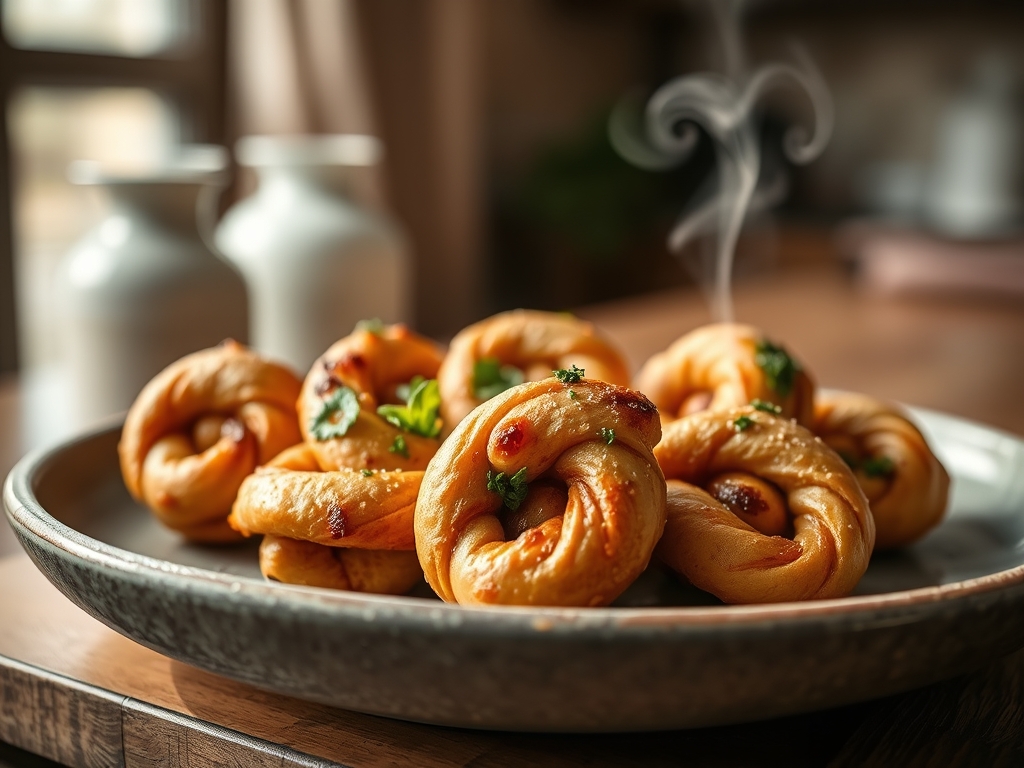
Examine the reference image above. Notice the high-contrast browning on the exterior ridges; this is the result of the Maillard reaction being accelerated by the high heat and sugar content. If your knots appear pale and "chalky," your oven temperature is likely calibrated too low. Use an independent oven thermometer to verify the internal heat. If the knots are greasy rather than glossy, the butter was applied when the bread was too cool, preventing absorption. The parsley must remain vibrant green; if it turns grey or brown, it was either over-cooked in the butter or applied to the knots too early in the baking process.
THE DEEP DIVE
Macro Nutrition Profile:
Each unit contains approximately 180 calories, with 24g of carbohydrates, 7g of fat, and 4g of protein. The high fat content comes primarily from the butter infusion, which provides the essential mouthfeel.
Dietary Swaps:
For a vegan conversion, replace the butter with a high-quality olive oil or avocado oil and use nutritional yeast instead of Parmigiano-Reggiano. For gluten-free requirements, use a 1-to-1 baking blend with added xanthan gum, though the "twist" elasticity will be significantly reduced.
Meal Prep & Reheating Science:
To maintain the molecular structure when reheating, avoid the microwave at all costs; it agitates water molecules and turns the bread rubbery. Instead, wrap the knots in foil and heat in a 350F oven for seven minutes. This gently redistributes the lipids without dehydrating the crumb.
THE KITCHEN TABLE
Why are my knots tough and chewy?
You likely over-worked the dough or used too much flour during the shaping process. Excess flour increases the density, while over-kneading creates a gluten network that is too tight for the steam to expand properly.
Can I make the dough in advance?
Absolutely. A cold ferment in the refrigerator for twenty-four hours actually improves the flavor profile. The yeast works slowly, producing complex esters that result in a more sophisticated, sourdough-like tang.
Why did my garlic turn blue or green?
This is a chemical reaction between the sulfur compounds in the garlic and trace minerals in the water or the acidity of the dough. It is harmless but visually unappealing. Using filtered water usually solves this.
My knots unraveled in the oven. What happened?
The "tails" of the knot were not tucked tightly enough or the dough was too dry to fuse to itself. Ensure a firm tuck and, if necessary, use a drop of water as "glue."