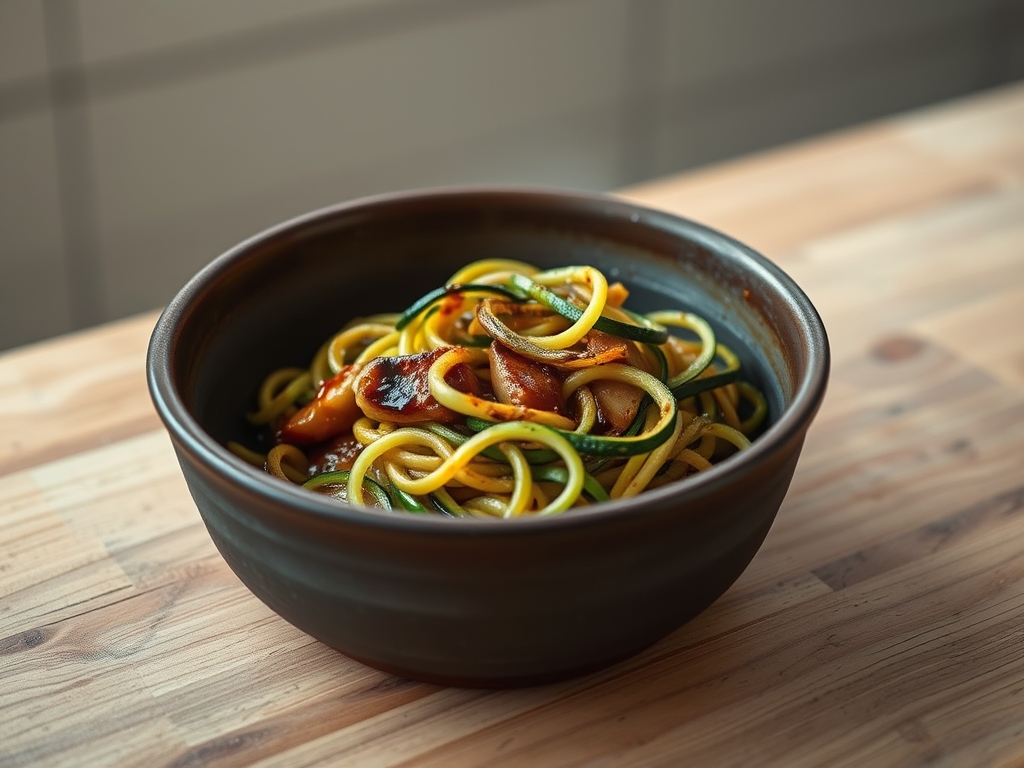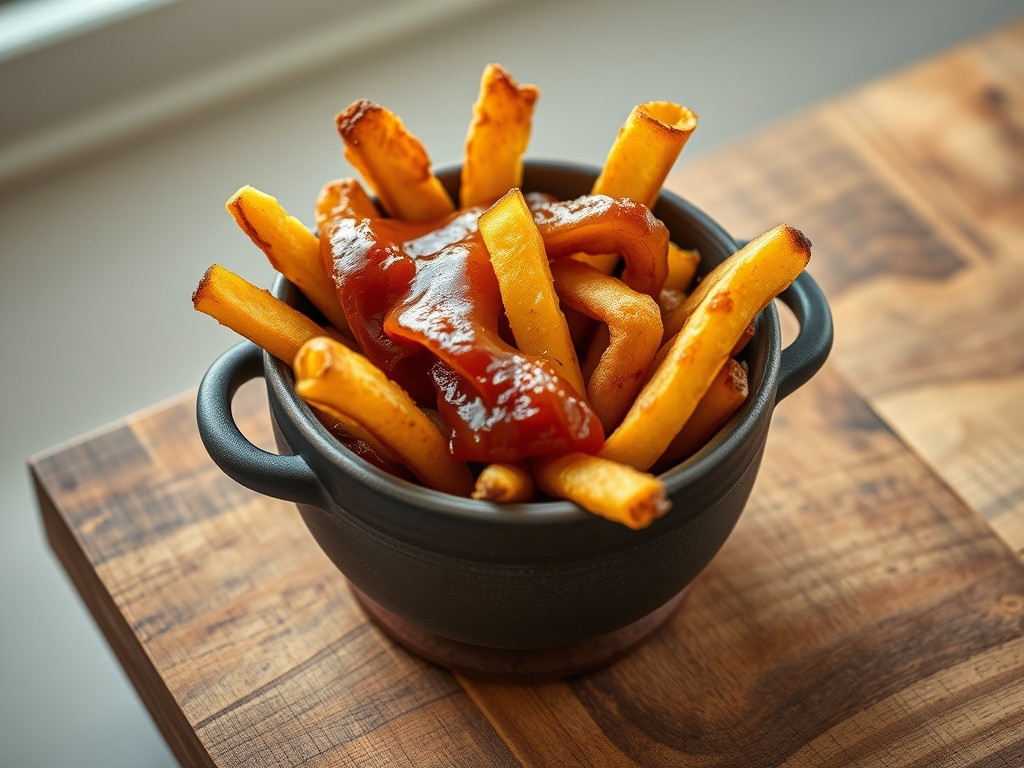
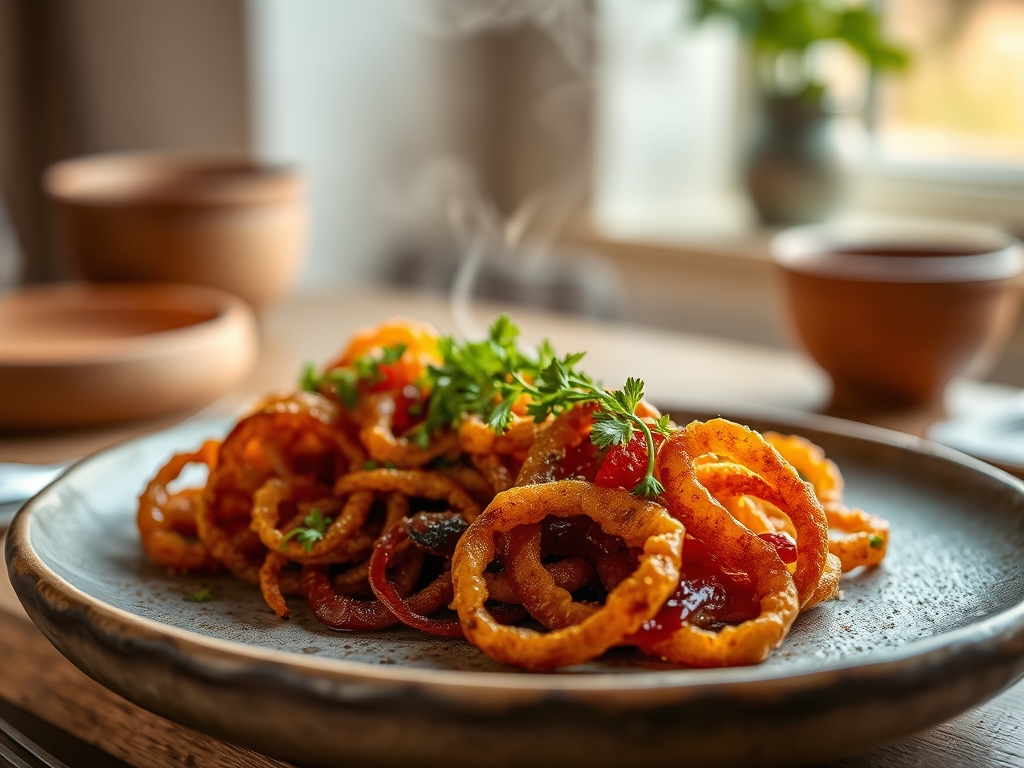
The kitchen is not a sanctuary; it is a high-pressure laboratory where physics meets flavor in a violent collision. Today, we are dismantling the myth of the humble root and replacing it with the structural integrity of Curly Ginger Strands. When you spiralize ginger, you are not just changing its shape. You are maximizing the surface area to volume ratio, effectively turning the rhizome into a high-efficiency radiator for volatile oils. As the blade shears through the fibrous cellulose, it ruptures the internal cells, releasing a piquant cloud of gingerol and shogaol that permeates the air. This is the infrastructure of infusion. We are looking for that perfect balance of heat and sweetness, a viscous liquid gold that clings to every curve of those golden ribbons. If you are still dicing your ginger, you are living in the culinary dark ages. We demand precision. We demand texture. We demand a sensory overload that begins with the sharp snap of fresh aromatics and ends with a deep, warming glow in the back of the throat.
THE DATA MATRIX
| Metric | Specification |
|---|---|
| Prep Time | 15 Minutes |
| Execution Time | 25 Minutes |
| Yield | 500ml Infusion / 4 Servings |
| Complexity (1-10) | 7 |
| Estimated Cost per Serving | $2.45 |
THE GATHERS
Ingredient Protocol:
- 300g / 2 cups Fresh Young Ginger (peeled and spiralized into Curly Ginger Strands)
- 500ml / 2 cups Neutral High-Smoke Point Oil (Grapeseed or Avocado)
- 120ml / 0.5 cup Raw Local Honey
- 15ml / 1 tbsp Toasted Sesame Oil
- 5g / 1 tsp Sea Salt (Fine Grain)
- 2 Star Anise Pods (Whole)
Section A: Ingredient Quality Audit:
The primary failure point in this infrastructure is the raw material. If your ginger is woody or shriveled, the Curly Ginger Strands will snap during the spiralizing process, leading to uneven infusion and a gritty mouthfeel.
Technical Fix: Ensure your ginger is "young" ginger with thin, translucent skin. If you are forced to use mature, fibrous ginger, soak the peeled rhizomes in ice water for thirty minutes before spiralizing. This hydrates the cellular walls, providing the turgor pressure necessary to maintain the "curl" without shattering. Furthermore, if your honey has crystallized, do not microwave it. Gently warm the jar in a 40C water bath to liquefy the sugars without denaturing the delicate enzymes that contribute to the final flavor profile.
THE MASTERCLASS
1. Architectural Spiralization
Utilize a professional-grade spiralizer with a 3mm blade attachment to process the ginger into long, continuous Curly Ginger Strands. Place the strands on a clean kitchen towel and pat dry to remove excess surface moisture.
Pro Tip: Moisture is the enemy of a clean infusion. By using a bench scraper to move the strands without bruising them, you preserve the structural integrity of the ginger. Removing surface water prevents the oil from "spitting" and ensures the temperature remains stable during the initial heat phase.
2. The Cold Start Infusion
Place the Curly Ginger Strands and the star anise into a heavy-bottomed saucier. Pour the neutral oil over the ginger while the pan is still cold. Set the heat to medium-low.
Pro Tip: Starting with a cold oil allows the temperature to rise gradually, which helps to render the volatile oils out of the ginger fibers without scorching the delicate sugars. Use a digital scale to ensure your oil-to-ginger ratio is exact; precision here dictates the final viscosity of the infusion.
3. Thermal Agitation and Aeration
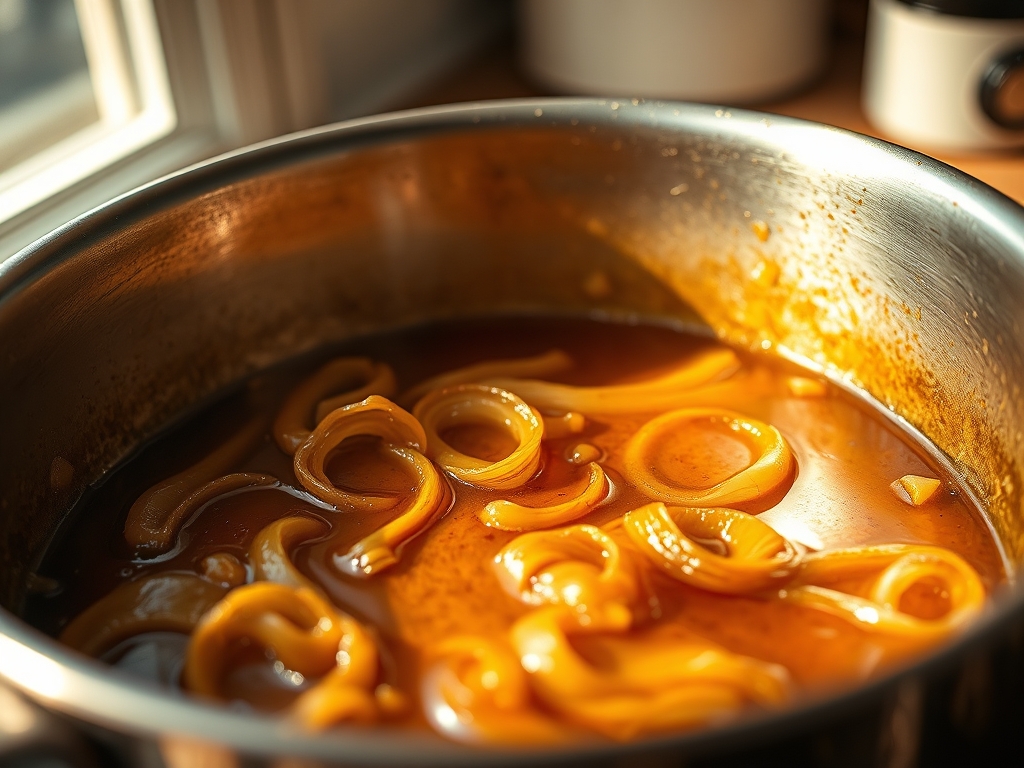
As the oil begins to shimmer, use a silicone spatula to gently aerate the mixture. You are looking for small, consistent bubbles forming around the ginger strands. Maintain a temperature between 105C and 115C.
Pro Tip: This is the "Maillard sweet spot." You are not deep-frying; you are dehydrating the strands while simultaneously pulling the flavor into the lipid base. If the oil begins to smoke, immediately remove the saucier from the heat to prevent the development of acrid, bitter compounds.
4. The Emulsification Phase
Once the ginger strands have turned a translucent golden brown, whisk in the honey and sea salt. Continue to stir for three minutes as the mixture thickens and becomes viscous.
Pro Tip: The honey acts as a stabilizer. By whisking vigorously, you create a temporary emulsion between the oil and the aqueous honey. This ensures that when the infusion cools, the flavors remain suspended rather than separating into distinct layers.
Section B: Prep & Timing Fault-Lines:
Timing is the difference between a masterpiece and a disaster. The most common error is "Thermal Overrun," where the residual heat of the saucier continues to cook the ginger after the flame is extinguished.
Technical Fix: Always have a stainless steel bowl resting in an ice bath ready. If the Curly Ginger Strands transition from golden to dark brown too rapidly, pour the entire contents of the pan into the bowl to "shock" the temperature down. This halts the cooking process instantly and locks in the vibrant, spicy notes of the ginger.
THE VISUAL SPECTRUM
Section C: Thermal & Visual Troubleshooting:
Referencing the Masterclass photo, your Curly Ginger Strands should exhibit a uniform, honey-gold hue with a slight "spring" in their physical structure.
- Issue: Dull, Grey Strands. This indicates oxidation. You likely waited too long between spiralizing and infusing. Fix: Spiralize directly into the oil or keep strands submerged in water until the moment of cooking.
- Issue: Uneven Browning. This is a sign of poor heat distribution. Fix: Switch to a copper-core or heavy cast-iron saucier to eliminate hot spots.
- Issue: Cloudiness. This suggests water content was too high. Fix: Increase the heat slightly at the end of the process to "cook out" any remaining moisture, but do not exceed 125C.
THE DEEP DIVE
Macro Nutrition Profile:
Per serving (approx 125ml), this infusion contains 420 calories, primarily derived from healthy fats (45g). The ginger provides significant gingerol content, which acts as a potent anti-inflammatory agent. Carbohydrates (18g) are sourced from the honey, providing a quick-release energy source.
Dietary Swaps:
- Vegan: Replace the raw honey with an equal volume of organic agave nectar or a reduced maple syrup.
- Keto: Eliminate the honey and use a monk fruit liquid sweetener; note that the viscosity will be significantly thinner.
- GF: This recipe is naturally gluten-free.
Meal Prep & Reheating Science:
To maintain the molecular structure, store the infusion in a sterilized glass Mason jar. The oil acts as a preservative, preventing bacterial growth. When reheating, avoid the microwave as it creates localized hot spots that can break the honey-oil emulsion. Instead, place the jar in a bowl of warm water until the lipids liquefy.
THE KITCHEN TABLE
How long do Curly Ginger Strands stay fresh?
When submerged in the oil infusion and refrigerated, they remain structurally sound and flavorful for up to three weeks. Ensure the jar is airtight to prevent the absorption of "fridge smells" into the fat.
Can I use a different oil?
Yes, but avoid extra virgin olive oil. Its low smoke point and strong flavor profile will clash with the ginger. Stick to neutral oils like sunflower, grapeseed, or refined avocado oil for the cleanest flavor extraction.
Why is my ginger chewy instead of crisp?
This is a temperature control issue. If the oil isn't hot enough, the ginger boils in its own juices rather than frying. Ensure you hit at least 105C to properly dehydrate the strands during the infusion.
Is peeling the ginger mandatory?
For this specific infrastructure, yes. The skin contains tannins that can turn bitter when heated in oil for extended periods. Peeling ensures the Curly Ginger Strands remain sweet, spicy, and visually stunning.