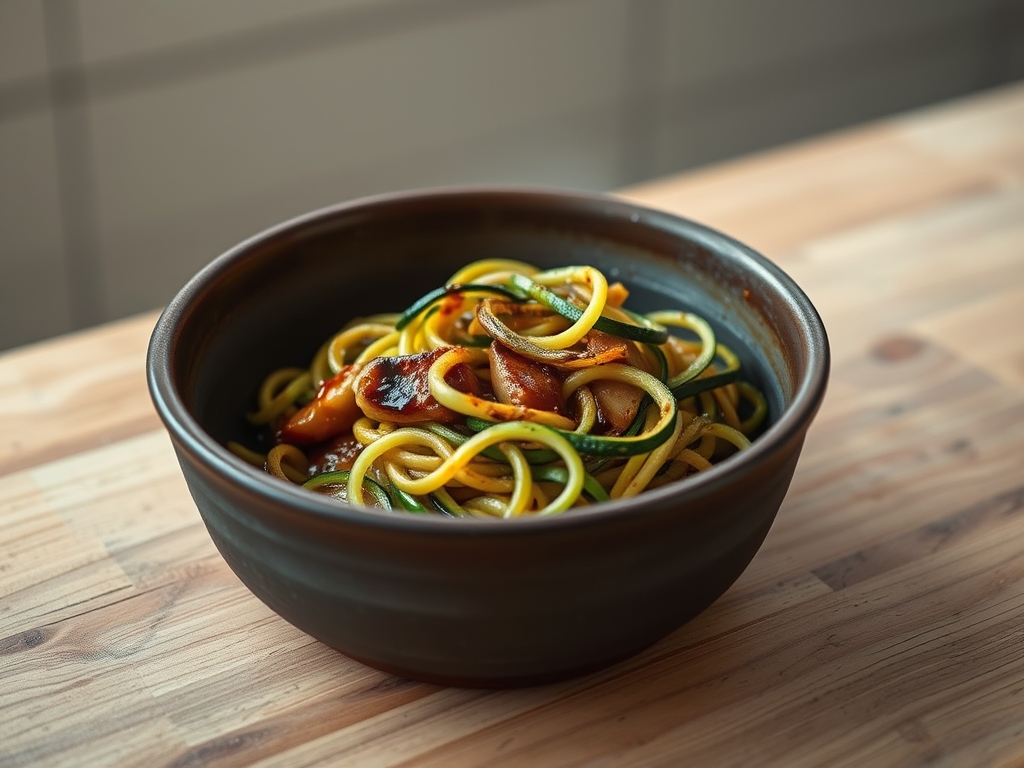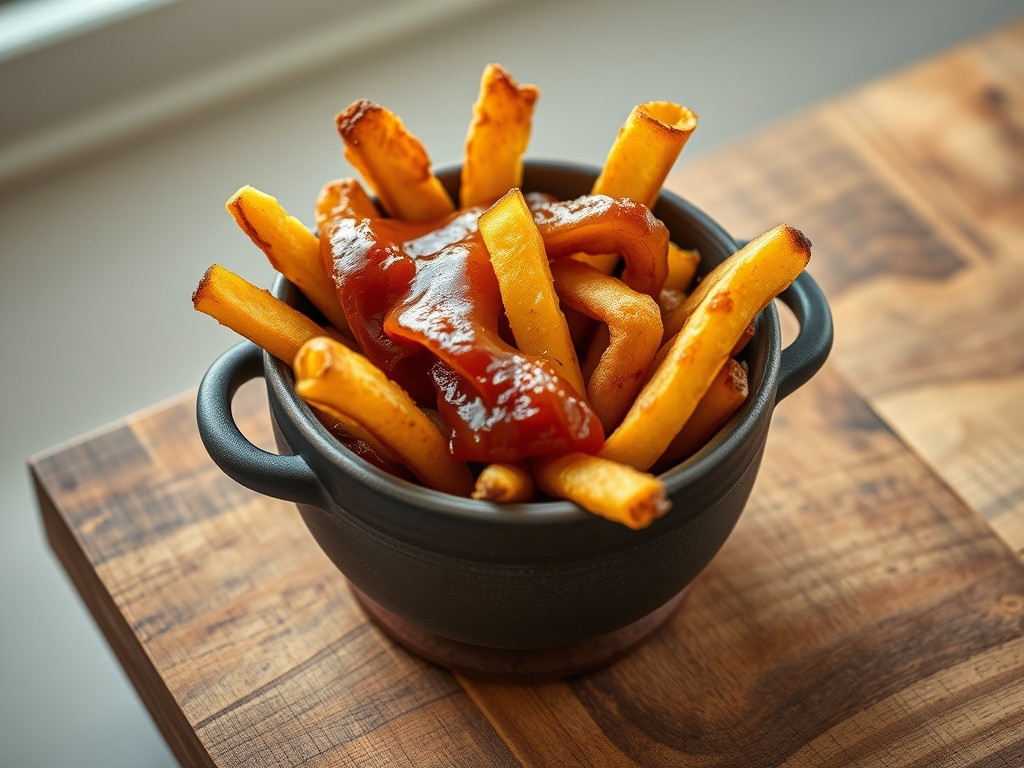
Imagine a root vegetable so dense it could double as a structural support beam for a mid-century bungalow. Now, imagine transforming that subterranean titan into delicate, golden ribbons that hold their shape better than any pasta ever could. This is the architectural reality of Spiralized Rutabaga. Forget the watery disappointment of zucchini noodles or the mushy surrender of overcooked squash. The rutabaga, or swede, is a marvel of cellulose and starch that demands respect and a heavy-duty blade. When you feed this purple-skinned behemoth into a spiralizer, you aren't just making dinner; you are performing a feat of culinary engineering. The air fills with a sharp, earthy aroma, a prelude to the sweetness that only high-heat caramelization can unlock. We are looking for a structural transformation where the rigid cell walls soften just enough to provide a toothsome bite, while the exterior undergoes a Maillard reaction that would make a steak jealous. It is time to stop treating vegetables like an afterthought and start treating them like the high-performance infrastructure they are.
THE DATA MATRIX
| Metric | Value |
|---|---|
| Prep Time | 15 Minutes |
| Execution Time | 12 Minutes |
| Yield | 4 Servings |
| Complexity (1-10) | 4 |
| Estimated Cost per Serving | $1.25 USD |
THE GATHERS
Ingredient Protocol:
- 2 large Rutabagas (approx. 1.2kg / 2.6 lbs)
- 45ml / 3 tbsp Extra Virgin Olive Oil
- 30g / 2 tbsp Unsalted Butter (High fat content preferred)
- 4 cloves Garlic, microplaned (approx. 20g)
- 5g / 1 tsp Red Pepper Flakes
- 10g / 2 tsp Kosher Salt
- 60ml / 1/4 cup Vegetable Stock or Dry White Wine
- 30g / 1/2 cup Freshly Grated Parmigiano-Reggiano
- 15ml / 1 tbsp Fresh Lemon Juice
Section A: Ingredient Quality Audit:
If your rutabaga feels light or hollow, it has likely lost its internal moisture, leading to a woody, fibrous texture that no amount of heat can fix. Always select specimens that feel heavy for their size. If the skin is excessively waxed, use a sharp vegetable peeler to remove every trace; wax is a thermal insulator that will prevent even browning. If your garlic has sprouted green "hearts," remove them immediately. Those sprouts contain sulfurous compounds that turn bitter when they infuse into the oil. For the best results, ensure your cheese is aged at least 24 months to provide the necessary salty punch to balance the rutabaga's inherent sweetness.
THE MASTERCLASS
1. Structural Deconstruction
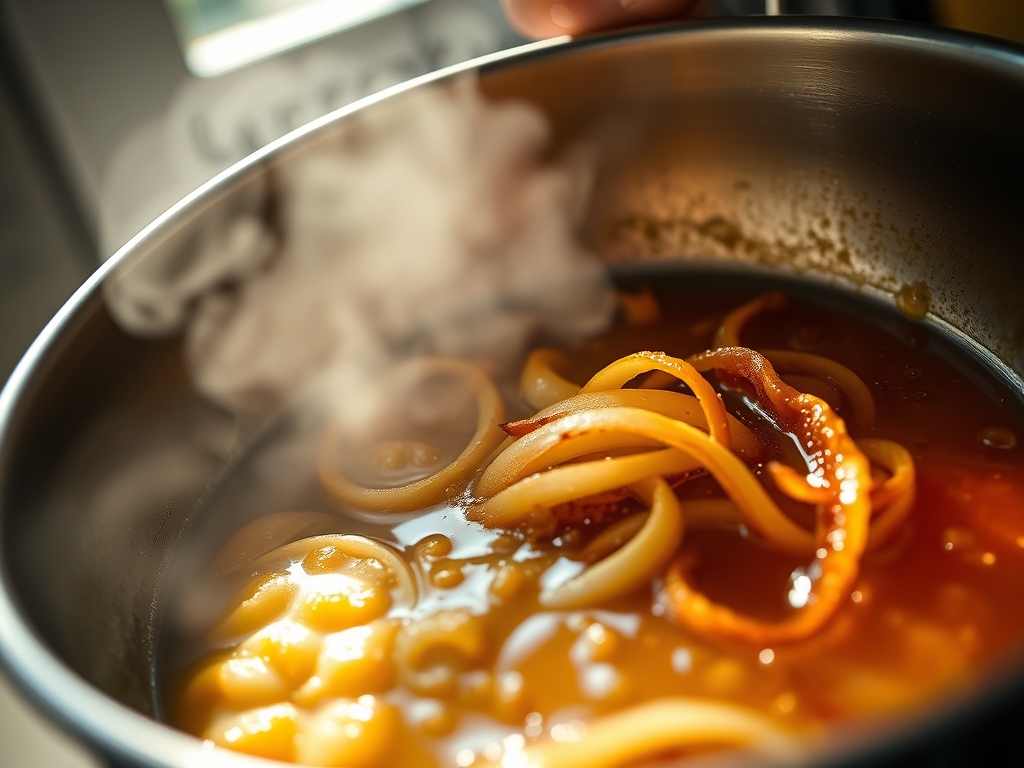
Begin by trimming the polar ends of the rutabaga to create flat, stable surfaces. Use a heavy-duty spiralizer with a medium-noodle blade. Apply consistent, firm pressure to ensure long, continuous strands. If the strands are too long, use a bench scraper or kitchen shears to cut them into manageable 10-inch lengths.
Pro Tip: Use a digital scale to ensure your yields are consistent. Rutabagas vary wildly in density; measuring by weight rather than "count" ensures your seasoning ratios remain precise and your pan isn't overcrowded.
2. Thermal Priming
Place a large stainless steel saucier or wide skillet over medium-high heat. Add the olive oil. Once the oil begins to shimmer (indicating it has reached the proper viscous state for coating), add the butter. Wait for the milk solids to foam and then subside.
Pro Tip: This dual-fat approach allows for the high smoke point of oil while utilizing the butter to render a nutty flavor profile. The foaming action is the evaporation of water; once it stops, you are ready for maximum heat transfer.
3. The Sauté Phase
Add the Spiralized Rutabaga to the pan. Do not crowd the infrastructure. Use tongs to toss the strands, ensuring every millimeter is coated in fat. Season immediately with salt to draw out internal moisture. Let the noodles sit undisturbed for 3 minutes to achieve deep golden browning.
Pro Tip: This is where the Maillard reaction occurs. If you move the noodles too early, you lose the chance to create those crispy, caramelized edges that provide the essential flavor contrast to the soft interior.
4. Aromatics and Deglazing
Push the noodles to the perimeter of the pan, creating a "hot zone" in the center. Add the garlic and red pepper flakes. Toast for 30 seconds until fragrant, then toss to combine. Pour in the vegetable stock or wine to deglaze the pan, scraping up any browned bits (fond) from the bottom.
Pro Tip: The liquid acts as a steam-injection system. It quickly softens the interior cellulose of the rutabaga while the acidity in the wine or stock brightens the overall flavor profile.
5. Emulsification and Finish
Turn off the heat. Sprinkle the Parmigiano-Reggiano over the noodles and add the lemon juice. Toss vigorously. The residual heat will melt the cheese into the remaining liquid, creating a viscous, silky sauce that clings to the spirals.
Pro Tip: Use a "flicking" motion with the pan to aerate the sauce as it forms. This creates a lighter mouthfeel and ensures the fat and liquid remain emulsified rather than separating into a greasy mess.
Section B: Prep & Timing Fault-Lines:
The most common failure in this protocol is "The Soggy Collapse." This happens when the pan temperature drops because too much cold vegetable was added at once. If your pan starts to "stew" in liquid rather than sear, remove half the noodles immediately and finish them in batches. Another timing error is adding garlic too early; garlic burns at a much lower temperature than rutabaga, and burnt garlic will ruin the entire batch with an acrid, metallic tang.
THE VISUAL SPECTRUM
Section C: Thermal & Visual Troubleshooting:
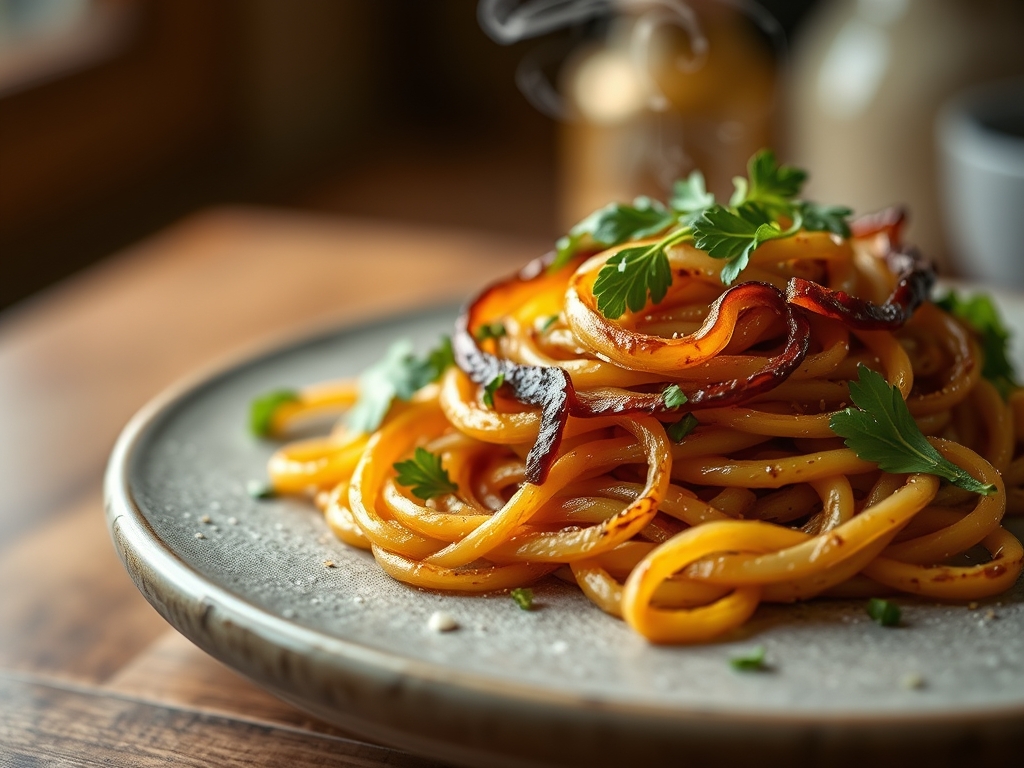
Referencing the Masterclass photo, your Spiralized Rutabaga should exhibit a vibrant, sunset-orange hue with distinct charred "freckles." If your dish looks pale and translucent, you have over-steamed it; increase the heat next time and reduce the liquid. If the noodles are breaking into small shards, your spiralizer blade is likely dull, or you didn't apply enough pressure during the "Deconstruction" phase. The final product should look like a tangled nest of golden wire, shimmering with a light coating of sauce that doesn't pool at the bottom of the plate. If the color is dull, a final splash of fresh lemon juice or a handful of chopped parsley can provide the necessary visual "pop."
THE DEEP DIVE
Macro Nutrition Profile:
Rutabaga is a nutritional powerhouse, offering a significant amount of Vitamin C and potassium with a fraction of the carbohydrates found in traditional pasta. A standard serving contains approximately 140 calories, 9g of net carbs, and 3g of fiber. It is a high-volume, low-density food, meaning you can eat a significant portion while maintaining a caloric deficit.
Dietary Swaps:
- Vegan: Replace the butter with a high-quality vegan block butter or additional olive oil. Substitute the parmesan with nutritional yeast or a cashew-based "parm" for that piquant kick.
- Keto: This dish is naturally keto-friendly. To increase the fat macros, add a splash of heavy cream during the emulsification step.
- GF: Naturally gluten-free. Ensure your vegetable stock is certified GF.
Meal Prep & Reheating Science:
Unlike grain-based pasta, rutabaga noodles hold their molecular structure remarkably well. To reheat, avoid the microwave, which can cause the cell walls to collapse and become mushy. Instead, flash-fry them in a hot skillet for 2 minutes with a teaspoon of water to re-hydrate the sauce. This preserves the "al dente" snap.
THE KITCHEN TABLE
Can I use a hand-peeler instead of a spiralizer?
You can, but the results will be "pappardelle" style ribbons. These require a shorter cooking time as they are thinner. The structural integrity remains the same, but the visual "spiral" effect will be lost.
Why is my rutabaga bitter?
Bitterness is often a result of using older, larger rutabagas that have begun to convert their sugars back into starch. Choosing medium-sized roots and ensuring you peel deeply enough to remove the thick skin usually solves this.
Can I make these noodles in advance?
Absolutely. You can spiralize the rutabaga up to 3 days in advance. Store them in an airtight container with a damp paper towel to maintain hydration. Do not cook them until you are ready to serve.
What proteins pair best with this?
The earthy sweetness of the rutabaga pairs exceptionally well with seared scallops, roasted chicken, or a spicy Italian sausage. The acidity of the lemon in the sauce cuts through fatty proteins perfectly.