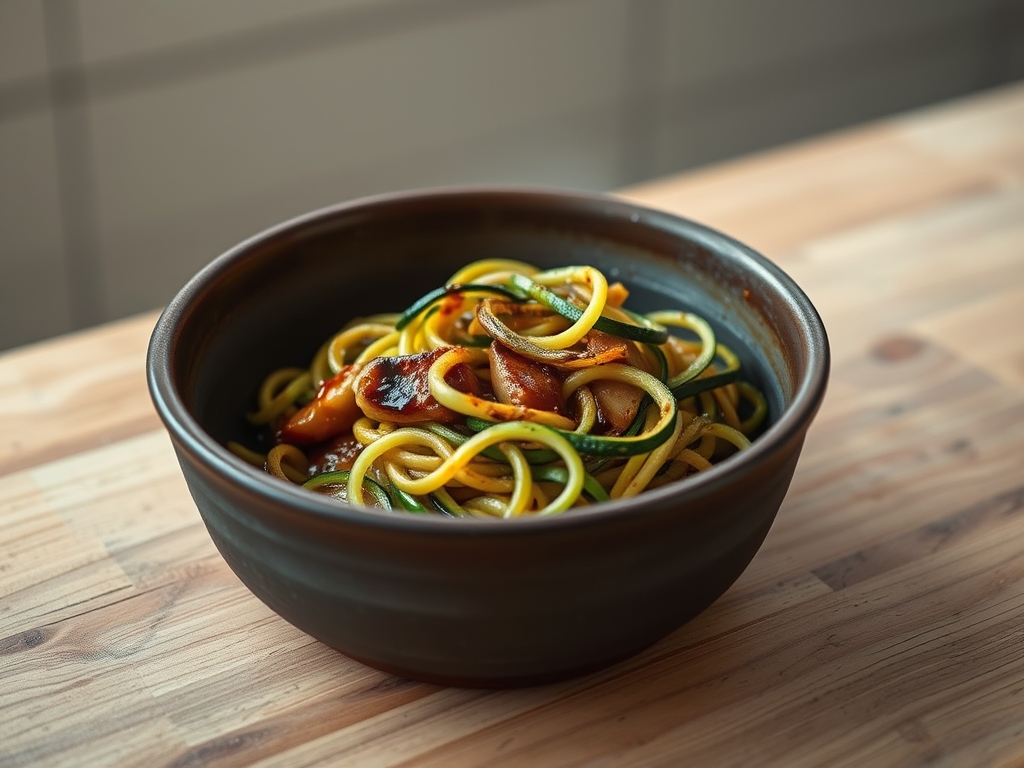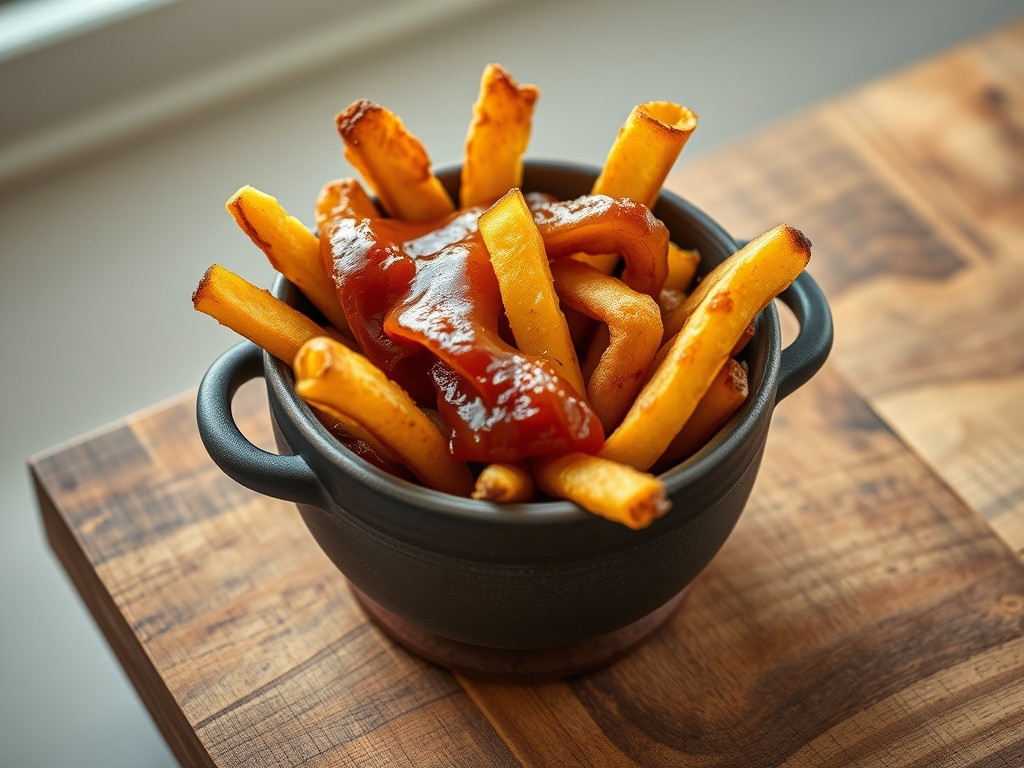
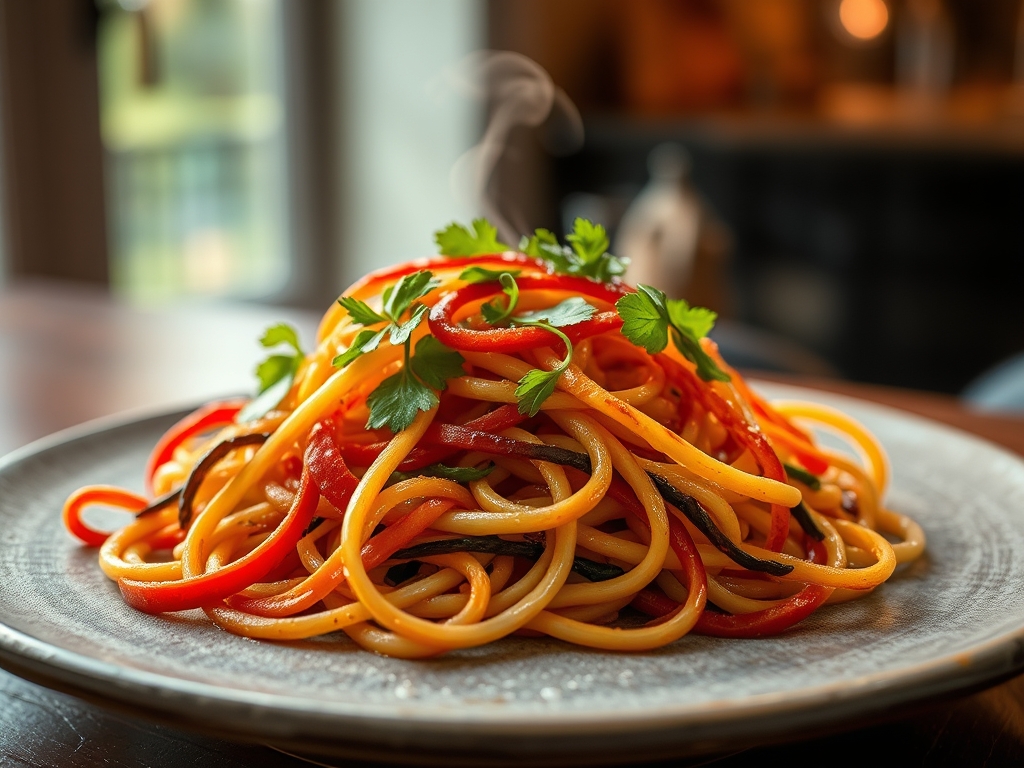
Forget the limp, waterlogged ribbons of the past. We are here to talk about structural integrity, thermal velocity, and the sheer kinetic energy of a perfectly executed Spiralized Vegetable Medley. If your current vegetable prep feels like a chore, it is because you are treating your kitchen like a hobbyist rather than a high performance laboratory. We are aiming for a sensory overload: the sharp, piquant aroma of garlic hitting hot lipids; the vibrant, neon greens of zucchini; and the deep, earthy ochre of gold beets. This is not just a salad. This is a multi asset culinary asset class designed for maximum flavor ROI. When the blade of your spiralizer meets the cellular wall of a fresh carrot, you are not just cutting; you are engineering surface area. More surface area means more contact with the pan, which leads to superior Maillard reactions and a texture that defies the traditional mushy vegetable trope. Let us audit your current workflow and upgrade your output to professional specifications.
THE DATA MATRIX
| Metric | Specification |
|---|---|
| Prep Time | 20 Minutes |
| Execution Time | 8 Minutes |
| Yield | 4 Standard Units (Servings) |
| Complexity | 4/10 (Technique Dependent) |
| Estimated Cost per Serving | $2.15 USD |
THE GATHERS
Ingredient Protocol:
- 500g / 2 Large Zucchini (Firm density)
- 300g / 3 Medium Carrots (High sugar content)
- 200g / 1 Large Golden Beet (Earthy base)
- 45ml / 3 tbsp Extra Virgin Olive Oil
- 15g / 3 Cloves Garlic (Microplaned)
- 5g / 1 tsp Red Chili Flakes (For heat infusion)
- 30ml / 2 tbsp Fresh Lemon Juice (Acidic brightness)
- 10g / 0.5 cup Fresh Basil (Chiffonade cut)
- 2g / 0.5 tsp Flaky Sea Salt (Mineral finish)
Section A: Ingredient Quality Audit:
The primary failure point in a Spiralized Vegetable Medley is moisture content. If your zucchini feels "spongy" before you even begin, your dish is doomed to be a soggy mess. High turgor pressure is non-negotiable. If you find yourself with older, soft vegetables, the fix is a cold-water shock. Submerge the raw vegetables in an ice bath for 15 minutes to restore cellular rigidity. Furthermore, if your carrots are excessively woody, they will snap rather than coil. Ensure you select "A-Grade" produce with a uniform diameter to maintain a consistent geometric flow through the spiralizing mechanism.
THE MASTERCLASS
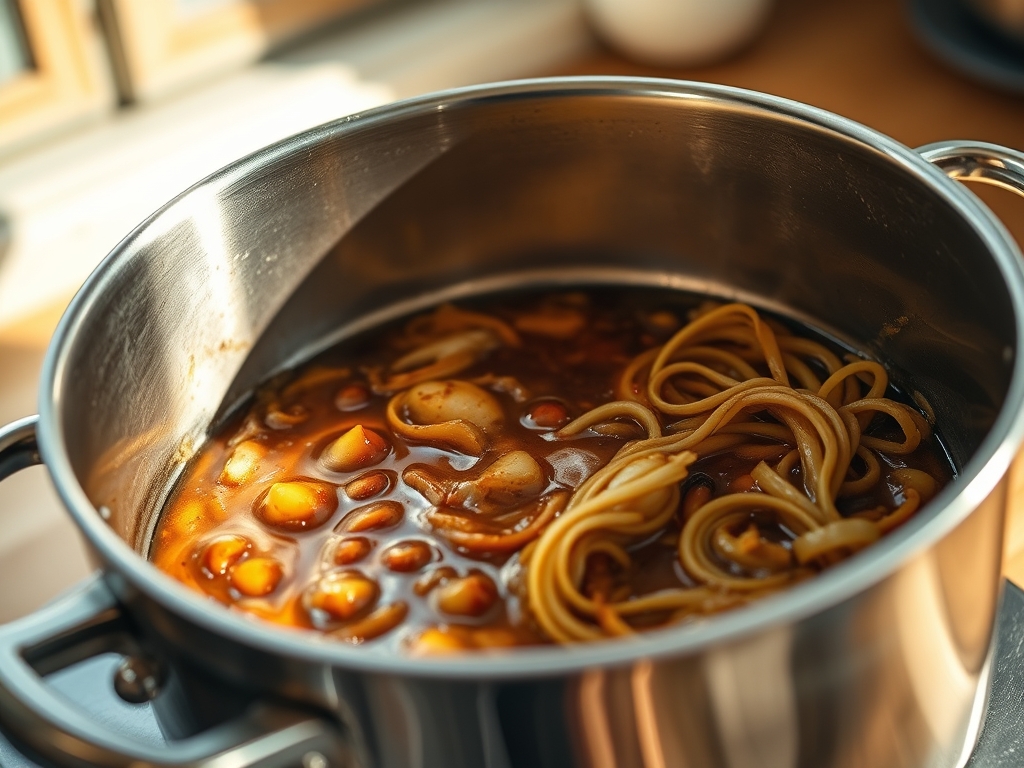
1. Geometric Extraction and Centrifugation
Secure your vegetables into a heavy duty spiralizer. Use a digital scale to ensure your ratios are precise. Once the coils are formed, place the zucchini ribbons in a colander and sprinkle lightly with salt. Let them sit for 10 minutes to render excess water through osmosis.
Pro Tip: This step prevents the "soup" effect. By extracting the moisture early, you ensure the heat of the pan goes toward browning rather than steaming. Use a bench scraper to move your mounds of coils without bruising the delicate structures.
2. The Lipid Infusion
Place a wide saucier or carbon steel skillet over medium high heat. Add the olive oil. Once the oil begins to shimmer (indicating it is viscous and ready for flow), add the garlic and chili flakes.
Pro Tip: This is a cold start infusion technique. By adding aromatics to the oil as it heats, you infuse the fat with flavor without burning the garlic solids. Use an infrared thermometer to aim for a starting pan temp of 175C.
3. High Velocity Thermal Searing
Increase the heat to high. Add the carrots and beets first, as they require more time to soften their cellulose structures. Toss vigorously for 2 minutes. Finally, add the zucchini coils.
Pro Tip: Do not overcrowd the pan. If the temperature drops too low, the vegetables will bleed liquid and boil. You want a rapid sear to maintain a "snap" in the bite. A professional saucier with sloped sides allows for better steam escape than a high sided pot.
4. Acidic Deglazing and Finishing
Turn off the heat. Add the lemon juice to deglaze the pan, scraping up any browned bits. Toss in the fresh basil and use tongs to aerate the mixture as you incorporate the herbs.
Pro Tip: Adding acid at the very end preserves the bright green chlorophyll in the zucchini. If you add lemon too early, the heat and acid will turn your vibrant medley a dull, unappetizing khaki color.
Section B: Prep & Timing Fault-Lines:
The most common human error is the "Wait and See" approach. If you wait until the zucchini is soft to remove it from the heat, it will be overcooked by the time it reaches the table due to carryover cooking. You must pull the pan when the vegetables are al dente. Another fault line is uneven cutting. If your carrot coils are twice the thickness of your zucchini, you will have crunchy carrots and mushy zucchini. Calibrate your spiralizer blades to ensure a uniform gauge across all vegetable types.
THE VISUAL SPECTRUM
Section C: Thermal & Visual Troubleshooting:
Referencing the Masterclass photo, observe the distinct separation of the coils. If your dish looks like a unified clump, you have failed to manage the starch and moisture. Dull colors indicate over-oxidation or over-cooking. To achieve that high-gloss finish seen in the image, ensure your oil-to-vegetable ratio is sufficient to coat every strand. If the beets have bled red dye all over the zucchini, you likely used red beets instead of golden beets. Golden beets are the professional choice for a medley because they maintain color boundaries, whereas red beets will "stain" the entire matrix.
THE DEEP DIVE
Macro Nutrition Profile:
Per serving, this dish is a powerhouse of micronutrients with a lean macro split. Expect approximately 120 calories, 9g of healthy fats (monounsaturated), 12g of carbohydrates (4g fiber), and 2g of protein. It is a high volume, low density fuel source.
Dietary Swaps:
- Vegan: Already compliant.
- Keto: Replace carrots with extra zucchini or daikon radish to lower the net carb count.
- GF: Naturally gluten free. Ensure any added sauces (like tamari) are certified.
Meal Prep & Reheating Science:
To maintain the molecular structure during reheating, avoid the microwave. The microwave agitates water molecules, causing the vegetable cells to collapse into a puddle. Instead, flash fry the leftovers in a hot wok for 60 seconds. This re-seals the exterior and maintains the structural "snap."
THE KITCHEN TABLE
How do I stop the zucchini from being watery?
Salting is the key. By applying salt 10 minutes before cooking, you draw out the moisture via osmosis. Pat the ribbons dry with a lint free towel before they hit the hot oil to ensure a proper sear.
Can I make this in a slow cooker?
Absolutely not. A slow cooker provides a low temperature, moist environment that will turn your Spiralized Vegetable Medley into a vegetable puree. This dish requires high heat and fast execution to maintain its geometric integrity.
What is the best spiralizer for this?
Look for a heavy duty, counter mounted unit with suction feet. Handheld models often create inconsistent thicknesses, which leads to uneven cooking. A professional grade blade set is essential for handling the density of raw beets.
How long will the leftovers last?
Due to the high water content of the vegetables, these are best consumed within 24 hours. Beyond that, the cellular walls continue to break down, leading to a loss of the "al dente" texture we worked so hard to achieve.