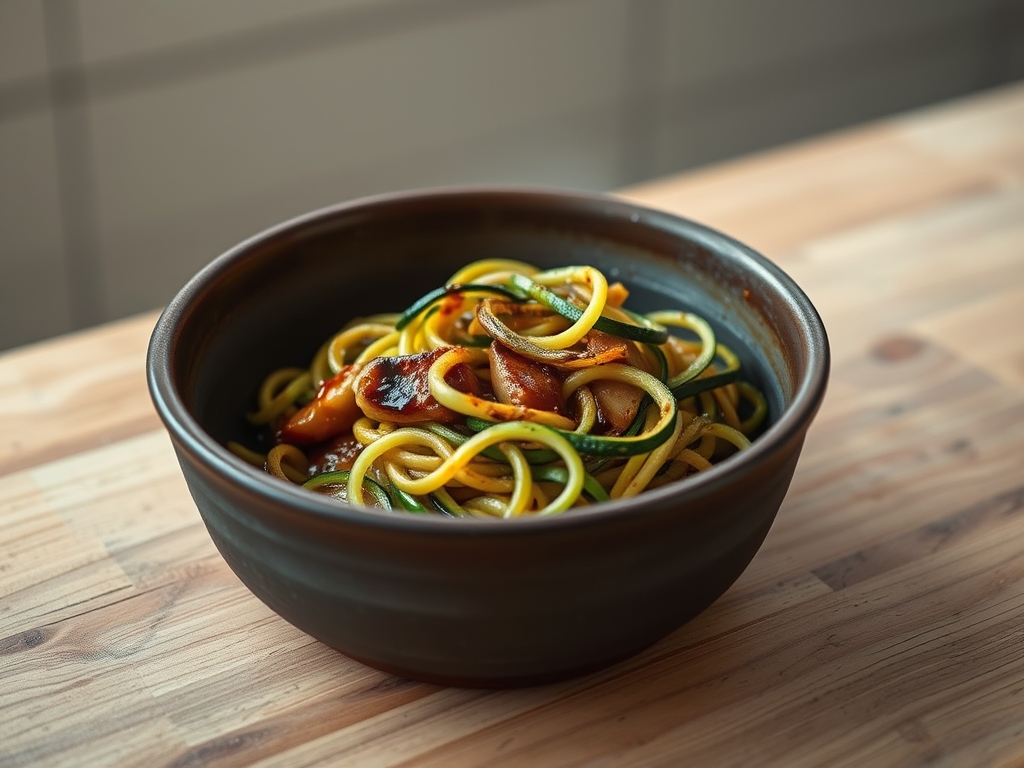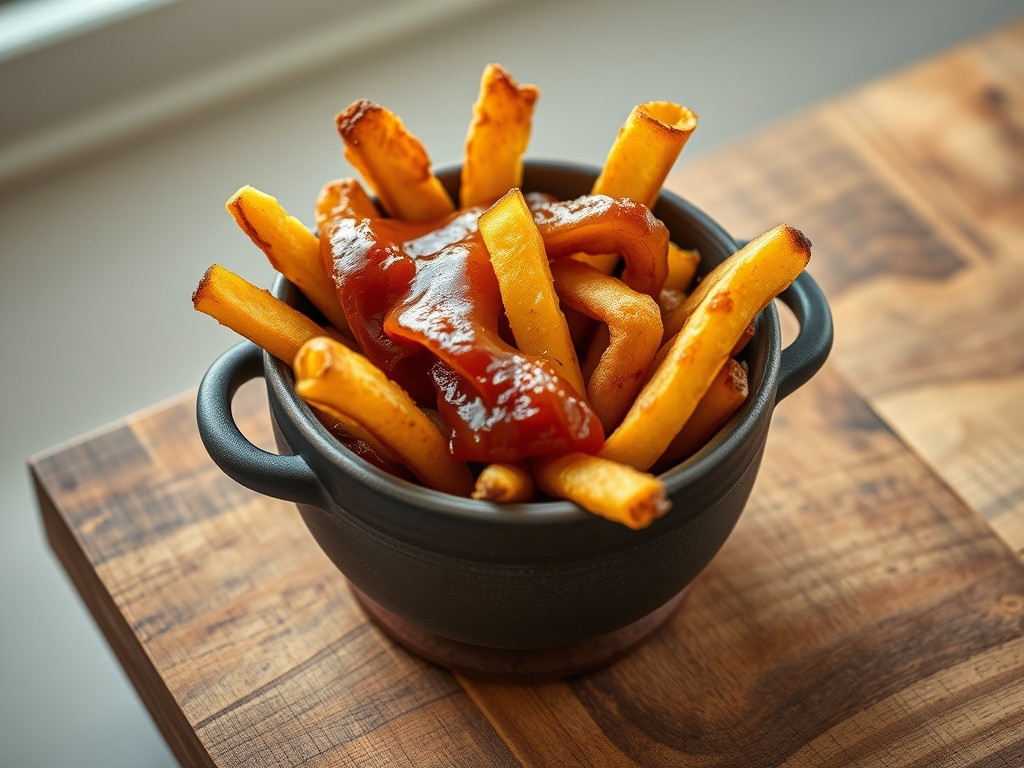
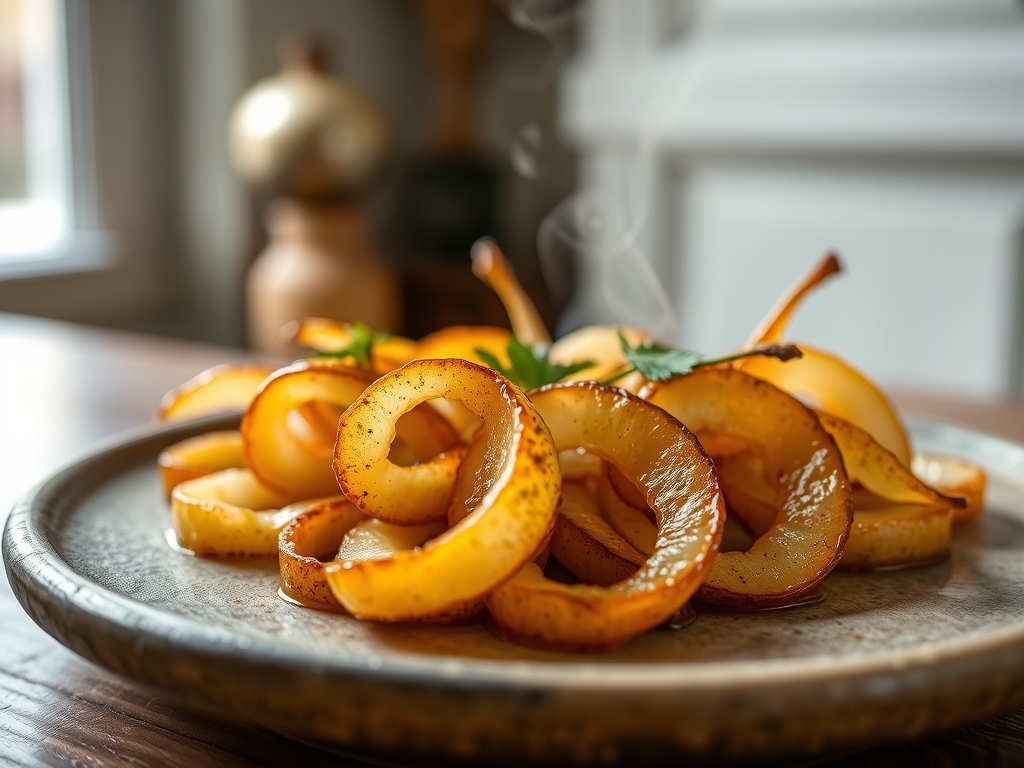
The air in a high-performance kitchen does not just sit; it vibrates with the kinetic energy of transformation. We are moving beyond the pedestrian world of fruit salads and entering the realm of structural engineering. Imagine the crisp, structural integrity of a Bosc pear meeting the centrifugal force of a spiralizer. The result is a chaotic yet elegant tangle of Curly Pear Spirals that serve as the architectural foundation for a dish that balances acidity, sweetness, and crunch. This is not a snack; it is a technical exercise in surface area optimization. By maximizing the exposed cellular walls of the fruit, we create a canvas for rapid caramelization and efficient glaze adhesion. The fragrance of warm butter and spice must be sharp enough to cut through the humidity of the line. If your fruit is mushy, your audit has failed before the first rotation. We demand rigidity. We demand precision. We demand a final product that looks as though it was designed by an architect and executed by a chemist.
THE DATA MATRIX
| Metric | Specification |
|---|---|
| Prep Time | 12 Minutes |
| Execution Time | 8 Minutes |
| Yield | 4 Servings |
| Complexity (1-10) | 4 |
| Estimated Cost per Serving | $1.85 |
THE GATHERS
Ingredient Protocol:
- 4 Large Firm Bosc Pears (approx. 800g / 1.7 lbs)
- 60ml / 4 tbsp Unsalted High-Fat Butter
- 50g / 1/4 cup Light Brown Sugar (packed)
- 2.5ml / 1/2 tsp Ground Ceylon Cinnamon
- 1g / 1/4 tsp Sea Salt
- 15ml / 1 tbsp Fresh Lemon Juice
- 30g / 1/4 cup Toasted Walnut Halves
- 5ml / 1 tsp Pure Vanilla Extract
Section A: Ingredient Quality Audit:
The primary failure point in this protocol is fruit selection. If you utilize a Bartlett or Anjou pear that has reached full ripeness, the structural integrity will collapse under the blade of the spiralizer. You will produce a weeping pile of pulp rather than distinct Curly Pear Spirals. Always audit your fruit using the "neck test." Apply pressure near the stem; if there is significant give, the pear is too far gone for structural spiralizing. To fix sub-par, overly soft fruit, you must flash-chill the pears in an ice bath for 20 minutes to tighten the pectin bonds before processing. If your butter lacks a high butterfat content (below 82 percent), the emulsion will break, leaving a greasy film rather than a viscous glaze. Use European-style butter to ensure a creamy, stable coating.
THE MASTERCLASS
1. Structural Preparation and Centering
Begin by removing the stem and a thin slice from the base of each pear to create a flat, stable surface. Use a digital scale to ensure your fruit meets the mass requirements for consistent cooking times. Secure the pear into the spiralizer prongs, ensuring it is perfectly centered to prevent "wobble" which results in fragmented ribbons.
Pro Tip: Centering is a matter of physics. If the fruit is off-axis, the centrifugal force will tear the delicate sclereid cells, leading to excessive juice loss. A centered pear produces a continuous, unbroken spiral that maintains its shape during the thermal phase.
2. The Spiralization Sequence
Apply firm, consistent pressure while rotating the crank. You are looking for long, elegant Curly Pear Spirals. As the ribbons emerge, use a bench scraper to gently move them into a chilled stainless steel bowl. Immediately toss the spirals with lemon juice to inhibit enzymatic browning.
Pro Tip: The lemon juice acts as an antioxidant. By lowering the pH on the surface of the fruit, you deactivate the polyphenol oxidase enzyme, preserving the ivory hue of the pear flesh against the darkening effects of oxygen.
3. Thermal Emulsion and Glaze Development
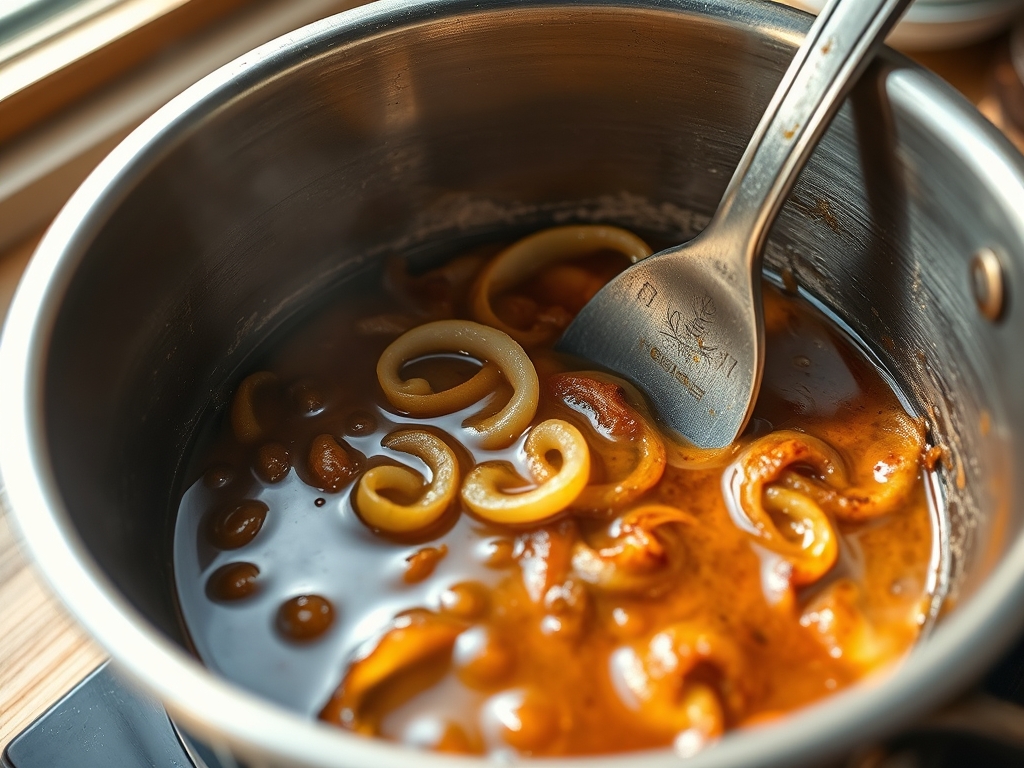
Place a heavy-bottomed saucier over medium-high heat. Add the butter and monitor the solids. Once the butter begins to render and foam, whisk in the brown sugar, cinnamon, and salt. You are looking for the "soft ball" stage where the sugar has fully dissolved into the fat, creating a glossy, viscous syrup.
Pro Tip: This is a classic Maillard reaction. The amino acids in the butter solids react with the sugars to create complex, nutty flavor compounds. Use a silicone whisk to ensure no sugar crystals remain on the sides of the pan, which could cause the glaze to seize.
4. Flash Searing the Spirals
Increase the heat slightly and add the pear spirals to the saucier. Use tongs to gently lift and fold the spirals into the glaze. Do not overwork the fruit. You only need 120 to 180 seconds of thermal exposure. The goal is to infuse the flavor while maintaining a "tender-crisp" bite.
Pro Tip: High heat is essential to evaporate the surface moisture of the fruit rapidly. If the heat is too low, the pears will stew in their own juices, destroying the cellular structure and resulting in a limp, unappealing texture.
5. The Final Aromatics and Plating
Remove the pan from the heat and stir in the vanilla extract and toasted walnuts. The residual heat will aerate the vanilla, releasing its volatile aromatic compounds without scorching them. Transfer the Curly Pear Spirals to a warmed plate, piling them high to create vertical interest.
Pro Tip: Plating is the final audit. By piling the spirals vertically, you minimize the contact area with the plate, which prevents the fruit from sitting in a pool of liquid and losing its crispness.
Section B: Prep & Timing Fault-Lines:
The most common human error is the "over-saute." Pears have a high water content. If you exceed the three-minute mark in the pan, the heat will break down the hemicellulose in the cell walls. This results in a structural collapse. If you notice the spirals losing their "curl" and becoming straight and flat, you have overcooked them. Immediately shock the bottom of the pan in cold water to stop the thermal transfer. Another timing error involves the walnuts. If added too early, they absorb moisture and lose their crunch. Always add them at the very end of the sequence.
THE VISUAL SPECTRUM
Section C: Thermal & Visual Troubleshooting:
Referencing the masterclass image, your Curly Pear Spirals should exhibit a golden-amber translucency while maintaining defined, sharp edges. If your spirals appear "muddy" or grey, your cinnamon was likely old or your pan was not clean. If the glaze looks broken or "split" (oil separating from the sugar), you failed to properly emulsify the butter and sugar before adding the fruit. To fix a broken sauce, add a teaspoon of hot water and whisk vigorously off the heat. The visual goal is a "lacquered" look; the glaze should cling to the fruit like a second skin, reflecting light without dripping excessively. Dull color indicates a lack of acidity; a final spritz of lemon juice can brighten the visual profile instantly.
THE DEEP DIVE
Macro Nutrition Profile (Per Serving):
- Calories: 215 kcal
- Carbohydrates: 32g
- Fiber: 6g
- Fat: 11g
- Protein: 2g
Dietary Swaps:
- Vegan: Replace the high-fat butter with a refined coconut oil or a high-quality vegan butter substitute. Ensure the brown sugar is bone-char free.
- Keto: Substitute the brown sugar with a monk fruit or erythritol-based gold sweetener. Use pecans instead of walnuts for a slightly higher fat-to-carb ratio.
- GF: Naturally gluten-free, but ensure your vanilla extract is certified.
Meal Prep & Reheating Science:
To maintain molecular structure, do not reheat in a microwave. The localized agitation of water molecules will turn the spirals into mush. Instead, use a small skillet over medium heat to deglaze the cold syrup with a tablespoon of water, then gently toss the pears until just warm.
THE KITCHEN TABLE
How do I prevent the pears from turning brown?
The key is immediate acidification. As soon as the Curly Pear Spirals exit the blade, toss them in lemon or lime juice. This stops the oxidation process that occurs when the fruit's internal enzymes meet the oxygen in the air.
Can I use a different type of pear?
Bosc is the gold standard due to its dense flesh. If unavailable, use a very firm Concorde or Taylor's Gold. Avoid Comice or Bartlett; their high water content and soft texture will cause them to disintegrate during the spiralizing process.
Why is my glaze watery instead of thick?
This usually happens if the pears were not patted dry or if the pan wasn't hot enough. The fruit releases juice as it heats; if that juice doesn't evaporate quickly, it thins the glaze. Increase the heat next time.
What if I don't have a spiralizer?
You can use a julienne peeler to create long, thin strands. The visual effect will be slightly different, as you will lack the tight curls, but the surface area for glazing will remain relatively high for similar flavor absorption.
How long do these stay fresh?
For peak structural integrity, consume within 30 minutes. While they stay edible in the fridge for 24 hours, the pectin will continue to break down, and the spirals will lose their signature "spring" and crisp texture.