Forget everything you know about the limp, waterlogged zucchini ribbons of the past. We are entering the era of structural integrity and root-based dominance. When we talk about Curly Parsnip Noodles, we are discussing a carbohydrate alternative that actually fights back. The parsnip is not a passive participant in your skillet; it is a dense, starch-heavy powerhouse capable of achieving a crisp-tender equilibrium that puts summer squash to shame. To master this ingredient, you must understand its unique cellular architecture. Unlike the cucumber, which is essentially a bag of water held together by hope, the parsnip contains a complex matrix of lignin and cellulose. When spiralized, these fibers create a spring-loaded tension that captures sauces in its helical grooves. We are looking for a high-heat sear that triggers the Maillard reaction without compromising the structural snap of the root. This is culinary engineering at its finest. Prepare your workstations. We are about to transform a humble, dirt-covered taproot into a sophisticated, aerodynamic masterpiece of flavor and texture.
THE DATA MATRIX
| Metric | Specification |
|---|---|
| Prep Time | 15 Minutes |
| Execution Time | 8 Minutes |
| Yield | 4 Servings |
| Complexity | 4 / 10 |
| Estimated Cost per Serving | $1.85 USD |
THE GATHERS
Ingredient Protocol:
- Parsnips (Large and Straight): 900g / 2 lbs
- Extra Virgin Olive Oil: 30ml / 2 tbsp
- Unsalted Butter: 28g / 2 tbsp
- Fresh Garlic (Microplaned): 3 cloves
- Kosher Salt: 5g / 1 tsp
- Fresh Thyme Leaves: 2g / 1 tsp
- Lemon Juice: 15ml / 1 tbsp
- Parmigiano-Reggiano: 30g / 0.25 cup
Section A: Ingredient Quality Audit:
If your parsnips feel rubbery or "bendy" before you even start, they have lost turgor pressure. To fix this, submerge the peeled roots in an ice-water bath for 20 minutes to rehydrate the cells. If the core of the parsnip is excessively woody (common in oversized specimens), your spiralizer will produce sawdust rather than ribbons. The fix is to stop spiralizing once you hit the pale, tough center and save those scraps for a vegetable stock. If your garlic has sprouted a green germ, remove it; that bitter "piquant" note will overwhelm the delicate sweetness of the caramelized parsnip.
THE MASTERCLASS
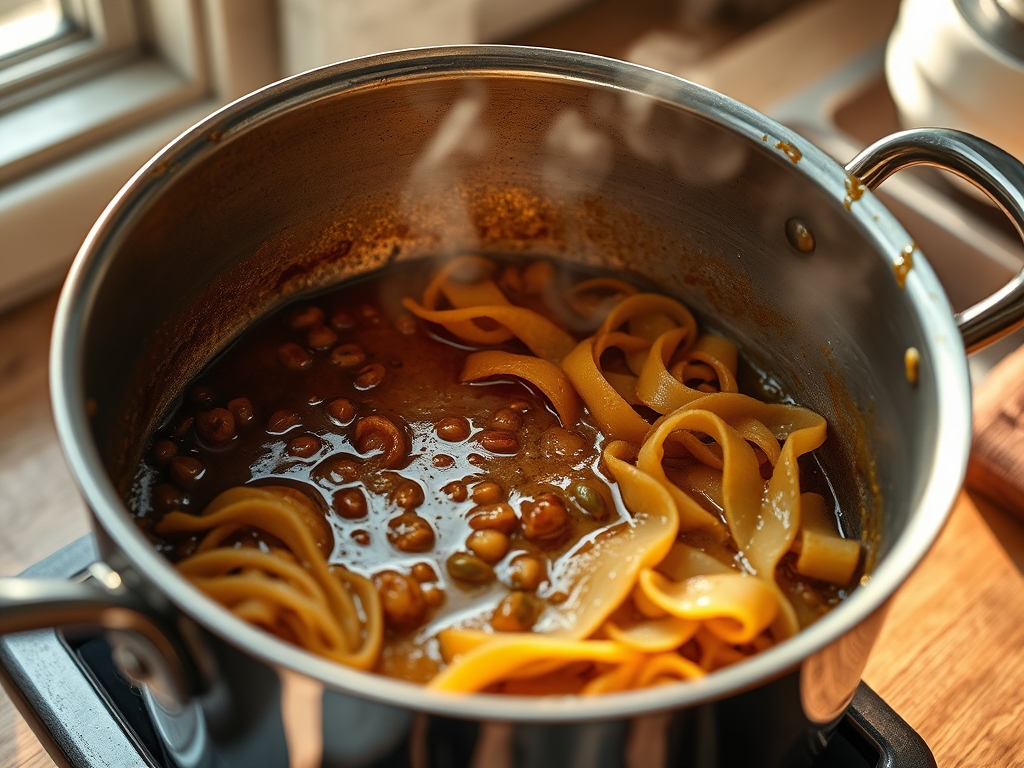
Step 1: The Spiralization Phase
Peel the parsnips thoroughly and trim the ends to create flat surfaces. Secure the root into your heavy-duty spiralizer and apply consistent, firm pressure to generate long, continuous Curly Parsnip Noodles. Use a bench scraper to clear your workstation and keep the noodles organized.
Pro Tip: The science of "noodle" length matters. If the strands are too long, they will tangle and steam in the pan rather than sear. Use kitchen shears to snip the coils every 12 inches to ensure even heat distribution and easier consumption.
Step 2: Surface Moisture Extraction
Spread the noodles onto a clean kitchen towel or paper towels. Sprinkle lightly with a fraction of your salt and let them sit for five minutes. Use a second towel to press down firmly and wick away any surface moisture.
Pro Tip: This step is vital for the Maillard reaction. Water is the enemy of browning. By removing surface moisture, you ensure the energy of the pan goes into caramelizing sugars rather than evaporating water. Use a digital scale to ensure your salt ratio is precise.
Step 3: The High-Heat Sear
Place a large stainless steel saucier or cast-iron skillet over medium-high heat. Add the olive oil. Once the oil begins to shimmer, add the parsnip noodles. Do not crowd the pan; work in batches if necessary. Let them sit undisturbed for 90 seconds to develop a golden crust.
Pro Tip: Avoid the urge to toss the noodles immediately. You need sustained contact with the metal to render the natural sugars into a nutty, complex flavor profile. A heavy-bottomed pan provides the thermal mass needed to prevent temperature drops.
Step 4: The Emulsified Finish
Reduce the heat to medium. Add the butter, microplaned garlic, and thyme. As the butter foams, use tongs to toss the noodles, coating every strand in the viscous fat. Add the lemon juice to deglaze the pan and scrape up any browned bits.
Pro Tip: The lemon juice provides an acid hit that cuts through the density of the root starch. This creates a pan sauce that will infuse the noodles with flavor while the butter provides a silky mouthfeel.
Step 5: The Final Aeration
Remove from heat and sprinkle with the Parmigiano-Reggiano. Toss vigorously one last time to aerate the mixture and prevent the cheese from clumping. Serve immediately on pre-heated plates.
Pro Tip: Residual heat is a cooking tool. By removing the pan from the burner before adding the cheese, you ensure the proteins in the dairy melt into a smooth glaze rather than seizing into oily lumps.
Section B: Prep & Timing Fault-Lines:
The most common failure in this protocol is "The Mush Factor." This occurs when the chef covers the pan with a lid, trapping steam and turning the noodles into a mash. Never cover the pan. Another timing error is adding the garlic too early; garlic burns at a lower temperature than parsnips. Always add your aromatics in the final two minutes of execution to preserve their volatile oils and prevent bitterness.
THE VISUAL SPECTRUM
Section C: Thermal & Visual Troubleshooting:
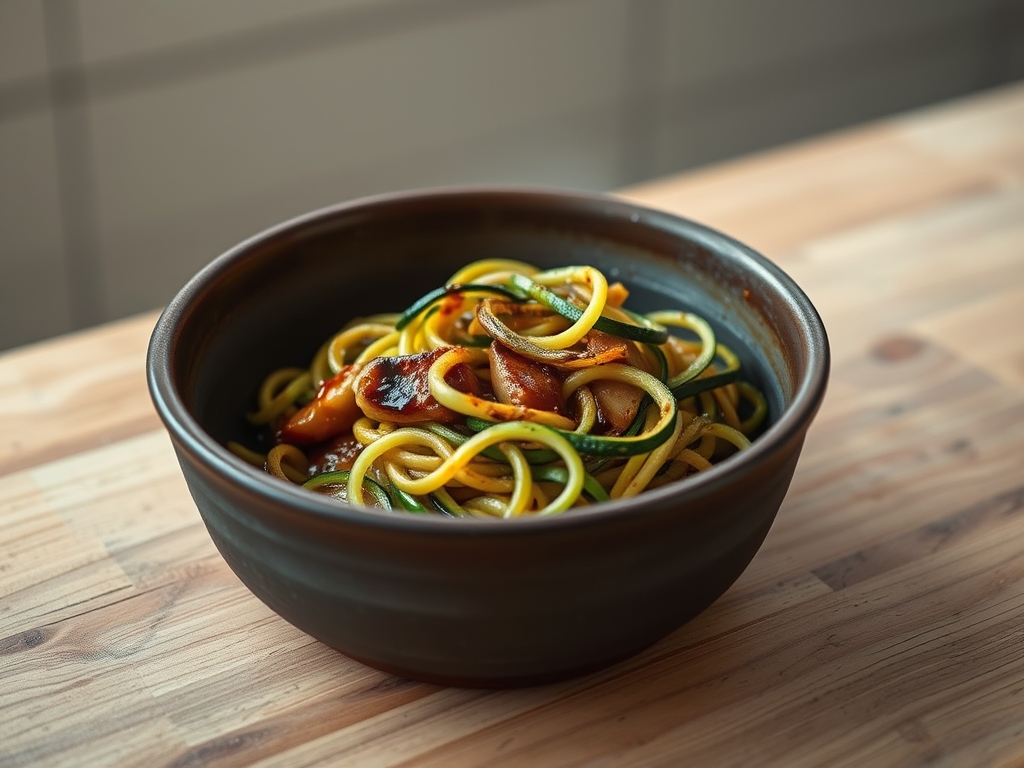
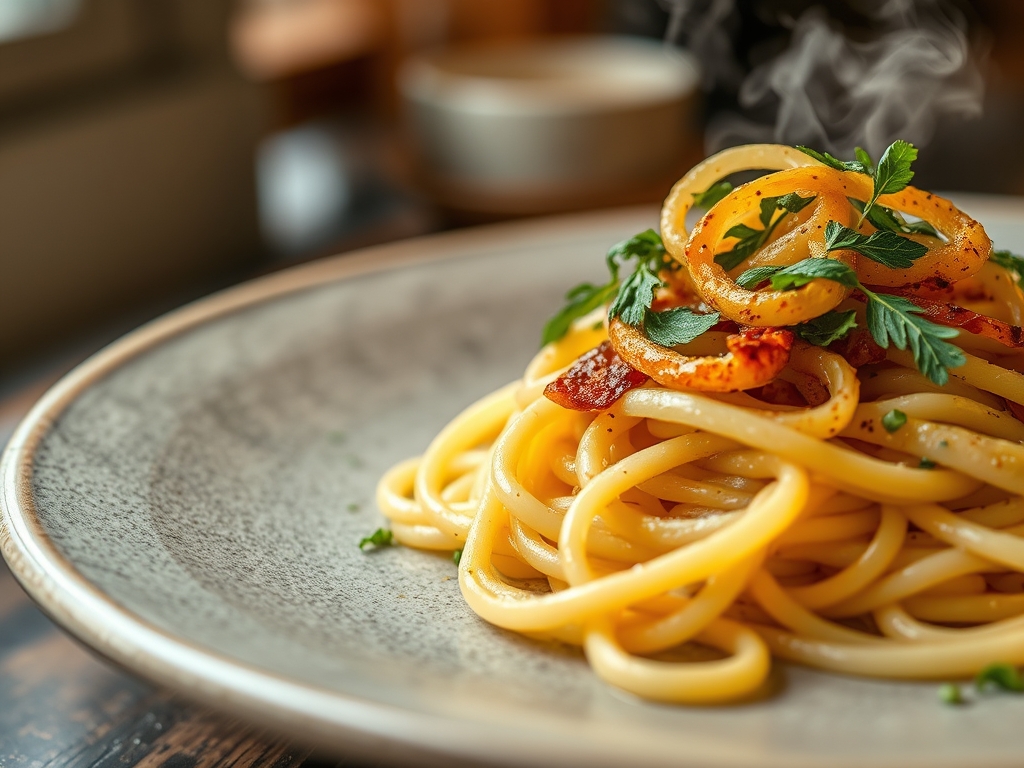
Referencing the Masterclass photo, your Curly Parsnip Noodles should exhibit a "dual-tone" appearance: pale ivory centers with deep mahogany edges. If your noodles look monochromatic and grey, your pan temperature was too low. If they are black on the edges but raw in the middle, your heat was too high. The texture should be "al dente," meaning there is a distinct resistance when bitten. If the noodles are translucent, they are overcooked. To brighten the visual spectrum, always finish with a fresh hit of green herbs or a zest of lemon to contrast the earthy tones of the root.
THE DEEP DIVE
Macro Nutrition Profile:
A single serving provides approximately 210 calories, 12g of fat, 28g of carbohydrates, and 7g of fiber. Parsnips are an exceptional source of Vitamin C, Vitamin K, and folate, offering a nutrient density that traditional wheat pasta cannot match.
Dietary Swaps:
- Vegan: Replace the butter with a high-quality vegan buttery spread or additional olive oil. Swap the parmesan for nutritional yeast or toasted breadcrumbs.
- Keto: While parsnips are higher in carbs than zucchini, they fit into many liberal keto plans. To reduce net carbs, mix the parsnip noodles 50/50 with daikon radish spirals.
- GF: This dish is naturally gluten-free. Ensure your spices and cheeses are processed in GF-certified facilities.
Meal Prep & Reheating Science:
To maintain molecular structure when reheating, avoid the microwave. The microwave agitates water molecules, which will turn your parsnips into a soggy mess. Instead, flash-fry the leftovers in a hot skillet with a teaspoon of oil for 2 minutes. This restores the exterior crispness while heating the interior through conduction.
THE KITCHEN TABLE
Can I use a hand peeler instead of a spiralizer?
Yes, but the results will be "pappardelle" style ribbons rather than Curly Parsnip Noodles. The cooking time will decrease by 30 percent because the ribbons are thinner. Watch the pan closely to avoid over-caramelization.
Why are my parsnips bitter after cooking?
Bitterness usually stems from the central core of older parsnips. If you notice a very thick, woody center during prep, avoid spiralizing that section. Proper caramelization in the pan should balance any mild natural bitterness with sweetness.
Can I make these ahead of time?
You can spiralize the parsnips up to 24 hours in advance. Store them in an airtight container with a dry paper towel to absorb excess moisture. Do not cook them until you are ready to serve.
What proteins pair best with this dish?
The earthy, sweet profile of parsnips excels alongside seared scallops, roasted chicken thighs, or a thick-cut pork chop. The acidity in the lemon-butter sauce also complements flaky white fish like cod or halibut perfectly.