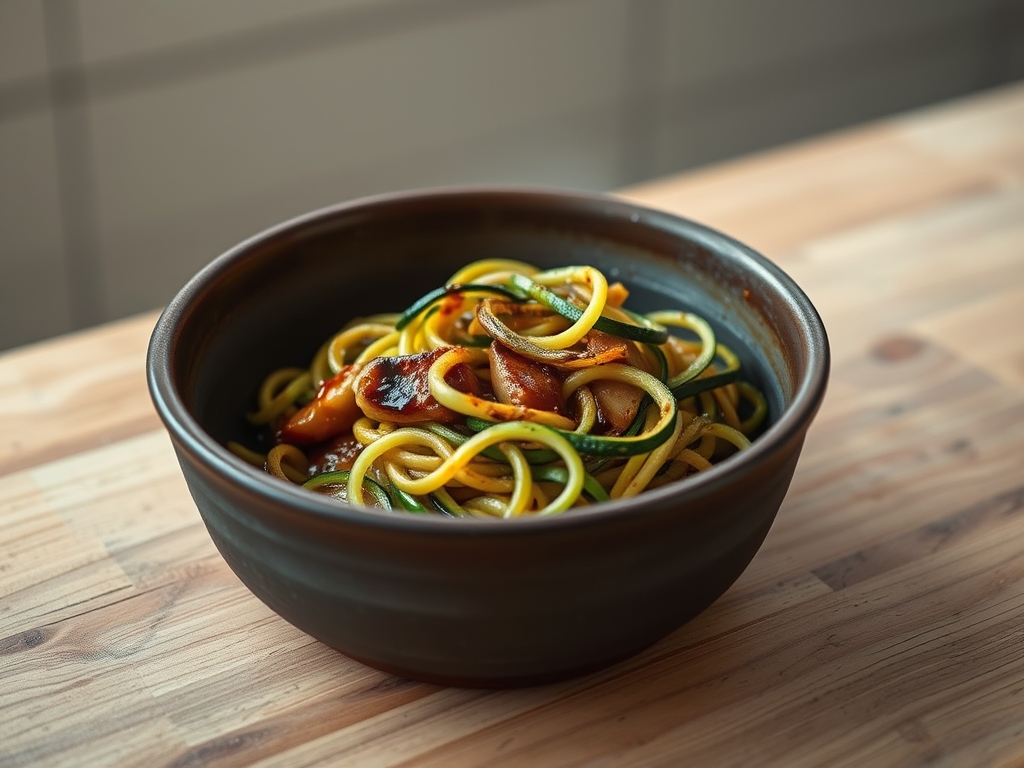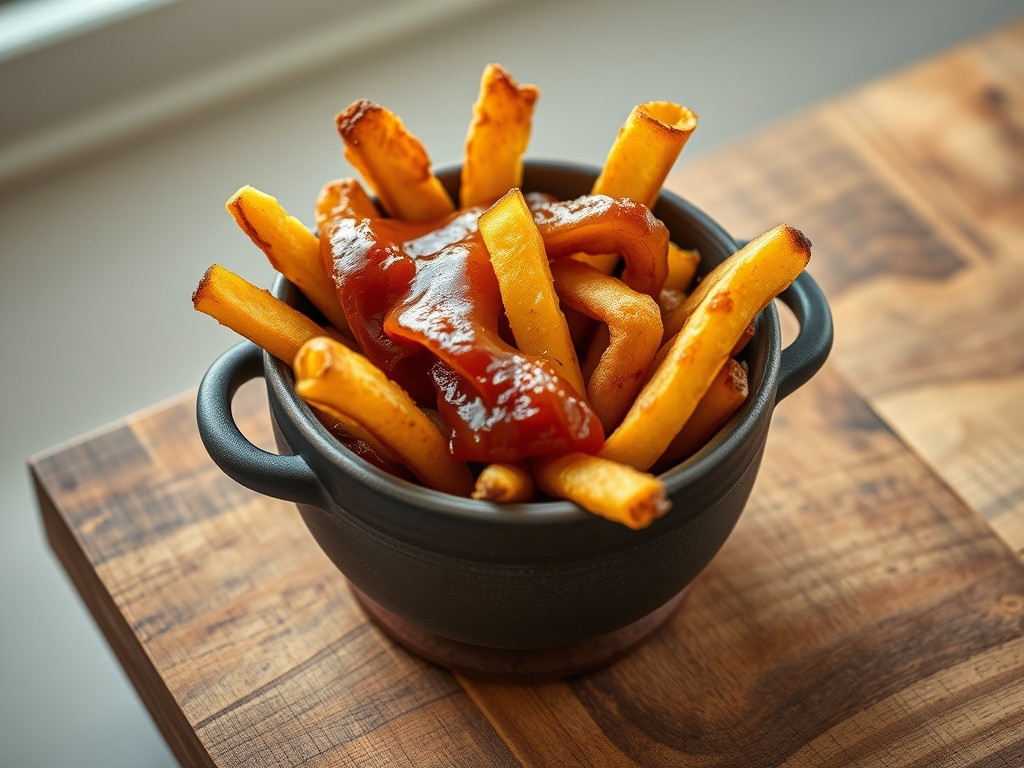
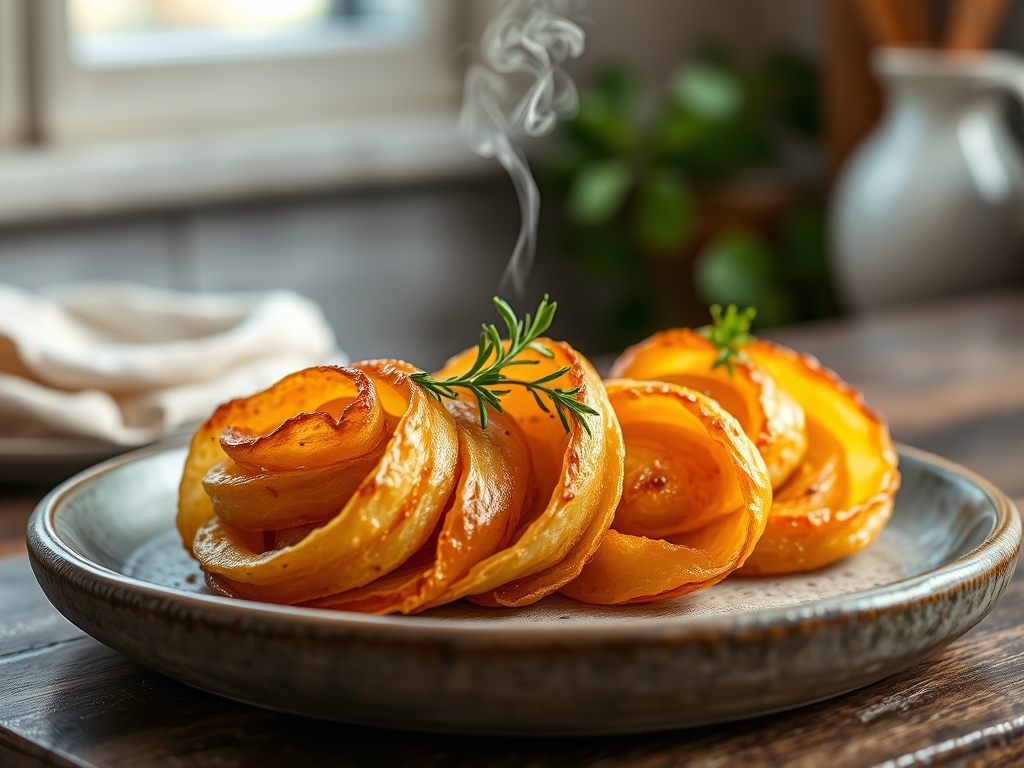
Listen up, culinary architects. We are moving beyond the flat, uninspired planes of standard hors d'oeuvres and entering the realm of vertical engineering. Imagine a structural marvel where laminated dough defies gravity. The Spiralized Puff Pastry is not merely a snack; it is a high-speed collision between French technique and modern structural design. When that butter-laden dough hits the intense heat of a convection environment, the moisture within the layers flashes into steam, forcing the gluten strands to expand upward in a coiled, DNA-like helix. The result is a crisp, shatter-prone exterior that houses a tender, buttery core. This is about more than just flavor. It is about the physics of the crunch and the mathematics of the fold. We are looking for a golden-brown gradient that signals a perfect Maillard reaction, paired with a savory filling that remains viscous enough to cling to the curves without compromising the structural integrity of the pastry. Prepare your stations. We are about to build something legendary.
THE DATA MATRIX
| Metric | Specification |
|---|---|
| Prep Time | 25 Minutes |
| Execution Time | 20 Minutes |
| Yield | 12 Helixes |
| Complexity (1-10) | 7 |
| Estimated Cost per Serving | $1.15 |
THE GATHERS
Ingredient Protocol:
- 500g / 1 lb High-Quality All-Butter Puff Pastry (Thawed but chilled)
- 100g / 3.5 oz Finely Grated Parmigiano-Reggiano
- 15ml / 1 tbsp Smoked Paprika (Pimenton)
- 5g / 1 tsp Freshly Cracked Black Peppercorns
- 1 Large Egg (Room temperature)
- 15ml / 1 tbsp Whole Milk
- 2g / 0.5 tsp Flaky Sea Salt (For finishing)
Section A: Ingredient Quality Audit:
If your puff pastry feels tacky or limp, the butter has reached its melting point prematurely. This destroys the lamination. To fix this, immediately return the dough to the blast chiller or freezer for ten minutes to re-solidify the lipid barriers. If your cheese is pre-shredded and coated in cellulose, it will not melt into the dough; it will merely burn. Use a microplane to create a fine snow of cheese that can infuse with the pastry layers. If your spices lack aroma, they are oxidized. Toast them briefly in a dry saucier over low heat to release the volatile oils before application.
THE MASTERCLASS
Step 1: The Foundation Prep
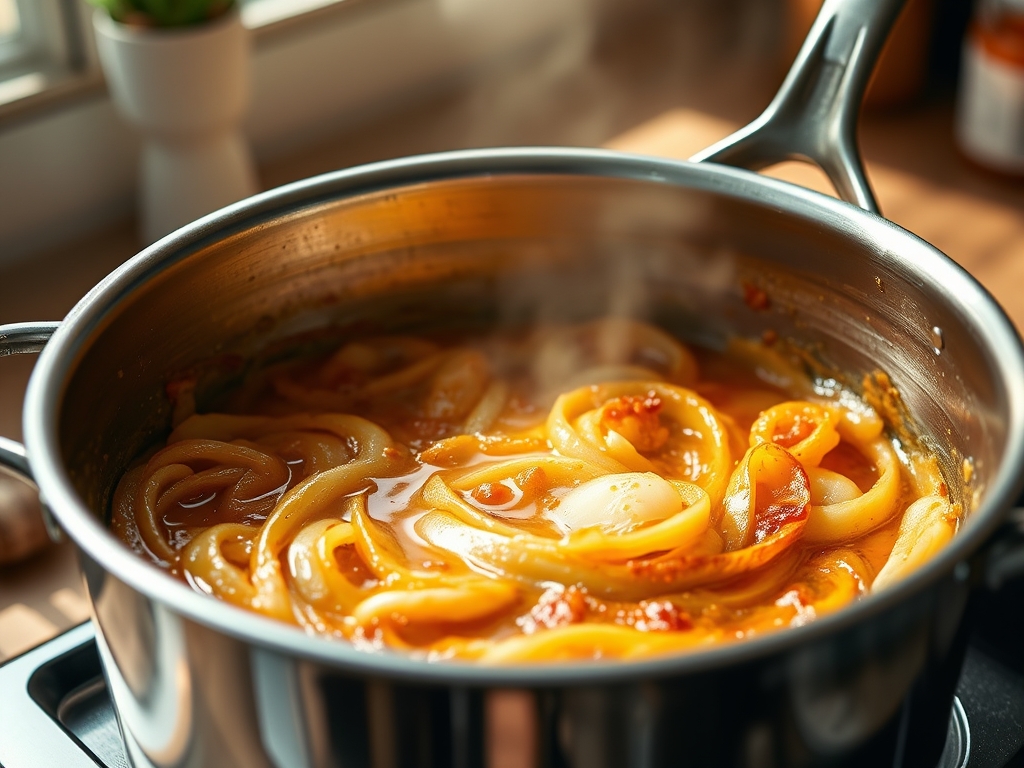
Lay your chilled puff pastry on a clean, lightly floured work surface. Use a heavy bench scraper to trim the edges into a perfect rectangle. This ensures that every strip has exposed lamination layers, which is essential for maximum lift.
Pro Tip: Use a digital scale to ensure your pastry sheet weighs exactly what the recipe calls for. Consistency in mass leads to consistency in thermal conduction during the bake.
Step 2: The Adhesive Application
Whisk the egg and milk in a small bowl to create a standard egg wash. Using a pastry brush, apply a thin, even coat across the entire surface. This acts as the biological glue for your savory inclusions.
Pro Tip: Do not over-saturate. Excessive moisture will hydrate the gluten too much, turning your crisp helix into a soggy mass. You want just enough to aerate the surface tension.
Step 3: Distribution of Flavor
Evenly distribute the grated cheese, paprika, and pepper across the bottom two-thirds of the pastry. Use your palms to gently press the ingredients into the dough. This ensures they do not fly off during the spiralization process.
Pro Tip: The piquant notes of the paprika are fat-soluble. By pressing them into the butter-rich dough, you ensure the flavor penetrates every single layer of the lamination.
Step 4: The Precision Cut
Using a sharp pizza wheel or a long chef's knife, cut the pastry into strips exactly 2cm wide. Speed is your friend here; you want clean cuts that do not pinch the layers together.
Pro Tip: If the dough starts to stretch or drag, it is too warm. Slide the entire board back into the refrigerator. Cold dough cuts like a dream; warm dough dies in the tray.
Step 5: The Helical Twist
Pick up a strip by both ends. Twist in opposite directions to create a tight, uniform spiral. Place the helix onto a parchment-lined baking sheet, pressing the ends down firmly to anchor the shape.
Pro Tip: The tension in the twist determines the final height. A tighter coil creates more internal pressure, forcing the steam to work harder and resulting in a more dramatic, "shattered" texture.
Section B: Prep & Timing Fault-Lines:
The most common failure in this protocol is "The Slump." This occurs when the pastry is placed into an oven that has not reached its target temperature of 200C / 400F. Without immediate high heat, the butter will render out of the dough before the steam can lift the layers, leaving you with a greasy puddle. Always use an independent oven thermometer to verify your internal calibration. Another timing error is the "Premature Pull." If you remove the helixes while they are pale, the interior will be raw. They must reach a deep, mahogany gold to ensure the center is fully dehydrated and crisp.
THE VISUAL SPECTRUM
Section C: Thermal & Visual Troubleshooting:
Referencing the Masterclass photo, you should observe a distinct "step" pattern in the spiral. If your helixes look like smooth cylinders, you have likely compressed the edges during the cutting phase. Use a sharper blade next time. If you see uneven browning, where the tips are burnt but the valleys are white, your oven has hot spots. Rotate the tray 180 degrees at the twelve-minute mark. Dull colors indicate an old egg wash or a lack of protein in the glaze. Ensure you are using a high-quality egg with a vibrant yolk to achieve that professional, lacquered sheen.
THE DEEP DIVE
Macro Nutrition Profile:
Each spiral contains approximately 180 calories, with 12g of fat, 14g of carbohydrates, and 4g of protein. The high fat content is a direct result of the laminated butter, which provides the necessary energy for the structural expansion.
Dietary Swaps:
For a vegan iteration, utilize a high-quality plant-based puff pastry made with coconut oil or vegan margarine. Replace the egg wash with a mixture of agave nectar and almond milk to achieve a similar Maillard effect. For a gluten-free version, use a pre-made GF puff pastry, but be aware that the lack of gluten will result in a less dramatic vertical lift.
Meal Prep & Reheating Science:
To maintain the molecular structure, never microwave these bites. Microwaves vibrate water molecules, which will immediately soften the crisp gluten lattice. Instead, reheat in a 175C / 350F oven for five minutes. This will render any residual fats and re-crisp the exterior without drying out the core.
THE KITCHEN TABLE
Why did my spirals unravel in the oven?
You likely failed to anchor the ends to the baking sheet. Use a tiny drop of water or extra egg wash to "glue" the tips down. This maintains the tension required for the helical shape to set during the bake.
Can I fill these with wet ingredients like pesto?
Proceed with caution. High-moisture fillings can lead to a "soggy bottom" syndrome. If using pesto, ensure it is highly concentrated and use it sparingly to avoid compromising the pastry's ability to aerate and rise.
How do I get that specific "shattered" texture?
The secret is cold dough and a hot oven. The thermal shock causes the water in the butter to turn to steam instantly. This rapid expansion creates the delicate, paper-thin layers that shatter upon impact.
My cheese is falling off the pastry. What happened?
The cheese was likely too cold or too coarse. Use a microplane for a finer texture and ensure your egg wash is tacky before sprinkling. Press the cheese firmly into the dough to secure the bond.