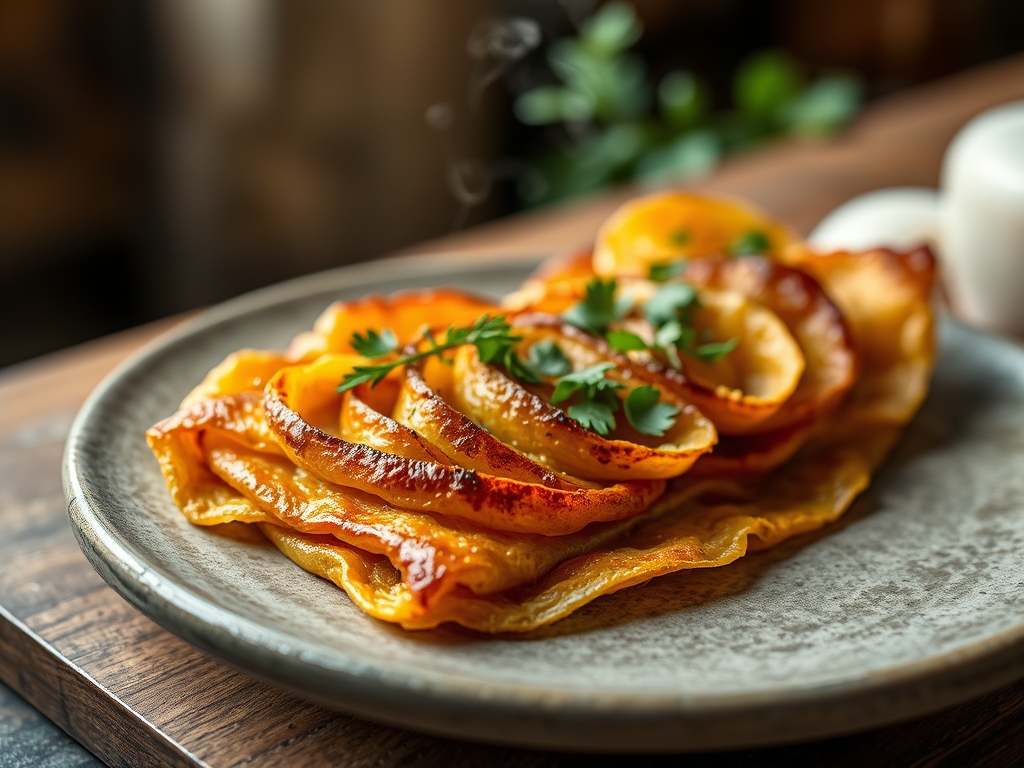
Listen to the sound of structural integrity. It is the rhythmic snap of cold butter being laminated into flour and the high-pitched whistle of steam escaping through a meticulously pleated crust. We are not merely baking a dessert; we are engineering a masterpiece of centripetal fruit loading. The Spiralized Galette represents the pinnacle of rustic geometry. It is a dish where the chaos of a free-form tart meets the precision of a Fibonacci sequence. Imagine a kaleidoscope of razor-thin apple or pear slices, radiating outward from a central axis, their edges curling under the intense heat of the oven to create a texture that is simultaneously crisp and succulent. This is a sensory assault of the best kind. The aroma of caramelized fructose fills the air as the juices infuse with cinnamon and salt. You are the architect of this edible infrastructure. By mastering the tension between the flaky pastry and the moist fruit center, you ensure that every slice maintains its structural poise from the cooling rack to the plate.
THE DATA MATRIX
| Metric | Specification |
|---|---|
| Prep Time | 45 Minutes |
| Execution Time | 50 Minutes |
| Yield | 8 Servings |
| Complexity (1-10) | 7 |
| Estimated Cost per Serving | $1.45 |
THE GATHERS
Ingredient Protocol:
The Structural Base (Pastry):
- 315g / 2.5 cups All-Purpose Flour
- 225g / 1 cup Unsalted Butter (Chilled and cubed)
- 5g / 1 tsp Fine Sea Salt
- 10g / 2 tsp Granulated Sugar
- 120ml / 0.5 cup Ice Water
The Fruit Payload:
- 4-5 Large Firm Apples (Honeycrisp or Granny Smith)
- 50g / 0.25 cup Granulated Sugar
- 30g / 2 tbsp Unsalted Butter (Melted)
- 5ml / 1 tsp Vanilla Extract
- 2g / 0.5 tsp Ground Cinnamon
The Glaze & Finish:
- 60ml / 0.25 cup Apricot Preserves
- 1 Large Egg (For wash)
- 15g / 1 tbsp Demerara Sugar (For texture)
Section A: Ingredient Quality Audit:
If your flour has a protein content that is too high, your crust will transition from flaky to rubbery. Audit your flour by checking the label; 10 to 11 percent protein is the sweet spot. If you find yourself with sub-par, mealy apples, do not proceed with the spiral. Soft fruit will collapse and render too much liquid, destroying the bottom crust. Fix this by macerating the slices in sugar for 20 minutes and draining the excess moisture before assembly. If your butter is too warm, the emulsion will fail. The fix is simple: toss the cubed butter into the freezer for ten minutes until it is rock hard. This ensures that the fat remains in discrete pockets, which creates the steam vents necessary for a shattered-glass texture.
THE MASTERCLASS
Step-by-Step Execution:
1. The Dough Infrastructure
In a large chilled bowl, combine your flour, salt, and sugar. Use a bench scraper to cut the cold butter into the flour until the pieces are the size of peas. Slowly drizzle in the ice water, tossing with a fork until the dough just begins to clump. Do not overwork it.
Pro Tip: Use a digital scale for your measurements. Volume is a liar; mass is the truth. Keeping the butter in solid chunks ensures that when the water in the butter evaporates in the oven, it lifts the layers of flour to create a flaky viscous barrier.
2. The Hydration Phase
Turn the dough onto a lightly floured surface and press it into a disk. Wrap it tightly in plastic and refrigerate for at least one hour. This allows the gluten to relax and the moisture to distribute evenly throughout the starch molecules.
Pro Tip: Cold dough is non-negotiable. If the dough exceeds 65 degrees Fahrenheit, the butter will melt into the flour, turning your pastry into a shortbread rather than a laminated crust.
3. The Mandoline Protocol
While the dough rests, peel and core your apples. Use a mandoline or a very sharp chef knife to create uniform slices approximately 3mm thick. Toss the slices in a saucier with the melted butter, vanilla, and cinnamon to coat them evenly.
Pro Tip: Uniformity is the key to even cooking. If the slices vary in thickness, the thin ones will burn before the thick ones render their starches. A mandoline provides the surgical precision required for a perfect Spiralized Galette.
4. The Centripetal Load
Roll the dough out to a 12-inch circle on parchment paper. Starting two inches from the edge, begin laying the apple slices in an overlapping circular pattern. Work from the outside in, spiraling toward the center until the dough is covered.
Pro Tip: Overlap the slices like shingles on a roof. This creates a thermal shield that protects the bottom crust from getting soggy while allowing the edges of the fruit to aerate and crisp up.
5. The Pleat and Seal
Fold the outer two inches of dough over the edges of the fruit, pleating as you go. Brush the crust with a beaten egg wash and sprinkle generously with Demerara sugar. Transfer the parchment and galette to a preheated baking sheet.
Pro Tip: Baking on a preheated sheet or a pizza stone provides an immediate blast of heat to the bottom of the tart. This initiates the Maillard reaction instantly, ensuring a crisp base that can support the fruit payload.
6. The Thermal Finish
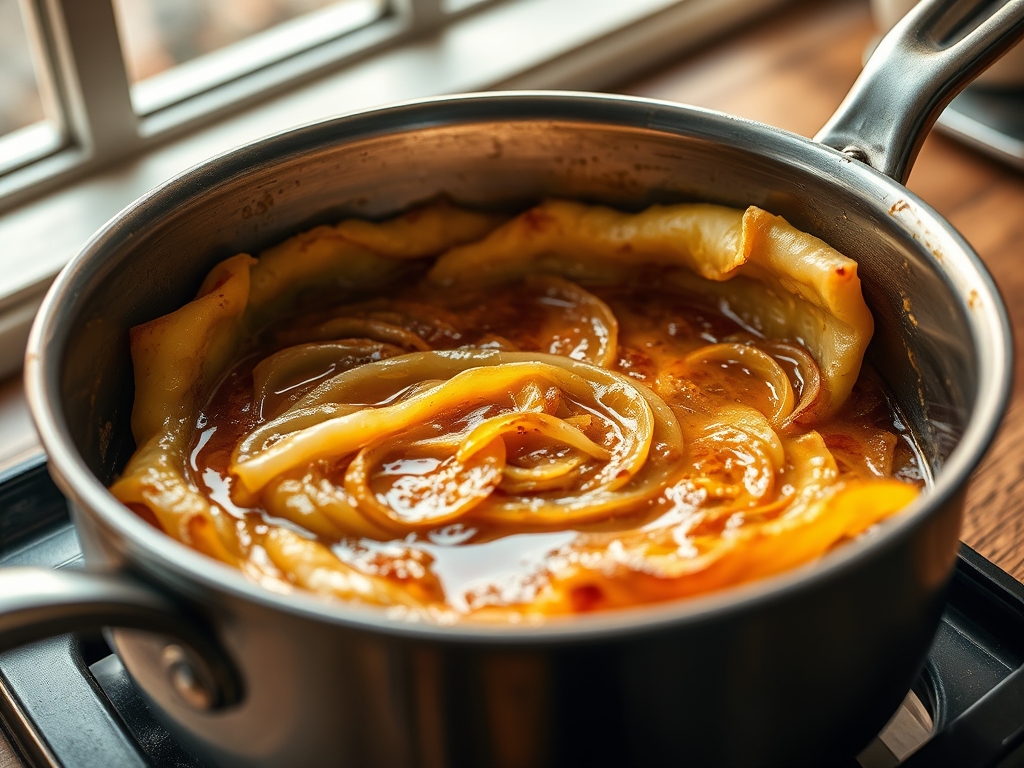
Bake at 400 degrees Fahrenheit for 45 to 50 minutes until the crust is deep golden brown and the fruit is tender. In the final five minutes, heat the apricot preserves in a small pan to infuse them with fluidity, then brush the glaze over the hot fruit.
Pro Tip: The glaze isn't just for shine. It acts as a humectant, sealing in the moisture of the fruit so the spiral doesn't dry out as the galette cools to room temperature.
Section B: Prep & Timing Fault-Lines:
The most common human error is the "Warm Hands" syndrome. If you handle the dough too much, the heat from your palms will melt the fat. If you notice the dough becoming sticky, stop immediately and return it to the freezer for five minutes. Another timing fault occurs during the bake; if you pull the galette too early because the fruit looks done, the bottom crust will be raw. Always use a spatula to lift an edge and check for a dark, caramelized underside before declaring victory.
THE VISUAL SPECTRUM
Section C: Thermal & Visual Troubleshooting:
Look at the reference image. Note the deep, mahogany edges of the crust and the translucent, amber glow of the fruit. If your galette looks pale, your oven temperature is likely inaccurate; use an oven thermometer to verify. If the fruit looks dull rather than vibrant, you skipped the acid. A squeeze of lemon juice in the fruit mix prevents enzymatic browning and keeps the colors piquant. If the center of your spiral is slumped or watery, you likely used a high-moisture fruit like a McIntosh apple. Stick to firm, baking-grade pomes to maintain that architectural spiral.
THE DEEP DIVE
Macro Nutrition Profile:
Each serving provides approximately 340 calories, 18g of fat, 42g of carbohydrates, and 3g of protein. The high fat content comes from the butter, which is essential for the structural integrity of the crust.
Dietary Swaps:
- Vegan: Substitute the butter with a high-quality plant-based butter stick (ensure it has a high fat-to-water ratio) and use a maple syrup wash instead of egg.
- Keto: This is difficult due to the fruit sugars, but a crust made of almond flour and xanthan gum can work, though the spiral will be less defined.
- GF: Use a 1-to-1 gluten-free flour blend that contains rice flour and potato starch for the best "snap."
Meal Prep & Reheating Science:
To maintain the molecular structure, never microwave a galette. The microwave agitates water molecules, which turns the crust into a soggy mess. Reheat in a 350-degree oven for 10 minutes to re-crisp the fat layers and deglaze any solidified fruit sugars.
THE KITCHEN TABLE
Why is my crust shrinking away from the fruit?
This is caused by overworking the dough, which develops too much gluten. The protein strands act like rubber bands, snapping back when heated. Rest your dough longer to allow those strands to relax.
Can I use frozen fruit for the spiral?
Negative. Frozen fruit has compromised cell walls that leak excessive fluid upon thawing. For the structural demands of a Spiralized Galette, fresh, firm fruit is the only acceptable infrastructure.
What if I don't have a mandoline?
Use a vegetable peeler to create long, thin ribbons of fruit. This creates a "ruffled" look rather than a flat spiral, but it maintains the thinness required for the centripetal loading technique.
My glaze is too thick and clumpy?
Add a teaspoon of water or lemon juice to your preserves and heat them until they are viscous and bubbling. Strain through a fine-mesh sieve to remove any large fruit chunks before brushing.