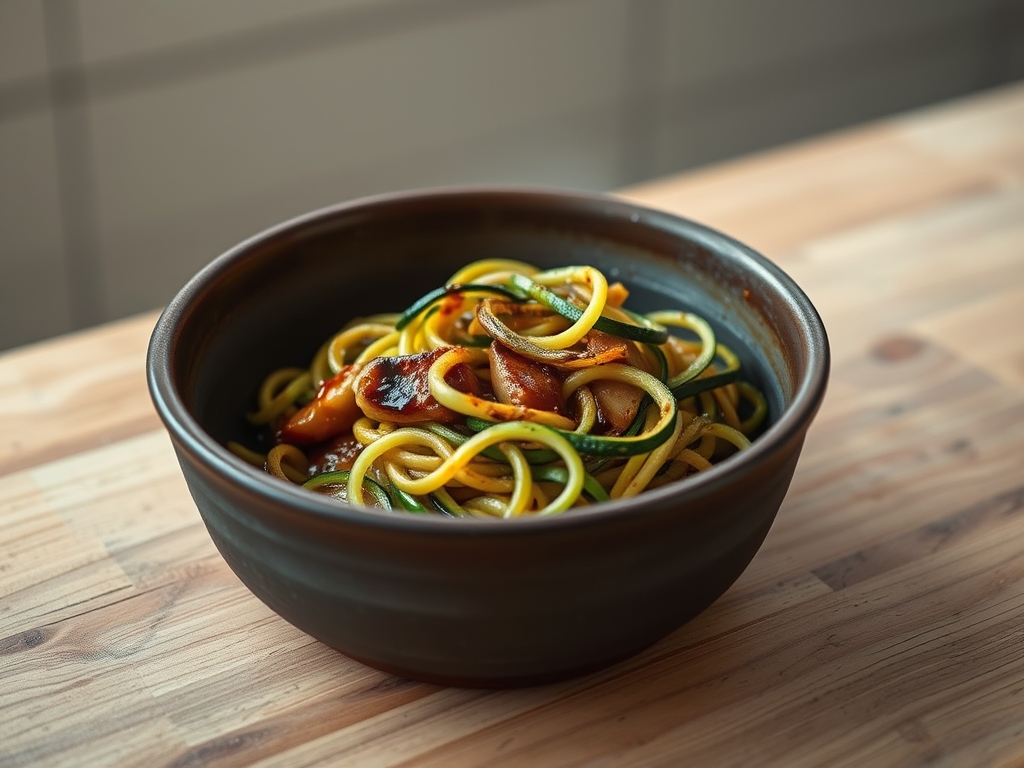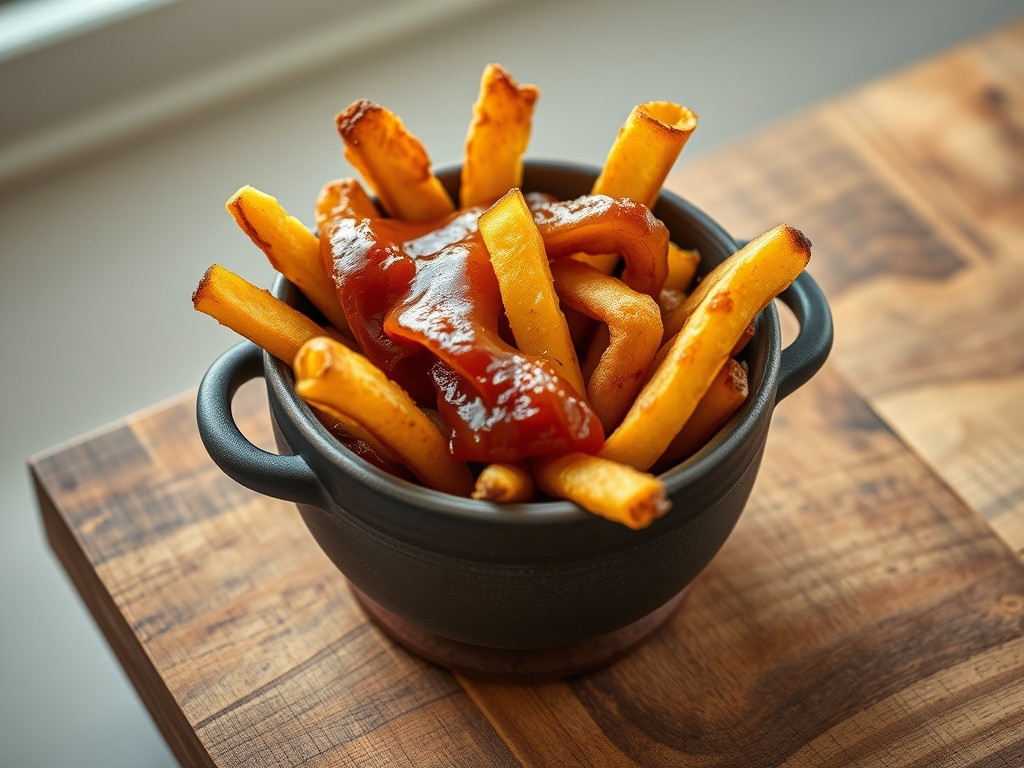
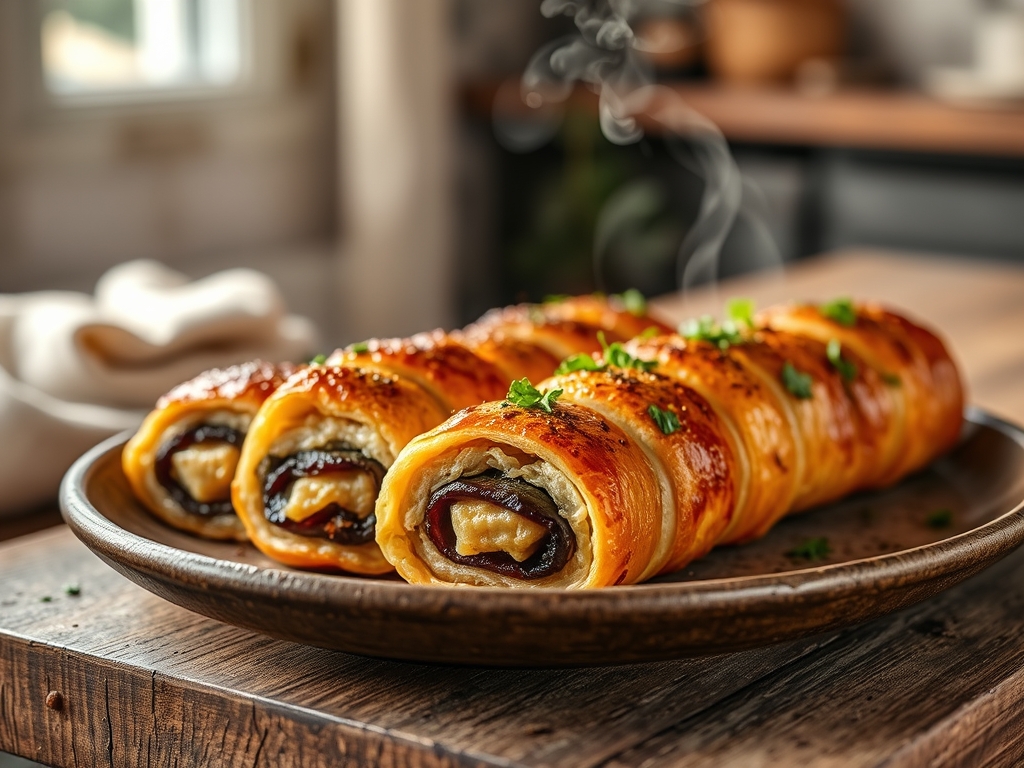
Listen up, kitchen operatives. We are moving beyond the amateur hour of crumbly, dry pastries and entering the realm of high-performance confectionery engineering. The subject of today's structural audit is the Curly Rugelach. This is not your grandmother's casual afternoon bake; this is a masterclass in concentric filling distribution and laminar dough architecture. When executed with precision, the Curly Rugelach presents a tight, spiraled geometry that defies the chaotic nature of leavening. Imagine a crumb so tender it borders on the ethereal, wrapped around a dark, viscous core of chocolate or spiced nuts. The scent alone is a chemical warfare of toasted butter and caramelized sugars that will colonize every square inch of your sensory cortex. We are looking for that perfect "curly" profile: a visual rhythm of alternating layers that signifies a flawless ratio of hydration to fat. If your pastry lacks the structural integrity to hold its coil, you are essentially serving a flatbread failure. Strap in, calibrate your scales, and prepare for a deep dive into the molecular mechanics of the world's most sophisticated coiled cookie.
THE DATA MATRIX
| Metric | Specification |
|---|---|
| Prep Time | 45 Minutes |
| Execution Time | 25 Minutes |
| Yield | 32 Units |
| Complexity (1-10) | 7 |
| Estimated Cost per Serving | $0.85 |
THE GATHERS
Ingredient Protocol:
- 225g / 1 cup Unsalted Butter (Chilled and Cubed)
- 225g / 8 oz Full-Fat Cream Cheese (Block style)
- 315g / 2.5 cups All-Purpose Flour (Sifted)
- 2g / 0.5 tsp Fine Sea Salt
- 150g / 0.75 cup High-Quality Apricot Preserves
- 100g / 0.5 cup Granulated Sugar mixed with 10g / 2 tsp Cinnamon
- 120g / 1 cup Walnuts (Finely Minced)
- 1 Large Egg (For Protein-Rich Wash)
- 30g / 2 tbsp Demerara Sugar (For Surface Texture)
Section A: Ingredient Quality Audit:
The primary failure point in Curly Rugelach is the moisture-to-fat ratio. If you use "whipped" cream cheese, the air pockets will collapse during the bake, leading to a greasy, flat disc rather than a proud coil. Always use block-style cream cheese for its structural density. If your flour is too high in protein (like bread flour), the dough will become elastic and "snap back," ruining your concentric distribution. Use a low-protein all-purpose flour to ensure a short, tender crumb. If your preserves are too watery, they will "weep" during the bake, creating a soggy bottom. Pro Fix: If your jam is runny, simmer it in a saucier for five minutes to reduce the water content and concentrate the pectin before application.
THE MASTERCLASS
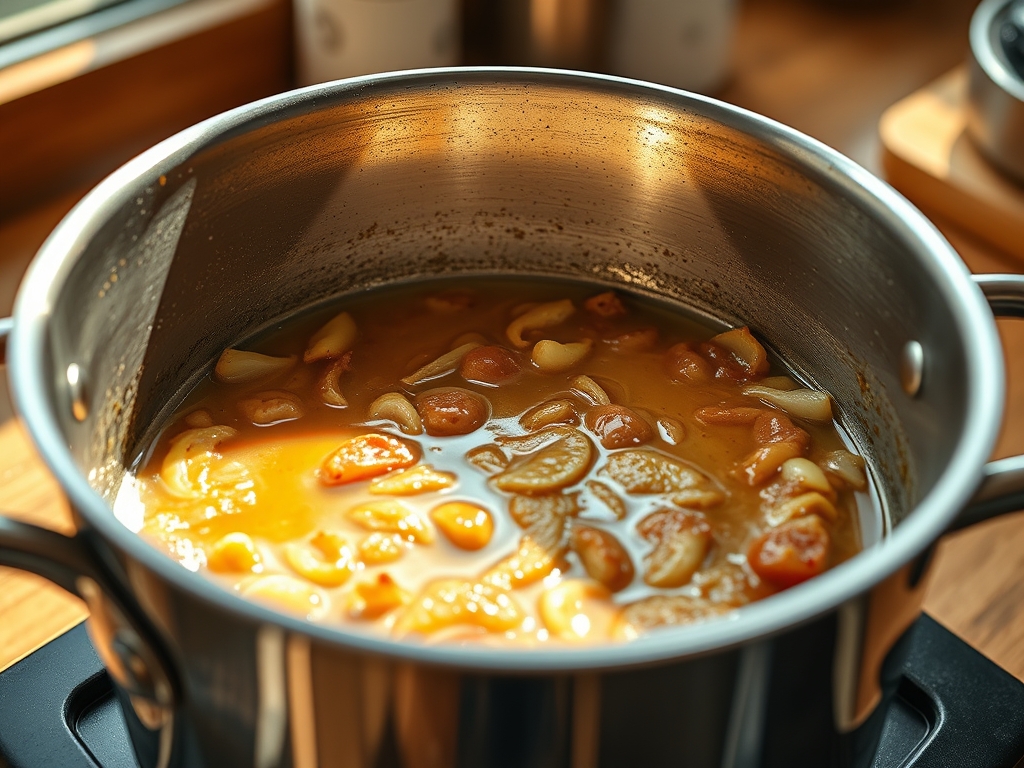
Step 1: The Lipid Integration
Pulse the chilled butter, cream cheese, and salt in a food processor until the mixture resembles coarse sand. Add the flour and pulse just until a shaggy mass forms. Do not overwork the dough; we need visible streaks of fat to ensure lamination.
Pro Tip: Use a digital scale for the lipids. Even a 5-gram variance in butter can lead to a dough that is too soft to hold its spiral, causing the "curly" effect to melt into a blob.
Step 2: The Cryogenic Rest
Divide the dough into four equal discs, wrap tightly in plastic, and refrigerate for at least two hours. This allows the gluten to relax and the fats to solidify, ensuring the dough remains manageable during the rolling phase.
Pro Tip: Cold dough is non-negotiable. If the dough exceeds 65 degrees Fahrenheit during handling, the fat will emulsify into the flour rather than staying in distinct layers, destroying the flaky texture.
Step 3: Precision Rolling and Filling
On a lightly floured surface, roll one disc into a 10-inch circle. Use a bench scraper to keep the edges clean. Spread a thin, translucent layer of preserves over the surface, then sprinkle with the cinnamon-sugar and minced walnuts.
Pro Tip: Do not overfill. A viscous layer of jam that is too thick will act as a lubricant, causing the layers to slide apart during the bake rather than bonding into a tight coil.
Step 4: The Concentric Cut and Coil
Use a pizza cutter or sharp knife to divide the circle into 8 or 12 wedges. Starting from the wide base, roll each wedge toward the point. Ensure the point is tucked underneath the cookie to prevent unravelling.
Pro Tip: The "curly" aesthetic is achieved by maintaining even tension. If you roll too loosely, you create air gaps; if too tight, the center will push out like a volcano. Aim for firm, consistent pressure.
Step 5: The Thermal Finish
Brush each rugelach with egg wash and sprinkle with Demerara sugar. Bake at 375 degrees Fahrenheit for 22 to 25 minutes until deep golden brown.
Pro Tip: Use a heavy-gauge baking sheet to prevent the bottoms from scorching before the interior is fully set. The high heat triggers the Maillard reaction, creating that complex, toasted flavor profile.
Section B: Prep & Timing Fault-Lines:
Timing is the silent killer of the Curly Rugelach. If you pull the dough from the fridge and let it sit while you "prep" your nuts and sugar, you have already lost. The fat will soften, and the dough will become a sticky nightmare. Audit Fix: Mise en place is mandatory. Have your filling components measured and ready before the dough leaves its cryogenic chamber. If the kitchen is over 75 degrees, work with one dough disc at a time while the others remain chilled.
THE VISUAL SPECTRUM
Section C: Thermal & Visual Troubleshooting:
Referencing the Masterclass photo, your Curly Rugelach should exhibit a distinct "cinnamon swirl" visible from the side profile. If your cookies look pale and anemic, you likely under-baked or missed the egg wash; this results in a "pasty" mouthfeel rather than a crisp snap. If the filling has leaked out and charred on the pan, your preserves were either too thin or you rolled the dough too loosely. Look for a "shattered glass" texture on the surface sugar; this indicates the heat was high enough to caramelize the sucrose without burning the delicate pastry underneath.
THE DEEP DIVE
Macro Nutrition Profile:
Each unit typically contains 140 calories, 9g fat, 14g carbohydrates, and 2g protein. The high fat content is what provides the signature "short" texture.
Dietary Swaps:
- Vegan: Substitute butter with a high-fat plant-based block and use a vegan "cream cheese" alternative based on almond or cashew fats. Use an apricot glaze instead of an egg wash.
- Gluten-Free: A high-quality 1-to-1 GF flour blend containing xanthan gum works well, though the dough may require an extra 15 minutes of chilling to manage stickiness.
Meal Prep & Reheating Science:
These cookies are structurally stable. Store in an airtight container for up to 7 days. To restore the molecular crispness of the outer layer, reheat in a 300-degree oven for 5 minutes. Avoid the microwave; it will agitate the water molecules and turn your masterpiece into a rubbery disappointment.
THE KITCHEN TABLE
Why is my dough cracking when I roll it?
The dough is likely too cold or under-hydrated. Let it sit at room temperature for five minutes to slightly soften the outer lipids, or ensure you didn't over-measure the flour during the initial mix.
Can I use chocolate chips instead of nuts?
Yes, but they must be finely chopped. Large chunks will puncture the delicate dough layers and disrupt the concentric distribution, leading to a structural collapse during the thermal expansion phase.
My rugelach unrolled in the oven. What happened?
The "tail" or point of the wedge must be tucked firmly underneath the cookie. If it sits on the side or top, the steam generated during baking will force the coil to expand and unfurl.
How do I get that professional shine?
The secret is the egg wash. Whisk one egg with a teaspoon of water and a pinch of salt. The salt breaks down the egg proteins, allowing for a smoother, more even infusion of color.