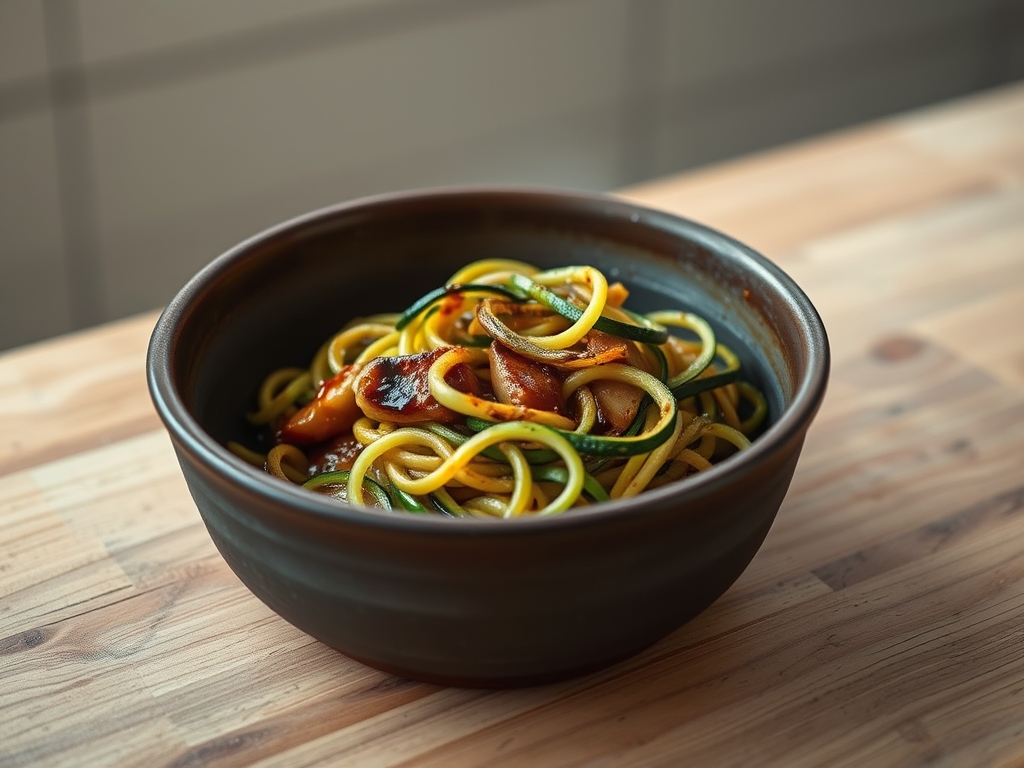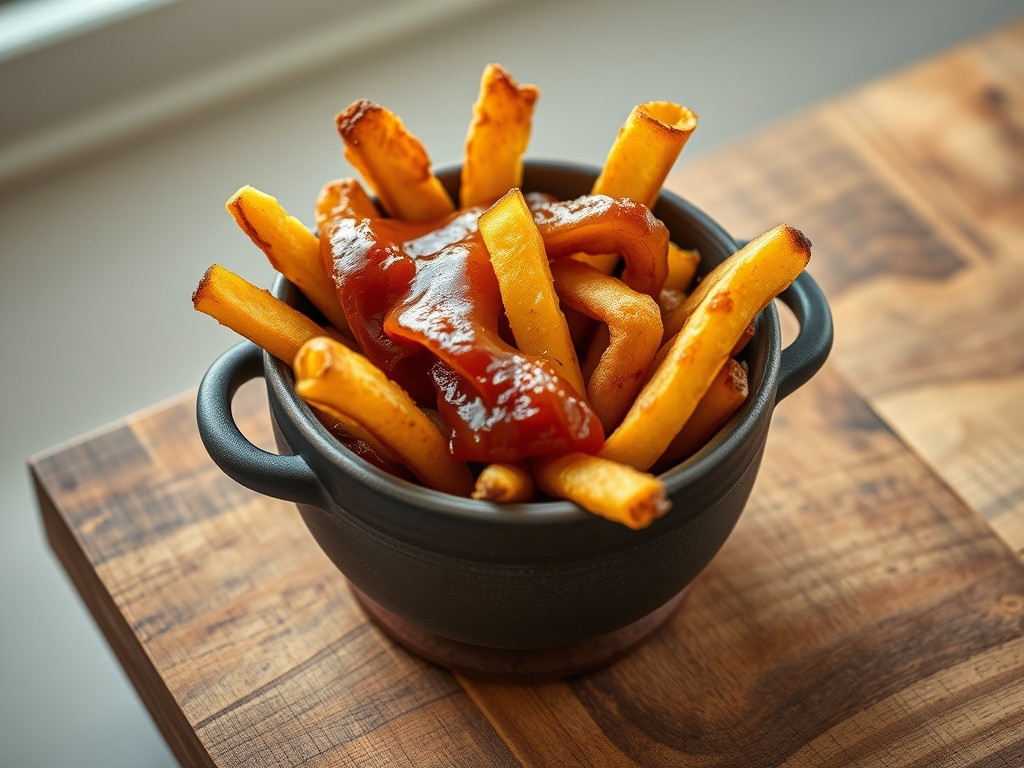
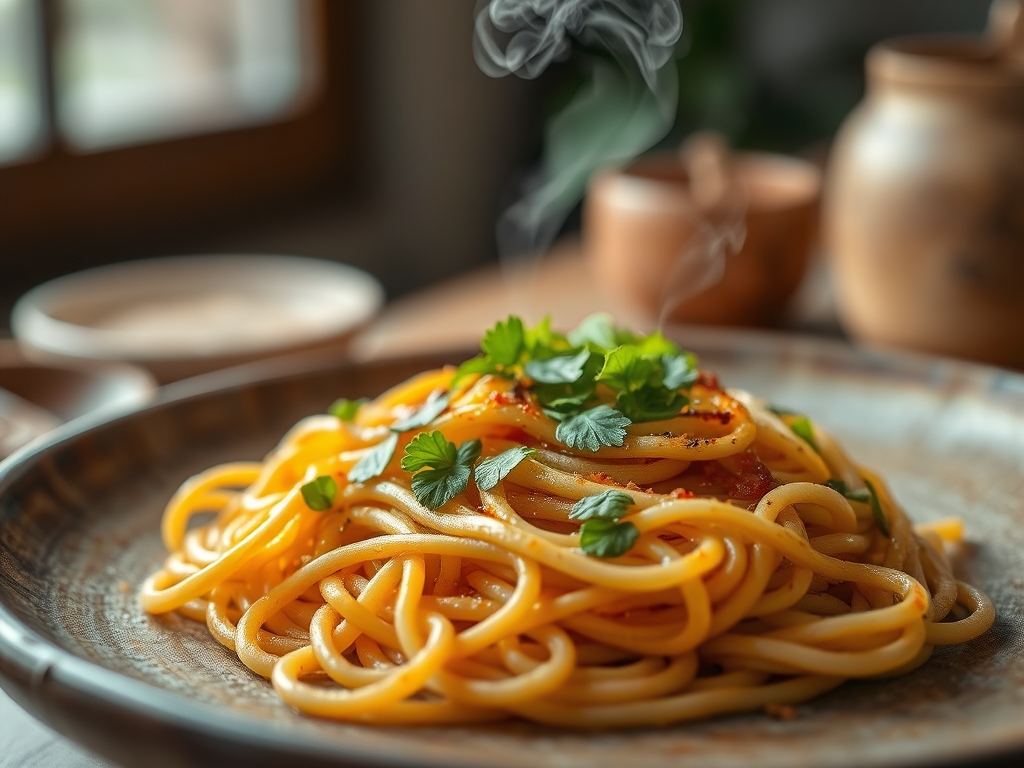
Listen up, kitchen architects and starch enthusiasts. We are not just boiling water today; we are managing a high-stakes structural engineering project involving thin-phase elasticity. The humble Curly Vermicelli is often dismissed as a side dish, but in this lab, it is the primary substrate for flavor delivery. Imagine a labyrinth of golden, intertwined strands that trap sauce through capillary action. When you drop these nests into a searing pan, you are witnessing the rapid dehydration of the noodle surface, creating a micro-crunch that gives way to a tender, springy interior. This is a sensory assault of textures. The smell of toasted grain and the hiss of cold liquid hitting a hot saucier are your primary feedback loops. We are aiming for a dish that is visually chaotic yet structurally sound. If you treat your noodles like an afterthought, they will reward you with a gummy, uninspired mess. If you treat them like the precision-engineered filaments they are, you will achieve culinary transcendence. Let us audit your station and begin the build.
THE DATA MATRIX
| Metric | Specification |
|---|---|
| Prep Time | 15 Minutes |
| Execution Time | 12 Minutes |
| Yield | 4 Servings |
| Complexity (1-10) | 4 |
| Estimated Cost per Serving | $1.85 |
THE GATHERS
Ingredient Protocol:
- 225g / 8oz Curly Vermicelli (Rice or Wheat based)
- 30ml / 2 tbsp Neutral High-Smoke Point Oil (Grapeseed or Avocado)
- 45ml / 3 tbsp Toasted Sesame Oil
- 60ml / 1/4 cup Low-Sodium Soy Sauce or Tamari
- 15g / 1 tbsp Fresh Ginger, finely grated
- 3 cloves Garlic, microplaned
- 10g / 2 tsp Granulated Sugar or Honey
- 5ml / 1 tsp Chili Crisp or Sriracha
- 120ml / 1/2 cup Filtered Water or Bone Broth
- 2 Scallions, bias-cut for garnish
Section A: Ingredient Quality Audit:
If your Curly Vermicelli feels brittle or shows signs of "dusting" in the package, the starch has likely retrograded due to poor storage. To fix this, increase your initial soaking time by two minutes in tepid water to rehydrate the core before it hits the pan. If your garlic is sprouting green "hearts," remove them immediately; those embryos contain sulfurous compounds that will turn bitter when they render in the oil. For soy sauces that taste purely of salt without depth, infuse them with a small piece of dried kombu for ten minutes prior to use to boost the umami profile.
THE MASTERCLASS
1. Hydration Calibration
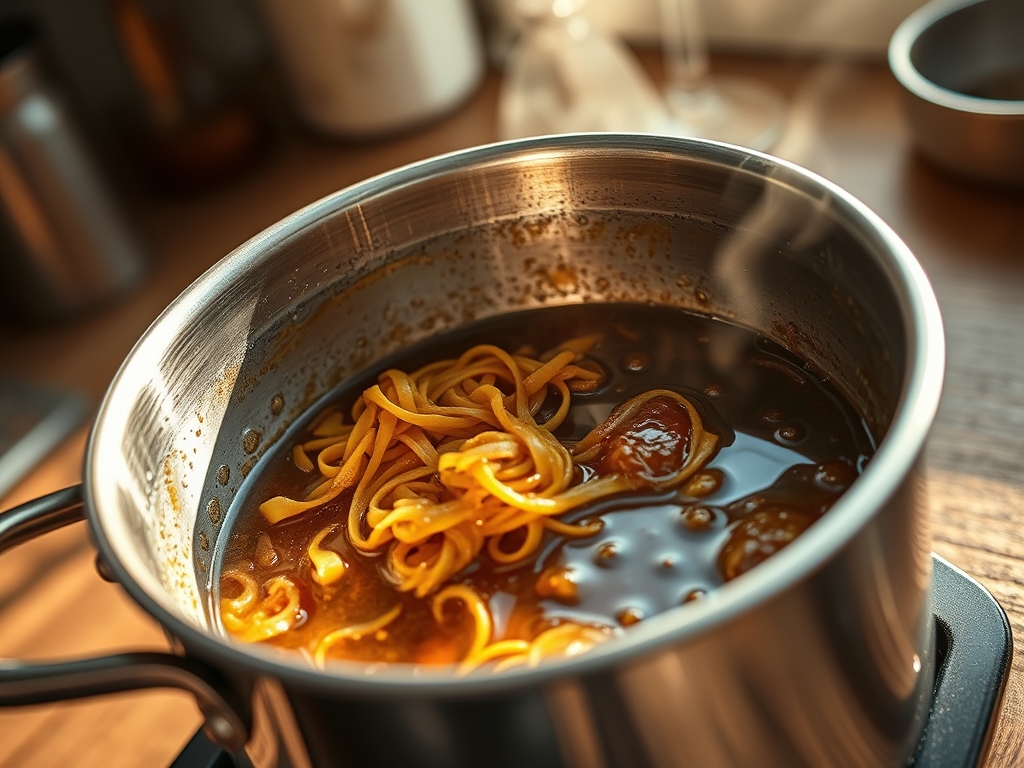
Place your Curly Vermicelli in a large heat-proof bowl and cover with boiling water for exactly three minutes. You are not cooking them fully; you are initiating the gelatinization of the outer starch layer. Drain immediately using a fine-mesh colander and rinse with cold water to halt the thermal carry-over.
Pro Tip: Use a digital scale to weigh your noodles before soaking. Precision ensures that your sauce-to-starch ratio remains constant, preventing a dry or soggy end product.
2. The Aromatics Infusion
Set your saucier or wok over medium-high heat. Add the neutral oil and wait for the first sign of shimmering. Toss in the ginger and garlic. Stir constantly for 45 seconds until the kitchen smells like a five-star galley. Do not let the garlic brown; we want a viscous aromatic base, not a burnt one.
Pro Tip: Use a silicone spatula to scrape the bottom of the pan continuously. This ensures the aromatics don't stick to the hot spots of the metal, allowing for even heat distribution.
3. The Maillard Interaction
Increase the heat to high and add the drained noodles. Use a bench scraper or long kitchen tongs to toss the noodles aggressively. You are looking for "breath of the wok" or "wok hei." The goal is to sear the edges of the Curly Vermicelli to create structural integrity and deep flavor.
Pro Tip: Spreading the noodles out against the sides of the pan increases the surface area contact. This maximizes the Maillard reaction, turning simple sugars into complex, savory compounds.
4. Emulsified Glazing
Whisk the soy sauce, sugar, chili crisp, and water in a small beaker. Pour this mixture around the edges of the pan rather than directly onto the noodles. This allows the liquid to deglaze the pan surface before it is absorbed by the starch. Toss until the liquid reduces and coats every strand in a glossy sheen.
Pro Tip: The sugar in the sauce acts as a binding agent. As the water evaporates, the sugar and oils form a stable emulsion that clings to the curly architecture of the vermicelli.
5. The Final Aeration
Turn off the heat and drizzle the toasted sesame oil over the top. Toss one last time to aerate the mixture, which prevents the noodles from clumping into a singular mass as they cool slightly. Garnish with scallions and serve immediately.
Pro Tip: Never cook toasted sesame oil over high heat. Its smoke point is low, and the delicate volatile aromatics will vanish if exposed to extreme temperatures for too long.
Section B: Prep & Timing Fault-Lines:
The most common failure in noodle infrastructure is "Starch-Lock," where the noodles turn into a solid brick. This happens when you drain the noodles and let them sit without tossing them in oil or rinsing them. If this occurs, do not try to pull them apart by force. Submerge the brick in warm water for 30 seconds to dissolve the surface starch glue. Another timing error is the "Cold Pan Syndrome." If the noodles don't sizzle the moment they hit the oil, they will absorb the fat and become greasy rather than seared.
THE VISUAL SPECTRUM
Section C: Thermal & Visual Troubleshooting:
Referencing the Masterclass photo, your Curly Vermicelli should exhibit a variegated color palette ranging from pale cream to deep amber. If your noodles look monochromatic and dull, you likely skipped the high-heat searing phase or used too much water in the sauce. The "curls" should remain distinct and bouncy. If they look limp or "melted," the initial hydration step was too long. Note the "sheen" in the reference image; this is achieved by the proper emulsification of oils and sugars. If your dish looks matte or dry, add a tablespoon of pasta water or broth at the very end to re-moisturize the surface starches.
THE DEEP DIVE
Macro Nutrition Profile:
A standard serving of these noodles provides approximately 350 calories, 45g of carbohydrates, 12g of fat, and 6g of protein. While starch-heavy, the addition of ginger and garlic provides bioactive compounds like gingerol and allicin, which assist in digestion and metabolic function.
Dietary Swaps:
- Vegan: This recipe is naturally vegan if using sugar or agave.
- Keto: Substitute the vermicelli with shirataki (konjac) noodles. Note that shirataki requires a longer "dry fry" in the pan to remove excess moisture.
- GF: Ensure your soy sauce is certified gluten-free or use coconut aminos for a piquant alternative.
Meal Prep & Reheating Science:
To maintain the molecular structure during reheating, avoid the microwave if possible. The microwave agitates water molecules unevenly, leading to rubbery noodles. Instead, use a skillet with a splash of water and a lid. The steam will gently re-hydrate the starch matrix without destroying the elastic bonds.
THE KITCHEN TABLE
Why are my noodles sticking to the pan?
The pan wasn't hot enough or you didn't use enough neutral oil. The noodles need a fat barrier to prevent the starches from bonding to the metal surface. Always wait for the oil to shimmer before adding solids.
Can I use rice vermicelli instead of wheat?
Absolutely. Rice vermicelli is more delicate and requires only a two-minute soak. It provides a lighter, snappier texture that excels at absorbing thin, vinegar-based sauces.
How do I get that "smoky" flavor without a wok?
Use a heavy cast-iron skillet. Its high thermal mass allows it to maintain extreme heat even when cold noodles are added, mimicking the searing environment of a professional wok.
My sauce is too salty, how do I fix it?
Do not add more water; it will ruin the texture. Instead, add a splash of rice vinegar or a squeeze of lime. The acidity will cut through the sodium perception and balance the flavor profile.