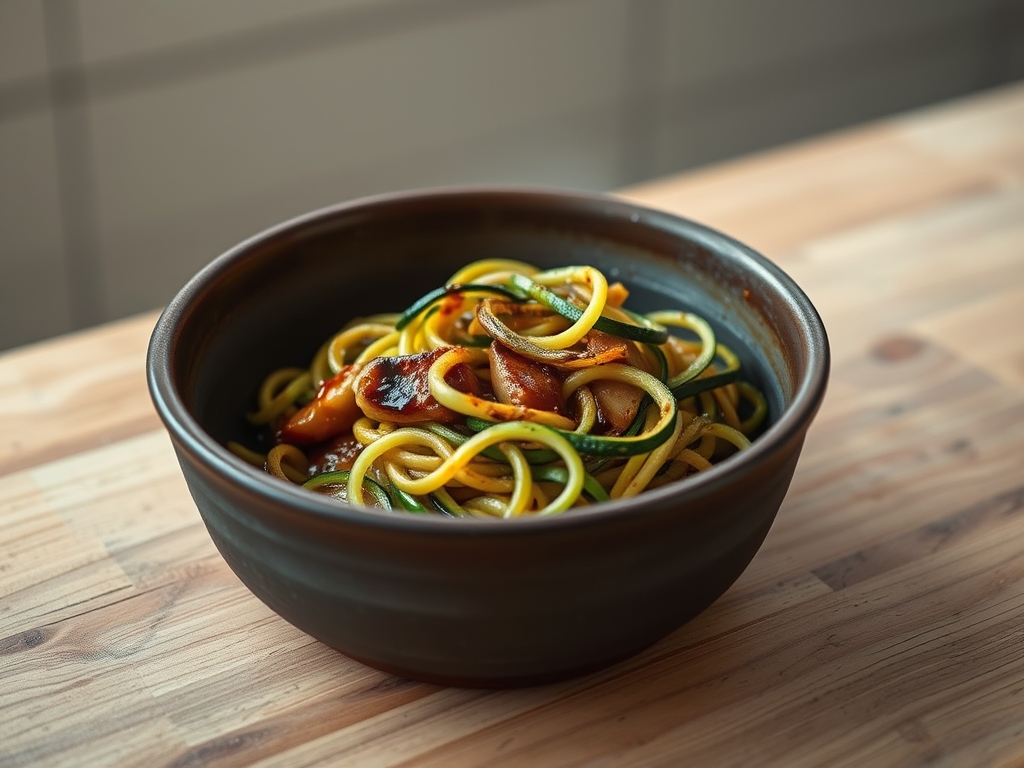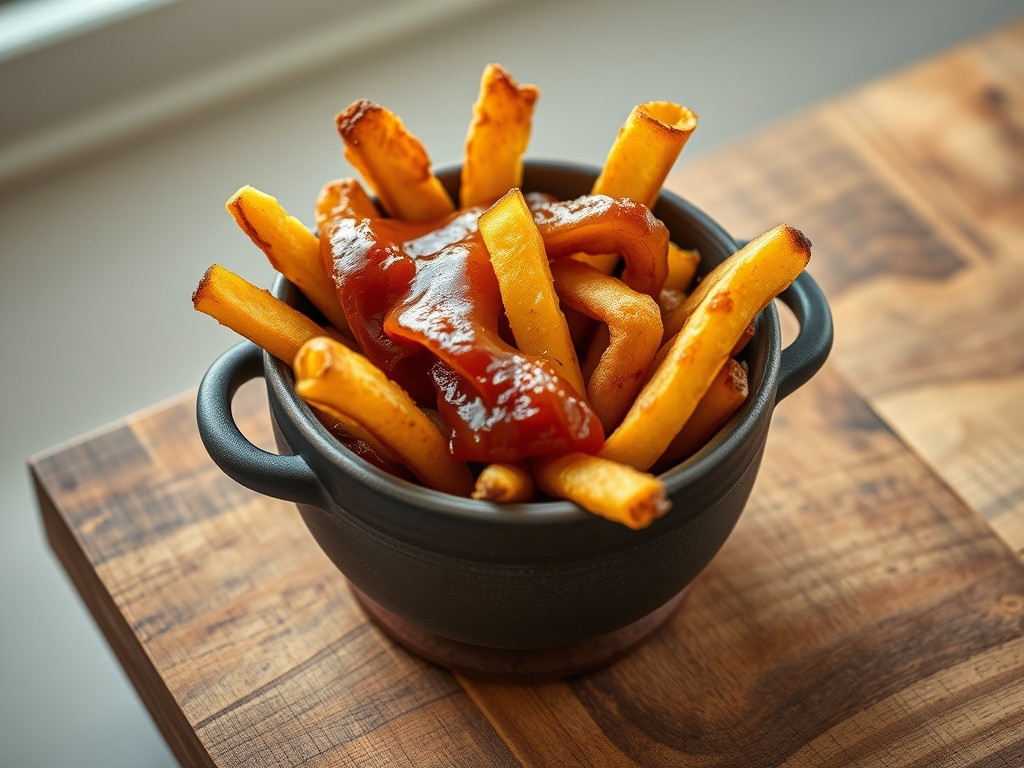
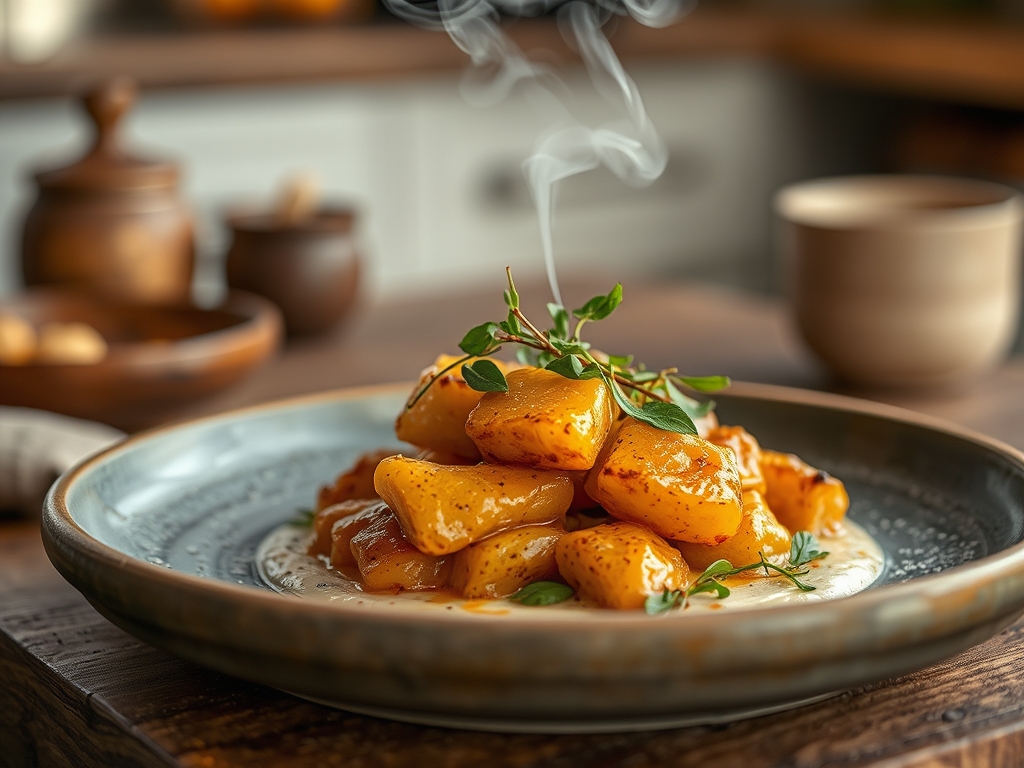
Imagine a radiator. Not the clunky, rusted iron beast squatting in the corner of a pre-war apartment; but a precision-engineered cooling fin designed to maximize thermal dissipation. Now, shrink that architecture down to a bite-sized piece of extruded semolina. This is not just pasta; it is the Radiatori Infrastructure. It is a masterpiece of industrial design disguised as dinner. Each ruffle, each concentric ring, and each hollow core exists for a singular, aggressive purpose: to increase surface area to its absolute physical limit. In the culinary theater, surface area is the primary currency of flavor. More surface area means more friction for the sauce to cling to; more nooks for viscous emulsions to hide in; and more contact points for your palate to register the piquant punch of a perfectly balanced ragu. We are not merely boiling water today. We are stress-testing a structural marvel of the carbohydrate world. If you treat this like a standard bowl of spaghetti, you have already failed the audit. We demand structural integrity and maximum sauce retention.
THE DATA MATRIX
| Metric | Specification |
|---|---|
| Prep Time | 20 Minutes |
| Execution Time | 25 Minutes |
| Yield | 4 Standard Units (Servings) |
| Complexity (1-10) | 4 (Technical Precision Required) |
| Estimated Cost per Serving | $3.50 USD |
THE GATHERS
Ingredient Protocol:
- 500g / 1.1 lbs Radiatori Pasta (Bronze-die extruded is non-negotiable)
- 400g / 14 oz Italian Whole Peeled Tomatoes (Hand-crushed)
- 150g / 5.3 oz Guanciale or Pancetta (Small dice)
- 100g / 1 cup Pecorino Romano (Finely grated)
- 250ml / 1 cup Dry White Wine (Vermentino or Pinot Grigio)
- 30ml / 2 tbsp Extra Virgin Olive Oil
- 4 cloves Fresh Garlic (Slivered)
- 5g / 1 tsp Red Chili Flakes
- 10g / 0.35 oz Fresh Basil Leaves
Section A: Ingredient Quality Audit:
The most common failure in Radiatori Infrastructure is the use of Teflon-extruded pasta. Teflon dies create a slick, smooth surface that causes sauce to slide off like rain on a windshield. Always audit your pasta box for a dusty, matte finish; this indicates a bronze-die extrusion which provides the microscopic texture needed for sauce adhesion. If your tomatoes taste metallic or overly acidic, do not attempt to mask it with sugar. Instead, infuse the sauce with a pinch of baking soda to neutralize pH levels or add a knob of cold butter at the end to round out the sharp edges. If your guanciale refuses to render its fat, your heat is too high. Start with a cold pan to ensure the lipids liquefy before the exterior scorches.
THE MASTERCLASS
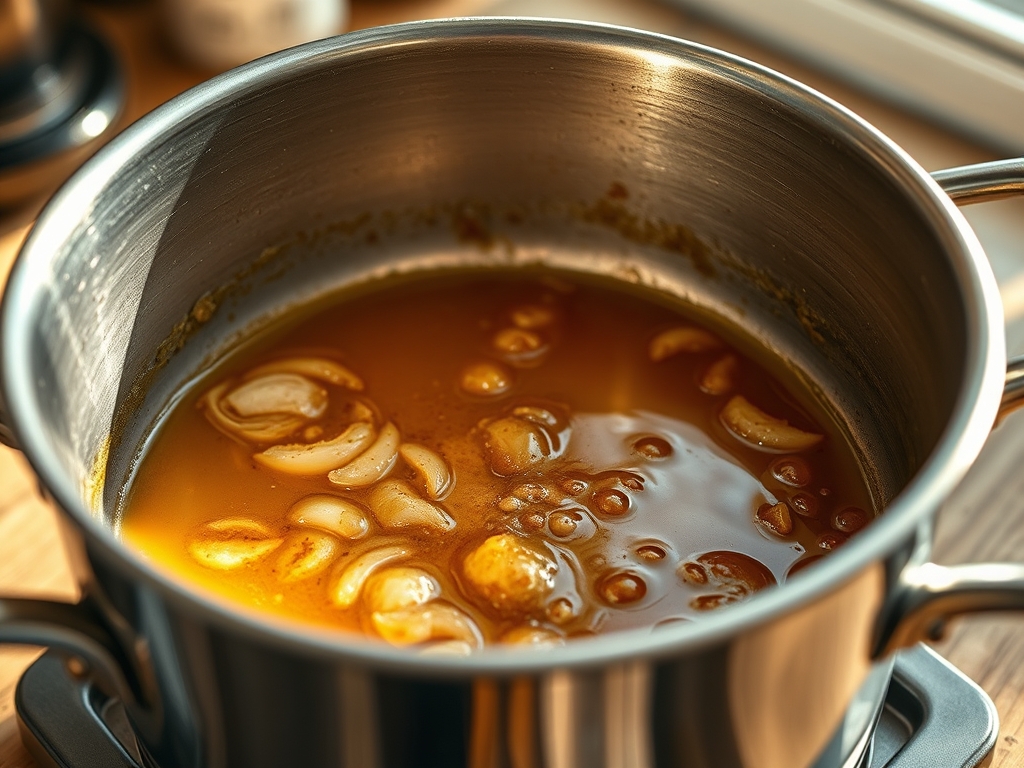
1. Thermal Loading of the Saucier
Place your saucier over medium-low heat and add the diced guanciale. We are looking for a slow render here. The goal is to transform the solid fat into a liquid gold base while the meat becomes crispy and translucent. Use a bench scraper to move the bits around, ensuring no sticking occurs.
Pro Tip: Using a curved-wall saucier instead of a flat-bottomed skillet allows for better whisking and prevents sauce from "dying" in the sharp corners of the pan.
2. Aromatics and Deglazing
Once the fat has rendered, add the slivered garlic and chili flakes. Watch for the garlic to turn a pale straw color; do not let it brown. Immediately pour in the white wine to deglaze the pan. Scrape up any fond (the brown bits) from the bottom. This is where the deep umami lives.
Pro Tip: Alcohol acts as a flavor bridge. It dissolves fat-soluble flavor compounds that water or oil cannot reach, creating a more complex sensory profile.
3. The Tomato Integration
Add the hand-crushed tomatoes to the pan. Increase the heat to medium and bring the mixture to a low simmer. Use your digital scale to measure out exactly 5 grams of salt; though you should adjust based on the saltiness of your cheese later. Let the sauce reduce until it is viscous enough to coat the back of a spoon.
Pro Tip: Hand-crushing tomatoes instead of blending them preserves the pectin and structural cells of the fruit, resulting in a chunkier, more "industrial" texture.
4. Precision Hydration
Boil a large pot of highly salted water. It should taste like the Mediterranean Sea. Drop the Radiatori and set a timer for two minutes less than the box instructions. We are aiming for a "firm to the tooth" texture that will finish cooking inside the sauce.
Pro Tip: Pasta water is "liquid gold." It contains released starches that act as a natural emulsifier. Always reserve at least 250ml before draining.
5. The Emulsification Event
Transfer the undercooked pasta directly into the saucier using a spider strainer. Add a splash of the reserved pasta water. Toss vigorously over high heat. This mechanical action encourages the starch and fat to aerate and bind, creating a glossy coating that fills every fin of the Radiatori.
Pro Tip: This process is called "mantecare." The vigorous tossing creates a stable emulsion between the pasta starches and the rendered fats.
Section B: Prep & Timing Fault-Lines:
Timing is the silent killer of the Radiatori Infrastructure. If the pasta sits in the colander for even sixty seconds, the surface starches will cool and set, turning the pasta into a gummy, unworkable mass. You must move the pasta from the water to the sauce with zero latency. If the sauce becomes too thick or "breaks" (oil separating from the solids), immediately whisk in a tablespoon of hot pasta water to re-emulsify the mixture.
THE VISUAL SPECTRUM
Section C: Thermal & Visual Troubleshooting:
In the reference photo, notice the "high-gloss" finish on the pasta fins. This is the visual cue for a successful emulsion. If your dish looks dull or matte, you lacked sufficient pasta water or fat. If the sauce is pooling at the bottom of the bowl rather than clinging to the ridges, the sauce was too thin. The color should be a vibrant, sunset orange; a result of the white wine and tomato acids reacting with the rendered pork fat. If the color is a dark, muddy red, you have over-reduced the tomatoes, and the sugars have begun to caramelize too heavily.
THE DEEP DIVE
Macro Nutrition Profile:
A single serving provides approximately 550 calories, 18g of protein, 72g of carbohydrates, and 22g of fat. The high fat content is primarily from the guanciale and Pecorino, providing long-burning fuel and high satiety levels.
Dietary Swaps:
- Vegan: Replace guanciale with smoked sun-dried tomatoes and use nutritional yeast or a cashew-based "parmesan" for the salty finish.
- Keto/GF: Use a high-quality chickpea or lentil-based Radiatori. Note that these gluten-free variants have less structural integrity and should be cooked 3 minutes less than the package suggests to avoid disintegration.
Meal Prep & Reheating Science:
To maintain molecular structure when reheating, avoid the microwave. The microwave vibrates water molecules too rapidly, causing the starch bonds to shatter and turn the pasta mushy. Instead, reheat in a small pan with two tablespoons of water or broth to re-hydrate the emulsion.
THE KITCHEN TABLE
Why use Radiatori instead of Penne?
Penne has a smooth internal chimney that allows sauce to slide through. Radiatori has a massive surface-area-to-volume ratio, meaning it traps three times more sauce per gram of pasta than tubular shapes.
Can I use canned tomato sauce?
Negative. Canned sauce is often over-processed and lacks the structural pectin required to bind with the pasta starch. Stick to whole peeled tomatoes and crush them yourself for the best architectural results.
My cheese is clumping. What happened?
The sauce was too hot when the cheese was added. High heat causes proteins in cheese to tighten and squeeze out fats, resulting in clumps. Remove the pan from the heat before folding in your Pecorino.
How do I get that restaurant-style shine?
The secret is the "mantecare" step. By tossing the pasta aggressively with starchy water and fat, you create a microscopic suspension of oil in water, which reflects light and creates that professional, glossy sheen.