Listen to the sound of boiling water. It is not just a roar; it is the sound of kinetic energy preparing to interact with the architectural marvel known as Gemelli. Most home cooks see pasta as a simple starch. They are wrong. This is a structural engineering project. We are conducting a Gemelli Twist Audit to ensure that every single s-shaped strand functions as a high-performance reservoir for sauce. The Gemelli is a double-helix of dough, twisted together to create deep, longitudinal grooves. These channels are designed for maximum surface area contact. When you toss them into a pan, you are not just mixing food; you are optimizing a delivery system for lipids and aromatics. If your sauce is sliding off the pasta, your infrastructure has failed. We are here to fix the friction coefficients and ensure that every bite delivers a piquant explosion of flavor. Prepare your station. We are moving from culinary chaos to systematic excellence.
THE DATA MATRIX
| Metric | Specification |
|---|---|
| Prep Time | 15 Minutes |
| Execution Time | 20 Minutes |
| Yield | 4 Servings |
| Complexity (1-10) | 4 |
| Estimated Cost per Serving | $3.50 |
THE GATHERS
Ingredient Protocol:
- 454g / 1 lb Gemelli Pasta (Bronze-die extruded preferred)
- 115g / 0.5 cup Unsalted High-Fat Butter
- 60ml / 0.25 cup Extra Virgin Olive Oil
- 4 Large Cloves of Garlic (Smashed and minced)
- 5g / 1 tsp Red Pepper Flakes
- 120ml / 0.5 cup Dry White Wine (Pinot Grigio or Sauvignon Blanc)
- 100g / 1 cup Freshly Grated Pecorino Romano
- 1 Large Lemon (Zested and juiced)
- 15g / 0.5 cup Fresh Italian Parsley (Finely chopped)
- Reserved Pasta Water (The "Liquid Gold")
Section A: Ingredient Quality Audit:
The most common failure in this audit is the use of Teflon-extruded pasta. These noodles are too smooth; they lack the micro-fissures required for sauce adhesion. Always source bronze-die Gemelli, which features a matte, dusty surface. If your garlic is sprouting green "hearts," remove them. Those sprouts contain bitter compounds that will survive the sauté and ruin the delicate balance of the butter sauce. If your cheese is pre-shredded in a plastic tub, discard it immediately. The cellulose anti-clumping agents will prevent the cheese from emulsifying, resulting in a grainy, broken sauce rather than a viscous coating. Use a microplane to grate your cheese fresh.
THE MASTERCLASS
1. Hydration and Salinity Calibration
Bring 4 liters of water to a rolling boil in a heavy-bottomed stockpot. Add 30g of kosher salt. The water must taste like the sea to properly season the interior of the Gemelli twist. Drop the pasta and set a timer for two minutes less than the package directions. We are aiming for a rigid al dente.
Pro Tip: Use a digital scale to measure your salt. Volumetric measurements of salt are notoriously inaccurate due to varying grain sizes. Proper salinity levels change the way starch molecules swell, ensuring a firm bite.
2. The Aromatic Infusion
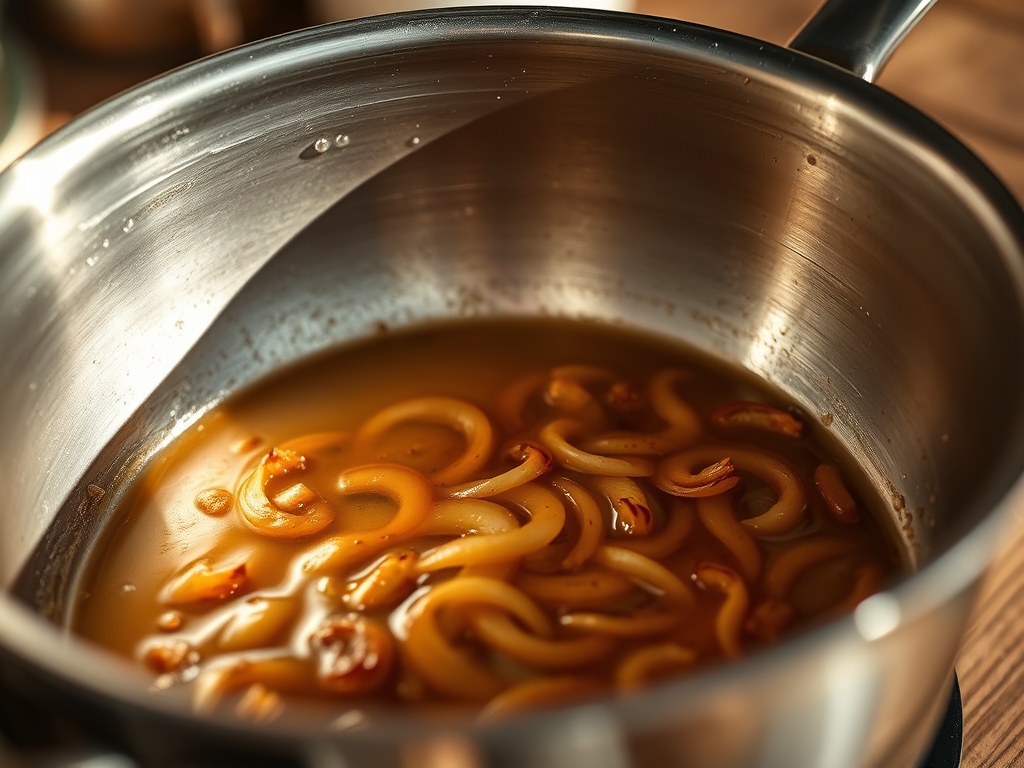
While the pasta hydrates, place a stainless steel saucier over medium-low heat. Add the olive oil and butter. Once the butter begins to foam, add the minced garlic and red pepper flakes. We want to render the garlic until it is translucent and fragrant, not browned.
Pro Tip: This is a cold-start infusion. By adding garlic to cool fats and raising the temperature slowly, you infuse the lipids with flavor without scorching the delicate sugars in the garlic.
3. Deglazing the Infrastructure
Increase the heat to medium-high. Pour in the white wine to deglaze the pan. Use a bench scraper or wooden spoon to lift any caramelized bits. Allow the liquid to reduce by half. This concentrates the acidity and removes the harsh ethanol bite.
Pro Tip: The reduction phase is critical for the "body" of the sauce. As the water evaporates, the remaining tartaric acids provide the structural backbone that cuts through the heavy fats of the butter and cheese.
4. The Starch-Lipid Emulsion
Using a spider strainer, transfer the Gemelli directly from the boiling water into the saucier. Do not drain the pasta in a colander. Add 120ml of the starchy pasta water to the pan. Toss vigorously over high heat. The mechanical agitation combined with the starch from the water will aerate and bind the oil and butter into a creamy emulsion.
Pro Tip: This is the "mantecatura" phase. The starch acts as a bridge between the water-based wine and the oil-based butter, creating a unified, viscous coating that clings to the Gemelli's S-shaped grooves.
5. Final Assembly and Zest
Turn off the heat. This is vital. If the heat is too high when you add the cheese, the proteins will clump. Shower the pasta with Pecorino Romano, lemon zest, and parsley. Toss until the cheese melts into the sauce. Add a squeeze of lemon juice to brighten the profile.
Pro Tip: Residual heat is sufficient for melting high-quality fats. Keeping the pan on the burner at this stage will cause the emulsion to break, leaving you with a pool of oil at the bottom of the bowl.
Section B: Prep & Timing Fault-Lines:
Timing is the most frequent point of failure in the Gemelli Twist Audit. If the pasta sits in a colander for even sixty seconds, the surface starches will dry and become tacky, preventing the sauce from penetrating the twists. You must move the pasta directly from the pot to the pan. If your sauce looks too thick or "gluey," it is likely that your pasta water was too saturated with starch; simply whisk in an extra splash of hot water to loosen the molecular bonds.
THE VISUAL SPECTRUM
Section C: Thermal & Visual Troubleshooting:
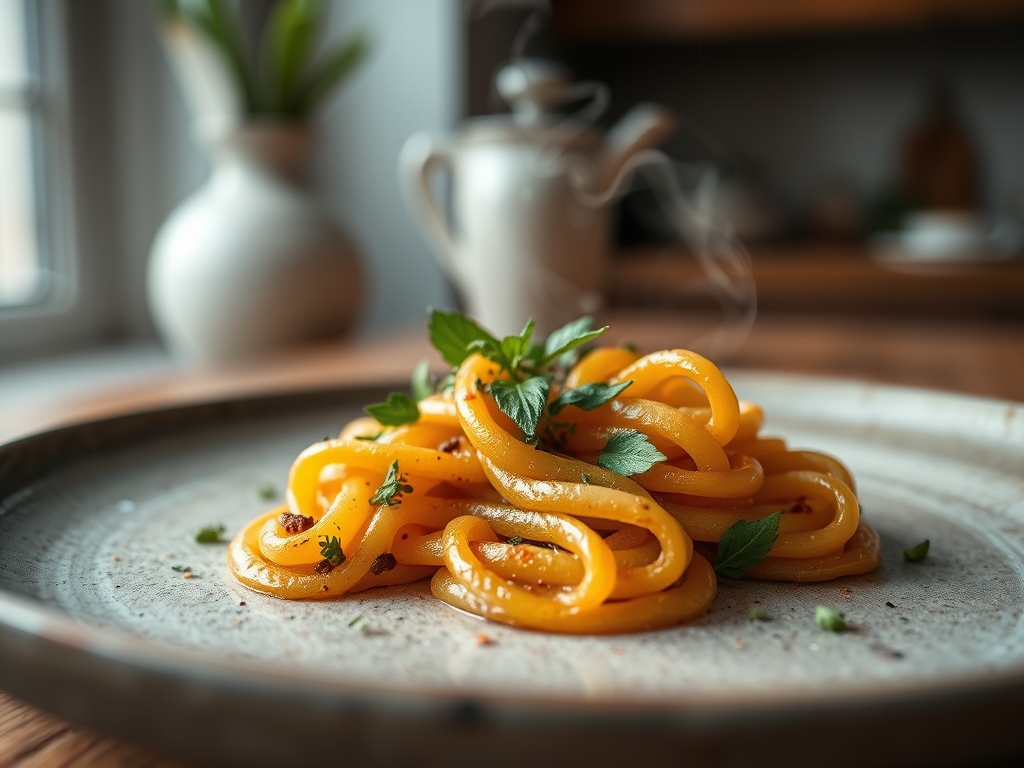
Examine the Masterclass photo. Notice the glossy, reflective sheen on the pasta. This indicates a successful emulsion. If your dish looks dull or matte, you lacked sufficient pasta water or fat. Look at the color of the garlic; it should be pale gold. If yours is dark brown, you have introduced a bitter carbon note that will overwhelm the lemon. The parsley should remain vibrant green. If it has turned olive-drab, you added it too early or the pan was too hot, causing the chlorophyll to degrade. Finally, ensure the Gemelli twists are still distinct. If they are breaking or unravelling, the pasta was overcooked during the initial hydration phase.
THE DEEP DIVE
Macro Nutrition Profile:
A standard serving provides approximately 580 calories. This breaks down into 65g of carbohydrates for sustained energy, 28g of fats (primarily monounsaturated from the olive oil), and 18g of protein from the wheat and Pecorino. It is a high-octane fuel source.
Dietary Swaps:
- Vegan: Replace butter with a high-quality vegan buttery spread and substitute the Pecorino with nutritional yeast and toasted breadcrumbs (pangrattato) for texture.
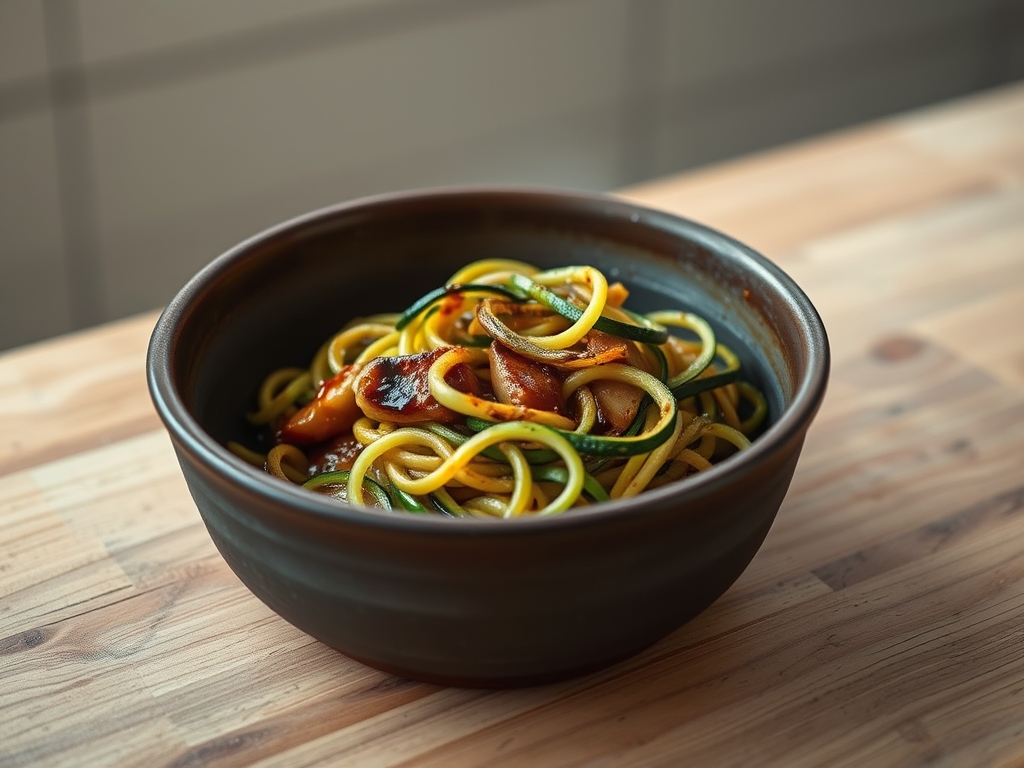
- Keto: Swap Gemelli for roasted cauliflower florets or zoodles. Note that the starch-based emulsion will not occur; you will need a touch of xanthan gum to thicken the sauce.
- GF: Use a high-quality brown rice or corn-based Gemelli. Be cautious, as GF pasta releases more starch and can become "mushy" quickly. Reduce boiling time by 3 minutes.
Meal Prep & Reheating Science:
Gemelli is excellent for meal prep because its structure holds up better than thin noodles. However, starches retrograde in the fridge, becoming hard. To reheat, add a tablespoon of water or milk to the container before microwaving. This creates steam that re-hydrates the starch molecules, restoring the original texture. Avoid high-power settings; use 60% power to prevent the fats from separating and becoming greasy.
THE KITCHEN TABLE
Why is my sauce watery at the bottom?
Your emulsion failed. This happens if you do not toss the pasta vigorously enough or if you lacked sufficient starch. Next time, let the sauce reduce further before adding the cheese to ensure a tighter bond.
Can I use bottled lemon juice?
Absolutely not. Bottled juice lacks the volatile oils found in fresh zest and has a flat, metallic acidity. The fresh lemon is the "high-note" that balances the entire infrastructure of the dish.
My garlic tasted bitter; what happened?
You likely sautéed it at too high a temperature. Garlic contains high levels of sugar that caramelize and then burn rapidly. Keep the heat low and slow until you add the wine to stabilize the temperature.
How do I get that restaurant-style gloss?
The secret is the "mantecatura." It is the vigorous tossing of the pasta with starchy water and cold fat at the very end. This creates a microscopic suspension of fat droplets that reflect light and coat the tongue.