The scent of caustic soda and toasted grain is not just a kitchen aroma; it is a chemical siren call that demands immediate attention. We are not merely baking today; we are engineering structural integrity through the medium of dough. When you bite into Soft Pretzel Twists, you are experiencing the violent collision of a high-protein crumb and a chemically altered mahogany crust. This is the pinnacle of snack infrastructure. The exterior must provide a snappy, alkaline resistance that gives way to a cloud-like, buttery interior. Most home cooks fail because they treat pretzel dough like standard bread. They lack the aggression required to dominate the gluten or the precision to manage the pH levels of the dipping bath. We are here to rectify those systemic failures. By the end of this audit, you will possess the technical blueprints to produce a twist that is structurally sound, aesthetically superior, and biologically addictive. Prepare your workspace; the Maillard reaction waits for no one.
THE DATA MATRIX
| Metric | Specification |
|---|---|
| Prep Time | 20 Minutes |
| Execution Time | 90 Minutes (Including Proofing) |
| Yield | 8 Large Twists |
| Complexity (1-10) | 6 (Technical Shaping Required) |
| Estimated Cost per Serving | $0.45 USD |
THE GATHERS
Ingredient Protocol:
- 500g / 4 cups Bread Flour (High protein content is non-negotiable)
- 300ml / 1.25 cups Warm Water (38C to 43C)
- 10g / 2 tsp Fine Sea Salt
- 15g / 1 tbsp Granulated Sugar
- 7g / 2.25 tsp Active Dry Yeast
- 55g / 4 tbsp Unsalted Butter (Melted and cooled)
- 1.5 Liters / 6 cups Water (For the alkaline bath)
- 60g / 0.5 cup Baking Soda
- 1 Large Egg (Beaten for the wash)
- Coarse Sea Salt or Pretzel Salt for finishing
Section A: Ingredient Quality Audit:
The primary failure point in Soft Pretzel Twists is often the flour. If you utilize All-Purpose flour, the protein structure will be too weak to support the "twist" architecture; the result will be a flaccid, pancake-like disappointment. To fix this, ensure your flour has at least 12.5 percent protein. If your yeast fails to aerate the mixture within ten minutes, your water temperature was likely too high, effectively murdering the microorganisms. Always verify your thermal data with a digital thermometer. Finally, if your baking soda bath is not concentrated enough, you will fail to achieve the deep mahogany color characteristic of a professional pretzel. The solution is to briefly bake your dry baking soda at 120C for an hour before use; this increases its alkalinity and ensures a more aggressive surface reaction.
THE MASTERCLASS
1. Hydration and Activation
Combine the warm water, sugar, and yeast in the bowl of a stand mixer. Let it sit until the mixture becomes viscous and foamy. This is the activation phase where the yeast begins to consume the sucrose and release carbon dioxide.
Pro Tip: Use a digital scale to measure your water by weight rather than volume. Water density changes with temperature; weight is the only constant in a high-stakes bakery environment.
2. Structural Integration
Add the melted butter, sea salt, and bread flour. Using the dough hook attachment, knead the mass on medium-low speed for approximately five to seven minutes. The dough should pull away from the sides of the bowl and feel elastic rather than sticky.
Pro Tip: Perform the "windowpane test." Stretch a small piece of dough; if it tears before becoming translucent, the gluten hasn't been sufficiently developed. Continue kneading to ensure the infrastructure can handle the tension of the twist.
3. The Bulk Fermentation
Place the dough in a lightly oiled bowl and cover with a damp cloth. Allow it to rise in a warm, draft-free environment until it has doubled in size. This usually takes about 60 minutes.
Pro Tip: Do not over-proof. If the dough expands too far, the yeast will exhaust its fuel supply, leading to a structural collapse during the boiling phase. Use a bench scraper to gently deflate the dough once it reaches the target volume.
4. Precision Division and Shaping
Divide the dough into eight equal portions. Roll each piece into a long rope, approximately 20 inches in length. To create the Soft Pretzel Twists, cross the ends of the rope, twist them twice, and fold the ends back toward the loop.
Pro Tip: If the dough keeps snapping back while you roll it, the gluten is too tense. Cover the ropes with a towel and let them rest for five minutes to relax the protein strands before the final shaping.
5. The Alkaline Immersion
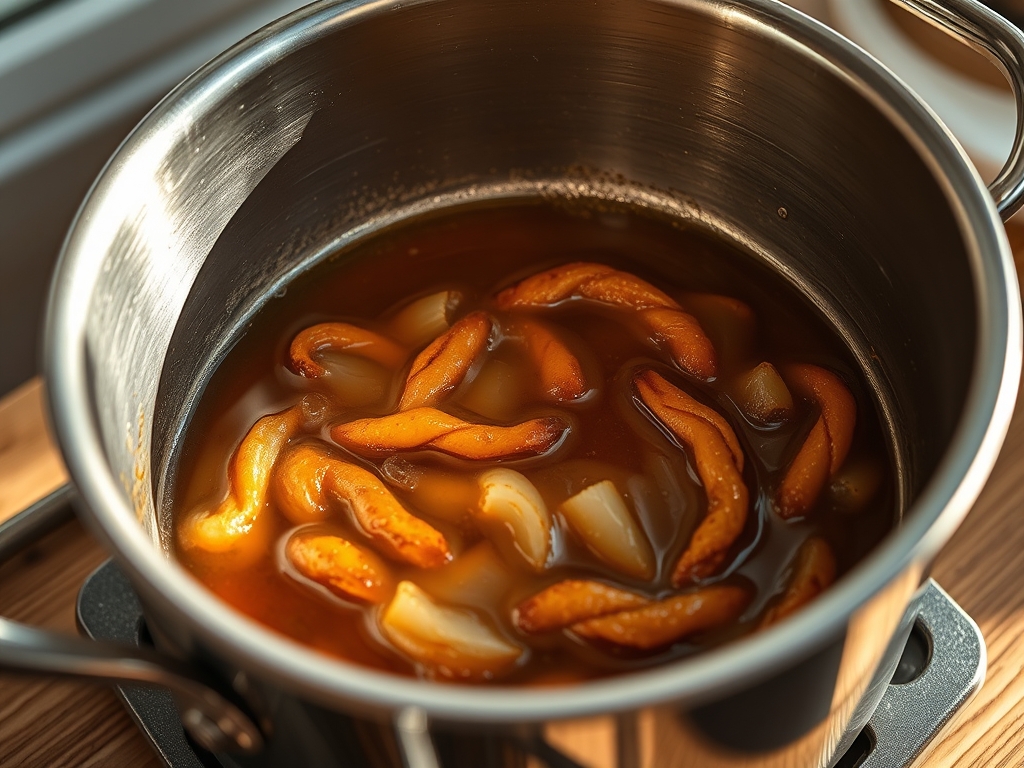
Bring the 1.5 liters of water and baking soda to a rolling boil in a wide saucier or pot. Submerge each pretzel for exactly 30 seconds. This process gelatinizes the starch on the surface, which is the prerequisite for the Maillard reaction.
Pro Tip: Use a slotted spatula to remove the pretzels. If they stay in the bath too long, they will develop a metallic, soapy aftertaste that ruins the flavor profile.
6. The Thermal Finish
Place the pretzels on a parchment-lined sheet. Brush with the egg wash and sprinkle generously with coarse salt. Bake at 230C (450F) for 10 to 12 minutes until they reach a deep, dark brown.
Pro Tip: Rotate your baking sheet halfway through the cycle. Home ovens often have "cold spots" that can lead to uneven browning. A professional baker never trusts the internal thermostat of a standard appliance.
Section B: Prep & Timing Fault-Lines:
The most common timing error occurs between the boil and the bake. If you let the wet pretzels sit on the tray for more than two minutes before entering the oven, they will stick to the parchment and lose their bottom crust integrity. Efficiency is paramount. Have your egg wash and salt ready before the first pretzel hits the water. If your dough is rising too slowly, do not increase the heat; instead, infuse the environment with moisture by placing a pan of boiling water at the bottom of your proofing oven.
THE VISUAL SPECTRUM
Section C: Thermal & Visual Troubleshooting:
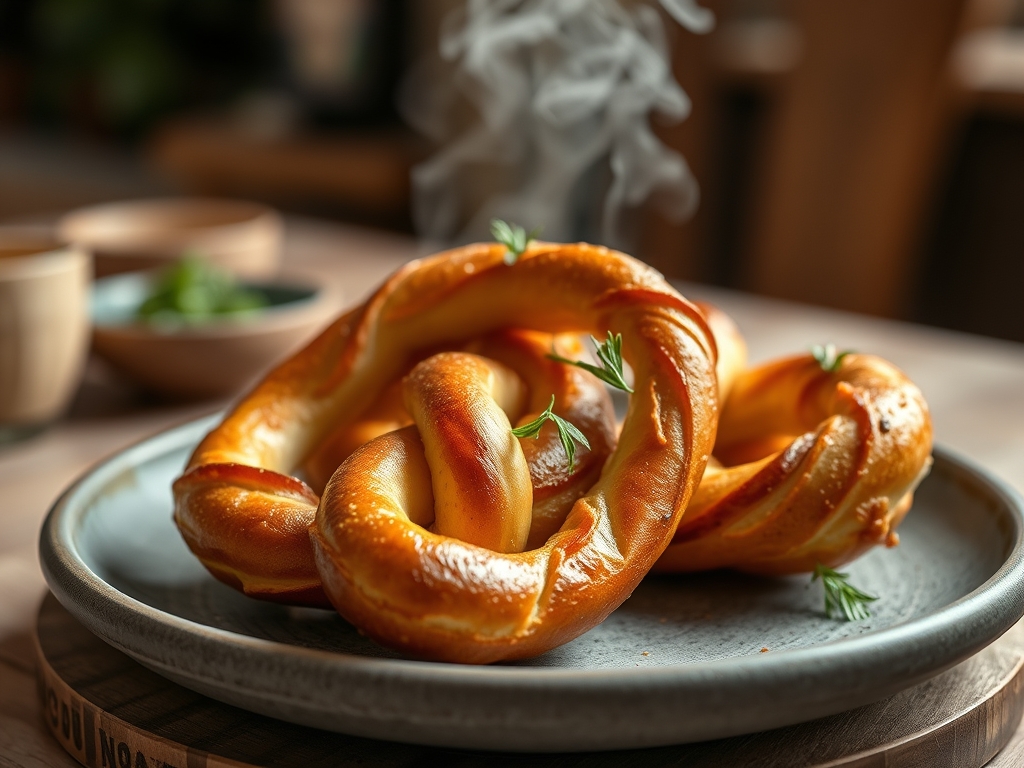
Referencing the Masterclass photo, observe the high-contrast finish. If your Soft Pretzel Twists appear pale or yellowish, your water bath was likely under-saturated or not hot enough. The "cracked" appearance on the surface is a sign of a successful oven spring; if your pretzels are smooth and tight, you likely over-handled the dough during the shaping phase, preventing the surface from expanding. If the salt has dissolved into the crust, you applied it while the pretzels were too wet. Ensure the egg wash has a moment to become tacky before the salt application to maintain those distinct, white crystals against the dark crust.
THE DEEP DIVE
Macro Nutrition Profile:
Each twist contains approximately 320 calories, 6g of fat, 58g of carbohydrates, and 9g of protein. While high in sodium due to the finishing salt, the lack of preservatives makes these a superior alternative to commercial "mall" pretzels.
Dietary Swaps:
- Vegan: Replace the butter with a high-quality vegan oil (like avocado oil) and swap the egg wash for a light coating of coconut milk or maple syrup diluted with water.
- Keto: This is difficult given the reliance on wheat protein. However, almond flour mixed with xanthan gum and mozzarella (the "Fathead" dough method) can simulate the texture, though it will lack the traditional alkaline snap.
- GF: Use a 1-to-1 gluten-free baking flour containing psyllium husk to provide the necessary elasticity for twisting.
Meal Prep & Reheating Science:
To maintain the molecular structure, do not microwave leftover pretzels; this turns the starch into a rubbery mess. Instead, mist the pretzel with a small amount of water and reheat in a 175C oven for five minutes. This re-hydrates the interior while crisping the exterior. For long-term storage, freeze the pretzels immediately after they cool and reheat directly from the freezer.
THE KITCHEN TABLE
Why are my pretzels tough instead of soft?
You likely over-floured the work surface. Excess flour gets incorporated into the dough during shaping, increasing the density. Use the smallest amount of friction possible to roll your ropes.
Can I use beer instead of water?
Absolutely. Replacing half the water with a malty lager will render a deeper flavor profile and provide additional sugars for a more intense browning reaction.
Why did my salt melt?
Humidity is the enemy. If you store pretzels in a plastic bag while they are still warm, the steam will dissolve the salt crystals. Always cool completely on a wire rack.
What if I don't have baking soda?
There is no substitute for the alkaline bath. Without it, you are simply making shaped bread. The chemical reaction is what defines the pretzel.
Is the egg wash mandatory?
While the alkaline bath provides color, the egg wash provides the "glaze" or sheen. Without it, the surface will be matte rather than glossy.