Listen up, kitchen architects; we are done with the era of the soggy, limp, and uninspired side dish. If your current vegetable prep involves a dull knife and a haphazard pile of uneven chunks, you are committing a structural crime against gastronomy. We are here to discuss the high-performance engineering of the perfect crunch, and that starts with the structural integrity of Spiralized Cabbage. When you send a dense head of Brassica oleracea through a high-torque spiralizer, you aren't just cutting a vegetable; you are creating a high-surface-area lattice designed for maximum dressing adhesion. This is the secret to a slaw that doesn't weep in the bowl. We are looking for those tight, springy coils that provide a mechanical snap against the teeth while holding onto a viscous dressing through capillary action. The sensory profile is a symphony of piquant acidity and a deep, vegetal sweetness that only emerges when the cellular walls are precisely breached. This is the infrastructure of the ultimate crunch. Put down the box grater and prepare for a masterclass in leafy surface adhesion.
THE DATA MATRIX
| Metric | Specification |
|---|---|
| Prep Time | 15 Minutes |
| Execution Time | 10 Minutes |
| Yield | 6 Servings |
| Complexity (1-10) | 3 |
| Estimated Cost per Serving | $0.85 USD |
THE GATHERS
Ingredient Protocol:
- 1 large head Green Cabbage (approx. 900g / 2 lbs)
- 2 medium Carrots (200g / 7 oz)
- 125ml / 0.5 cup Apple Cider Vinegar
- 60ml / 0.25 cup Extra Virgin Olive Oil
- 15ml / 1 tbsp Dijon Mustard
- 5ml / 1 tsp Honey or Agave
- 2g / 0.5 tsp Celery Seed
- 10g / 2 tsp Sea Salt
- Freshly cracked Black Pepper to taste
Section A: Ingredient Quality Audit:
The primary failure point in any slaw infrastructure is the moisture content of the raw material. If your cabbage feels light or hollow, it has already lost its cellular turgor pressure; this results in a "rubbery" texture that no amount of dressing can save. Technical Fix: If your Spiralized Cabbage lacks that signature snap, submerge the coils in an ice-water bath for twenty minutes. This forces water back into the vacuoles through osmosis, restoring the crispness. Furthermore, if your vinegar tastes one-dimensional, it is likely a low-grade synthetic; upgrade to a raw, mother-on-board cider vinegar to ensure the acetic acid profile is complex enough to cut through the density of the brassica.
THE MASTERCLASS
Step-by-Step Execution:
1. The Spiralization Sequence
Secure the cabbage head onto the spikes of your heavy-duty spiralizer. Use the medium-shred blade to produce long, continuous ribbons. This maximizes the surface area for dressing adhesion.
Pro Tip: Use a digital scale to ensure your cabbage-to-carrot ratio remains at a consistent 4:1. The science of "mouthfeel" relies on the predictable resistance of the vegetable fibers; too many carrots will skew the mechanical crunch toward a harder, woodier profile.
2. The Osmotic Purge
Place the Spiralized Cabbage in a large stainless steel bowl and toss with the sea salt. Let it sit for ten minutes, then use a clean kitchen towel to squeeze out the excess moisture.
Pro Tip: This process, known as osmotic dehydration, prevents the dressing from becoming diluted. By removing the internal water now, you ensure the dressing remains viscous and clings to the leaves rather than pooling at the bottom of the bowl.
3. Emulsifying the Foundation
In a small saucier, whisk together the vinegar, mustard, honey, and celery seed. Slowly stream in the olive oil while whisking vigorously to create a stable emulsion.
Pro Tip: Mustard acts as a natural emulsifier because it contains mucilage. This creates a bridge between the polar vinegar and non-polar oil, ensuring the dressing stays "tight" and doesn't break when it hits the acidic environment of the cabbage.
4. The Integration Phase
Pour the dressing over the cabbage and carrots. Use a bench scraper or large tongs to lift and fold the mixture, ensuring every spiralized coil is coated.
Pro Tip: Do not over-work the greens. Excessive mechanical agitation can bruise the delicate edges of the spiralized ribbons, leading to premature wilting. Aim for a gentle "toss and lift" motion to aerate the mixture.
Section B: Prep & Timing Fault-Lines:
Timing is the silent killer of slaw. If you dress the cabbage more than two hours before service, the acid will begin to chemically "cook" the vegetable fibers, turning your architectural masterpiece into a mushy heap. Technical Fix: If you are meal prepping, store the spiralized vegetables and the dressing in separate airtight containers. Only combine them thirty minutes before consumption. Temperature control is also vital; serving slaw at room temperature causes the fats in the dressing to lose their viscosity, leading to a greasy mouthfeel. Always chill your mixing bowl in the freezer for five minutes before the final toss to maintain a crisp, cold temperature.
THE VISUAL SPECTRUM
Section C: Thermal & Visual Troubleshooting:
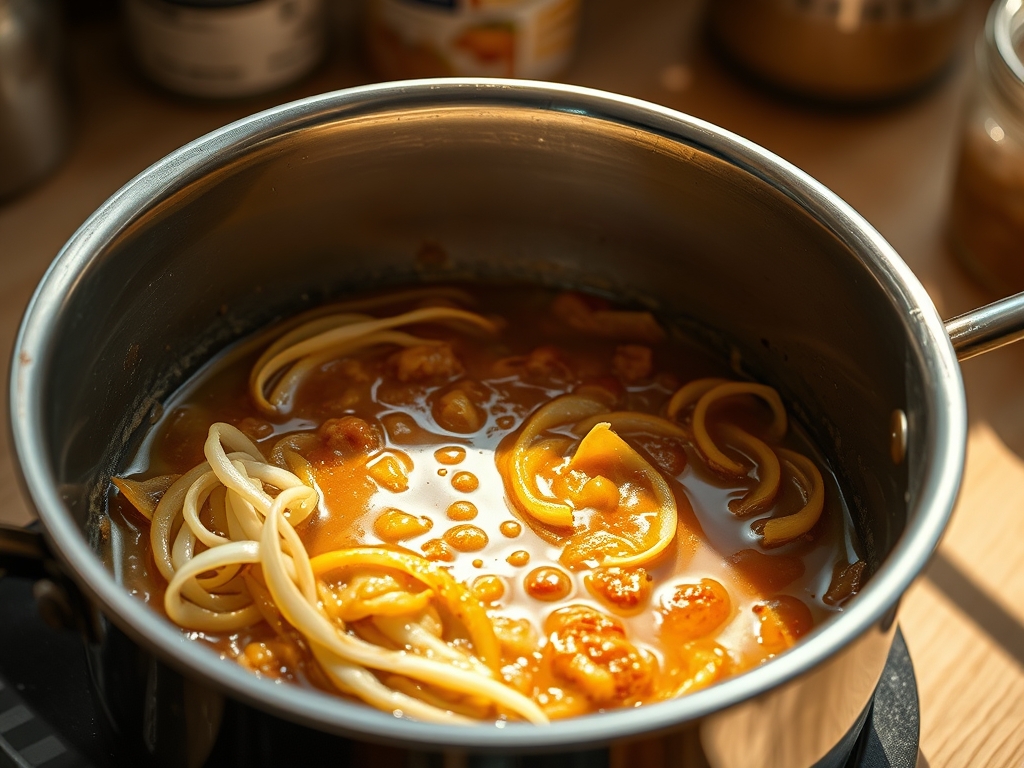
Referencing the Masterclass photo above, notice the vibrant, translucent quality of the cabbage ribbons. If your slaw looks dull or opaque, you have likely over-salted it, causing the chlorophyll to degrade. If the carrots appear "bleached," your vinegar-to-oil ratio is too high in acidity. Visual Cue Check: Look for the "glisten" factor. A perfect slaw should have a micro-thin coating of oil that catches the light without looking wet. If you see liquid pooling at the bottom of your vessel, your osmotic purge in Step 2 was insufficient. Correct this by adding a small amount of Xanthan gum (0.1% by weight) to the dressing to increase its yield stress and prevent runoff.
THE DEEP DIVE
Macro Nutrition Profile:
Per serving, this infrastructure provides approximately 120 calories, 9g of healthy fats, 8g of carbohydrates, and 3g of fiber. It is a micronutrient powerhouse, loaded with Vitamin K and Vitamin C, which are essential for cellular repair and immune function.
Dietary Swaps:
- Vegan: The recipe is inherently vegan if using agave or maple syrup instead of honey.
- Keto: Replace the honey with a few drops of liquid stevia or monk fruit erythritol to keep the glycemic load near zero.
- GF: Naturally gluten-free; just ensure your Dijon mustard does not contain wheat-based thickeners.
Meal Prep & Reheating Science:
Never reheat this dish. The molecular structure of spiralized cabbage is designed for cold consumption. If you must store leftovers, the salt will continue to draw out moisture. To revive day-old slaw, drain the excess liquid and add a fresh teaspoon of Dijon mustard and a squeeze of lemon to re-emulsify the remaining dressing and brighten the piquant notes.
THE KITCHEN TABLE
How do I prevent my spiralizer from clogging?
Ensure you trim the cabbage into a cylindrical shape before mounting. This removes the irregular outer leaves that can jam the blade. Use consistent, medium pressure to maintain a steady flow of ribbons without snapping the vegetable core.
Can I use red cabbage instead?
Absolutely, but be aware of the "bleeding" effect. Red cabbage contains anthocyanins that turn blue or purple when they contact alkaline surfaces and bright red with acid. Your carrots will likely turn pink, which affects the visual spectrum.
What if my dressing is too thin?
If the dressing isn't clinging to the Spiralized Cabbage, whisk in an extra teaspoon of Dijon mustard. The proteins and polysaccharides in the mustard will increase the viscosity, allowing the liquid to bridge the gaps between the cabbage coils.
Why does my slaw taste bitter?
Bitterness usually stems from the cabbage core or old celery seeds. Ensure you remove the dense white core before spiralizing. If bitterness persists, a tiny pinch of extra salt or sugar can chemically mask those bitter receptors on your tongue.