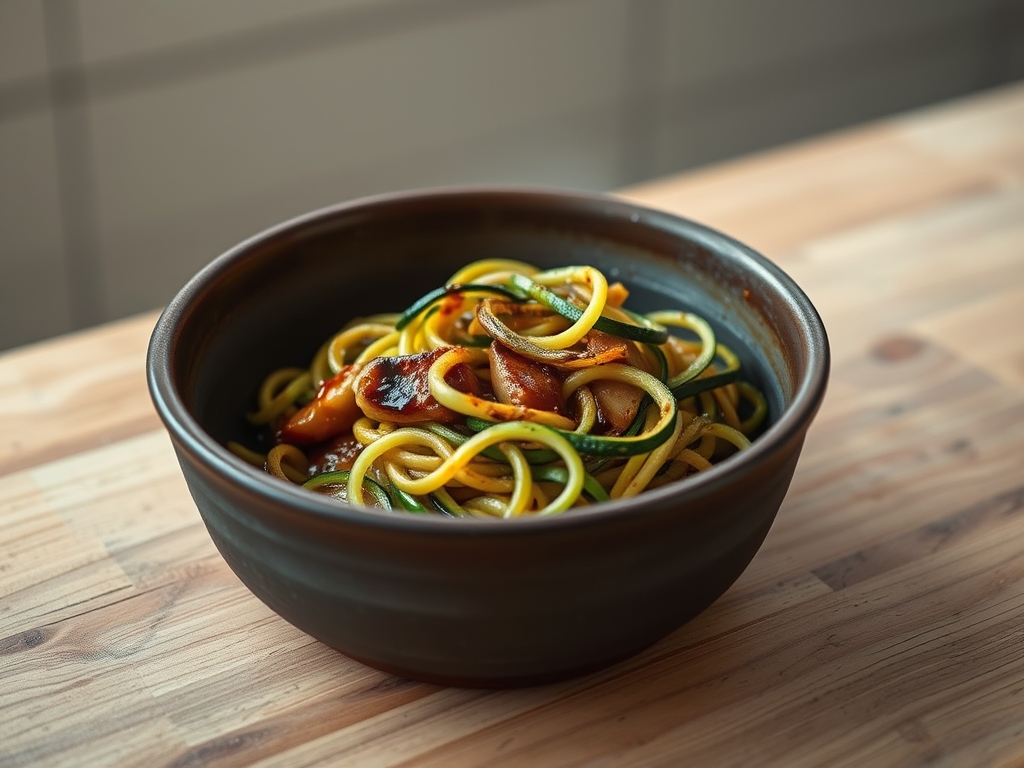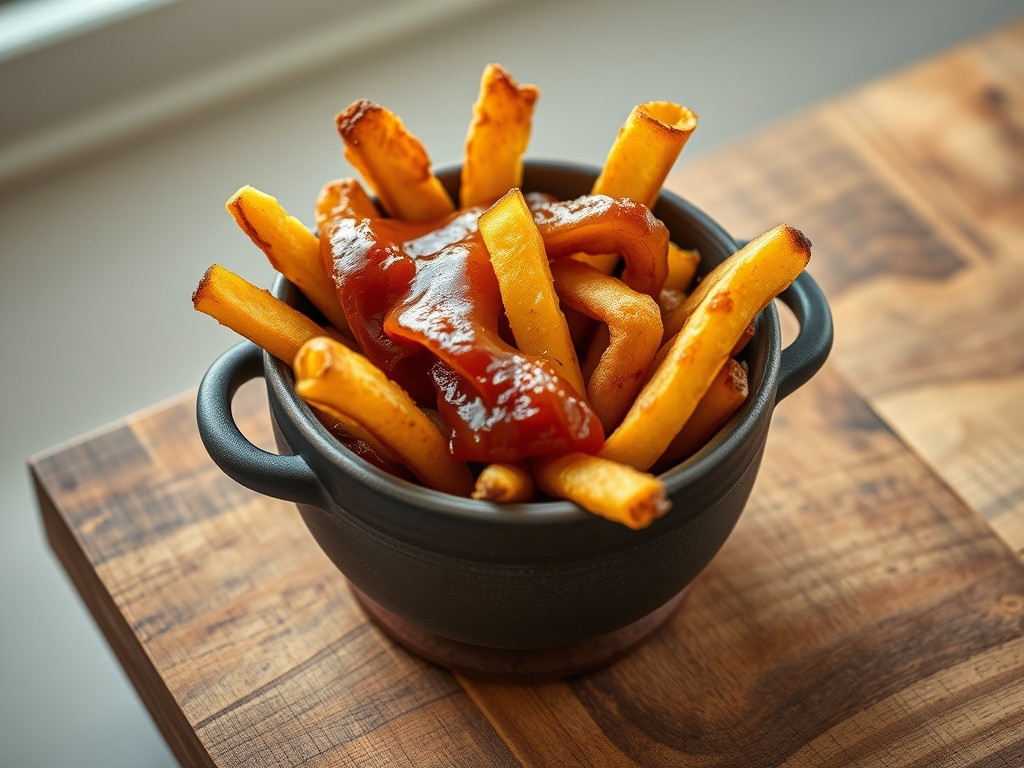
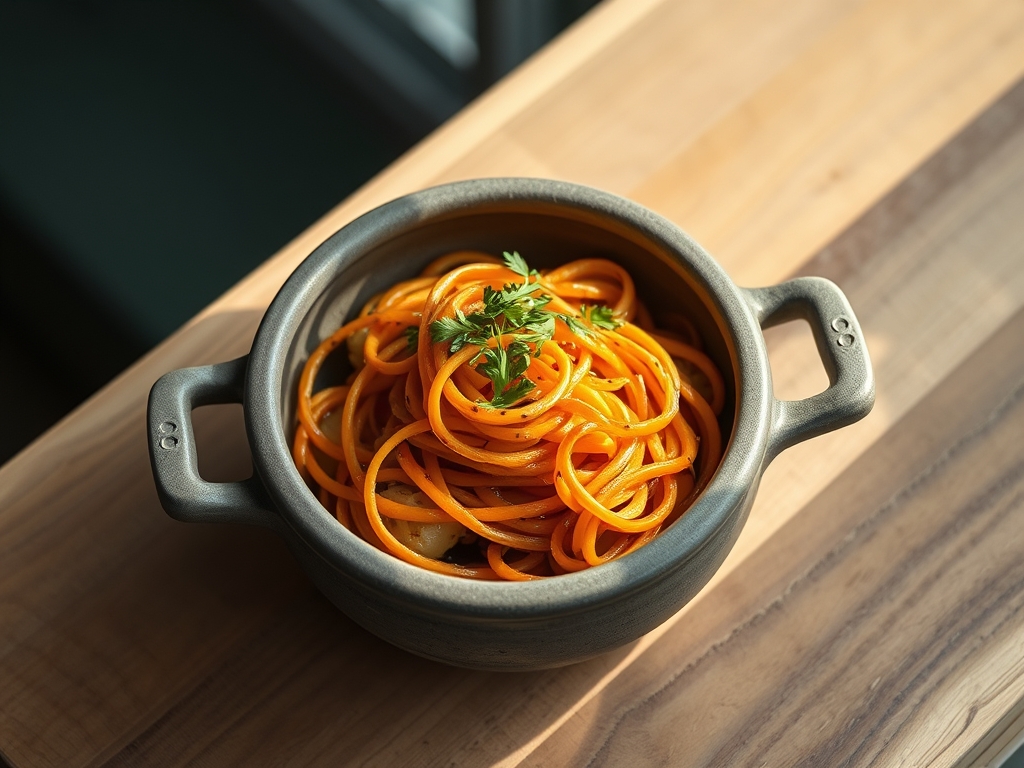
Stop treating your kitchen like a hobbyist's craft room and start treating it like a high-output manufacturing floor. We are here to dismantle the humble tuber and re-engineer it into a high-performance carbohydrate delivery system. The Spiralized Sweet Potato is not just a trendy alternative to pasta; it is a structural marvel of plant biology that requires precise thermal management to avoid a catastrophic collapse into a soggy, starch-heavy mush. When you run a firm orange yam through a blade, you are increasing the surface area by an order of magnitude. This exposes the internal cell walls to immediate oxidation and sets the stage for a glorious Maillard reaction, provided you do not sabotage the process with excess moisture. We are looking for structural integrity, a snap that defies the typical softening of beta-carotene-rich vegetables, and a flavor profile that balances the natural sugars with a piquant kick. If you are ready to audit your technique and optimize your output, let us begin the teardown of this orange-hued architectural masterpiece.
THE DATA MATRIX
| Metric | Specification |
|---|---|
| Prep Time | 12 Minutes |
| Execution Time | 18 Minutes |
| Yield | 4 Servings |
| Complexity | 4 / 10 |
| Estimated Cost per Serving | $1.45 USD |
THE GATHERS
Ingredient Protocol:
- 2 Large Sweet Potatoes (approx. 900g / 2 lbs)
- 30ml / 2 tbsp High-Smoke Point Oil (Avocado or Grapeseed)
- 5g / 1 tsp Smoked Paprika
- 3g / 0.5 tsp Garlic Powder
- 2g / 0.25 tsp Cayenne Pepper
- 10g / 2 tsp Flaky Sea Salt
- 15ml / 1 tbsp Fresh Lime Juice
- 10g / 0.25 cup Fresh Cilantro, minced
Section A: Ingredient Quality Audit:
The primary failure point in a Spiralized Sweet Potato dish is the selection of the raw material. If your yams feel "spongy" or show signs of shriveling at the tips, the cellular turgor pressure has dropped. This results in a "limp noodle" effect that no amount of heat can fix. Technical Fix: If your potatoes are slightly dehydrated, submerge the whole unpeeled tubers in an ice-water bath for thirty minutes to re-pressurize the cells before spiralizing. Furthermore, ensure your spices are not oxidized. If your paprika does not smell like a campfire the moment you open the jar, discard it. Stale spices provide color but zero aromatic depth, failing to infuse the oil during the roasting phase.
THE MASTERCLASS
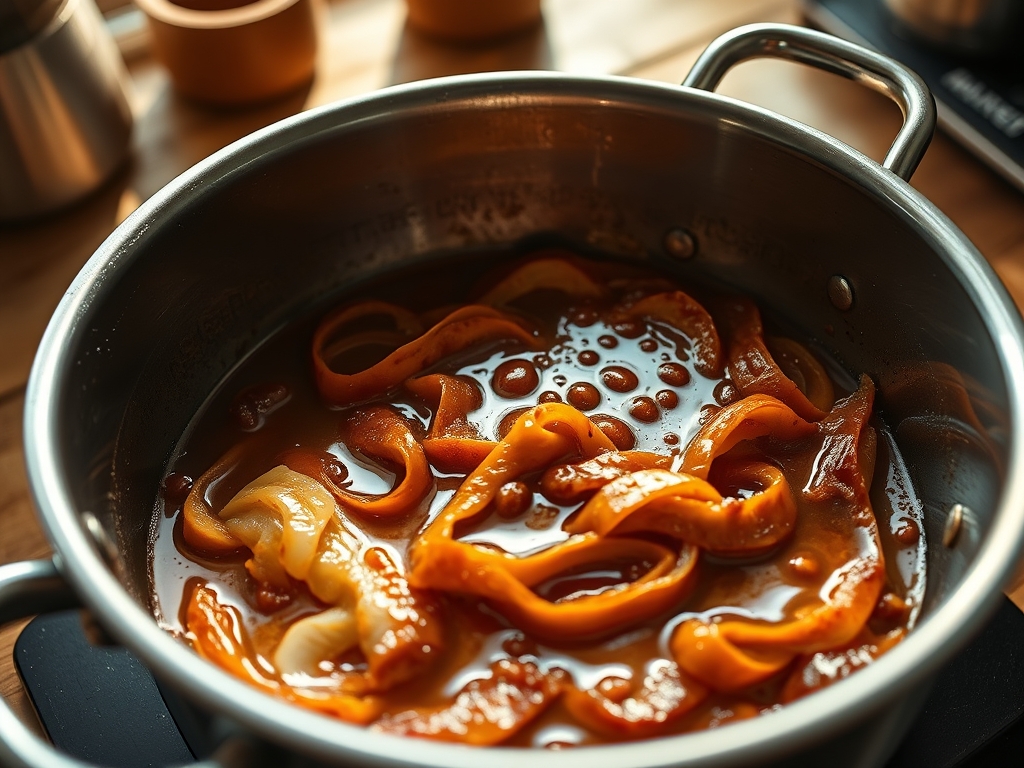
1. Structural Transformation via Spiralizer
Secure your sweet potato into a heavy-duty, suction-mounted spiralizer. Use the 3mm or 5mm blade for optimal surface-area-to-volume ratio. As the ribbons emerge, use a bench scraper to cut the strands every 10 inches; excessively long strands lead to uneven clumping and inconsistent heat distribution.
Pro Tip: Use a digital scale to ensure each batch is uniform in weight. Consistent mass ensures that the thermal energy from your pan or oven penetrates the center of the pile at a predictable rate, preventing the outer edges from carbonizing while the center remains raw.
2. Moisture Extraction and Surface Prep
Spread the curls on a baking sheet lined with paper towels. Sprinkle a small amount of salt over them and let them sit for five minutes. You will see beads of moisture forming. Pat them dry aggressively. Removing this surface water is essential to prevent steaming; we want to render the natural sugars into a crust, not boil them in their own juice.
Pro Tip: This process, known as osmotic dehydration, toughens the pectin in the cell walls. By removing excess water before adding fat, you ensure the oil coats the vegetable rather than sliding off a film of water, which leads to better emulsification of spices.
3. High-Velocity Thermal Application
Heat a large saucier or cast-iron skillet over medium-high heat. Add your oil and wait for the shimmering stage. Introduce the Spiralized Sweet Potato in a single, even layer. Do not crowd the pan. Toss frequently using kitchen tongs to ensure every strand is exposed to the hot surface.
Pro Tip: Professional chefs use a heavy-bottomed pan to maintain a constant thermal mass. When you add cold vegetables to a thin pan, the temperature drops instantly, halting the Maillard reaction. A heavy pan acts as a heat battery, providing the energy needed to aerate the steam away from the food.
4. Flavor Infusion and Deglazing
Once the edges show a deep golden-brown hue, add your dry spices. Stir constantly for 60 seconds to "bloom" the aromatics in the hot fat. Just before pulling the pan from the heat, add the lime juice to deglaze any caramelized sugars stuck to the bottom, swirling them back onto the noodles.
Pro Tip: The acidity of the lime juice does more than just add a piquant note; it helps set the pectin in the sweet potato, providing a final structural "snap" that prevents the dish from turning into a mash during plating.
Section B: Prep & Timing Fault-Lines:
The most common human error is "The Crowd Effect." If you attempt to cook 900g of Spiralized Sweet Potato in a single 10-inch pan, you are creating a steam chamber. The bottom layer will burn while the top layer remains turgid and raw. Technical Fix: Work in batches. If the internal temperature of the pan drops below 150C (300F), you have lost the battle against moisture. Use an infrared thermometer to verify pan temps between batches to ensure a consistent "sear" environment.
THE VISUAL SPECTRUM
Section C: Thermal & Visual Troubleshooting:
Referencing the Masterclass photo, you should observe distinct, separated curls with charred "micro-spots" at the bends. If your dish looks like a monochromatic orange clump, you have over-agitated the starch. If the color is dull or grayish, your spices were likely added too early and scorched, or your lime juice was omitted. The cilantro should be added post-heat to maintain its vibrant chlorophyll green; adding it to a hot pan will cause it to wilt and turn a muddy olive tone. If you see "weeping" (liquid pooling on the plate), your salt-and-dry step was insufficient.
THE DEEP DIVE
Macro Nutrition Profile:
Per serving, expect approximately 180 calories, 32g of complex carbohydrates, 4g of fiber, and 7g of healthy fats. The high Vitamin A content is fat-soluble, meaning the oil used in the Masterclass is not just for flavor; it is a delivery vehicle for micronutrients.
Dietary Swaps:
- Vegan: Already compliant. Ensure your oil is plant-based.
- Keto: Sweet potatoes are high-carb. Swap for spiralized daikon or zucchini, though you must reduce cooking time by 70% to avoid total liquefaction.
- GF: Naturally gluten-free. Verify that your smoked paprika has no flour-based anti-caking agents.
Meal Prep & Reheating Science:
To maintain molecular structure when reheating, avoid the microwave. The microwave excites water molecules, turning the internal moisture into steam which softens the cell walls. Instead, use an air fryer at 190C (375F) for three minutes. This flash-heats the exterior and restores the "crunch" without overcooking the core.
THE KITCHEN TABLE
Why are my sweet potato noodles soggy?
You likely skipped the "moisture extraction" phase or crowded the pan. Excess water trapped between strands turns into steam, which breaks down the pectin and destroys the structural integrity of the Spiralized Sweet Potato.
Can I peel the potatoes in advance?
Yes, but you must store them in an airtight container with a damp paper towel. Exposure to oxygen triggers enzymatic browning, which dulls the vibrant orange color and can introduce a slightly metallic off-flavor.
What is the best spiralizer blade size?
The 3mm "spaghetti" blade offers the most surface area for browning, while the 5mm "fettuccine" blade provides more structural "bite." For high-heat sautéing, the 5mm blade is generally more resilient against breakage.
How do I prevent the spices from burning?
Never add dry spices at the beginning of the cook. The high heat required to sear the potato will incinerate the small particles of garlic and paprika. Add them only in the final sixty seconds of execution.